
Highlands Biological Station · Field Dispatches
Notes from the Field
Researcher spotlights, current projects, and discoveries from one of the most biologically rich corners of the Southern Appalachians.
About the series
Science, fieldwork, and the people behind it
Every summer, scientists arrive at Highlands Biological Station to study the salamanders, plants, forests, and waters of the southern Blue Ridge — a global biodiversity hotspot. Notes from the Field follows that work as it happens.
Each dispatch pairs original research with the photography, fieldwork, and first-person reflection that bring it to life — from a single salamander on a rainy trail to a tree ring five centuries old.
Researcher spotlights
Conversations with the visiting scientists who make HBS their field laboratory.
Current research
Projects underway right now across the Highlands Plateau.
HBS staff research
Discoveries led by the Station’s own scientists, archivists, and educators.
Featured dispatch

From Highlands to Tsukuba
Highlands Biological Station’s microplastics research traveled to the SETAC Asia-Pacific Biennial Conference in Japan, where four Station-affiliated projects joined the conversation.
in this edition
in the Little Tennessee
Southern Appalachians
Highlands Plateau
The field notes
Explore the dispatches
Filter by subject, or read straight through. Every story links to the full piece.
Showing all 21 dispatches.
Featured · Research Abroad
From Highlands to Tsukuba
Highlands Biological Station’s microplastics research traveled to the SETAC Asia-Pacific Biennial Conference in Japan, where four Station-affiliated projects joined the conversation.
HBS Staff Research
The Grove Quartet
Four trees a few yards apart across a creek, begun in 1559, 1725, 1795 and 1843. Liam Stiefel turned every ring into a note in G major so the grove could be heard together.
Current Research · with UNC Research
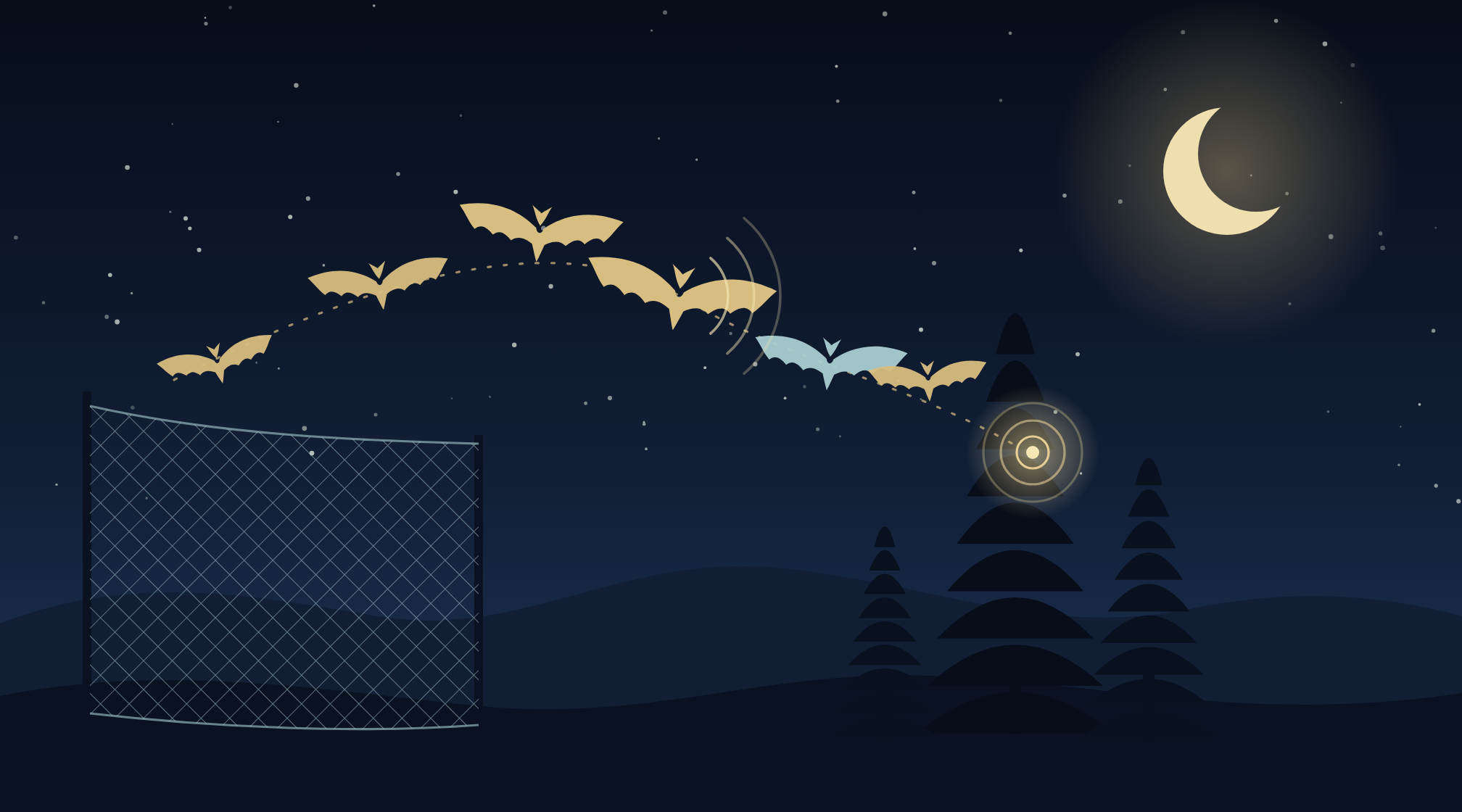
Five of the Six
A UNC team led by Field Site Director Dr. Rada Petric is tracking endangered bats across Marine Corps Air Station Cherry Point. Nearly everyone on it came through HBS first.
From the Botanical Gardens
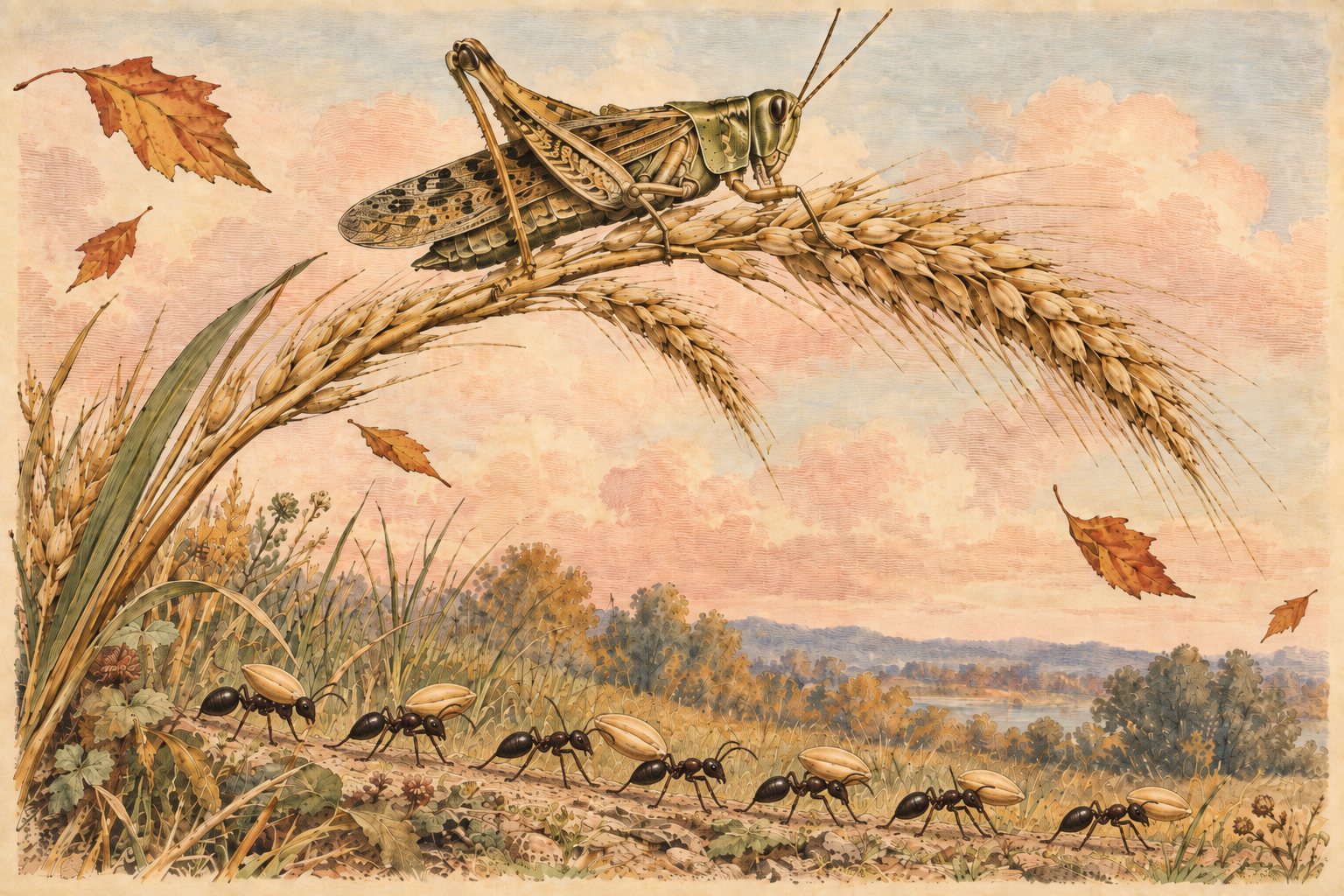
What We Gather
Like Aesop’s ant and grasshopper, the gardens take stock as fall arrives: migrants raiding the last of the fruit, the final flowers blooming as the first leaves drop, and storms that show how fragile and resilient these mountains are.
From the Pages of Nature Magazine
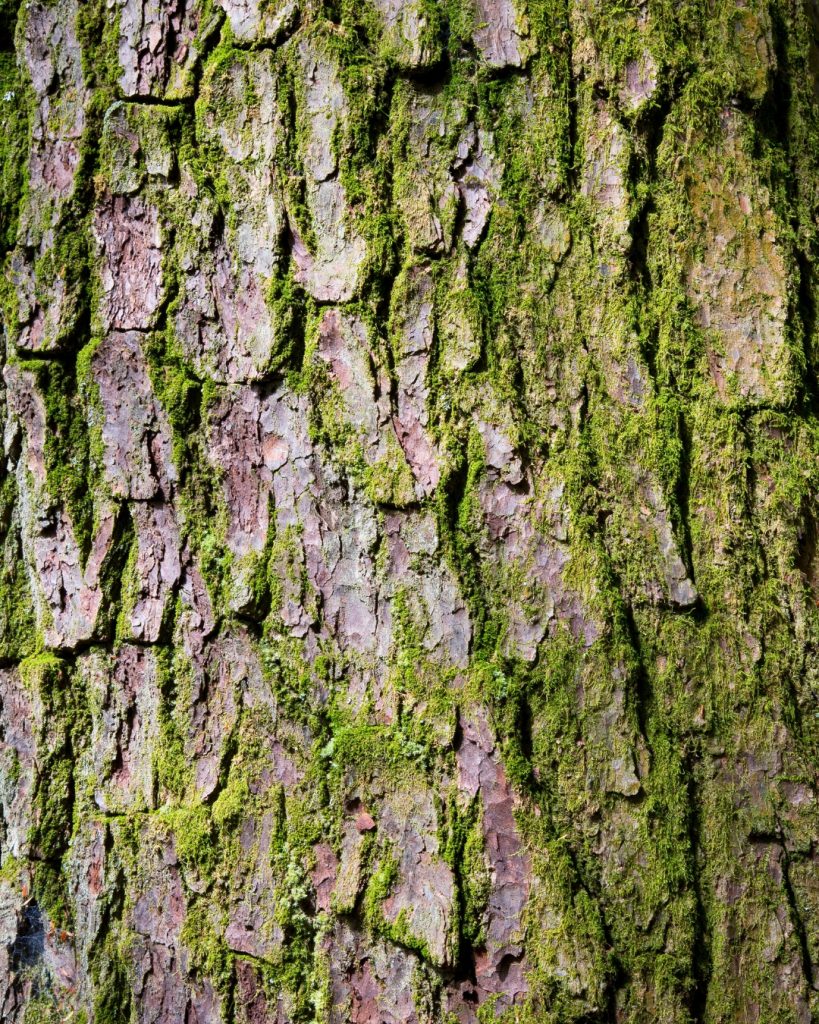
The Fall of a Tree
On a windless June morning in the Great Smokies, two hikers heard a long-dead hemlock, some four centuries old, let go of the mountain. Ralph M. Sargent’s 1948 essay, in full.
From the Botanical Gardens
Nothing Stays Still
Horticultural Specialist Canty Worley looks back on a season in the Highlands Botanical Gardens — from Skunk Cabbage pushing through the frost to the first hint of fall — and on what it means to care for a place as it nears its centennial.
Campus Field Notes
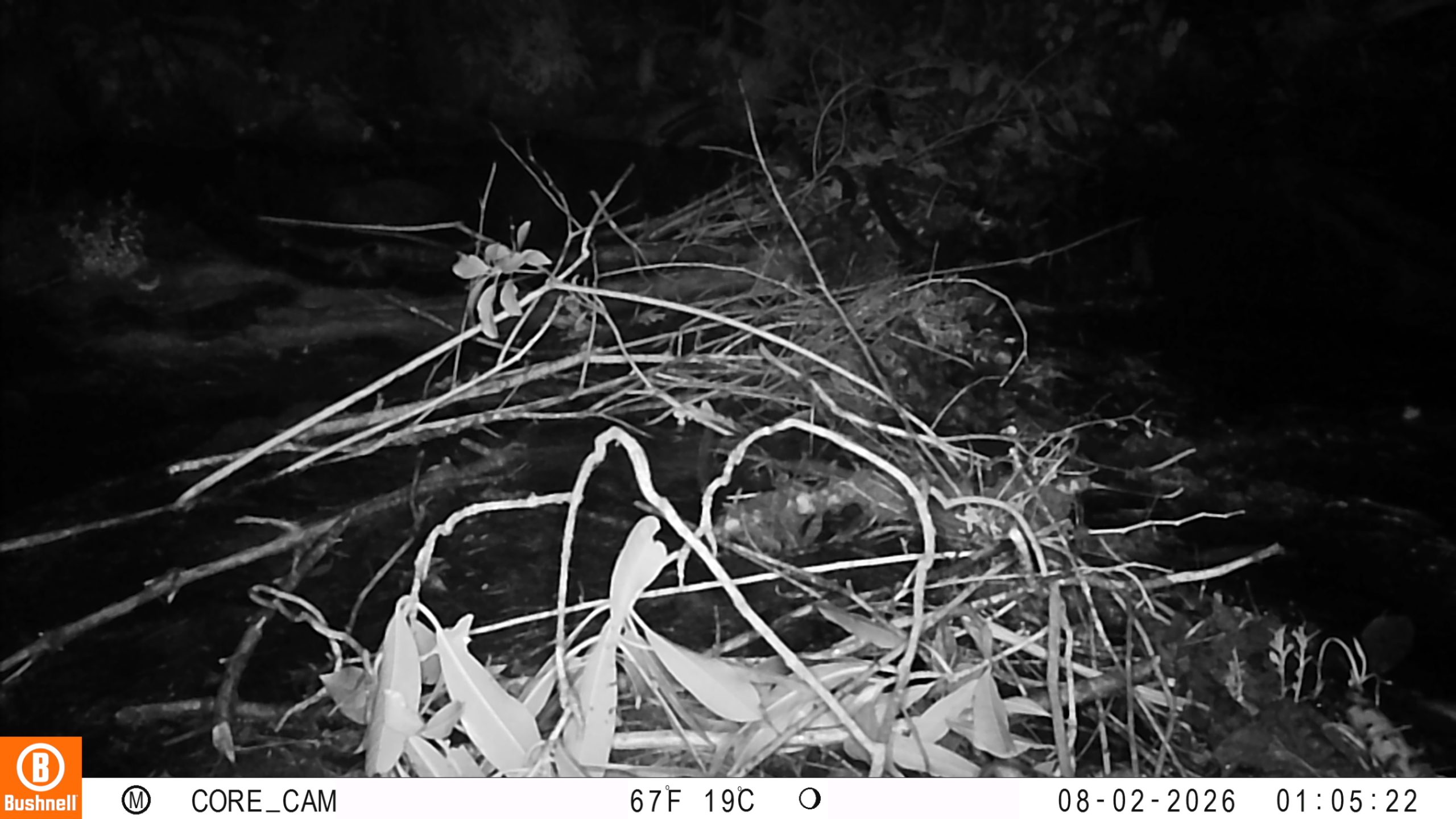
Leave it to Beaver
In July, something started stacking sticks against the culvert on the path to North Campus. We pointed a trail camera at it and left. Four weeks of frames later, the dam — and the stream behind it — look nothing like they did.
Grant-in-Aid Spotlight
A Fish with No Name
The Smoky Dace has never been formally described, yet it counts among the sensitive species used to grade stream health in western North Carolina. Tayton Alvis took thirty years of biomonitoring data and seventeen streams of new fieldwork to see whether that designation holds.
Researcher Spotlight
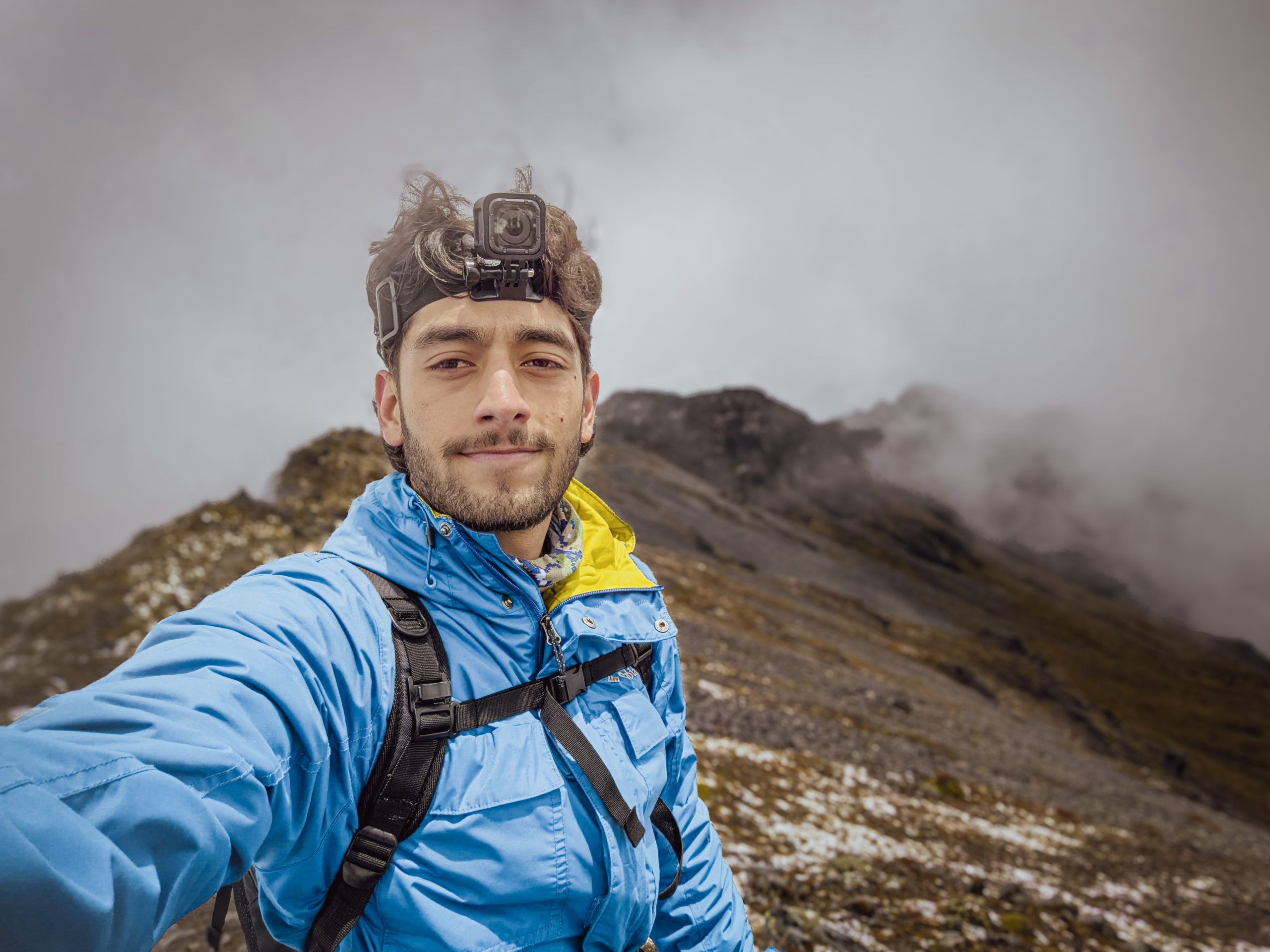
From the Andes to Appalachia, a Young Biologist Finds Common Ground
Juan Pablo Castro came north from Quito for the salamanders and stayed for everything else — respirometry benches, abandoned mines, high-elevation bat acoustics, and his first morning of bird banding. The Highlands Plateau, he found, reads a lot like an Andean cloud forest.
HBS Staff Research
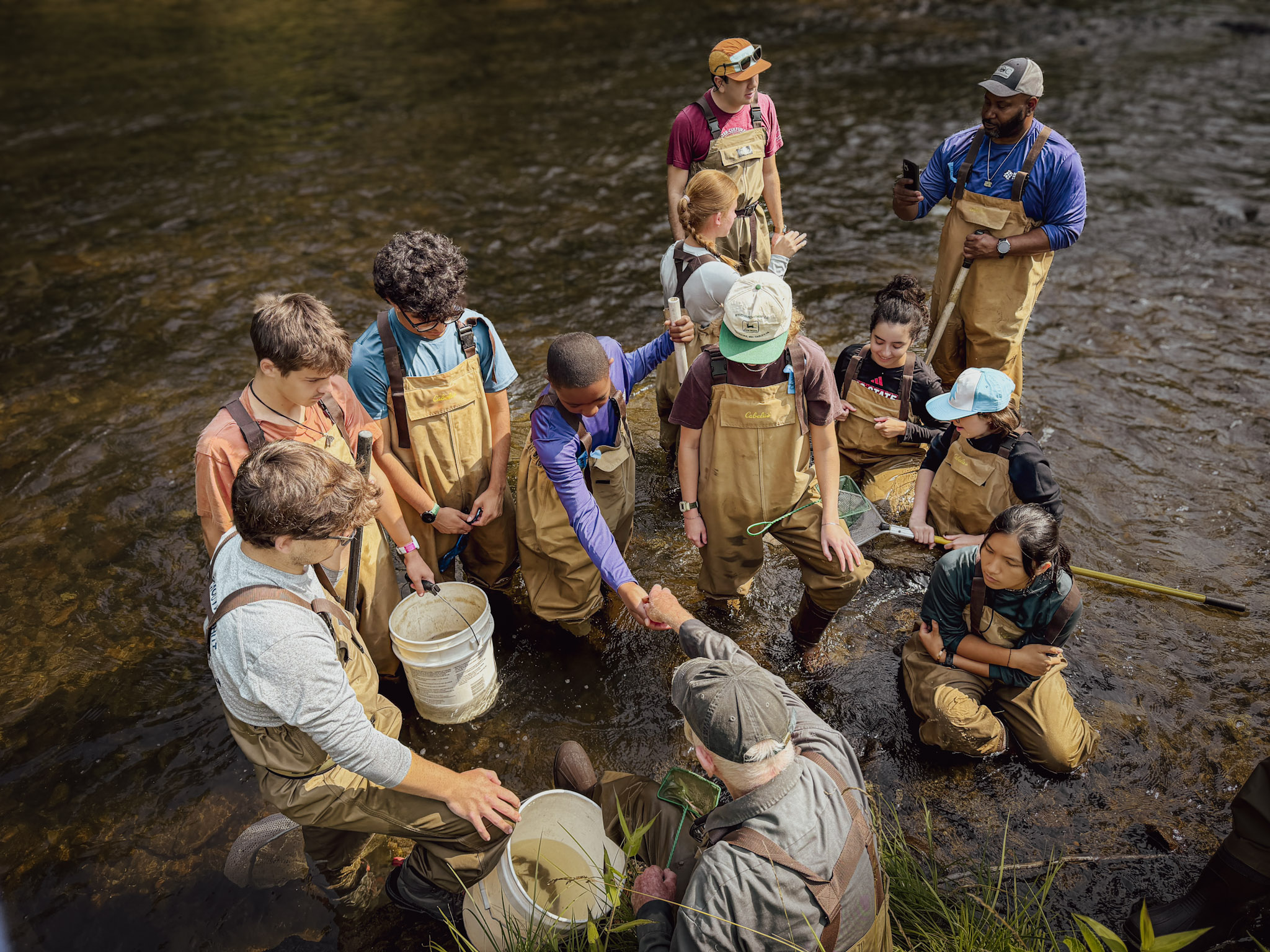
Shocking News from the Cullasaja River
High school students wade into a mountain river with Dr. Bill McLarney of Mainspring Conservation Trust to count its fish — stunned, identified, released. Nineteen species this year, including the rare Wounded Darter, on a reach surveyed every summer since 1991.
A Note from our Executive Director
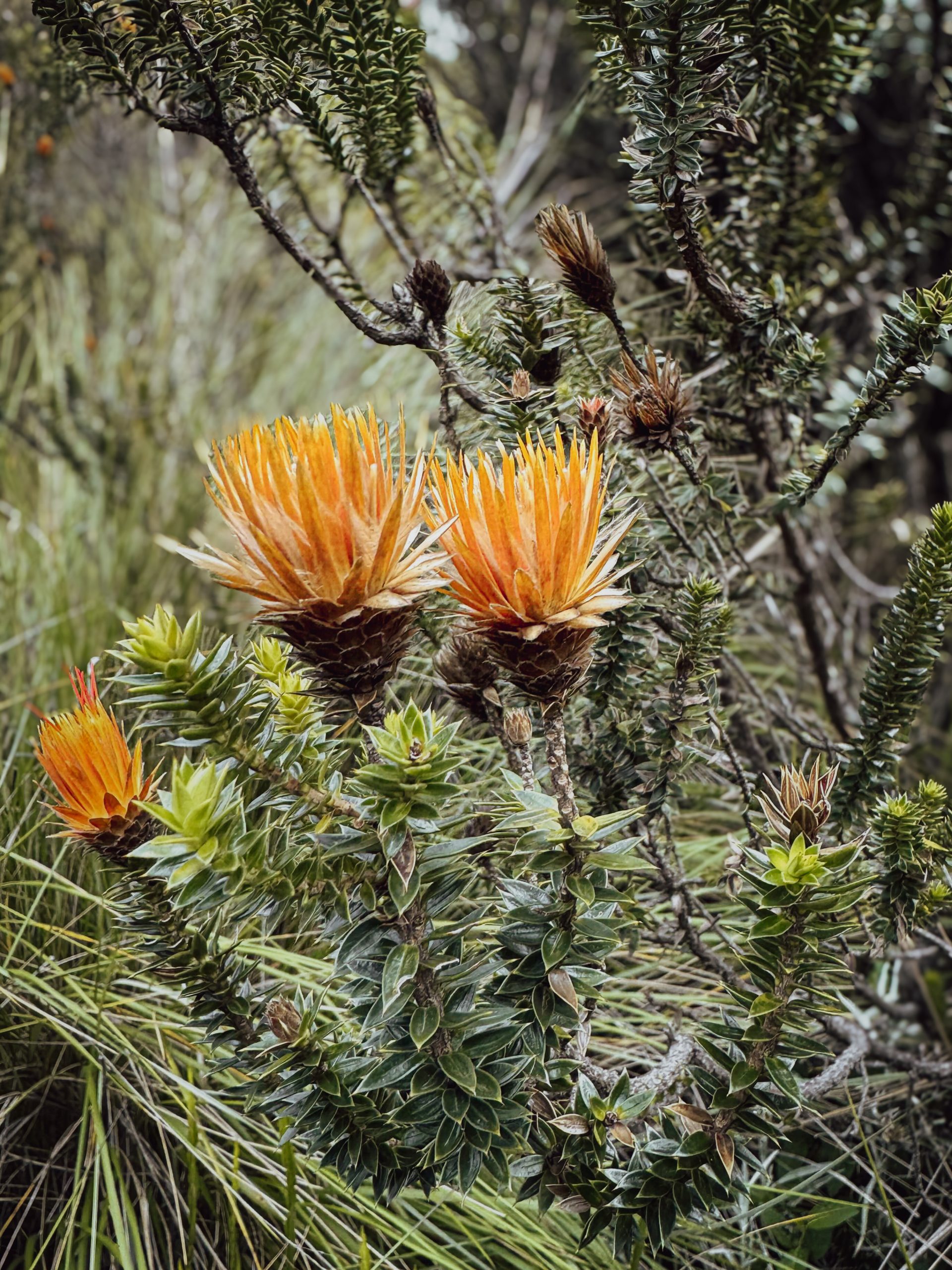
A Field Course Far Afield
Executive Director Jim Costa is just back from Ecuador and the fourth run of his Temperate–Tropical Ecology & Biogeography course. With Highlands as the Appalachian base and Wildsumaco Biological Station high in the Andes as the other, students compared firsthand how geology, elevation, and latitude shape two very different living worlds.
Current Research
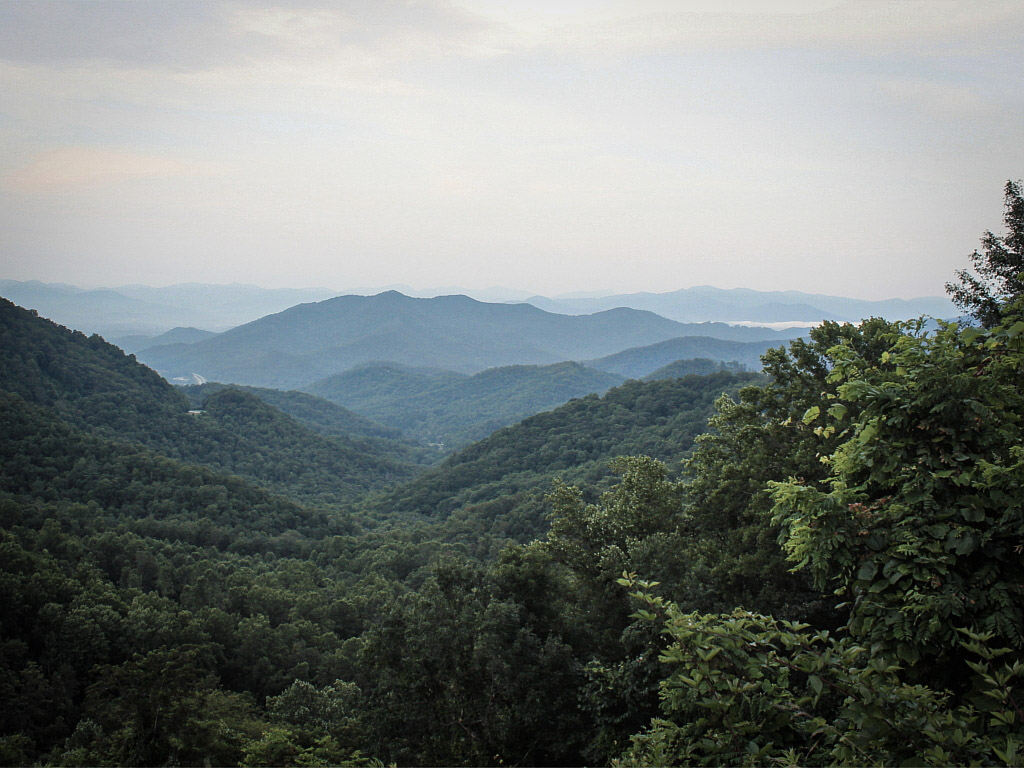
The Salamanders Remember
Eighteen years, sixteen plots, and more than 35,000 captures: one of the world’s largest salamander studies reads an Appalachian forest’s recovery from logging and wildfire — one marked salamander at a time.
Grant-in-Aid Spotlight
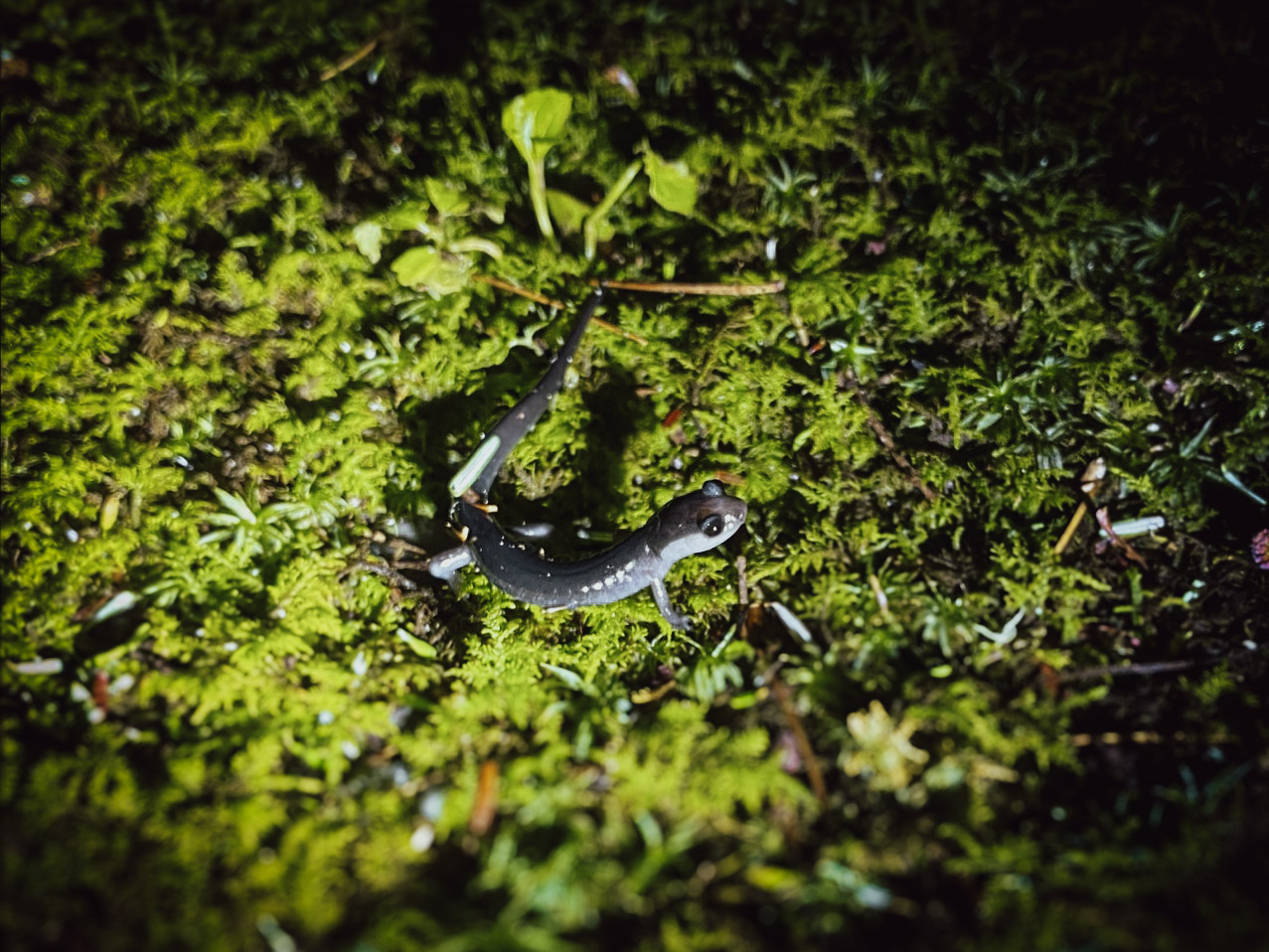
After Dark, Following Salamanders Up the Mountain
As night falls over Nantahala National Forest, doctoral student David Adams and undergraduate Evie Bradley track the Southern Gray-Cheeked Salamander from low slope to high — a Grant-in-Aid mark-recapture study of how a warming climate is reshaping the most salamander-rich landscape on Earth.
Field Course
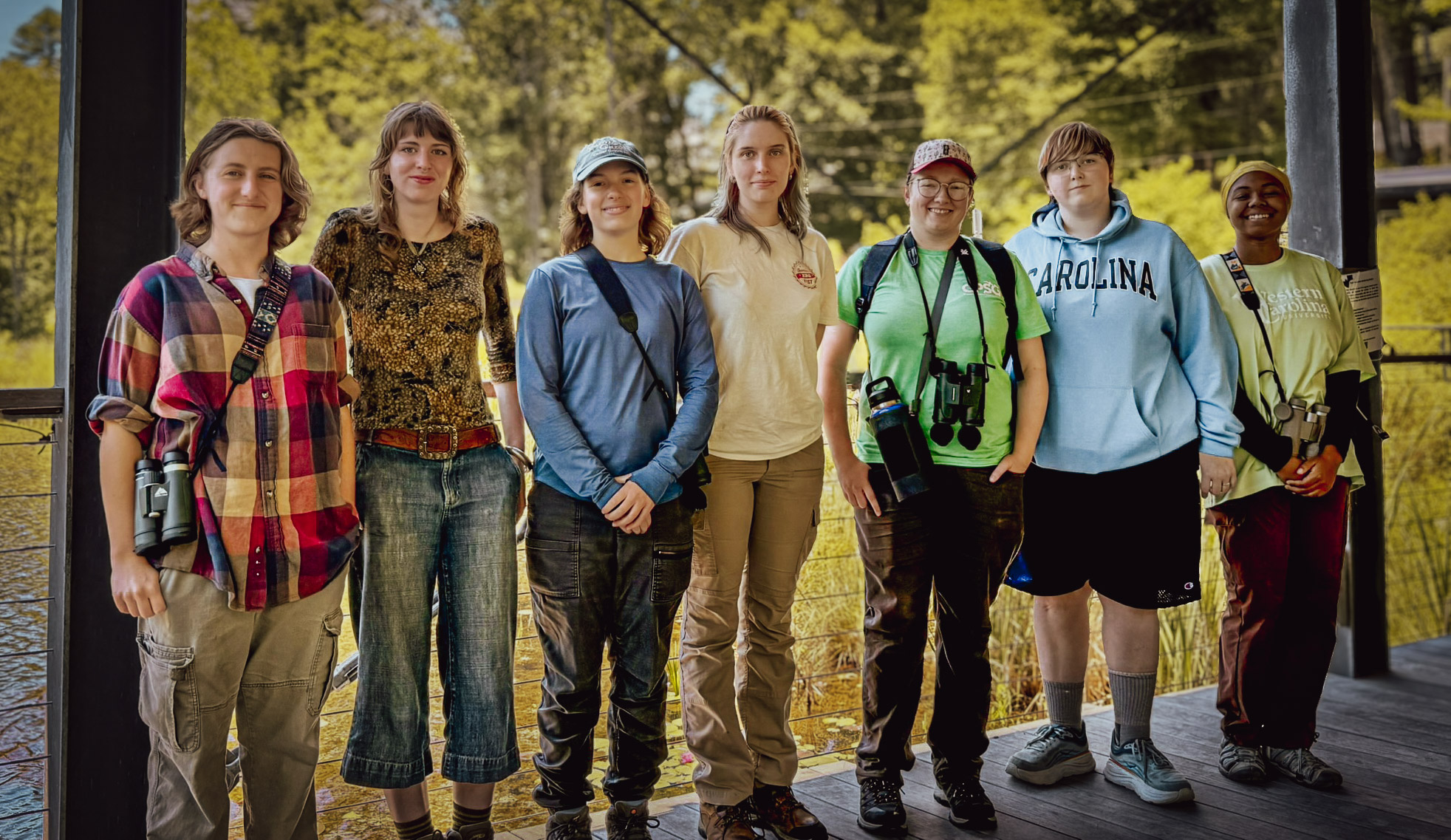
Learning to Hear the Forest
At an intensive two-week ornithology course in the North Carolina mountains, students learn to read an entire landscape by ear — and this year, seven full scholarships from Headwaters Bird Alliance decided who got to stand in the cold and listen.
HBS Staff Research
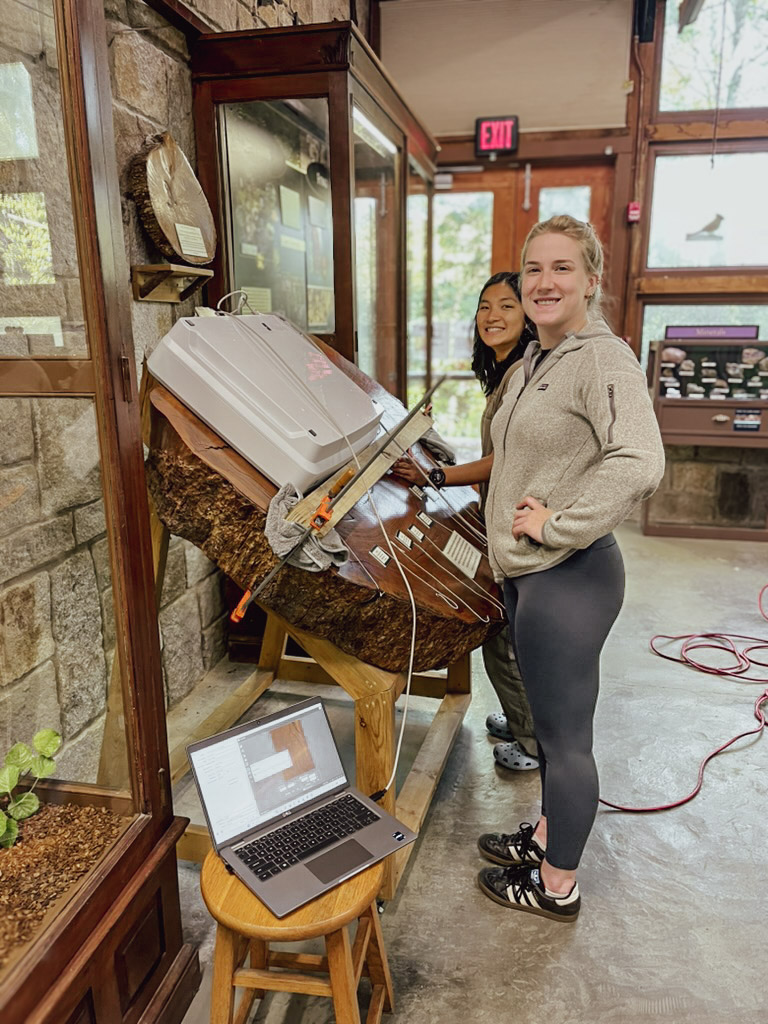
A Long-Dead Hemlock Still Has Stories to Tell
A 1928 museum specimen may extend the Plateau’s tree-ring record past five centuries, revealing drought, growth, and forest change recorded ring by ring.
Current Research
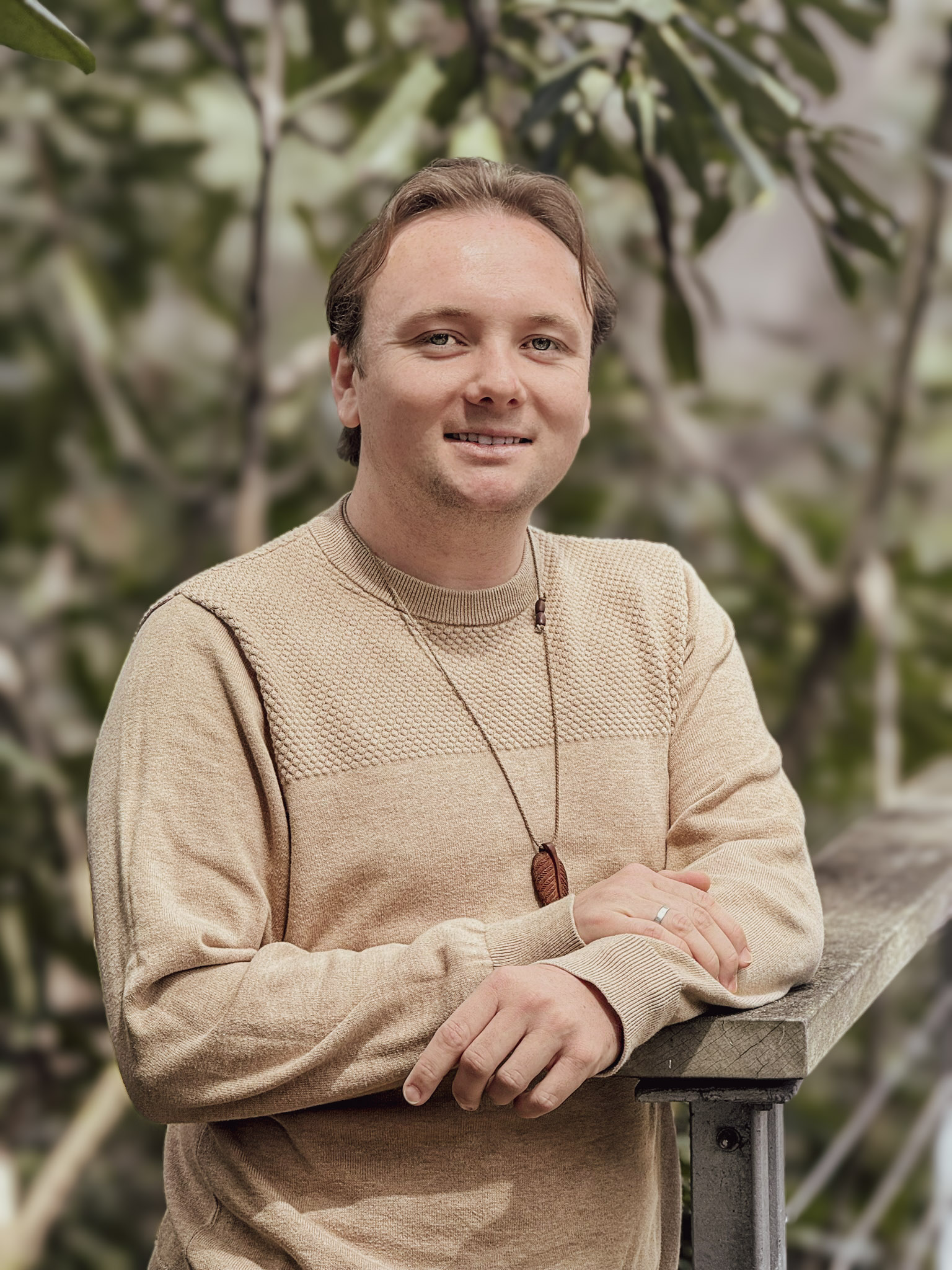
A Plant Hidden by Water
Kral’s water plantain is known from just six populations on Earth. Grant-in-Aid researcher Jake Thompson recreates the Little River’s currents in living stream tanks to learn how the threatened aquatic plant grows, flowers, and might be saved.
HBS Staff Research
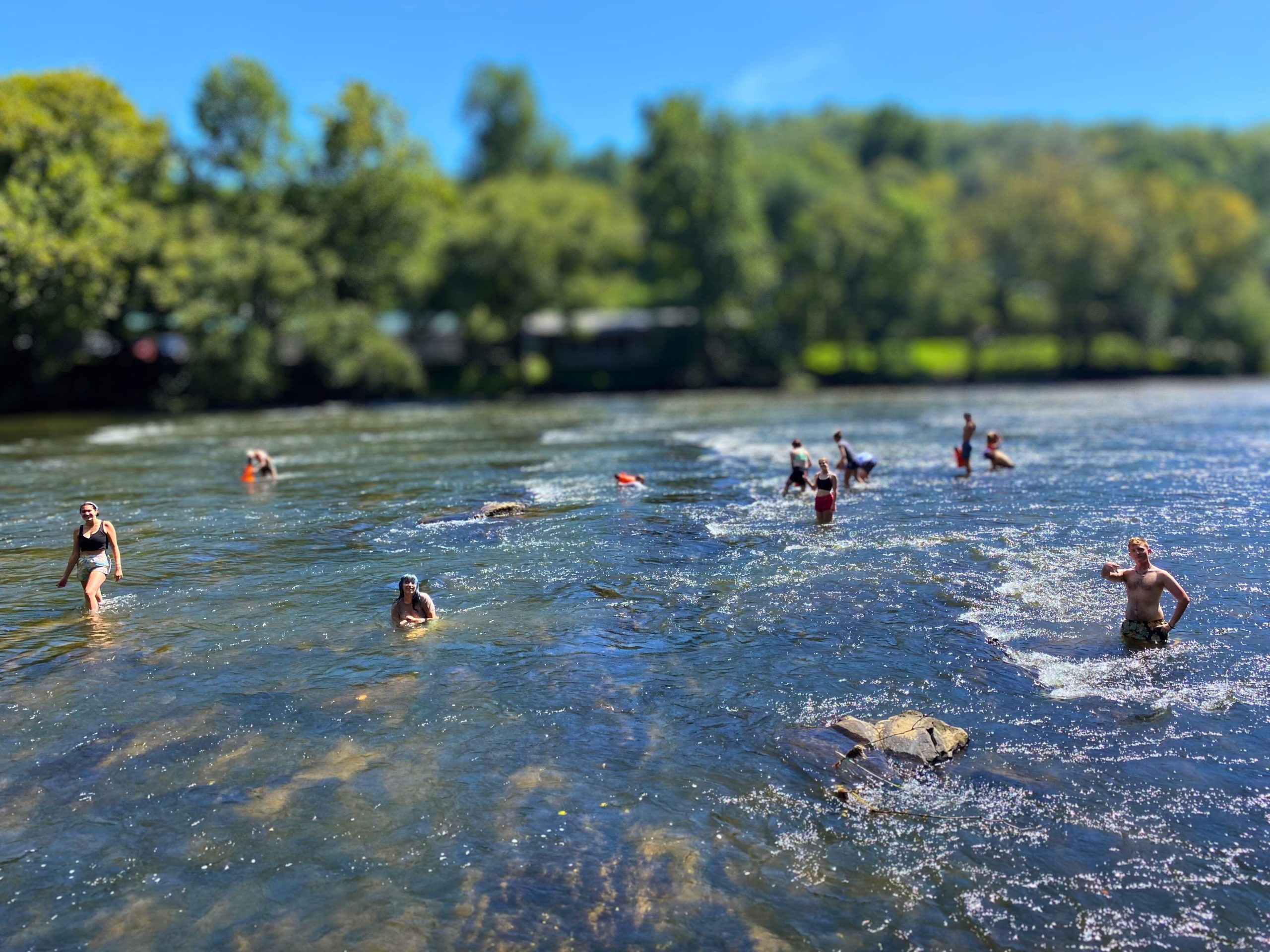
The Air We Breathe, the Water We Share
Associate Director Jason Love traces microplastics through Western North Carolina — from rivers and forest soils to the rain itself — and asks what “pristine” really means.
Field Notes
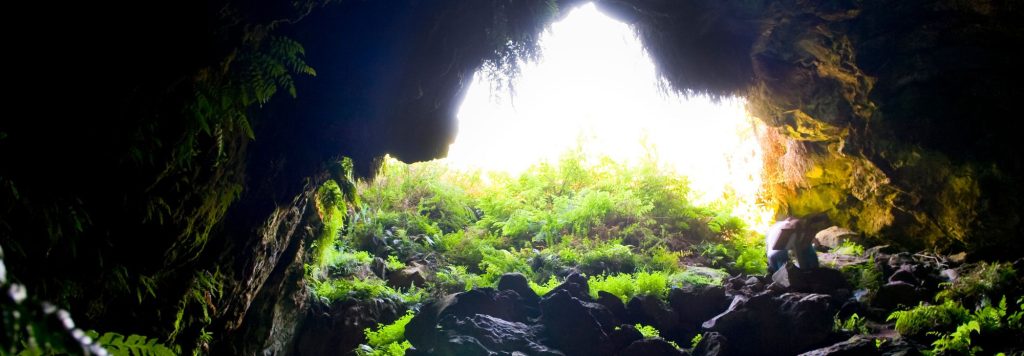
Field Notes from 2025: Monitoring Bats in a Changing Appalachia
Research Assistant Adriana Kirk reflects on a season checking abandoned mines and caves for hibernating bats — from white-nose syndrome to a record count of 27 tricolored bats deep underground.
Field Notes
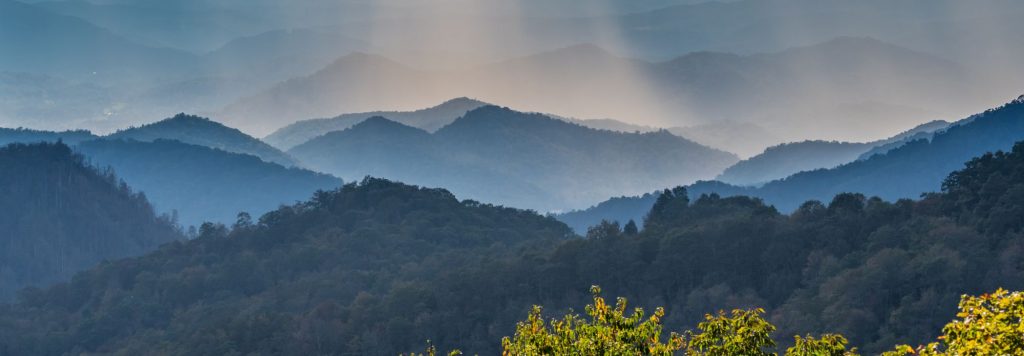
Field Notes from 2025: A Naturalist’s Postgrad Journey
After graduating, Research Assistant Hannah Shepard traded screens for trails — 100+ miles on the Appalachian Trail, spruce–fir summits, bat surveys, and her first green salamanders.
Researcher Spotlight
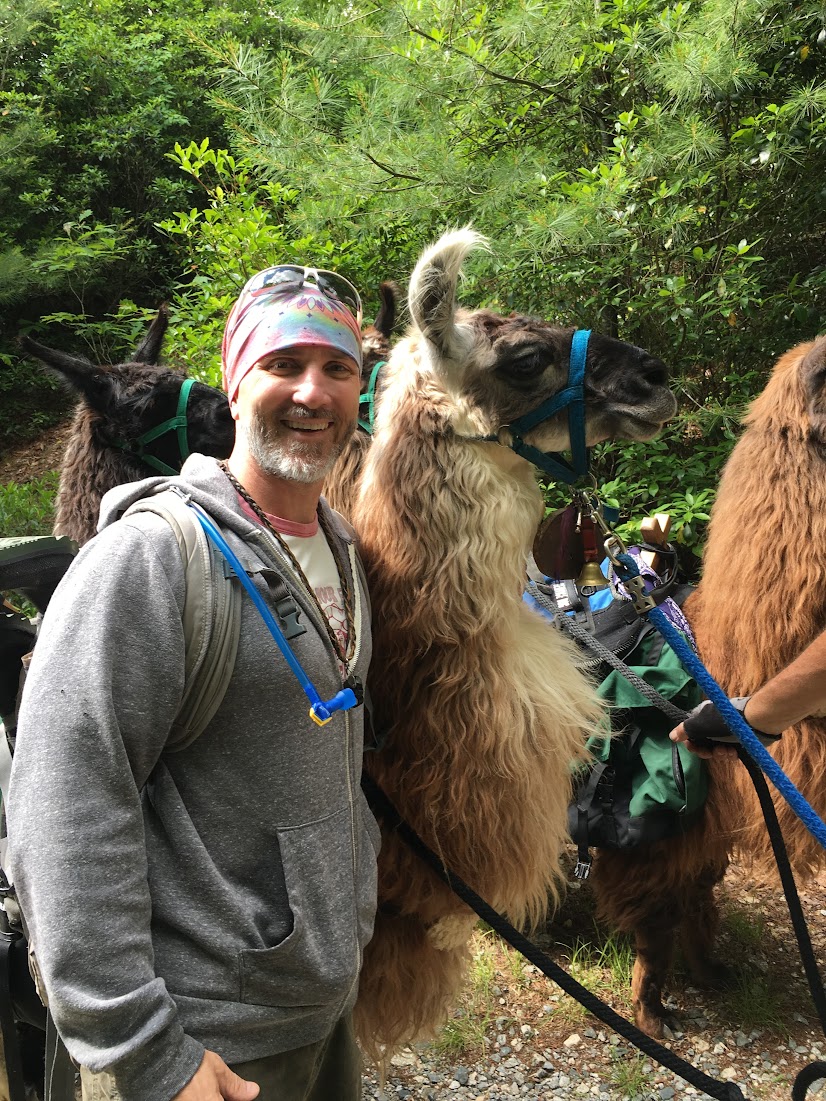
Dr. Joey Shaw: Plants, Plateaus, and a Passion for Teaching
A botanist and teacher on ferns, sedges, and wetland flora across the Highlands Plateau — and his mission to bridge technical botany with public curiosity.
Researcher Spotlight
In Focus: Salamanders, Science, and the Art of Seeing Nature
Biologist and photographer Todd Pierson on the alternative mating tactics of two-lined salamanders, mentoring students in the field, and capturing amphibian life through his lens.
Current Research
Deep Roots, Cold Streams
A decades-long collaboration decoding the chemical courtship of plethodontid salamanders — and the mentorship legacy that keeps drawing scientists back to HBS.
We inherit this place, care for it a little while and then pass it along — hopefully a little richer, more resilient and more alive than when we found it.
Get involved
Field science continues here
The work in these dispatches depends on the people, programs, and support behind Highlands Biological Station. Here’s how to go deeper.
Notes from the Field is published by Highlands Biological Station, a center of Western Carolina University fostering research, education, and conservation in the southern Blue Ridge. Photography by Juan Pablo Castro, Grant Connette, Todd Pierson, Damien Wilburn, David Adams, Evie Bradley, Canty Worley, and Highlands Biological Station staff.