
Highlands Biological Station · Research
Collections
Herbaria, living gardens, and regional specimens curated for research, education, and conservation.
A century of specimens
Highlands Biological Station is home to a rich array of scientific collections that support research, education, and conservation. Our most notable holdings include the Highlands Biological Station Herbarium (HBSH) and the living plant collections of the Highlands Botanical Garden. Additional regional collections — ranging from biological specimens to mineralogical samples — are curated for research reference and teaching.
To inquire about access or research use of these collections, please contact our Associate Director, Jason Love, at jlove@wcu.edu.
HBSH
Herbarium
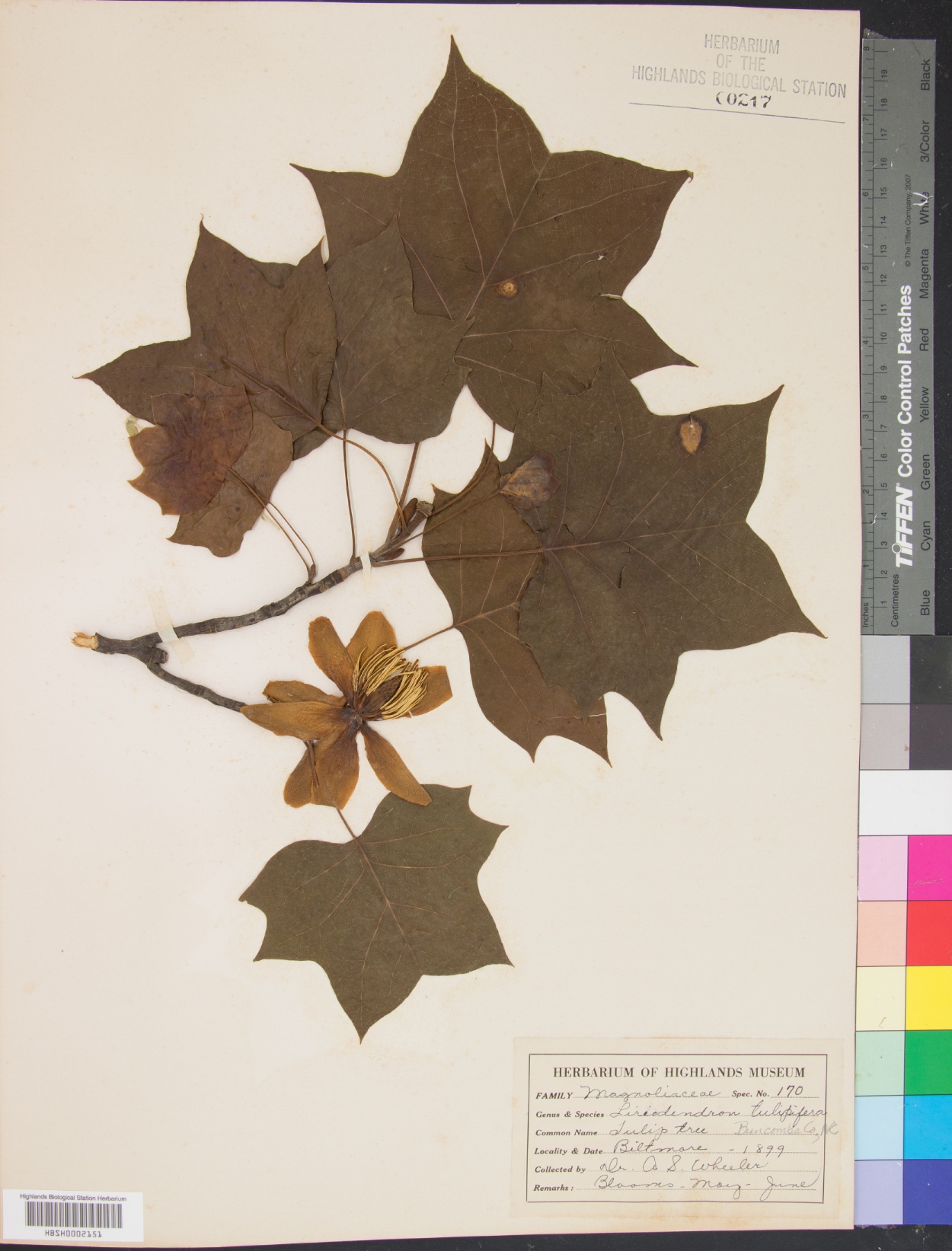
The HBS Herbarium (HBSH) is a small regional collection of roughly 3,000 accessions, focusing mainly on the flora of the southern Appalachians. It includes late 19th- and early 20th-century specimens of real significance, among them accessions from the early Great Smoky Mountains National Park and the Wheeler Collection from the now-defunct Biltmore Estate Herbarium.
HBS is a member of the South-East Regional Network of Expertise and Collections (SERNEC), whose portal holds searchable digitized images of all our herbarium specimens.
Founded 1962
Highlands Botanical Garden
The Highlands Botanical Garden encompasses a 12-acre historical garden surrounded by a constellation of smaller gardens throughout the 24-acre campus. Founded in 1962, it is the highest (3,800 ft) exclusively native botanical garden in the Eastern US.
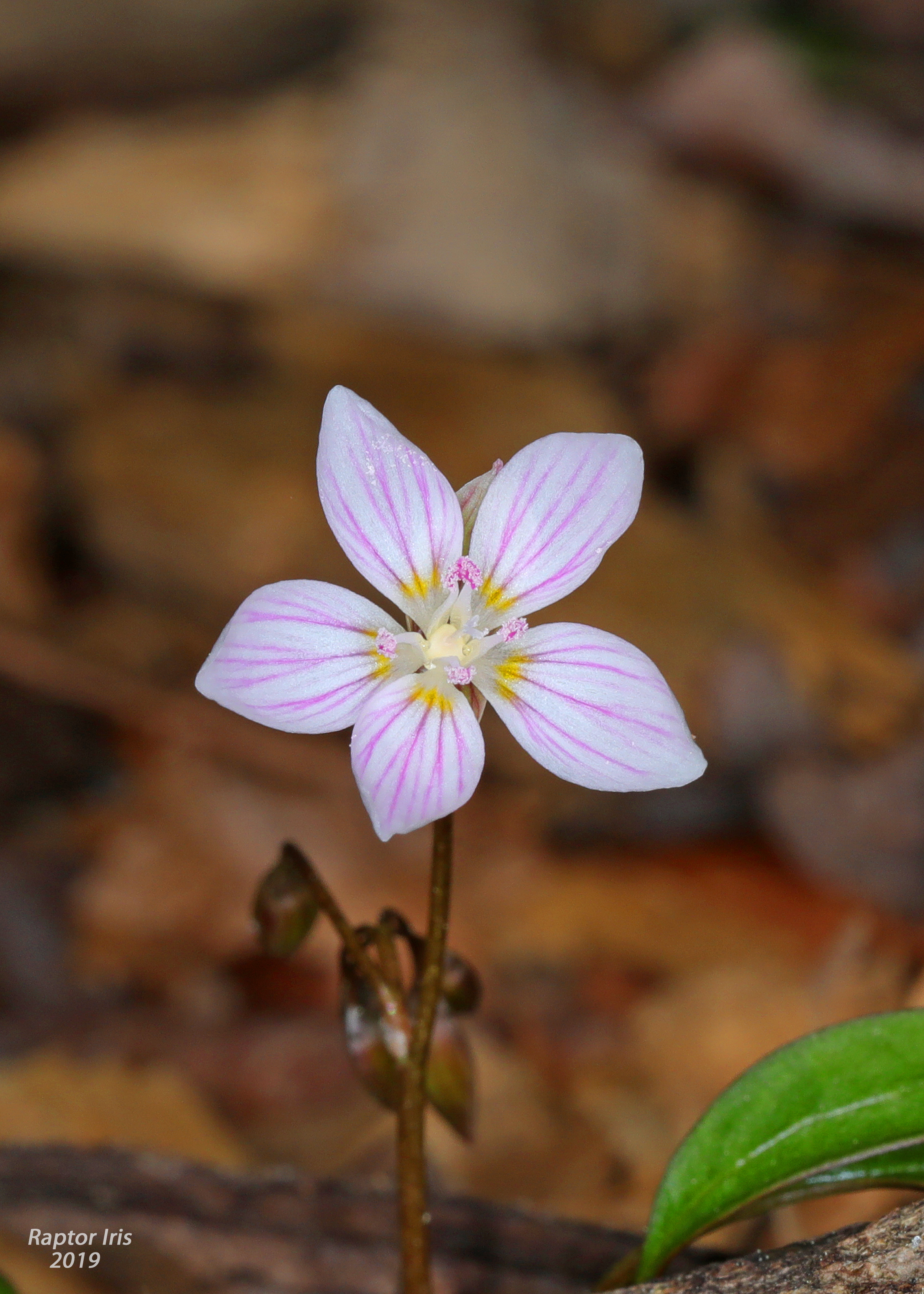
The garden showcases over 400 vascular and non-vascular plants native to the southern Blue Ridge Escarpment in a naturalistic setting on the shores of Lindenwood Lake, with well-developed cove forest, upland woods, riparian, and bog & wetland habitats.
Demonstration gardens
Other collections
HBS maintains several additional teaching and reference biological collections. Current strengths lie in regional moths, lichens, aquatic insects, terrestrial mollusks, songbird and small mammal skins, and fish of the southern Appalachians. HBS also maintains an extensive regional mineralogical and map collection. These collections are in the process of being databased and will be detailed on this site.
Request access
To inquire about access or research use of any HBS collection, contact Associate Director Jason Love at jlove@wcu.edu.
Highlands Biological Station · Western Carolina University