
Field Notes · Highlands Biological Station
Learning to Hear the Forest
At an intensive two-week ornithology course in the North Carolina mountains, students learn to read an entire landscape by ear. This year, seven full scholarships decided who got to stand in the cold and listen.
Highlands, North Carolina
By 6:45 in the morning, before the day has fully decided what it will be, the Highlands Plateau is already talking.
A note lifts from the dark edge of the trees — thin, insistent, repeated. Something small shifts in the canopy. Binoculars come up. Notebooks fall open. A group of students goes quiet on the wet grass, and the wash of sound a passing visitor might file away as “birdsong” begins to separate into parts: this voice, then that one, a scolding note here, a claim to territory there, each belonging to a particular bird in a particular tree, doing a particular thing to stay alive.
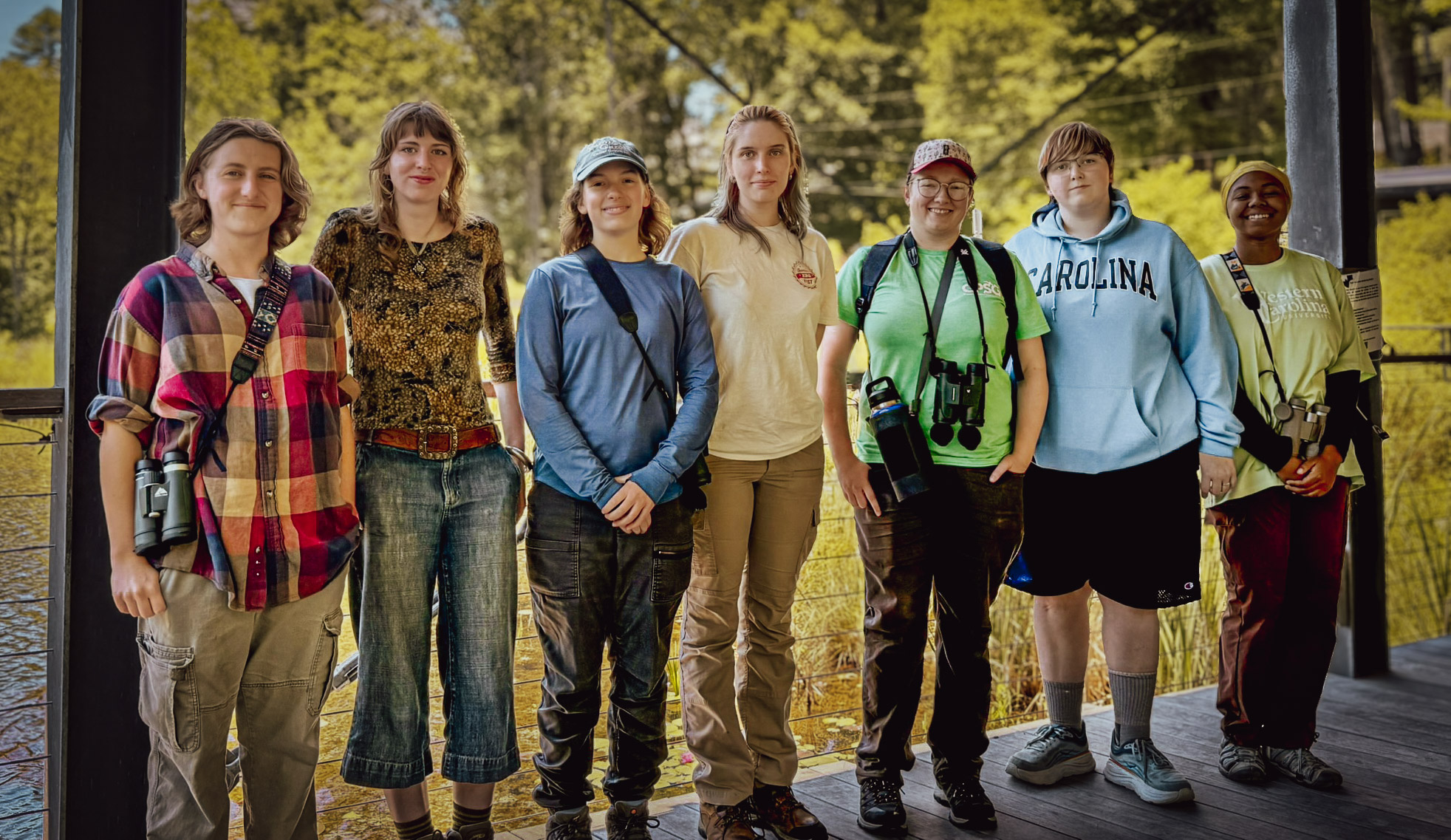
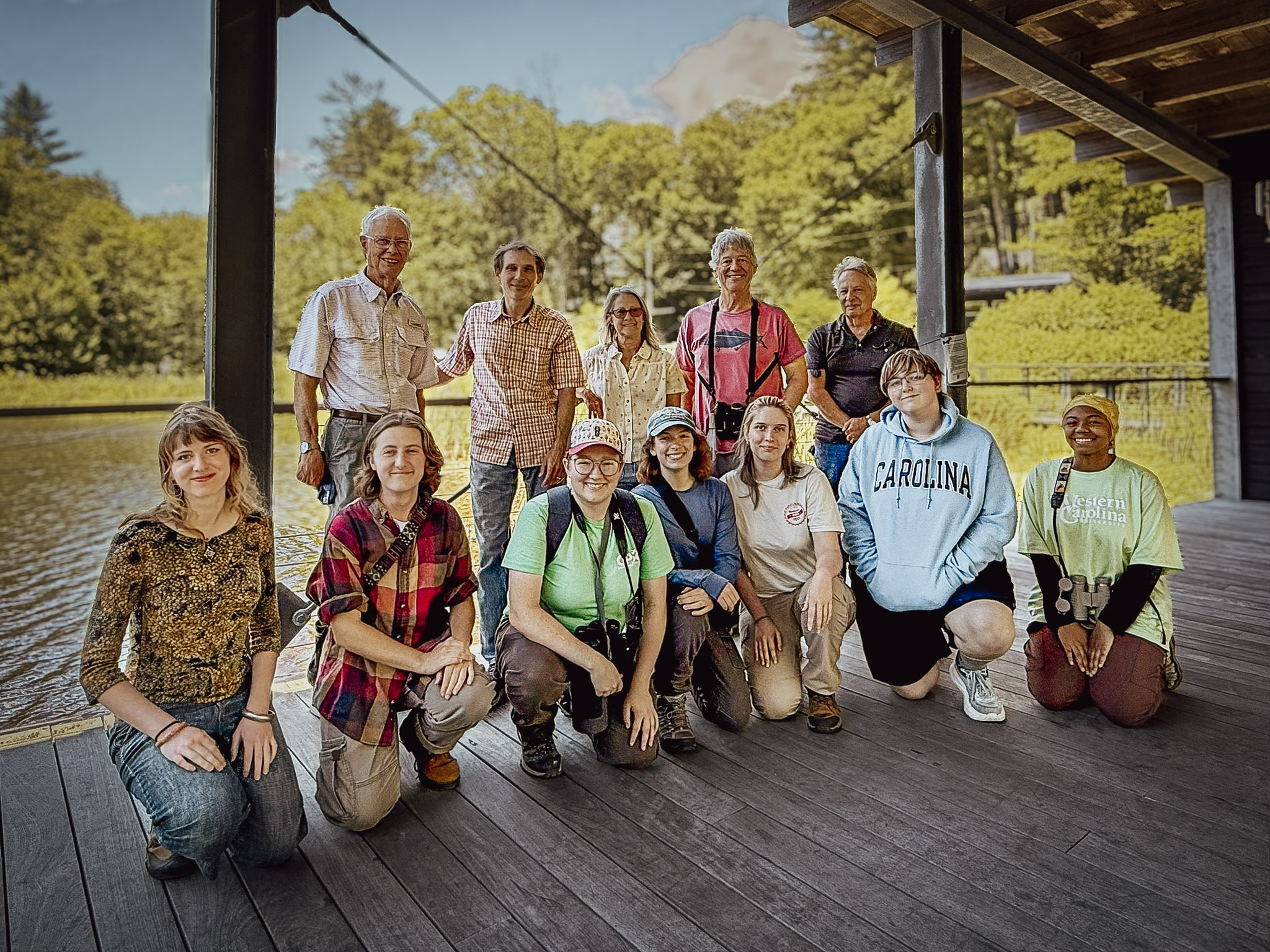
Seven of them are standing in the grass this morning thanks to the generosity of those who helped make the experience possible.
This is how the days tend to begin in Rob Bierregaard’s Biology and Conservation of Birds course at Highlands Biological Station: early, outdoors, and bent on paying attention.
Naming, Dr. Bierregaard insists, is only the entry fee.
The course is four credits compressed into two weeks, an immersion that runs from the field to the lab and back again. Students learn to identify birds by sight and by sound — but naming, Dr. Bierregaard insists, is only the entry fee. The real work is the question underneath it. Why does a bird choose this slope and not the next one? What is actually being said in a song, a flash of wing, a posture held a beat too long? How do anatomy and evolution and behavior add up to the life unfolding in front of you, if you know how to look?
Mornings carry the class out across the plateau and into the mountains around it — through hardwood forest, wetland, open meadow, and high, wind-scoured ridge. They census the birds at Mirror Lake and through the Station’s Botanical Gardens, counting the same ground day after day until the counting becomes a record. They practice recording vocalizations. They watch birds being banded and let go. On a good day the route climbs to the cliffs of Whiteside Mountain, where the students train their binoculars on the bare rock and wait for the hard, fast silhouette of a Peregrine Falcon. Perched on a high outcrop, the students often thrill to a very rare birds-eye view of the Peregrine slicing through the air above the forest and below the watchers.
Back on campus, the morning doesn’t end so much as change form. Field notes become a daily census. Recordings become spectrograms — sound made visible, the architecture of a single song laid out across a screen. Study skins and skeletons turn a bird inside out, showing how a body is built for the work it has to do. Students trace migration through a 17-year satellite-telemetry dataset following 108 Ospreys across the hemisphere, and feed local calls into sound-analysis software to take apart, note by note, what the birds outside had been saying all morning.
By the end, the syllabus has moved deliberately — from the deep history of how birds diversified, through the machinery of communication and migration, to the subject it has been circling the entire time: conservation.
Dr. Bierregaard, a retired research associate of the Academy of Natural Sciences of Drexel University, has taught the course here since 2002, and the materials carry the sediment of all that time. Among them is a note on how to choose a pair of binoculars, written by a student in the 2006 class after several maddening days trying to follow birds through a cramped, pocket-sized pair. You need both hands free for your binoculars, Dr. Bierregaard tells his students, which means you need clothes with enough pockets to carry a field guide and a notebook. The advice is half a joke. It is also entirely serious: seeing wildlife well takes patience, preparation, and the right tools, and the students who learn that early are the ones who keep seeing.
He has carried the same subject to younger readers, too, in his children’s book, Belle’s Journey, drawn from twenty years of his own osprey research. It follows Belle, an osprey hatched on Martha’s Vineyard, through the firsts that decide whether a young bird lives: her first flight, her first fish hauled from the water, and her first journey south. Two scientists in the story — Dr. B. and Dick — fit a fledgling with a transmitter and then follow wherever its signal leads, much the way the course’s own students trace tagged ospreys across a screen. Belle’s track runs more than 8,000 miles, all the way to Brazil and back.
In the classroom, that migration stops being an abstraction and becomes what it actually is: a remarkable feat of navigation and endurance, a journey that links patches of healthy habitat scattered across thousands of miles — and a reminder that protecting those places, all along the route, is what keeps a bird like Belle coming home.
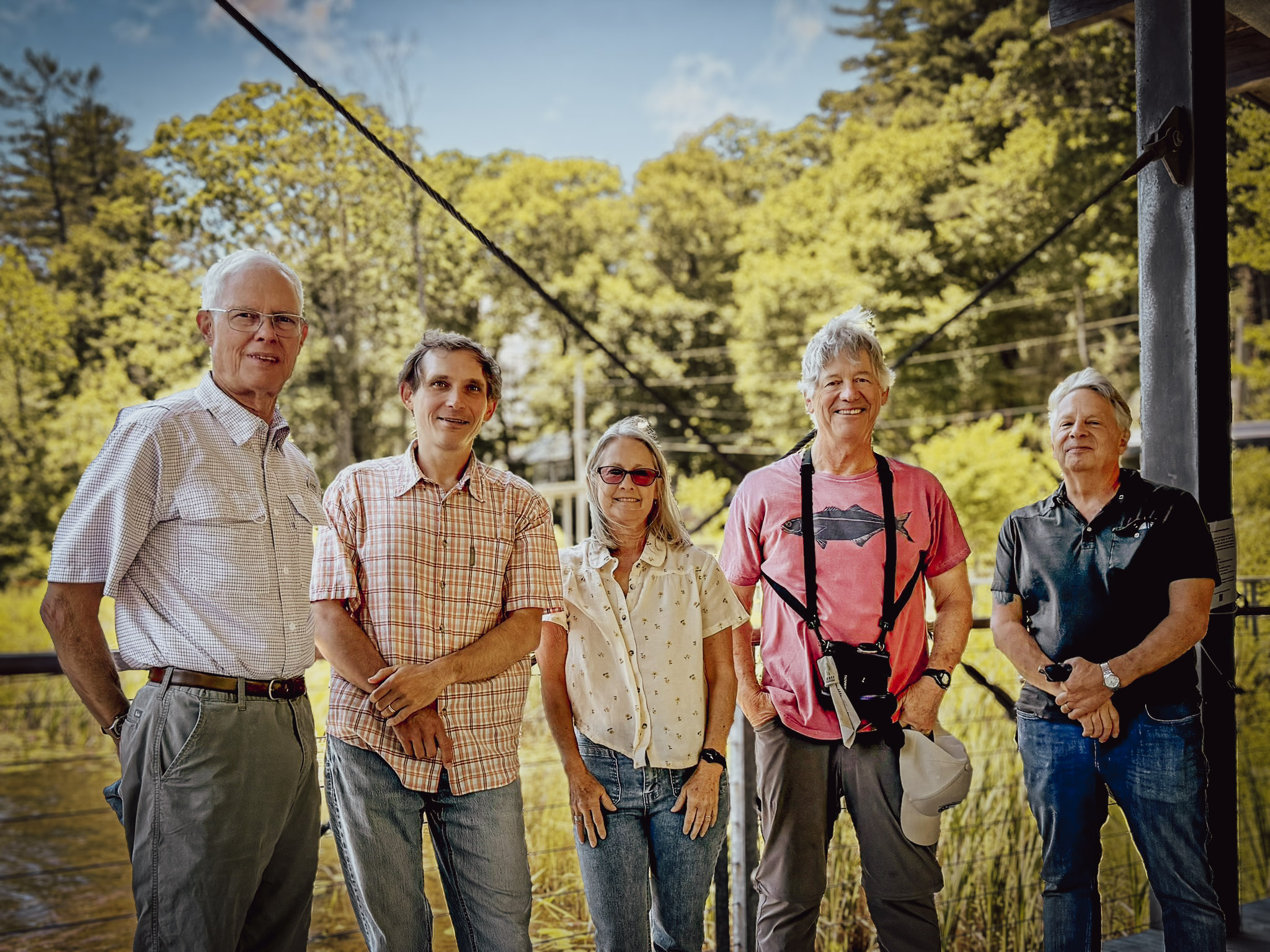
From left:Brock Hutchins, former president of Headwaters Bird Alliance; Jason Love, associate director of Highlands Biological Station; Melanie Vickers, current president of Headwaters Bird Alliance; Dr. Rob Bierregaard, instructor of Biology and Conservation of Birds; and Brent Martin, creative writing instructor, Highlands Biological Institute for the Environment.
On access
That is the weight beneath the birdsong — and it is why the seven scholarships matter.
The future of bird conservation and bird appreciation is in their hands.Melanie Vickers · President, Headwaters Bird Alliance
The 2026 recipients
- Kendal McKinsey PaulThe University of North Carolina at Charlotte
- Jeanavis PerryWestern Carolina University
- Evan WilkerThe University of North Carolina at Chapel Hill
- Rachael Hope RoyThe University of North Carolina at Chapel Hill
- Rachel PriceThe University of North Carolina at Chapel Hill
- Olivia MabryWestern Carolina University
- Atticus BoersmaWestern Carolina University
This year, Headwaters Bird Alliance — the local Audubon chapter, known until recently as the Highlands Plateau Audubon Society — covered the full $1,000 course fee for seven students. For Melanie Vickers, the alliance’s president, paying for the course follows directly from what the organization exists to do: help people enjoy and understand birds, and protect and restore the habitats those birds depend on. “Building the next generation of birders is a major priority for us,” she said, adding that the chapter wants that next generation to be a more diverse one.
For a student, a thousand dollars can be the difference between enrolling and staying home. The scholarships lift that barrier off an intensive field course — the kind of two weeks that can quietly redirect an academic path or a career. Some of these students will go on to become researchers, educators, land managers, conservationists, community leaders. Others will do something else entirely and still leave the plateau able to notice when an ecosystem is changing, and willing to say so.
That, Vickers said, is exactly the point — at a moment when birds are being pressed from nearly every direction at once: habitat loss, the collapse of insect populations under pesticides, collisions with glass, free-roaming cats, a warming climate. Funding students is a way to carry conservation past any single morning walk or evening program and into the future decisions of the people who will run the research, teach the classes, and sign off on what becomes of a piece of land.
It also reaches audiences that traditional bird walks don’t always attract. Community outings, Vickers noted, tend to draw established birders and retirees with flexible schedules. A scholarship reaches a college student instead, closing a generational gap and bringing new ideas into the work. The alliance is widening its range in other ways as well, carrying its programs beyond the Highlands Plateau into the Little Tennessee, Tuckasegee, and Chattooga river basins. Vickers hopes the partnership with the Station keeps growing, and keeps putting more students in the field.
By the last day, the students will have stacked up the evidence of two weeks: life lists, recordings, specimens, datasets, pages of field notes. They will know far more names than they did when they arrived. But the deeper change is the kind that is hard to write down.
A forest is no longer simply quiet or loud. It is layered — warning and courtship, contact call and territorial claim, a dozen conversations sounding at once, all of it suddenly legible. A bird overhead is no longer just a passing shape but an animal fully alive to weather and geography and the long journeys it makes. And a number in a census is no longer just a number, but a single line in a long and growing record — the kind that helps people know a place well enough to care for what makes it sing.
The scholarships pay for a course. What they actually buy is a way of paying attention — handed to people who might never otherwise have stood on the wet grass at 6:45 in the morning, learning to hear everything the forest had been saying all along.
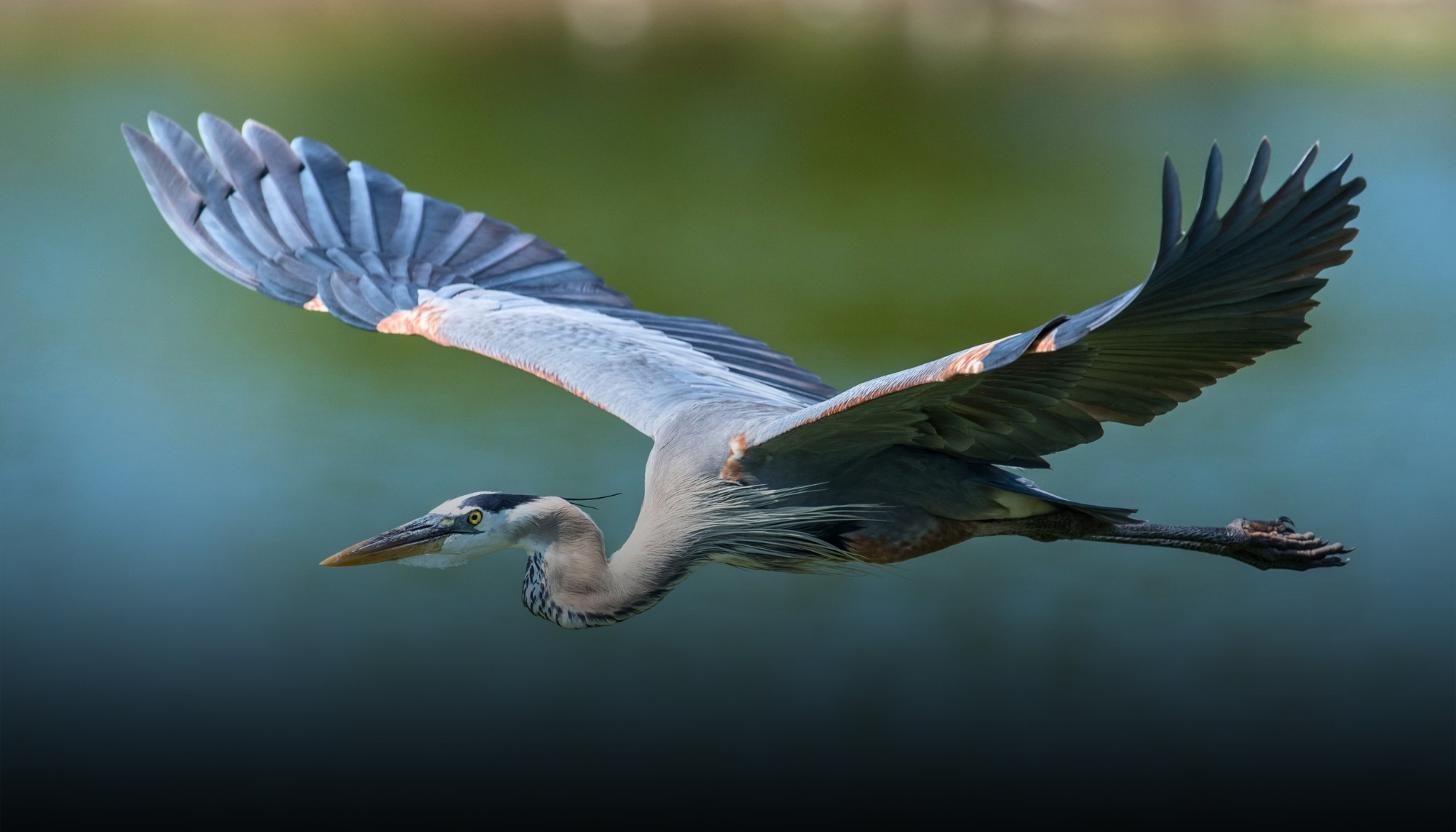
More from the Station
Field courses, public programs, and a season of discovery.
From ornithology to native plants, Highlands Biological Station runs hands-on courses and community programs all season long. Explore what’s coming up — and how scholarships and support help open the field to more people.
Explore upcoming programs