
Notes from the FieldNFF·008Field Notes
Field Notes from 2025: A Naturalist’s Postgrad Journey
After graduating, Research Assistant Hannah Shepard traded screens for trails — 100+ miles on the Appalachian Trail, spruce–fir summits, bat surveys, and her first green salamanders.
During her postgrad year as a Research Assistant at Highlands Biological Station, Hannah Shepard traded computer screens for mountain trails, banding stations, spruce–fir summits, and abandoned mines. Her reflection below captures the experiences that shaped her as a growing naturalist — more than 100 miles on the Appalachian Trail, memorable wildlife encounters, and the deep sense of belonging that comes from living and learning in the heart of the Southern Appalachians.
SubjectA postgrad field year — Highlands Plateau & beyond
In her own words
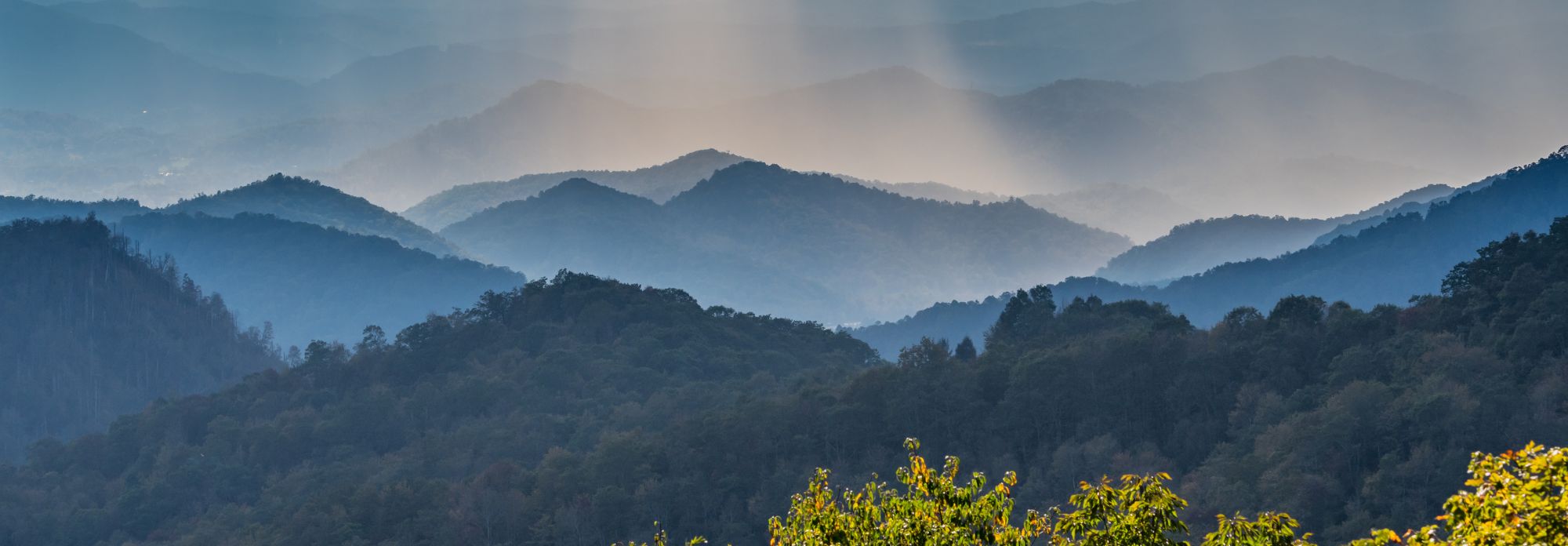
This year, I graduated college — and my postgrad path looked nothing like what I had imagined. I expected long days behind a desk, staring at a computer much like I had through the last four years. Instead, during my time as a Research Assistant at Highlands Biological Station, I stayed outdoors as much as possible, experiencing everything this region has to offer — from the highest peaks in the Southern Appalachians to the forgotten caves and mines beneath our feet.
A 2025 field tally
A year, waypoint by waypoint
Select a waypoint along the ridge to read that part of the year in Hannah’s words.
The tally100+ miles on the Appalachian Trail · countless spruce–fir summits · many new birding lifers across the Plateau, the Smokies, and Big Bald · one mother black bear and her cubs · and, at last, her first Green Salamanders.
After hiking more than 100 miles on the Appalachian Trail, making countless visits to the region's spruce–fir mountaintops, and spending many hours crouched — often awkwardly — in mines searching for bats, I can honestly say I explored as much as my legs could manage. As an avid birdwatcher, I added many new lifers both on the Highlands Plateau and beyond, including the Smokies and the Big Bald Banding Station. I watched the local mother black bear raise another litter of spirited, sometimes mischievous, cubs. And here in the salamander capital of the world, I finally spotted my first Green Salamanders — something I've been peeking into rock crevices for years hoping to find.
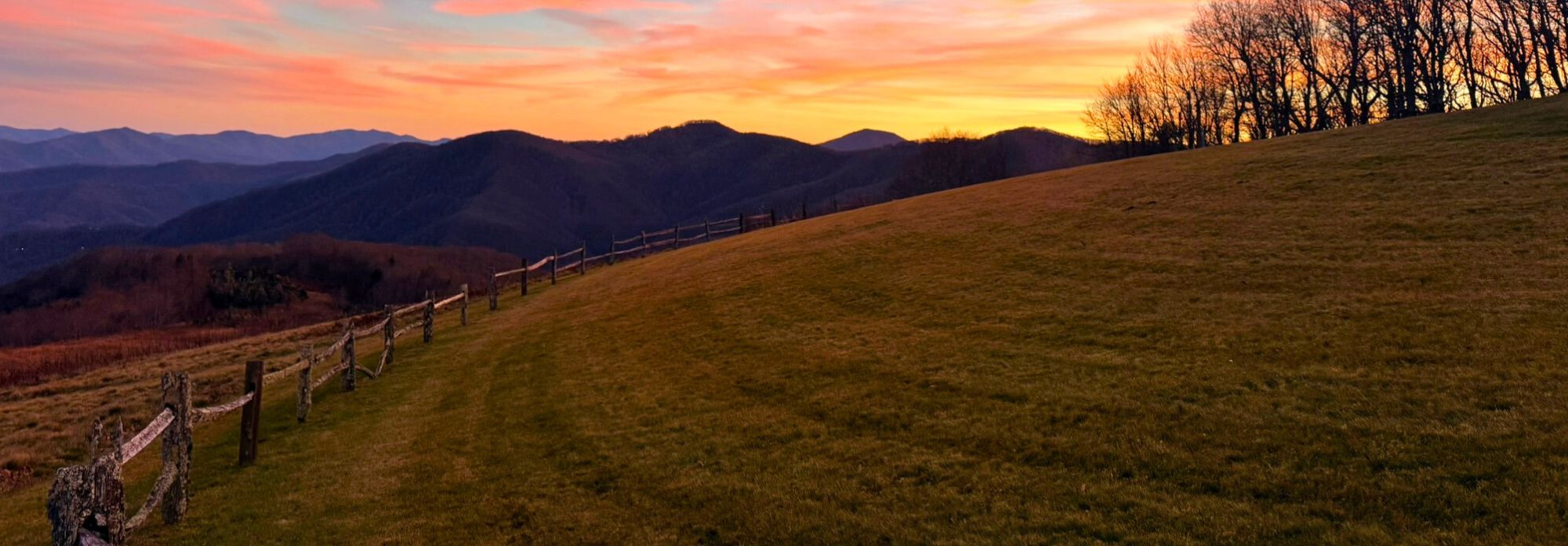
As my time here comes to a close, I'm leaving as a stronger naturalist, carrying memories that will stay with me forever. I am grateful for every quiet morning on the trail, every creature that trusted me enough to let me find it, every muddy field day, and every mentor who shaped this season of my life. As I prepare for what comes next, a piece of me will always remain in these mountains.
A piece of me will always remain in these mountains.
Hannah Shepard, Research Assistant
About the author
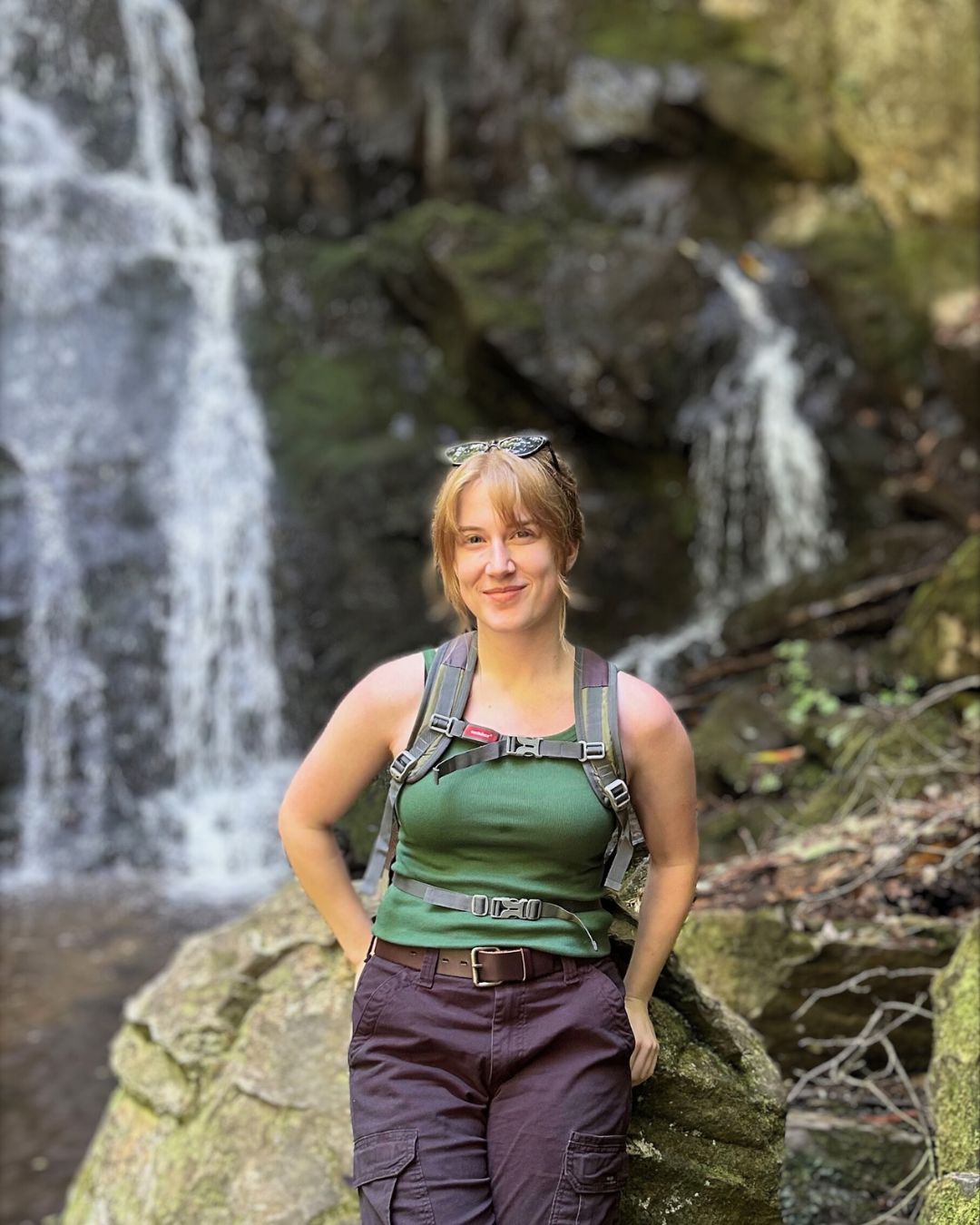
Hannah Shepard
Research Assistant, Highlands Biological Station
Hannah spent her postgrad year at Highlands Biological Station as a field-based naturalist — birding, surveying bats in mines and caves, and exploring the high peaks of the Southern Appalachians — deepening her field skills across the Highlands Plateau and beyond.
Keep exploring
More from the field
This reflection is part of Notes from the Field — researcher spotlights, current research, and field notes from Highlands Biological Station.
NFF·007 · Field NotesField Notes from 2025: Monitoring Bats in a Changing Appalachia
Research Assistant Adriana Kirk reflects on a season checking abandoned mines and caves for hibernating bats — from white-nose syndrome to a record count of 27 tricolored bats deep underground.
Notes from the Field is published by Highlands Biological Station, a center of Western Carolina University fostering research, education, and conservation in the southern Blue Ridge. Field reflection by Hannah Shepard. Published November 2025.