
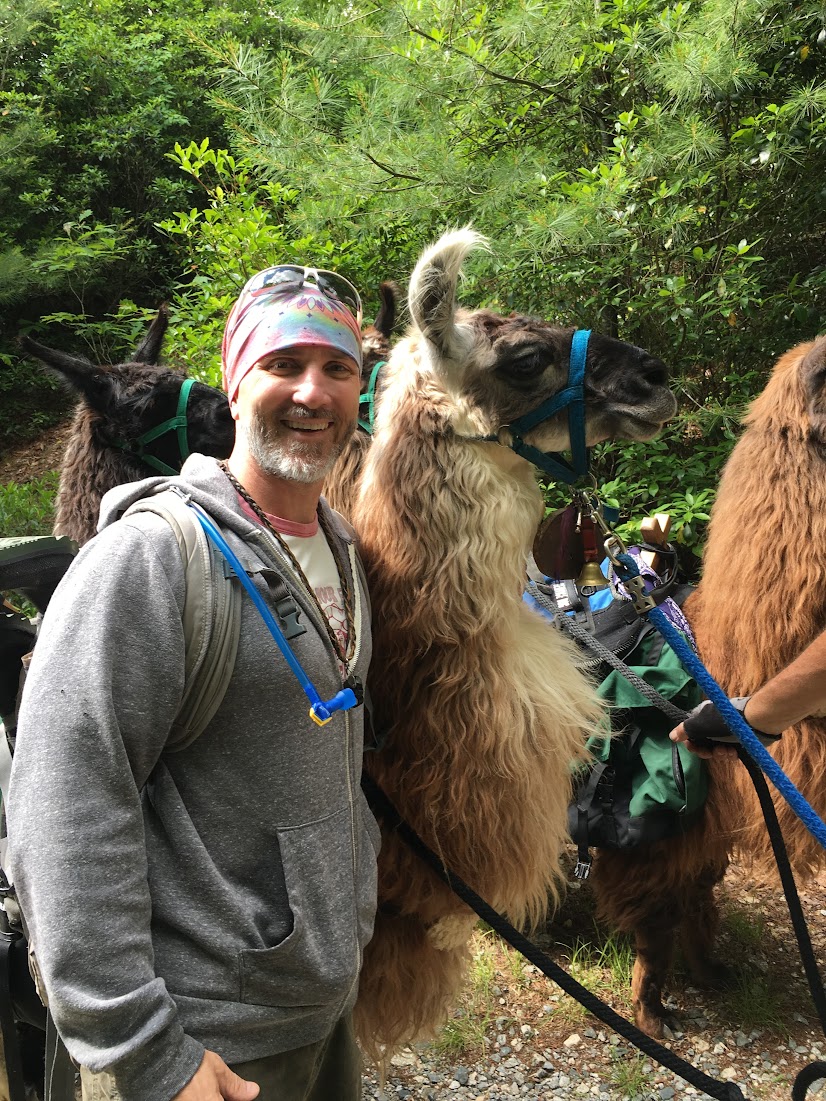
 Photograph courtesy of Joey Shaw
Dr. Joey Shaw: Plants, Plateaus, and a Passion for Teaching
Meet Dr. Joey Shaw — a plant lover, teacher, and researcher who splits his time between the University of Tennessee at Chattanooga and Highlands Biological Station. Each summer, Joey brings students into the forests, wetlands, and ridgelines of the Highlands Plateau to explore the region's incredible biodiversity. Whether he's helping students spot rare ferns on a trail or digitizing thousands of specimens back at UTC, his work is all about sharing the wonder of the natural world.
Subject Ferns, sedges & wetland flora — Highlands PlateauQ.01 · The path hereCan you tell us about your background and how it led you to both UT Chattanooga and Highlands Biological Station?
While in graduate school at UT Knoxville in the early 2000s, I first learned about the Station and hoped to take a class or visit, though I never had the chance. My first real opportunity came in 2008, when my friend and fellow grad-school mate, Dwayne Estes, was teaching a class on graminoids. At the same time, we were beginning work on the Guide to the Vascular Plants of Tennessee. I attended his class, and together we spent a week developing the first draft keys to groups and species.
That week I met Jim Costa and mentioned I'd love to find a way to teach at HBS. A couple of years later, I followed up. He knew me best for my molecular work and suggested a molecular methods course. I still remember telling him, “I'll teach whatever I need to in order to spend time at HBS — but I don't want to spend the whole week in a lab!” Jim then asked if I'd consider teaching a fern course. Coincidentally, I'd just written the fern keys for the Guide, so I enthusiastically agreed. I've had a foot in the door at HBS ever since.
Q.02 · Teaching & field sitesWhat courses have you taught at HBS, and how do you choose your field sites around the Highlands Plateau?
I began by teaching Biology and Identification of Ferns every other year. Wanting to come annually, I later proposed Field to Database: Collecting Biodiversity Data in the Age of Global Digitization, which emphasized field collection, pressing and mounting specimens, and digitizing them for global data portals. Much of that class kept me indoors, though, and I realized I wanted more outdoor teaching time.
So in 2024 I launched the Wetland Plant Identification Workshop. Students ranged from beginners — some learning what a petal was — to advanced botanists eager to tackle the toughest groups, like sedges and rushes. The next year, by request, I introduced the Sedges Plant Identification Workshop. It filled immediately, with such a long waitlist that we offered it twice back-to-back that summer. For all of these, I choose field sites that maximize the diversity of species students can encounter. Panthertown Valley is one of my favorites — a biodiversity hotspot with ferns, woody plants, sedges, and a mix of upland, forest, and wetland habitats.
Q.03 · Current projectsAre there any current projects you're particularly excited about?
This year I completed the Second Edition of the Guide to the Vascular Plants of Tennessee, now submitted to UT Press. Working on both editions has been an incredible journey, shaped by mentors, colleagues, and countless students. Throughout, I've tested draft keys with hundreds of students at UTC and HBS. Watching them use and interpret the keys is invaluable — it shows what works, what needs refinement, and ultimately makes the keys more accurate. That collaborative back-and-forth has been one of the most rewarding parts of my work.
Teaching, learning, and conserving plant species and habitats is what drives me.
On the plateau
In the field
Joey Shaw at work and at home in the Highlands landscape. Select any photograph to view it larger; use the arrow keys to move between frames.
Photographs courtesy of Joey Shaw.
Q.04 · Two homesHow does your work at Highlands Biological Station compare with your work at UTC?
Honestly, this question made me realize I approach my work the same way wherever I am. Teaching, learning, and conserving plant species and habitats is what drives me — especially since botany is so often overlooked in education and underfunded in conservation. Whether I'm at UTC, HBS, or directing the Spring Wildflower Pilgrimage in the Smokies, a role I've held since 2015, I'm always working to share knowledge, inspire curiosity, and encourage people to care about plants and their ecosystems.
Q.05 · The field stationWhat do you enjoy most about teaching at a field station like HBS?
I could write pages on this. Since my very first visit, I've loved HBS — not just the landscapes and biodiversity, but the people who make it special. There's something restorative about pulling into the Station parking lot, knowing you have a week or two ahead dedicated to learning, teaching, and growth. It's hard work, yet somehow low-pressure at the same time, and that balance is rare.
The setting adds so much: high-elevation habitats, lush biodiversity, cool summer temperatures, and the surrounding protected lands. But ultimately, it's the atmosphere of community and shared purpose that makes HBS so rewarding.
Q.06 · StudentsHow do your students — at UTC or HBS — shape or inspire your research and teaching?
My work is highly feedback-driven, and students are central to it. Writing plant descriptions and identification keys is one thing; watching students apply them is another. Their successes confirm my language, and their missteps show me where to refine. Each class is a chance to test, improve, and retest, making my work more accurate and accessible over time. Beyond that, it's simply inspiring to spend time with people eager to deepen their understanding of the natural world.
Q.07 · Looking aheadWhat questions in botany or ecology are you most eager to explore?
Students have already asked me to expand into other challenging groups — like flat sedges or members of the sunflower family. Developing workshops around them would serve students and push my own research further. I'm also interested in making plant species and habitats more approachable to broader audiences. Assigning ecological ranks — for habitat conservatism, threat level, or invasiveness — could help people without decades of training tell the difference between the plants of a rare high-elevation bog and those in a thicket behind a shopping mall. Ultimately, I want to bridge the gap between technical botany and public understanding, so more people can appreciate the ecological stories plants tell.
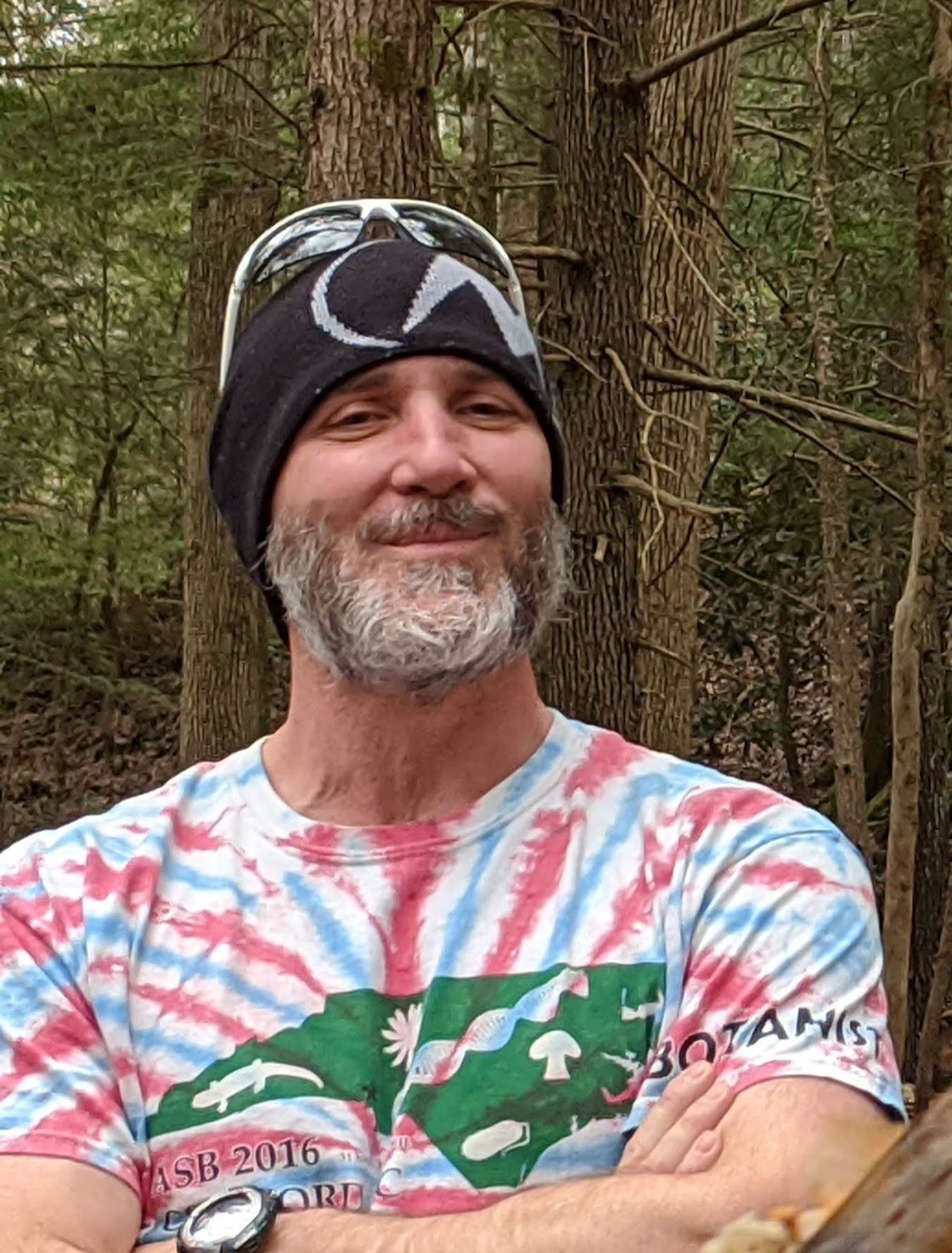
Dr. Joey Shaw
Botanist · University of Tennessee at Chattanooga & HBSJoey teaches field botany at Highlands Biological Station — ferns, wetland plants, and sedges — and recently completed the second edition of the Guide to the Vascular Plants of Tennessee. He directs the Spring Wildflower Pilgrimage in the Great Smoky Mountains and works to make plant identification accessible to students and the public alike.
Keep exploring
More from the field
This spotlight is part of Notes from the Field — researcher spotlights, current research, and discoveries from Highlands Biological Station.