
Research · Labs, Library & Collections
Labs, library & collections
Four buildings of teaching and research space, an equipment inventory from tape measures to automated stream samplers, a library of regional science, and the HBS Herbarium.
4 buildingsRooms from $20/day~3,000 herbarium specimens
01 · Labs & rooms
Four buildings, by reservation
Teaching labs, research rooms, a molecular lab, an aquatics facility and seminar space, open to visiting researchers and classes. Rates are per building.
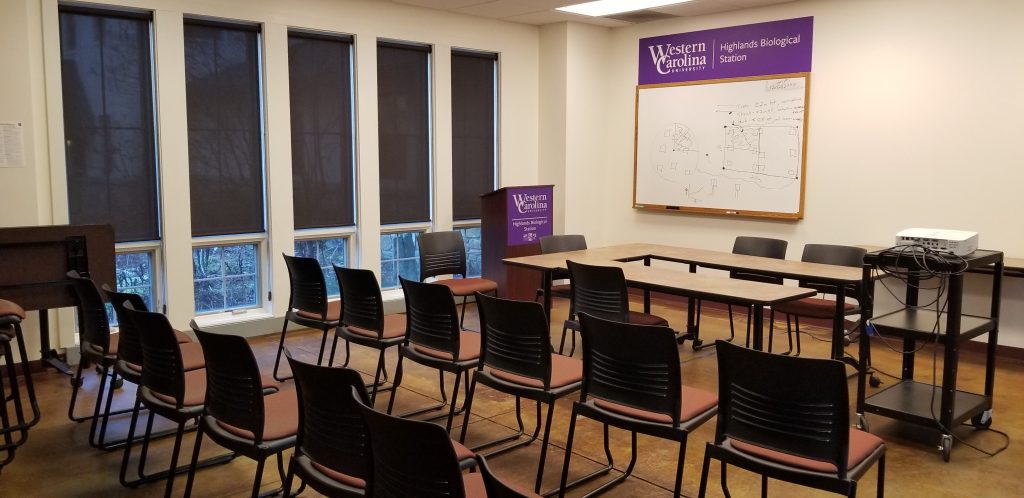
William Chambers Coker Laboratory
- Seminar Room: seats 20 at tables, up to 30 without; projector, whiteboard
- Room 104: 8 for labs, 12 for lectures; microscopy setup with sink and pull-down power
- GIS Lab: 10–16 seats; projector, 50″ screen, map collection
- Research Lab: 5–6 stations; environmental chamber, DI water, fume hood
- Teaching Lab: 12 stations; fume hood and video-microscope system
- Research offices for 2–3, with microscopes on request
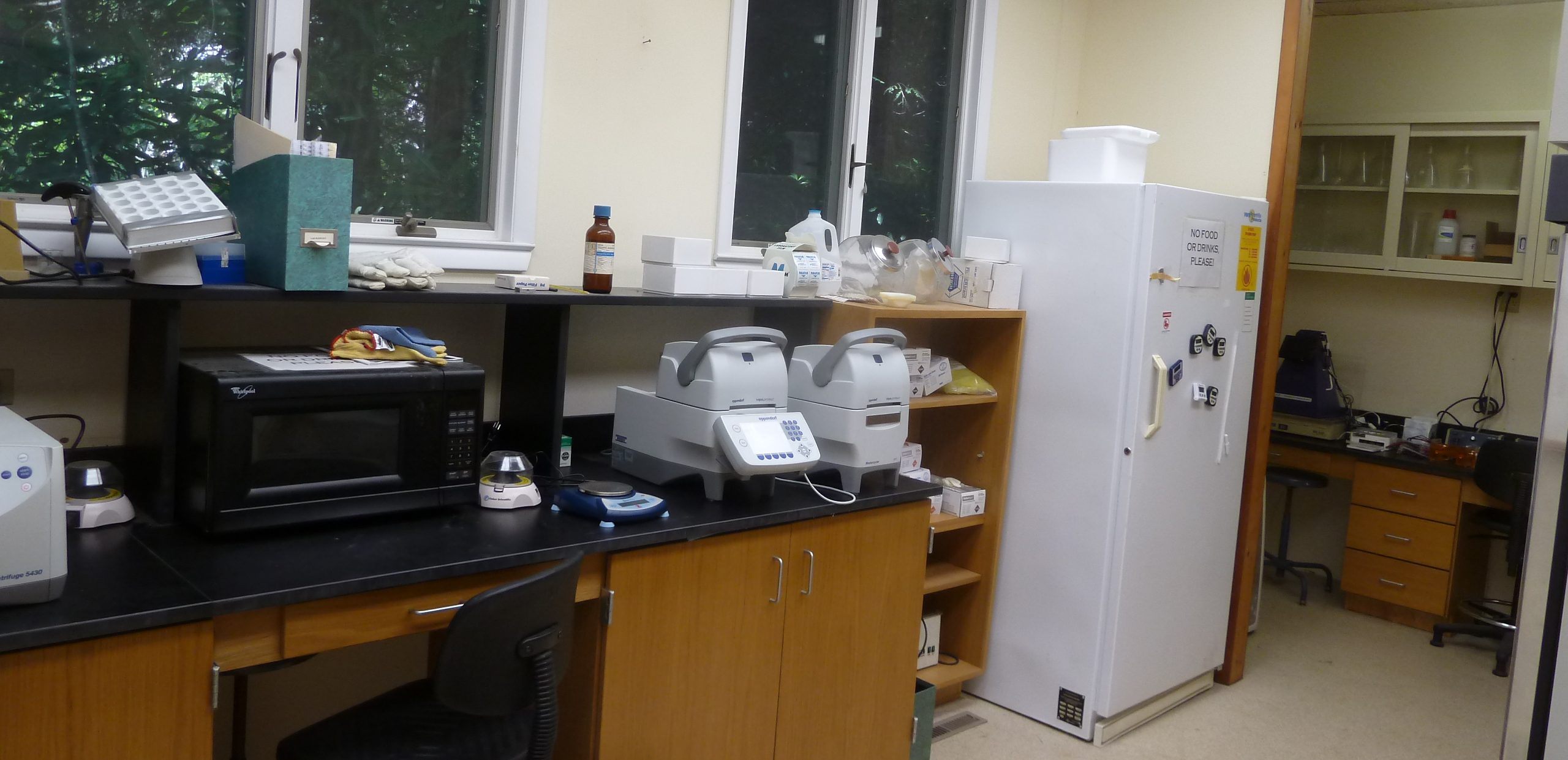
Bruce Biodiversity Building
- Classroom: 12 for labs, up to 20 for lectures; projector, video-microscope system, kitchenette
- Treehouse Molecular Lab: about 8 seats; DNA/RNA extraction, quantification, PCR, visualization and cloning
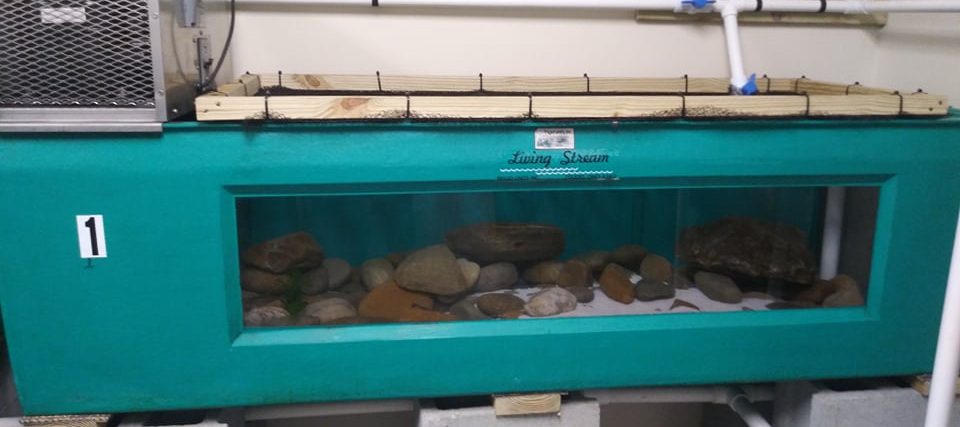
Maintenance Shop & Aquatics Lab
- Aquatics Lab: 4 stations, fridge and sink
- Tank Room: six 140-gallon Living Streams with chillers, plus shelving for smaller tanks
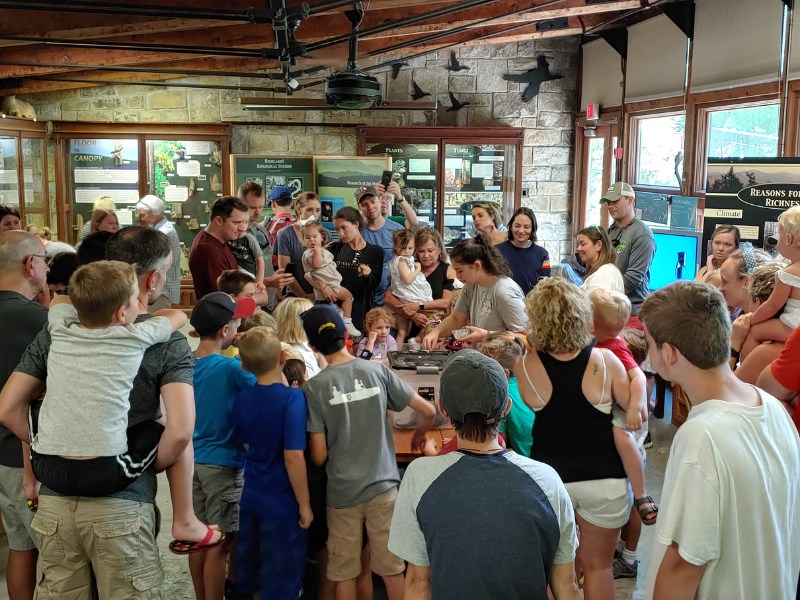
Clark Foreman Museum
- Limited research space on the lower level of the Highlands Nature Center, by inquiry
02 · Equipment
Lab & field equipment
From analytical balances to automated stream samplers and PIT tag readers. Mention your intended use when you reserve.
Estimate daily costs
Estimated total$0Pick rooms and equipment above.
Rates as listed on this page. Many field items (nets, presses, traps, GPS units) carry no fee or mixed pricing; ask when you reserve.
03 · E. E. Reinke Library
The Reinke Library
Field guides, ecology texts, theses, dissertations and archival material on southern Appalachian biodiversity, for students, visiting scholars and curious naturalists.
The library honors Dr. Edwin Eustace Reinke (1885–1970), a Vanderbilt University biology professor and the Station’s first director, who began the summer field program in 1927. His donated book collection seeded the library when HBS was formally established in 1929. The catalog is searchable online and materials are for in-library use.
04 · Collections
Research & teaching collections
HBSH
The HBS Herbarium
About 3,000 specimens of southern Appalachian flora, including late 19th- and early 20th-century collections from what is now Great Smoky Mountains National Park and the Wheeler Collection from the Biltmore Estate Herbarium.
Search HBSH in SERNEC ↗Living collections
The Botanical Gardens
Native vascular and non-vascular plants across cove forest, upland woods, riparian and wetland habitats, with rock outcrop, moss, fern and ethnobotanical gardens.
Living Collections Policy (PDF)Reference
Other collections
Teaching and reference collections of regional moths, lichens, aquatic insects, land snails, bird and mammal skins, fish, minerals and maps, now being databased.
05 · Reserve