
Events
-
-
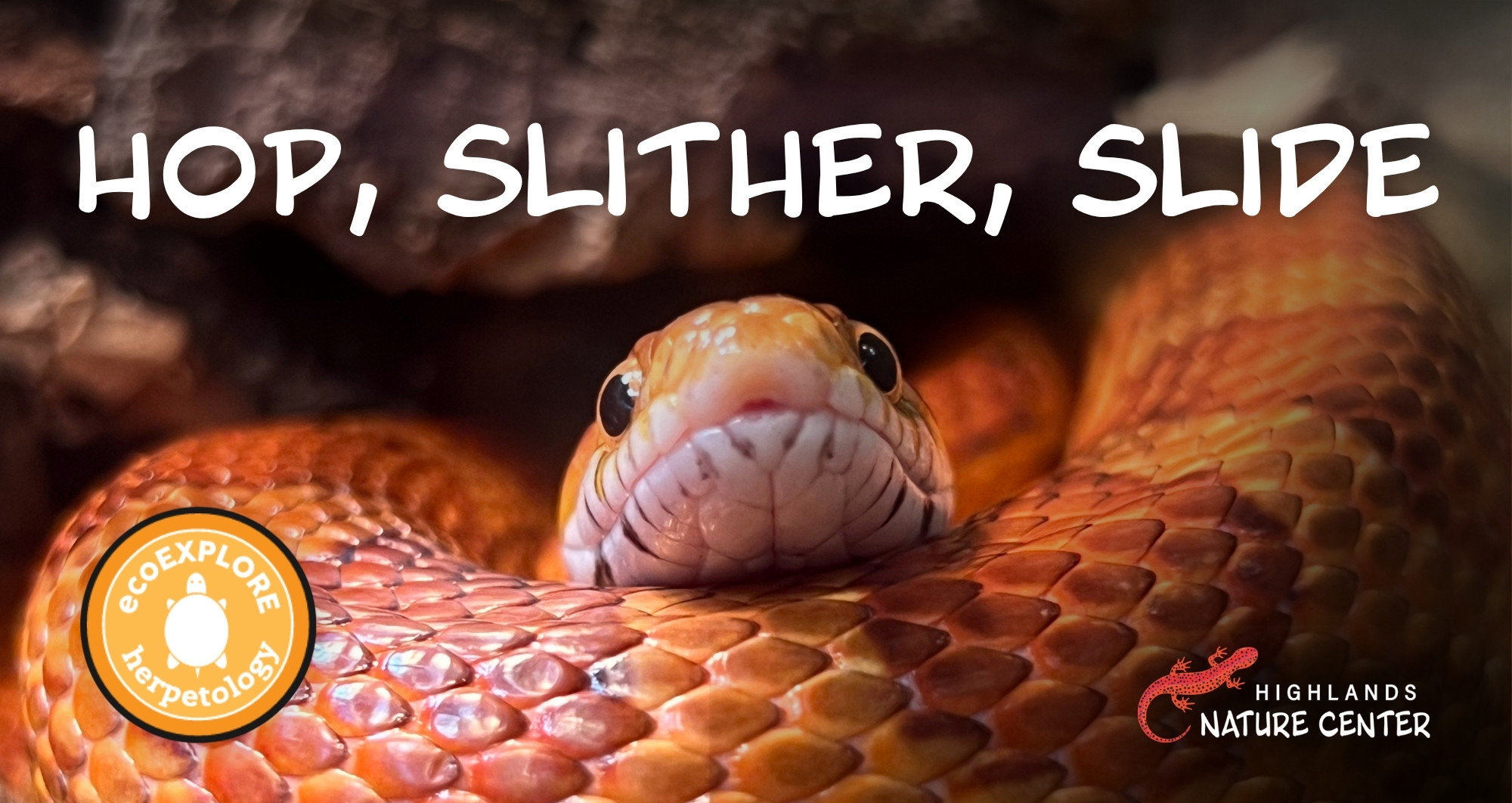
Hop, Slither, Slide!
Highlands Nature Center 930 Horse Cove Rd., Highlands, NC, United StatesMay begins Herpetology Season! Hop, slither, or slide down to the Highlands Nature Center to learn about the reptiles and amphibians we share the world with. Connect with one of […]
Free -
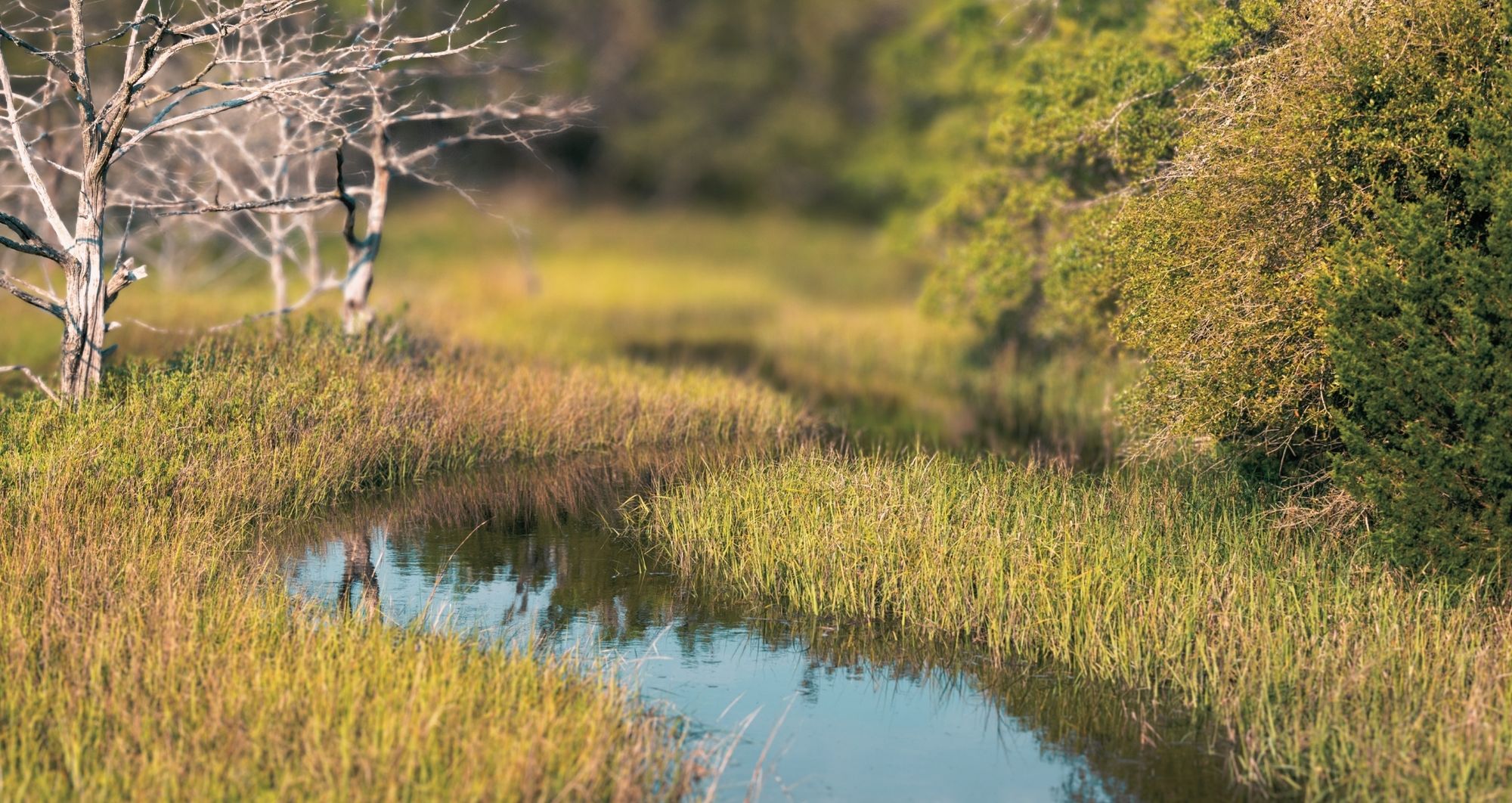
Identification and Conservation of Wetland Plants
Highlands Biological Station 265 North 6th St, Highlands, NC, United States2 Credit Hours May 25–29, 2026 Instructors: Dr. Joey Shaw, UT-Chattanooga This course is designed for anyone wishing to strengthen their skills in observing, collecting, identifying, and assessing the ecological […]
$500 -
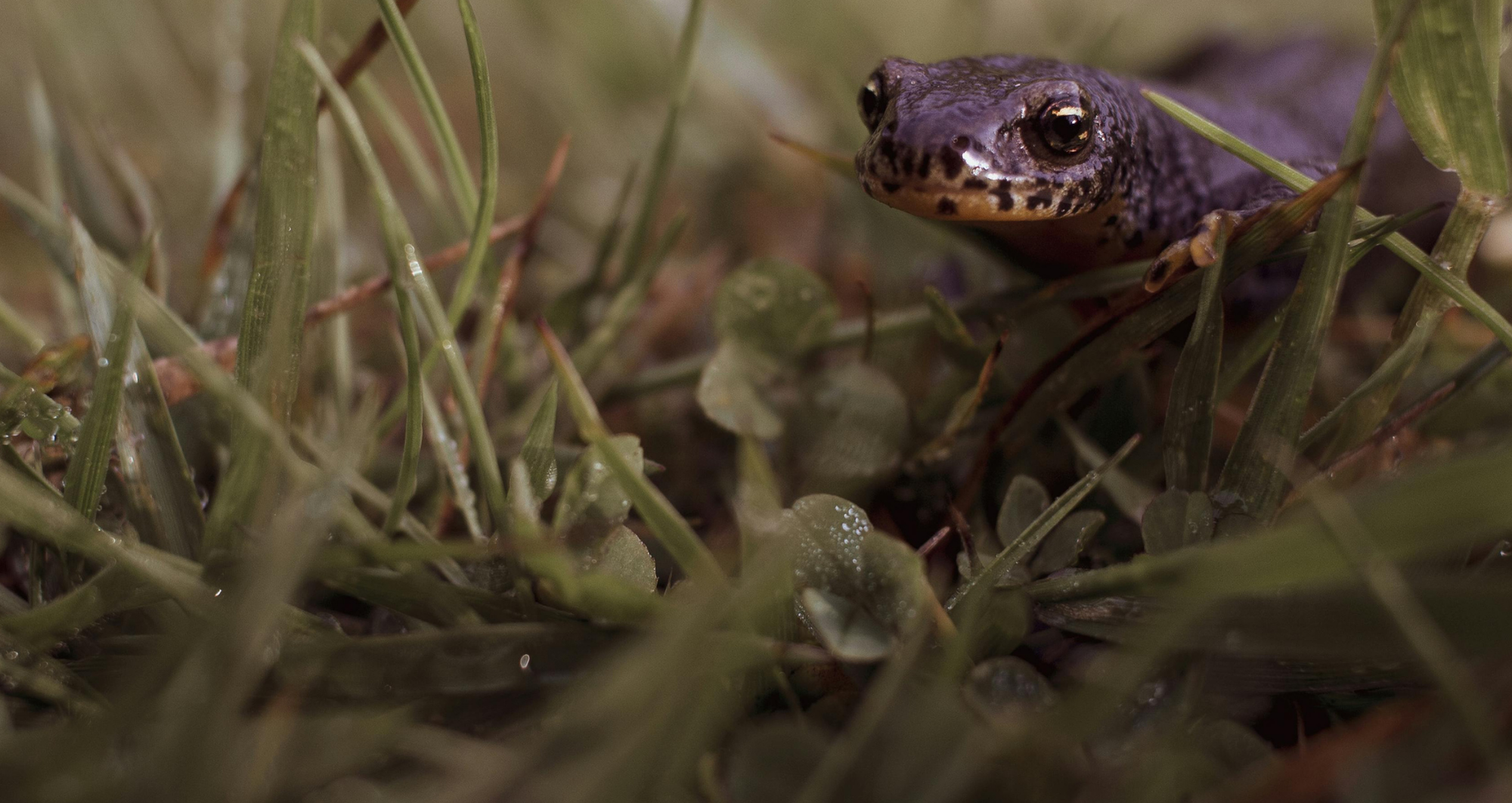
Biology of Southern Appalachian Salamanders
Highlands Biological Station 265 North 6th St, Highlands, NC, United States4 Credit Hours May 25 – June 5, 2026 Instructors: Kenneth H. Kozak, Ph.D. (University of Minnesota) & Joseph H. K. Pechmann, Ph.D. (Western Carolina University) The Southern Appalachians are […]
$1000 -
-
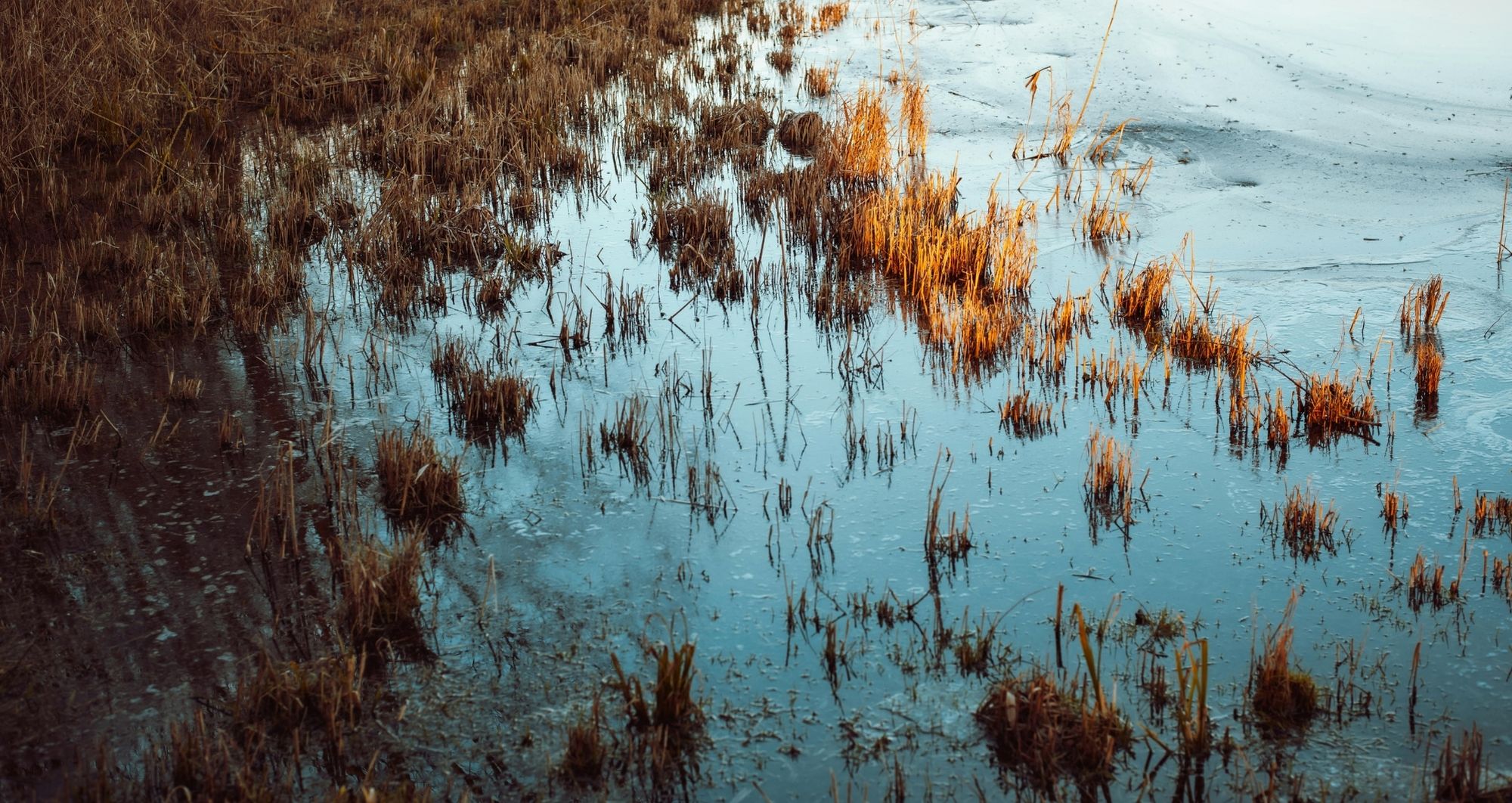
True Sedge Workshop: A Weeklong Dive into the Genus Carex
Highlands Biological Station 265 North 6th St, Highlands, NC, United States2 Credit Hours June 1–5, 2026 Instructors: Dr. Joey Shaw, UT-Chattanooga True sedges are famously challenging to identify. With numerous species often growing side by side in the same microhabitats, […]
$500 -
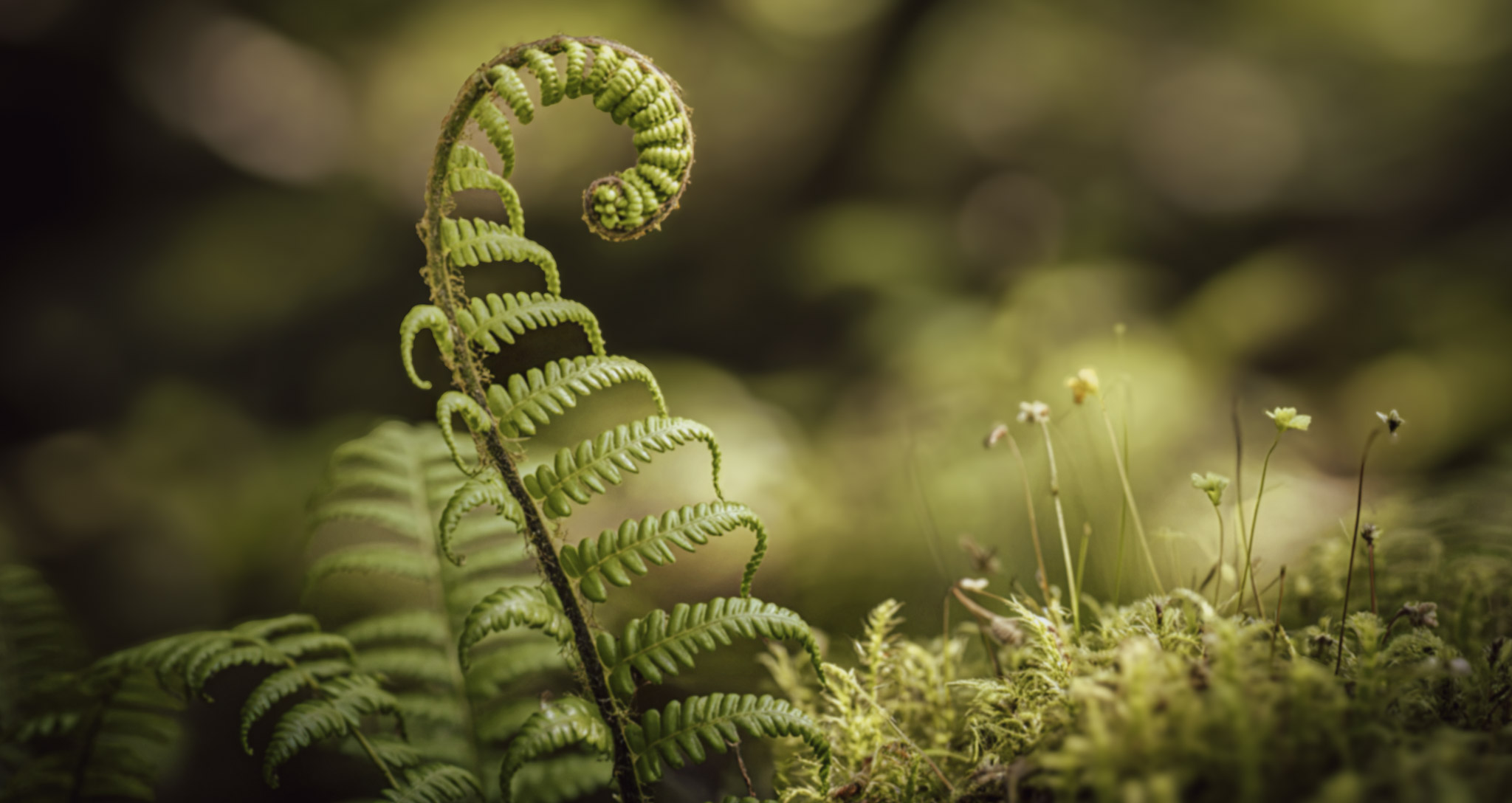
Botany Bootcamp
Highlands Biological Station 265 North 6th St, Highlands, NC, United StatesBotany Bootcamp June 1, 2026 | 9:00 AM – 4:00 PM Instructor: Dr. Paul Manos, Duke University Botany Bootcamp is an engaging, hands-on workshop designed to introduce participants to the remarkable […]
$100 -
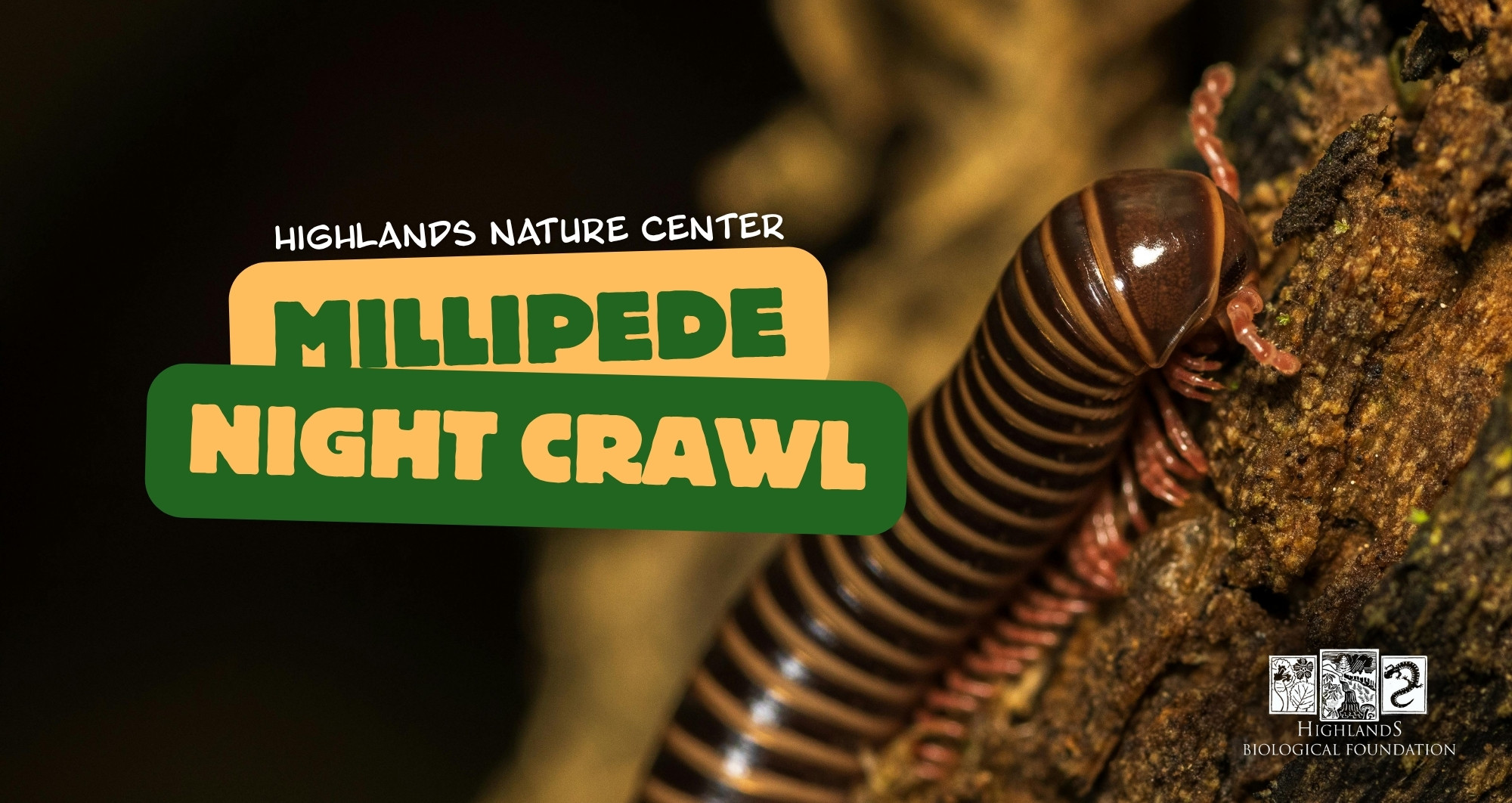
Millipede Night Crawl
Highlands Nature Center 930 Horse Cove Rd., Highlands, NC, United StatesCreep into the nighttime world of one of the forest’s most fascinating decomposers! Join our Naturalists for a closer look at millipedes as we explore the forest floor and discover […]
Free -
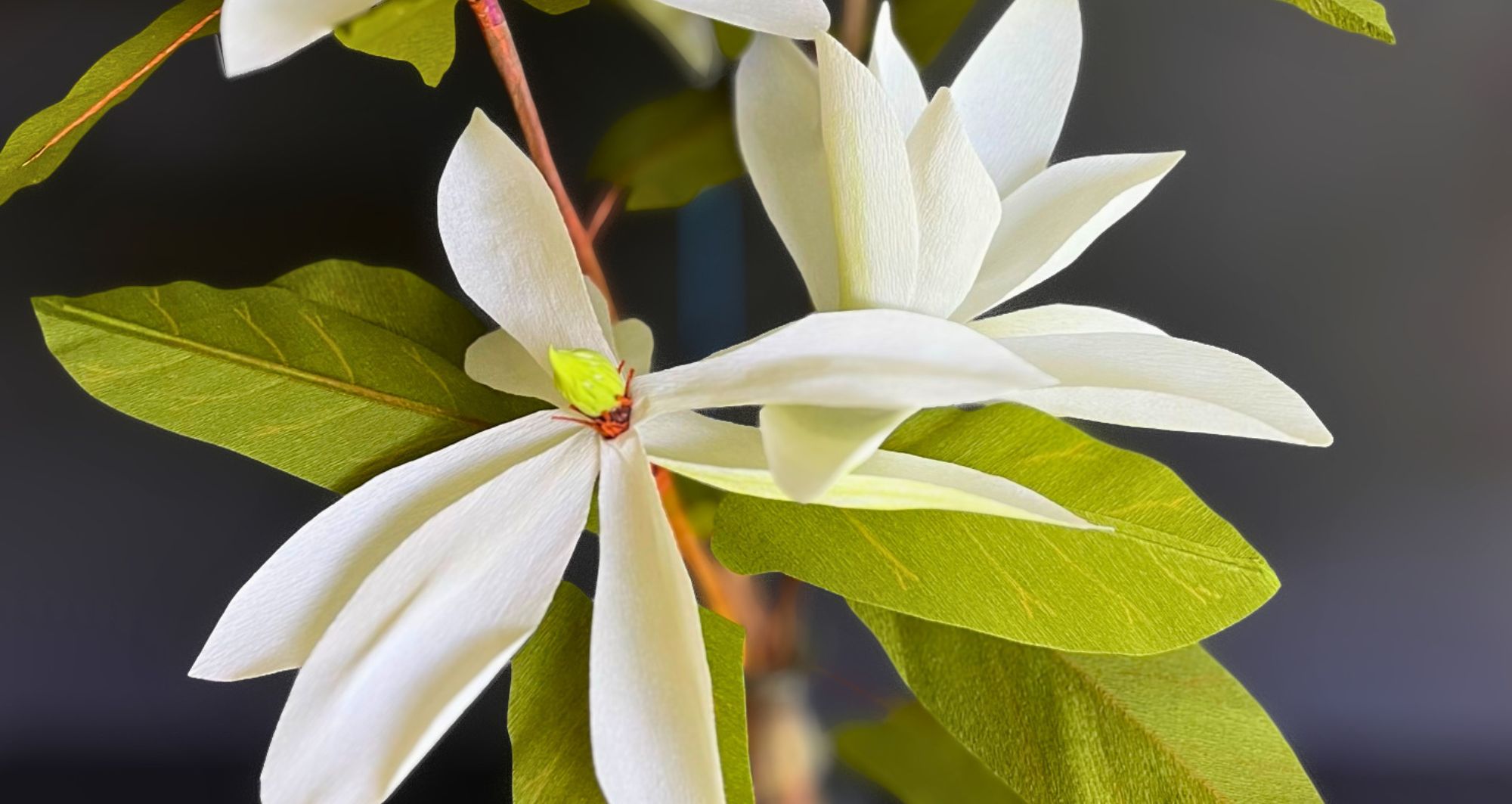
Paper Botanicals – Fraser’s Magnolia
Highlands Biological Station 265 North 6th St, Highlands, NC, United StatesPaper Botanicals – Fraser’s Magnolia June 4, 2026, 9:00AM - 3:30PM Instructor: Cynthia Woodsong Celebrate the beauty of one of the Southern Appalachians’ most distinctive trees in this hands-on botanical art […]
$100 -
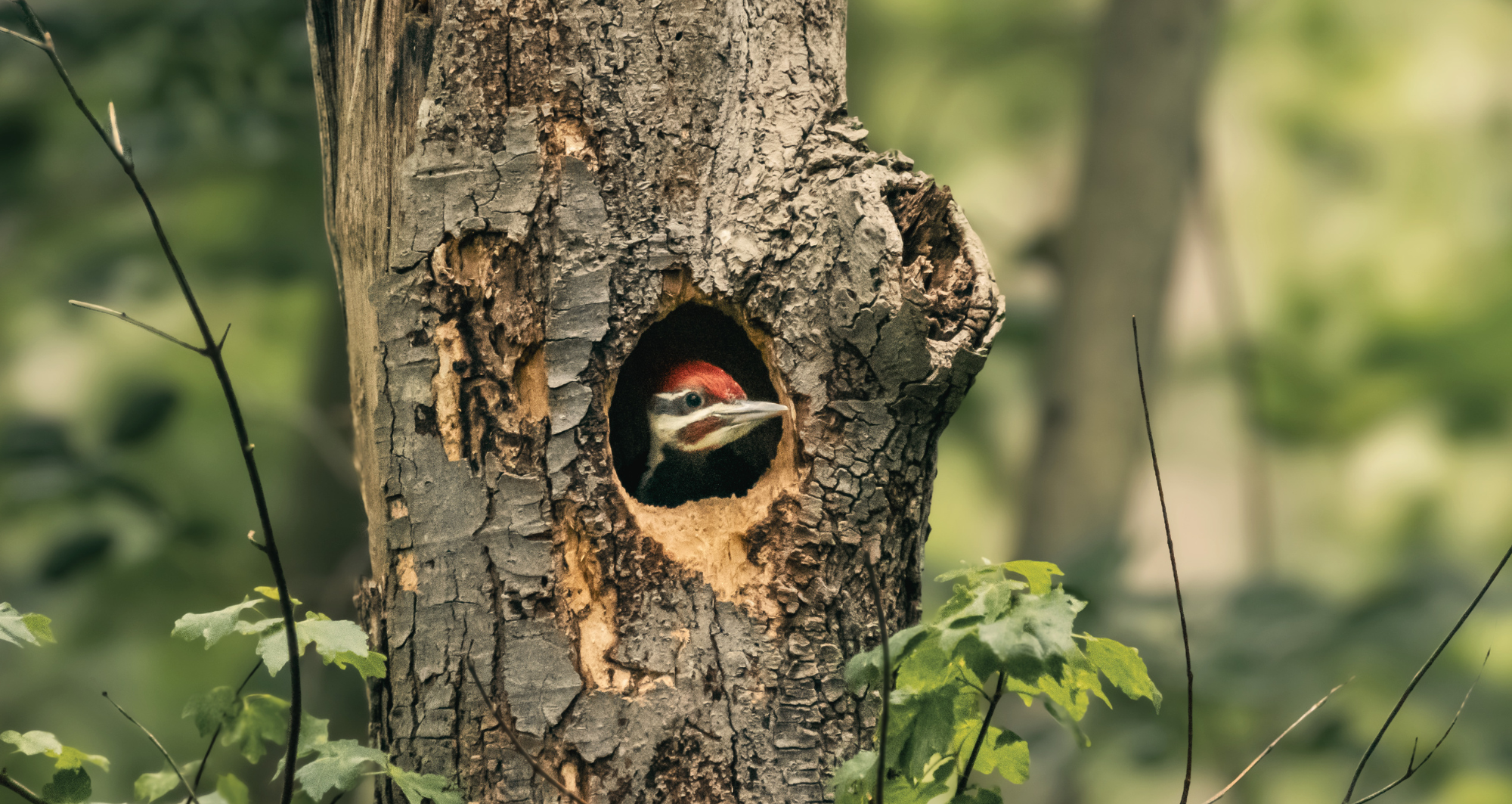
MAPS Bird Banding at HBS | June 5
Highlands Biological Station 265 North 6th St, Highlands, NC, United StatesJoin Highlands Biological Station and the Blue Ridge Bird Observatory for a morning of bird banding as part of the MAPS, or Monitoring Avian Productivity and Survivorship, program. Established at […]
Free -
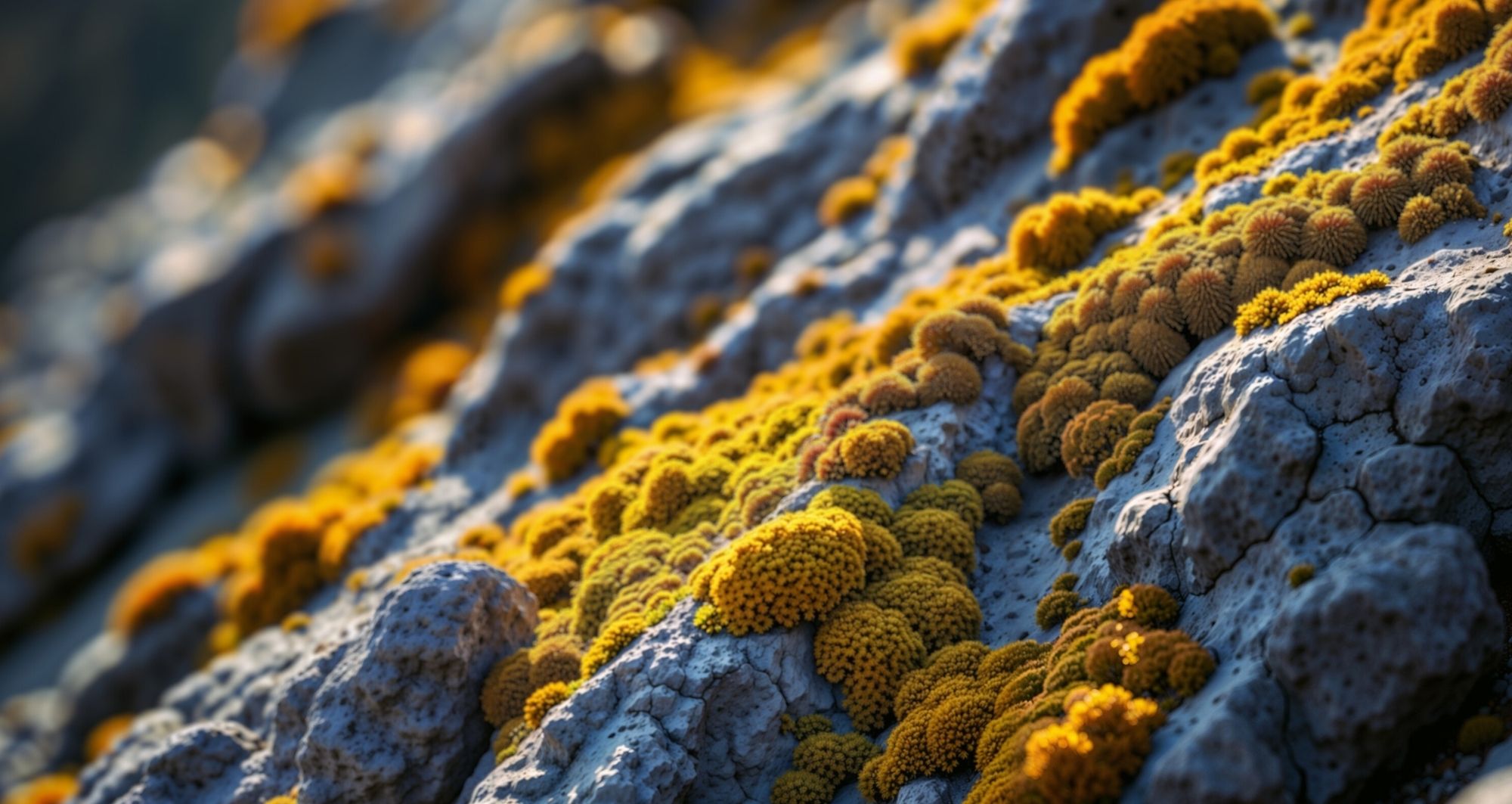
Rock Outcrop and Cliff Ecology
Highlands Biological Station 265 North 6th St, Highlands, NC, United States2 Credit Hours June 8–12, 2026 Instructors: Dr. Laura Boggess, Mars Hill University & Mr. Gary Kauffman, USFS (Emeritus) Cliffs and rock outcrops are among the most striking and ecologically […]
$500 -
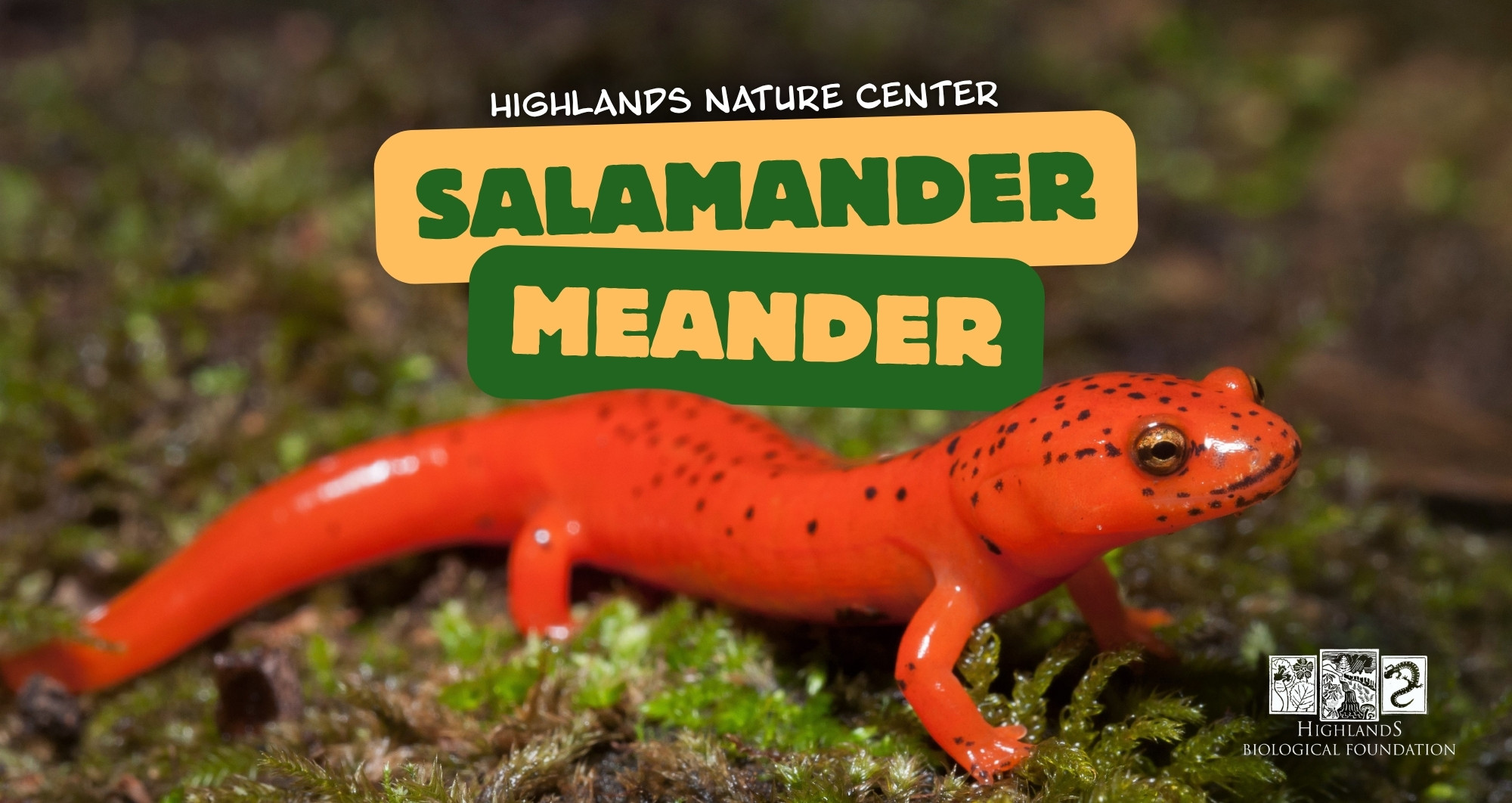
Salamander Meander
Highlands Nature Center 930 Horse Cove Rd., Highlands, NC, United StatesVenture out after dark in search of one of the Plateau’s most elusive amphibians! Join our Naturalists as we explore cool, damp habitats and uncover the quiet lives of salamanders […]
Free
Recent Comments