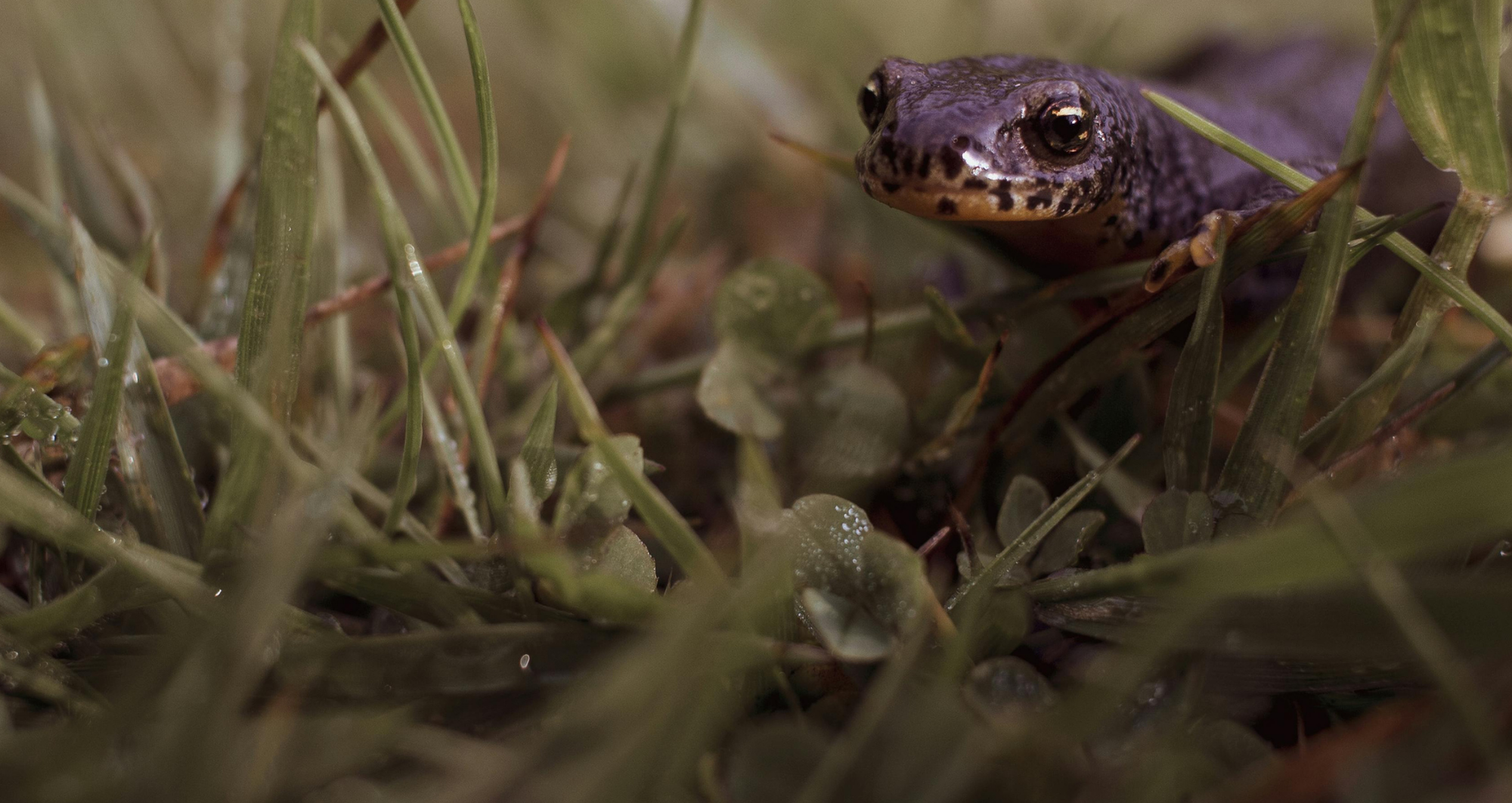

• Biology of Southern Appalachian Salamanders

    Highlands Biological Station 265 North 6th St, Highlands, NC, United States

    4 Credit Hours May 25 – June 5, 2026 Instructors: Kenneth H. Kozak, Ph.D. (University of Minnesota) & Joseph H. K. Pechmann, Ph.D. (Western Carolina University) The Southern Appalachians are home to one of the richest and most ecologically significant salamander assemblages on Earth. This immersive field- and lab-based course introduces students to the extraordinary diversity, biology, and evolutionary history of these remarkable amphibians. Through a blend of lectures, guided discussions, hands-on laboratory work, and targeted field excursions across multiple Appalachian mountain ranges, students will explore foundational and advanced concepts in evolutionary biology and ecology. Topics include reconstructing evolutionary histories, species concepts and delimitation, life-history variation, population and community dynamics, and the role of salamanders in forest ecosystems. Readings from primary literature will deepen understanding of current research and methodologies. Students will gain experience identifying regional taxa, conducting field and laboratory analyses, and interpreting evolutionary and ecological data—while engaging directly with the landscapes that make the Southern Appalachians a global hotspot for salamander diversity. Prerequisites: Introductory biology, ecology, or evolution, or permission of the instructors.

    $1000
  • True Sedge Workshop: A Weeklong Dive into the Genus Carex

    Highlands Biological Station 265 North 6th St, Highlands, NC, United States

    2 Credit Hours June 1–5, 2026 Instructors: Dr. Joey Shaw, UT-Chattanooga True sedges are famously challenging to identify. With numerous species often growing side by side in the same microhabitats, reduced and specialized floral structures, unique terminology, and diagnostic features that may rely on very small measurements—or even mature material—students of botany can easily feel overwhelmed. It is no surprise that sedges are among the plant groups learners struggle with most. This course focuses on two primary goals: Building fluency in sedge terminology and learning how to confidently apply and interpret that terminology when using identification keys. Understanding the key characteristics that distinguish the many taxonomic sections of the genus Carex—the largest and most complex sedge genus—as well as how to separate Carex from other spring-flowering sedges. Using herbarium specimens, newly collected material, and additional plant samples provided in class, we will assemble an in-room reference collection organized by genus and Carex section. This hands-on approach allows students to compare specimens directly, reinforcing both visual recognition and taxonomic concepts. This workshop is designed to strengthen identification skills and build confidence in working with this large and intricate group of plants. For most participants, our focus will remain at the level of distinguishing Carex sections rather than resolving species-level identifications—though students wishing to work at the species level are welcome and encouraged to do so!

    $500
  • Botany Bootcamp

    Highlands Biological Station 265 North 6th St, Highlands, NC, United States

    Botany Bootcamp June 1, 2026 | 9:00 AM – 4:00 PM Instructor: Dr. Paul Manos, Duke University Botany Bootcamp is an engaging, hands-on workshop designed to introduce participants to the remarkable diversity of plant life found on the Highlands Plateau. Hosted at the Highlands Biological Station, this immersive day blends short lectures with interactive activities to build a foundational understanding of botany in a relaxed and supportive learning environment. Throughout the workshop, participants will explore key botanical concepts while examining the structure, form, and growth habits of common native plants found on the Station’s grounds. With guidance from Dr. Paul Manos, participants will learn how botanists observe plants, identify important structures, and recognize patterns that help distinguish different plant groups. Activities may include: • Examining plant structures and forms using hand lenses and microscopes • Sketching flowers, leaves, and other plant features to sharpen observational skills • Discussing plant adaptations and growth patterns • Exploring native plants growing on the Highlands Biological Station campus • Learning the basics of plant identification and botanical terminology This workshop is designed for beginners and plant enthusiasts alike. No prior botanical experience is required—just curiosity and a willingness to look closely at the plants around us. Whether you are a nature lover, gardener, artist, educator, or simply interested in learning more about the plants of the Southern Appalachians, Botany Bootcamp offers a fun and accessible introduction to the world of botany. Join us for a day of discovery as we magnify tiny plant details, practice careful observation, and deepen our appreciation for the incredible diversity of plants on the Highlands Plateau. Please Bring • Binoculars if you have them (loaner pairs will be available if needed) • A lightweight Crazy Creek–style camp chair or small foam pad for sitting • Weather-appropriate layers and comfortable outdoor footwear

    $100
  • Rock Outcrop and Cliff Ecology

    Highlands Biological Station 265 North 6th St, Highlands, NC, United States

    2 Credit Hours June 8–12, 2026 Instructors: Dr. Laura Boggess, Mars Hill University & Mr. Gary Kauffman, USFS (Emeritus) Cliffs and rock outcrops are among the most striking and ecologically distinctive landscapes in the Southern Appalachians. These environments support rare, endemic, and specialized species shaped by extreme conditions and long-term geological processes—yet they remain understudied, in part due to their inaccessibility. Highlands Biological Station lies within one of the most rugged and geologically diverse regions of the Appalachians, offering access to unique communities such as high-elevation granitic domes, rocky summits, cliffs, and montane red cedar woodlands. In this weeklong, field-intensive course, we will explore the emerging field of cliff ecology and conservation. Most of our time will be spent outdoors, developing field skills, observing species assemblages, and examining how organisms interact with one another and with their physical environment. Through complementary lectures, readings, and discussions, we will consider the natural history of these ecosystems, the ways humans engage with them, and how we can shift our relationship toward stewardship and reciprocity. By the end of the course, you will have built a strong foundation in cliff and outcrop ecology, connected with a community of like-minded peers, and deepened your relationship with the distinctive landscapes of the Southern Appalachians.

    $500
  • The Biology and Conservation of Birds

    Highlands Biological Station 265 North 6th St, Highlands, NC, United States

    4 Credit Hours June 15–26, 2026 Instructors: Dr. Rob Bierregaard, Acadamy of Natural Sciences/Drexel University (Retired) This two-week intensive course offers a comprehensive introduction to avian biology, behavior, and conservation, grounded in both field experience and laboratory study. Mornings are spent on field excursions where students will develop bird identification skills by sight and sound while observing and interpreting behavior—examining not just what birds are doing, but why they do it. Afternoon sessions begin with lectures covering key themes in ornithology, including the evolutionary diversification of birds, avian communication through songs and displays, migration ecology, and contemporary conservation challenges. Students will then synthesize their morning field observations and engage in hands-on laboratory work using study specimens, skeletal materials, raptor migration datasets, and their own field-recorded audio. By the end of the course, students will build strong identification skills, deepen their understanding of avian ecology and evolution, and gain practical experience with the tools and methods used in modern ornithological research.

    $1000
  • Amphibian Diversity & Biogeography Workshop

    Highlands Biological Station 265 North 6th St, Highlands, NC, United States

    Amphibian Diversity & Biogeography Workshop June 15–16, 2026 | 9:00 AM – 5:00 PM Daily Instructor: Patrick Brannon The Southern Appalachian Mountains are home to one of the greatest concentrations of salamander diversity in the world. This two-day workshop introduces participants to the remarkable amphibian species of the region while exploring the ecological and biogeographical patterns that shape their distribution. Through a combination of lectures, field exploration, and hands-on activities, participants will learn to identify frogs and salamanders, investigate their habitats, and examine the environmental factors that contribute to the extraordinary diversity found in these mountains. Day One: Highlands Biological Station The first day will take place at Highlands Biological Station and will focus on foundational knowledge and field observation. Participants will: • Learn to identify frog species by both sight and sound • Explore the biology and life history of salamanders • Discuss why the Southern Appalachians support such exceptional salamander diversity • Search for stream and terrestrial salamanders on the Station grounds • Investigate microhabitat use and local stream communities Activities will include a frog lecture and call-identification lab, field searches for frogs and salamanders, and a hands-on stream communities lab examining habitat relationships. Lunch: Participants should bring their own lunch. Day Two: Standing Indian Campground Field Trip On the second day, participants will travel to Standing Indian Campground, located west of Franklin near the Appalachian Trail. Transportation will be provided via an HBS van. During this field-based exploration, participants will examine the ecological gradients and microhabitats that influence amphibian distributions across the landscape. Activities may include: • Studying coarse woody debris and its role in salamander habitat and decomposition processes • Examining microhabitats and distributional gradients of terrestrial salamanders • Observing differences in species assemblages across the landscape • Discussing mimicry and hybridization in regional salamander populations • Hiking moderate trails to observe amphibians in their natural habitats Participants will visit the Wasilik Poplar Trail to observe salamander diversity and potential hybrid populations while discussing the biogeographical forces that shape amphibian communities. The day will conclude with a return to Highlands Biological Station by approximately 5:00 PM. Physical Requirements Participants should be in good physical condition for moderate hiking on uneven forest trails. Please Bring • Weather-appropriate outdoor clothing and sturdy footwear • A sack lunch for both days • A water bottle • Field notebook and pencil (recommended)

    $200
  • Southern Appalachian Mayflies, Stoneflies, and Caddisflies: Session 1

    Highlands Biological Station 265 North 6th St, Highlands, NC, United States

    4 Credit Hours June 21–July 2 Instructors: Session 1: Dr. John Morse, Clemson University & Dr. Alexander Orfinger, Dalton State College. Session 2: Dr. John Morse, Clemson University & Dr. Kelly Murray-Stoker, Emory University Cost: $1,000.00 This immersive, two-week course provides a comprehensive introduction to the natural history, evolution, and taxonomy of the three major aquatic insect orders used in freshwater bioassessment: mayflies (Ephemeroptera), stoneflies (Plecoptera), and caddisflies (Trichoptera). Through a combination of several field excursions to Appalachian mountain streams and focused laboratory identification sessions, students will develop the skills needed to recognize EPT larvae—typically to at least genus—and adults to family level. Course topics include systematics, morphology, behavioral and physiological adaptations for freshwater life, and the ecological roles of EPT taxa in stream ecosystems. Fieldwork emphasizes diverse collecting techniques across multiple stream orders, while laboratory sessions provide structured practice with diagnostic characters and curated identification resources. Throughout the course, students engage with the principles that make EPT taxa foundational to ecological monitoring, water-quality assessment, and aquatic biodiversity research. Ideal for students in ecology, entomology, environmental science, or freshwater biology, this course offers the rare opportunity to build taxonomic expertise through intensive hands-on training in one of the most biodiverse regions of the Southern Appalachians.

    $500
  • Biology of Southern Appalachian Mammals

    Highlands Biological Station 265 North 6th St, Highlands, NC, United States

    4 Credit Hours July 6–17, 2026 Instructor: Dr. Catherine Haase, Associate Professor, Department of Biology; Principal Investigator, Center of Excellence for Field Biology, Austin Peay State University Explore the remarkable diversity of mammals that call the Southern Appalachian Mountains home. This intensive field course blends lecture, laboratory, and hands-on field experiences to immerse students in the biology, ecology, and conservation of regional mammalian species. Students will study the defining characteristics, taxonomy, and adaptations of major mammalian Orders and Families—paying particular attention to those species most representative of the Southern Appalachians. In the lab, participants will work with museum specimens such as skulls and skins to develop identification and diagnostic skills while learning key terminology in anatomy and morphology. Field components of the course will introduce essential wildlife research techniques, including live-trapping with Sherman traps, mark-recapture studies, and radio telemetry for tracking movement and population ecology. Students will collect, analyze, and interpret field data that reflect professional research practices in mammalogy and conservation biology. Lecture topics will cover mammalian physiology, metabolism and thermoregulation, reproductive strategies, environmental adaptations, feeding ecology, spatial behavior, and the conservation challenges facing Appalachian mammal populations. Assessments include a lab practical, a lecture exam, and an oral presentation focusing on a unique adaptation that enables a mammalian species to thrive in this biodiverse region. By the end of the course, students will be able to: Identify local mammal species and understand their ecological and physiological adaptations Apply analytical and field techniques to evaluate habitat use and population dynamics Gain practical experience that builds a foundation for careers in wildlife biology, ecology, and conservation science This course offers a comprehensive and immersive introduction to mammalogy and field ecology within one of North America’s most biologically rich mountain regions.

    $1000
  • Southern Appalachian Mayflies, Stoneflies, and Caddisflies: Session 2

    Highlands Biological Station 265 North 6th St, Highlands, NC, United States

    4 Credit Hours July 6-17, 2026 Instructors: Session 1: Dr. John Morse, Clemson University & Dr. Alexander Orfinger, Dalton State College. Session 2: Dr. John Morse, Clemson University & Dr. Kelly Murray-Stoker, Emory University This immersive, two-week course provides a comprehensive introduction to the natural history, evolution, and taxonomy of the three major aquatic insect orders used in freshwater bioassessment: mayflies (Ephemeroptera), stoneflies (Plecoptera), and caddisflies (Trichoptera). Through a combination of several field excursions to Appalachian mountain streams and focused laboratory identification sessions, students will develop the skills needed to recognize EPT larvae—typically to at least genus—and adults to family level. Course topics include systematics, morphology, behavioral and physiological adaptations for freshwater life, and the ecological roles of EPT taxa in stream ecosystems. Fieldwork emphasizes diverse collecting techniques across multiple stream orders, while laboratory sessions provide structured practice with diagnostic characters and curated identification resources. Throughout the course, students engage with the principles that make EPT taxa foundational to ecological monitoring, water-quality assessment, and aquatic biodiversity research. Ideal for students in ecology, entomology, environmental science, or freshwater biology, this course offers the rare opportunity to build taxonomic expertise through intensive hands-on training in one of the most biodiverse regions of the Southern Appalachians.

    $1000
  • Conservation Biology in the Southern Appalachians

    Highlands Biological Station 265 North 6th St, Highlands, NC, United States

    4 Credit Hours July 20–31, 2026 Instructors: Dr. Christopher B. Mowry, Berry College Conservation biology is a multidisciplinary science devoted to understanding and safeguarding Earth’s biodiversity—a field that is both inspiring in its discoveries and sobering in its urgency. Nowhere is this duality more evident than in the southern Blue Ridge Mountains, one of the world’s recognized biodiversity hotspots. Students in this course will encounter the region’s remarkable species richness firsthand while exploring the ecological, social, and management complexities that shape modern conservation efforts. Course Overview Classroom lessons will be directly connected to field experiences in nearby forests, coves, bogs, and bottomlands. Students will engage with a range of core topics, including: Patterns, distribution, and measurement of biodiversity Population modeling and extinction vulnerability Climate change impacts and adaptation Habitat loss, fragmentation, and connectivity Overexploitation, invasive species, and disease Endangered species management In situ and ex situ conservation strategies The roles of local, national, and international conservation organizations Throughout the course, students will gain exposure to practitioners and researchers whose expertise and on-the-ground experience illuminate real-world conservation challenges and solutions. Format & Expectations Each day will combine lecture-based instruction with field and laboratory activities. The schedule will remain flexible to accommodate weather conditions and guest collaborators, but students should plan for 7–8 hours per day of engagement in class and/or field settings. Lectures will be supplemented with visual tools—including presentations, news stories, online resources, and selected films—while hands-on learning will include: Field site visits and case studies Computer modeling exercises Compilation of a biodiversity journal Written lab assignments submitted through Canvas Who Should Enroll This course is designed primarily for upper-level undergraduates majoring in biology, environmental science, or related fields who have—or wish to develop—a strong foundation in organismal and ecological biology. A working knowledge of basic ecological and evolutionary principles is recommended; however, students at other stages in their academic careers are encouraged to contact the instructor with questions. The course is also open to lifelong learners and those seeking CEUs or CECs.

    $1000