Events for June 1, 2026
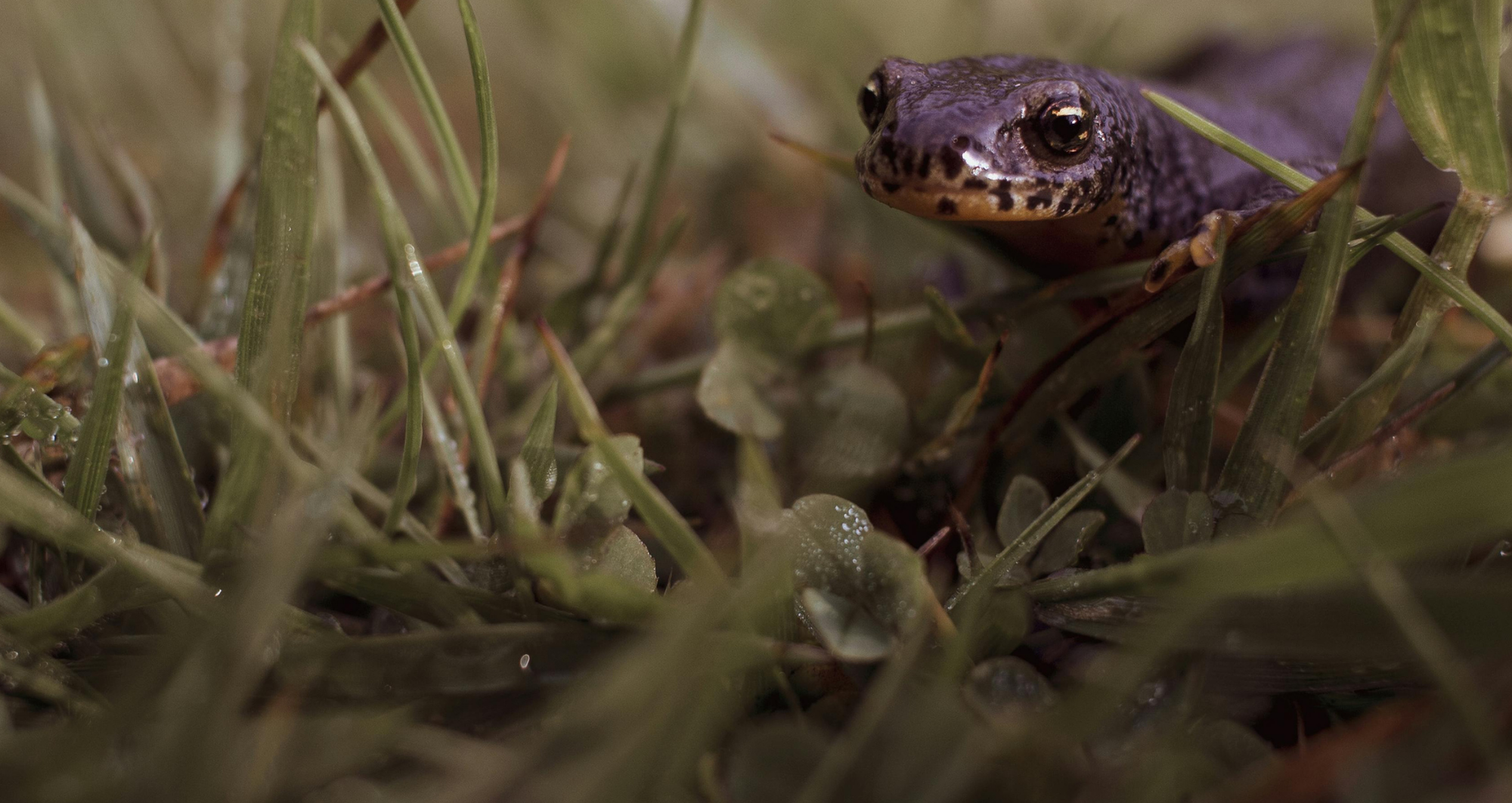
Biology of Southern Appalachian Salamanders
4 Credit Hours May 25 – June 5, 2026 Instructors: Kenneth H. Kozak, Ph.D. (University of Minnesota) & Joseph H. K. Pechmann, Ph.D. (Western Carolina University) The Southern Appalachians are home to one of the richest and most ecologically significant salamander assemblages on Earth. This immersive field- and lab-based course introduces students to the extraordinary diversity, biology, and evolutionary history of these remarkable amphibians. Through a blend of lectures, guided discussions, hands-on laboratory work, and targeted field excursions across multiple Appalachian mountain ranges, students will explore foundational and advanced concepts in evolutionary biology and ecology. Topics include reconstructing evolutionary histories, species concepts and delimitation, life-history variation, population and community dynamics, and the role of salamanders in forest ecosystems. Readings from primary literature will deepen understanding of current research and methodologies. Students will gain experience identifying regional taxa, conducting field and laboratory analyses, and interpreting evolutionary and ecological data—while engaging directly with the landscapes that make the Southern Appalachians a global hotspot for salamander diversity. Prerequisites: Introductory biology, ecology, or evolution, or permission of the instructors.
True Sedge Workshop: A Weeklong Dive into the Genus Carex
2 Credit Hours June 1–5, 2026 Instructors: Dr. Joey Shaw, UT-Chattanooga True sedges are famously challenging to identify. With numerous species often growing side by side in the same microhabitats, reduced and specialized floral structures, unique terminology, and diagnostic features that may rely on very small measurements—or even mature material—students of botany can easily feel overwhelmed. It is no surprise that sedges are among the plant groups learners struggle with most. This course focuses on two primary goals: Building fluency in sedge terminology and learning how to confidently apply and interpret that terminology when using identification keys. Understanding the key characteristics that distinguish the many taxonomic sections of the genus Carex—the largest and most complex sedge genus—as well as how to separate Carex from other spring-flowering sedges. Using herbarium specimens, newly collected material, and additional plant samples provided in class, we will assemble an in-room reference collection organized by genus and Carex section. This hands-on approach allows students to compare specimens directly, reinforcing both visual recognition and taxonomic concepts. This workshop is designed to strengthen identification skills and build confidence in working with this large and intricate group of plants. For most participants, our focus will remain at the level of distinguishing Carex sections rather than resolving species-level identifications—though students wishing to work at the species level are welcome and encouraged to do so!
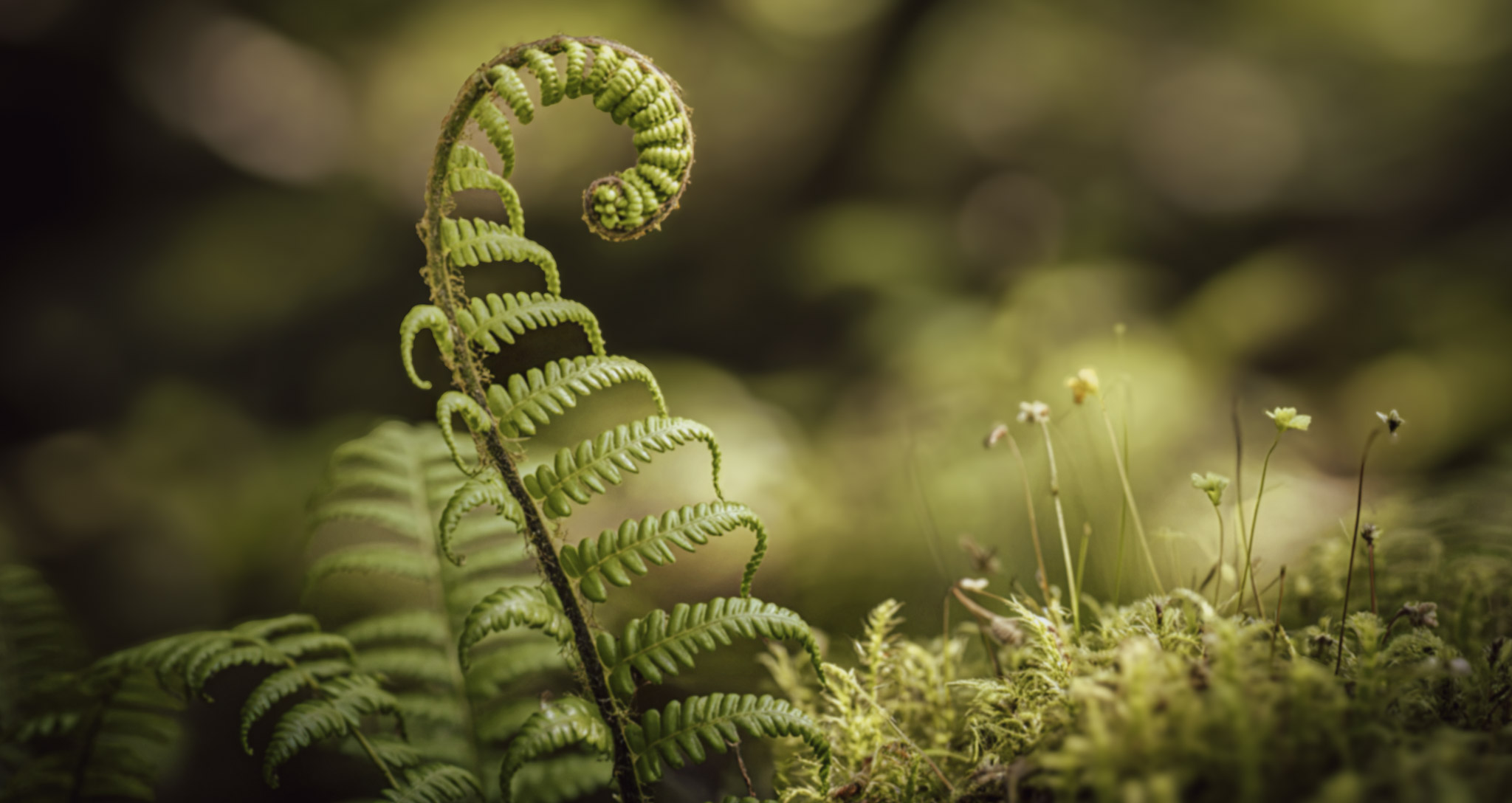
Botany Bootcamp
Botany Bootcamp June 1, 2026 | 9:00 AM – 4:00 PM Instructor: Dr. Paul Manos, Duke University Botany Bootcamp is an engaging, hands-on workshop designed to introduce participants to the remarkable diversity of plant life found on the Highlands Plateau. Hosted at the Highlands Biological Station, this immersive day blends short lectures with interactive activities to build a foundational understanding of botany in a relaxed and supportive learning environment. Throughout the workshop, participants will explore key botanical concepts while examining the structure, form, and growth habits of common native plants found on the Station’s grounds. With guidance from Dr. Paul Manos, participants will learn how botanists observe plants, identify important structures, and recognize patterns that help distinguish different plant groups. Activities may include: • Examining plant structures and forms using hand lenses and microscopes • Sketching flowers, leaves, and other plant features to sharpen observational skills • Discussing plant adaptations and growth patterns • Exploring native plants growing on the Highlands Biological Station campus • Learning the basics of plant identification and botanical terminology This workshop is designed for beginners and plant enthusiasts alike. No prior botanical experience is required—just curiosity and a willingness to look closely at the plants around us. Whether you are a nature lover, gardener, artist, educator, or simply interested in learning more about the plants of the Southern Appalachians, Botany Bootcamp offers a fun and accessible introduction to the world of botany. Join us for a day of discovery as we magnify tiny plant details, practice careful observation, and deepen our appreciation for the incredible diversity of plants on the Highlands Plateau. Please Bring • Binoculars if you have them (loaner pairs will be available if needed) • A lightweight Crazy Creek–style camp chair or small foam pad for sitting • Weather-appropriate layers and comfortable outdoor footwear
Recent Comments