

QUICK NAVIGATION
Welcome to the Highlands Biological Station’s 2026 Accredited Courses!
Rooted in the heart of the southern Blue Ridge Mountains, our field-based courses invite students to immerse themselves in one of the world’s most biologically rich regions. Whether you’re studying forest ecology, field botany, or salamander biology, you’ll gain hands-on experience guided by expert instructors—all while surrounded by the living laboratory of the Highlands Plateau.

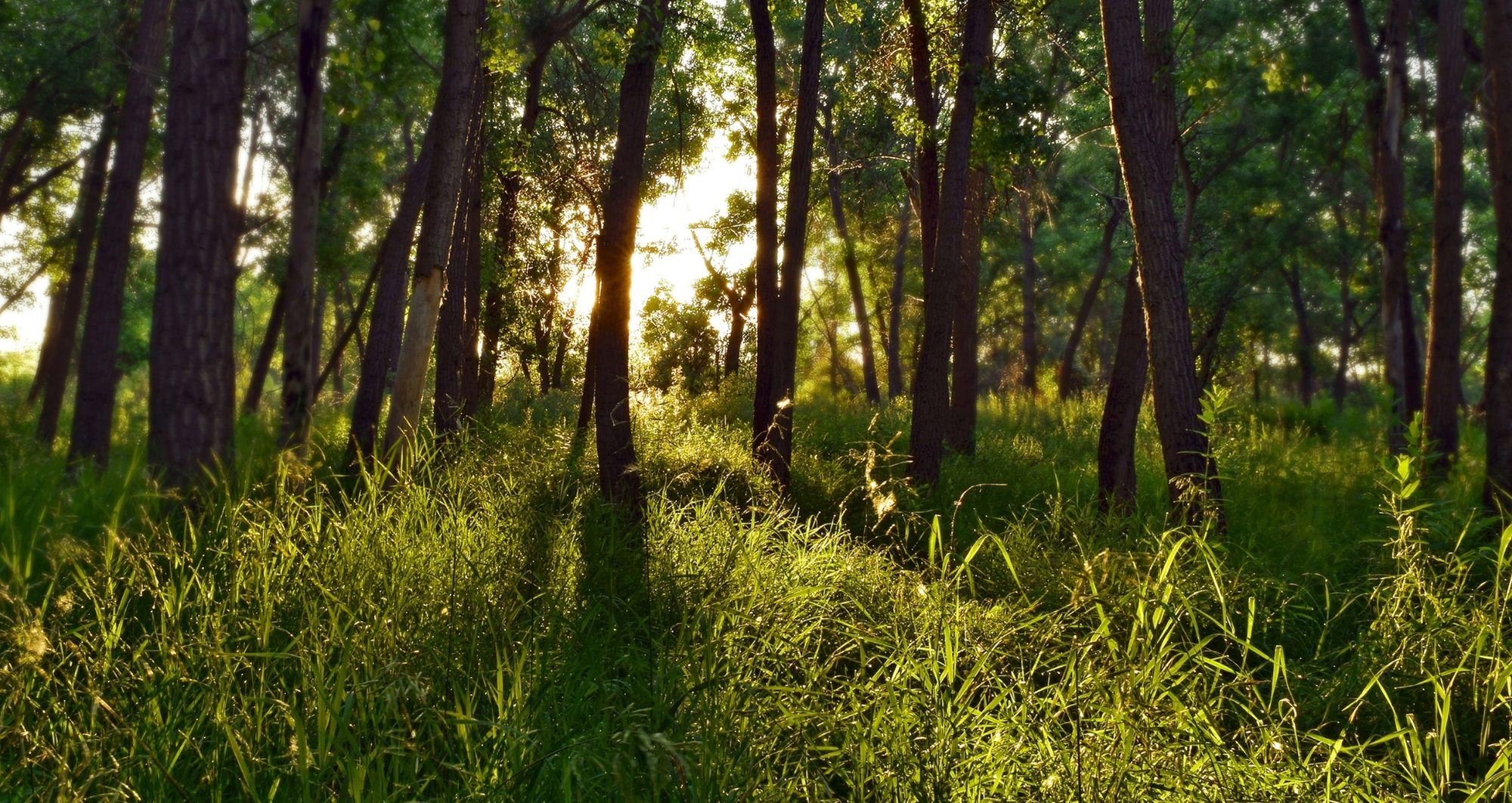
Grasses of the Southern Appalachians
May 4 – 8, 2026
Dr. Paul McKenzie, U.S. Fish and Wildlife Service (Retired); Volunteer and Independent Contractor
$500.00
Introduction to the Vascular Flora of the Blue Ridge

May 18 – 22, 2026
Dr. Paul Manos, Duke University
$500.00
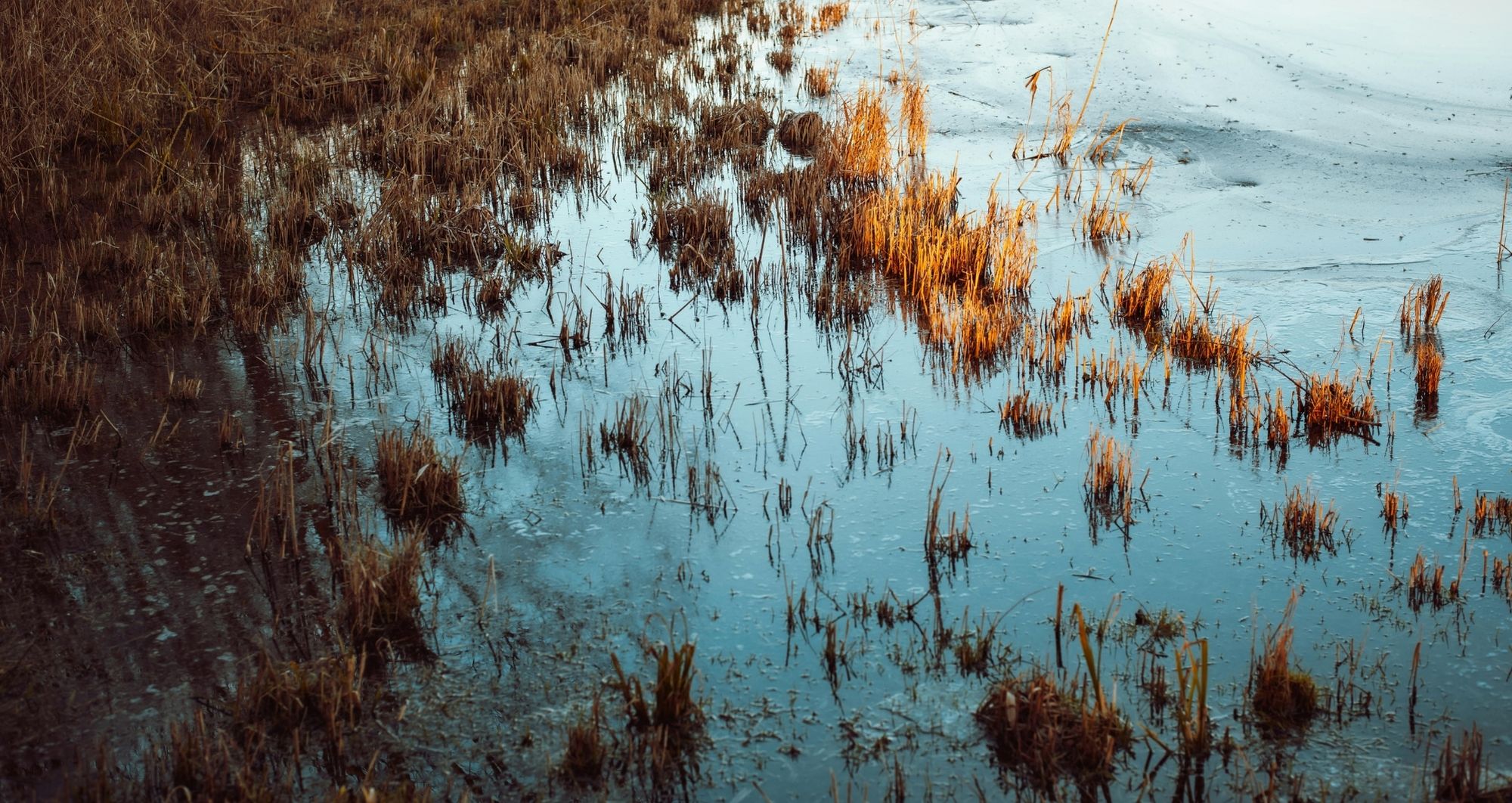
Identification and Conservation of Wetland Plants

May 25 – 29, 2026
Dr. Joey Shaw, UT-Chattanooga
$500.00
Biology and Identification of True Sedges: Interpreting Carex
June 1 – 5, 2026
Dr. Joey Shaw, UT-Chattanooga
$500.00
Rock Outcrop and Cliff Ecology

June 8 – 12, 2026
Dr. Laura Boggess, Mars Hill University & Mr. Gary Kauffman, USFS (emeritus)
$500.00

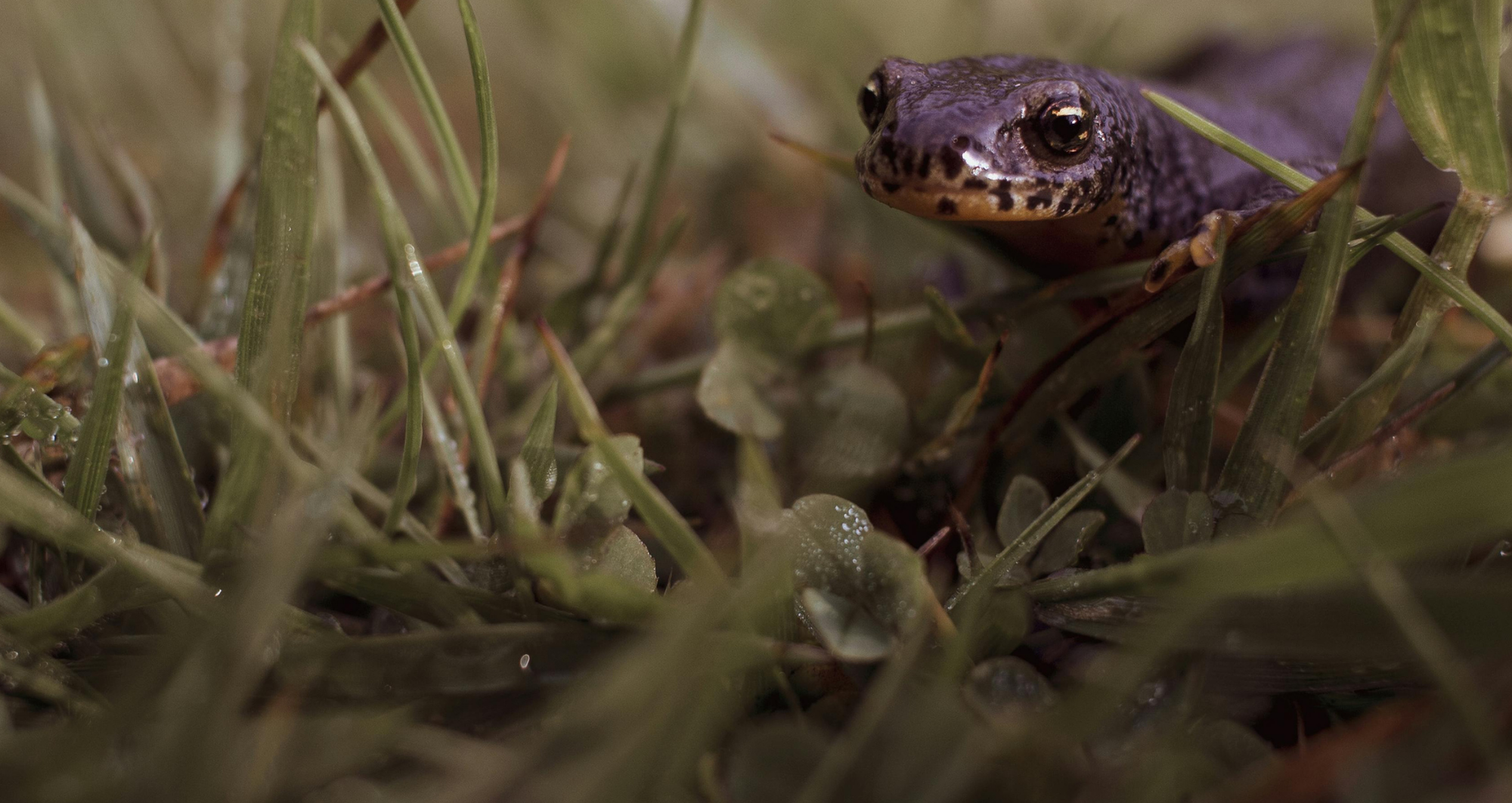
Biology of Plethodontid Salamanders
May 25 – June 5, 2026
Dr. Joe Pechmann, Western Carolina University & Dr. Ken Kozak, University of Minnesota
$1,000.00
Biology and Conservation of Birds
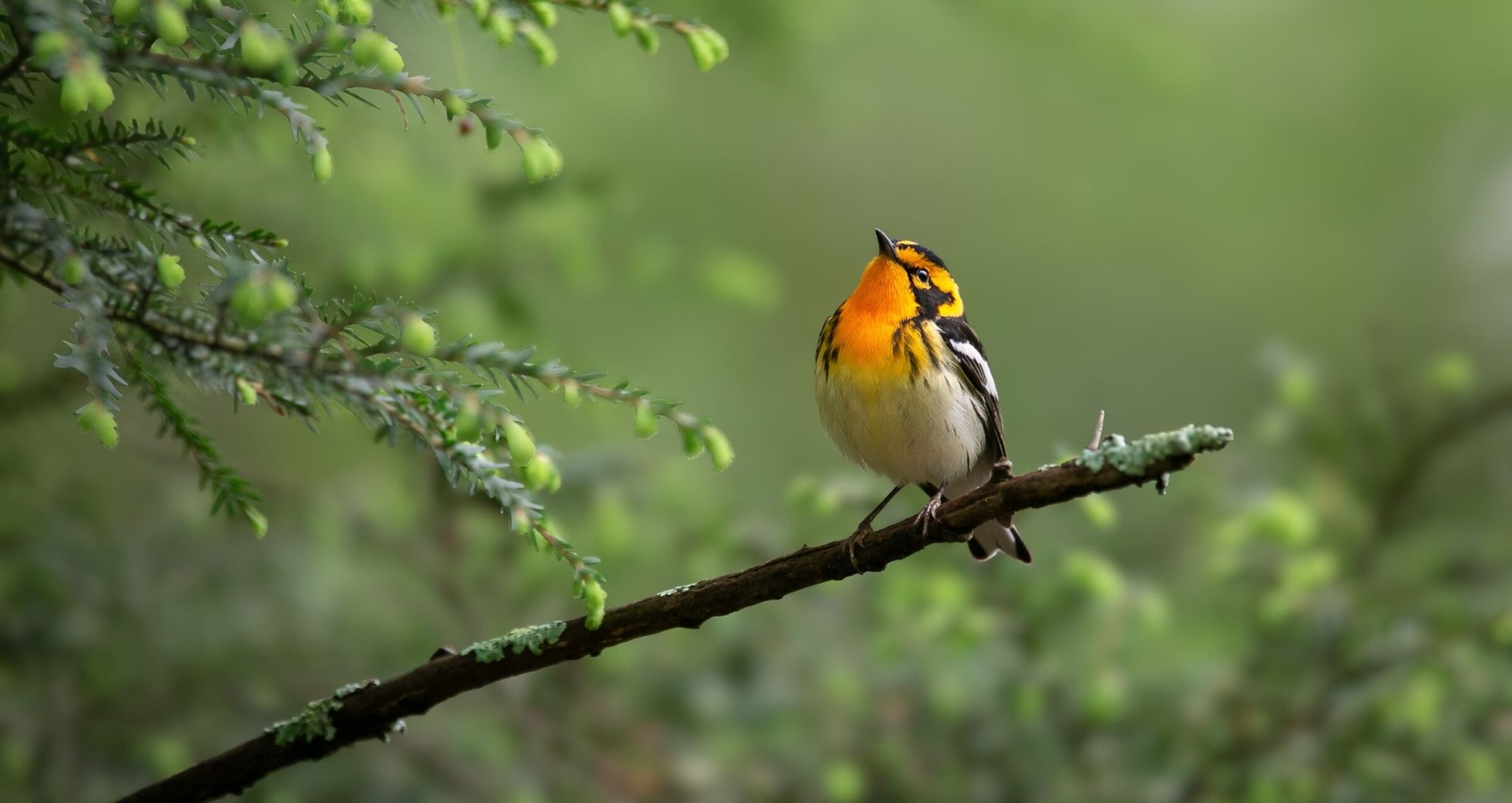
June 15 – 26, 2026
Dr. Rob Bierregaard, Acadamy of Natural Sciences/Drexel University
Limited Highlands Plateau Audubon Society Scholarships available! Click “Learn More” for application guidelines.
$1,000.00
Southern Appalachian Mayflies, Stoneflies, and Caddisflies
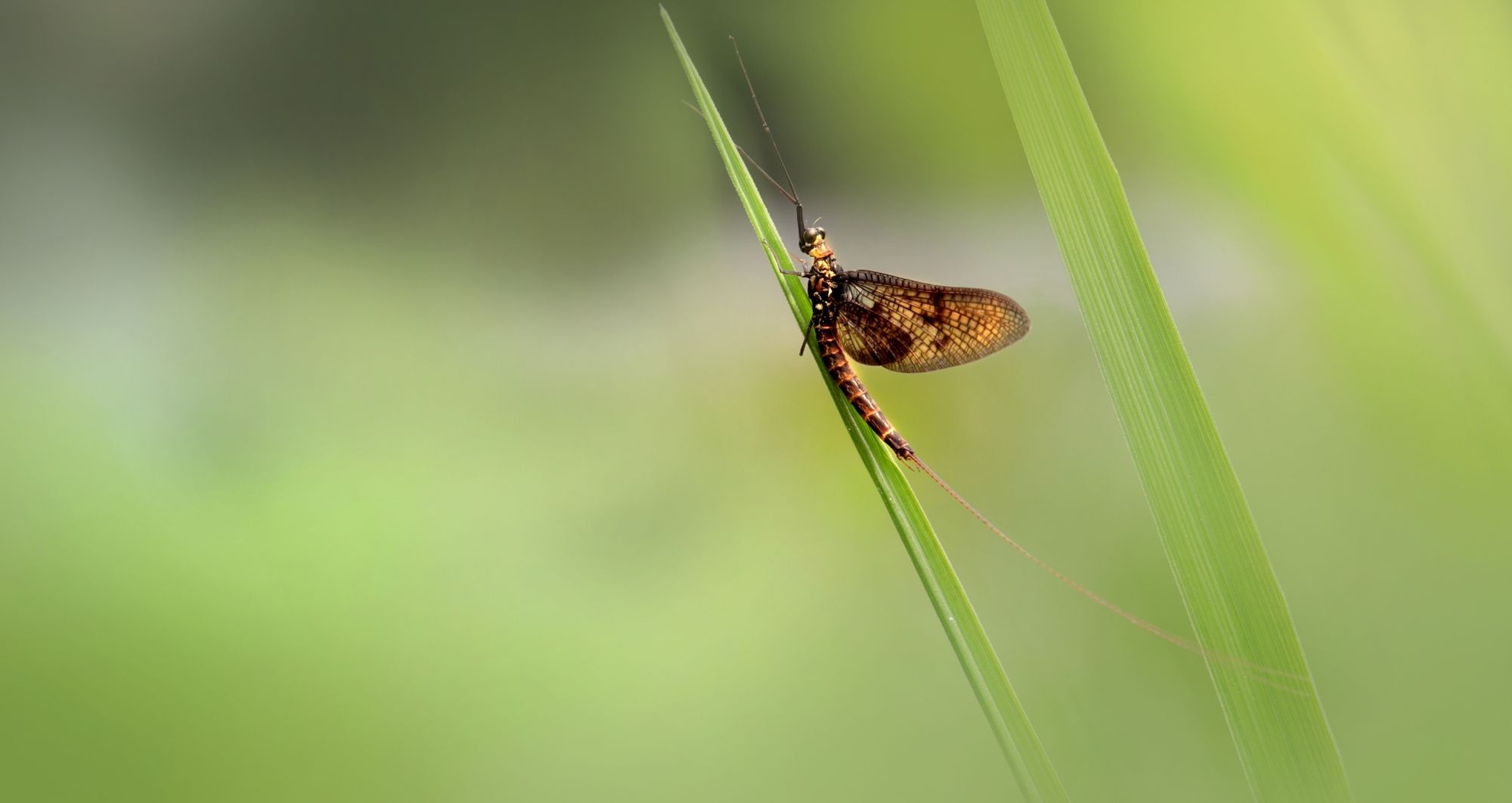
June 21 – July 2, 2026
July 6 – 17, 2026
S1: Dr. John Morse, Clemson University & Dr. Alexander Orfinger, Dalton State College
S2: Dr. John Morse, Clemson University & Dr. Kelly Murray-Stoker, Emory University – Course has reached capacity
$1,000.00
Biology of Southern Appalachian Mammals
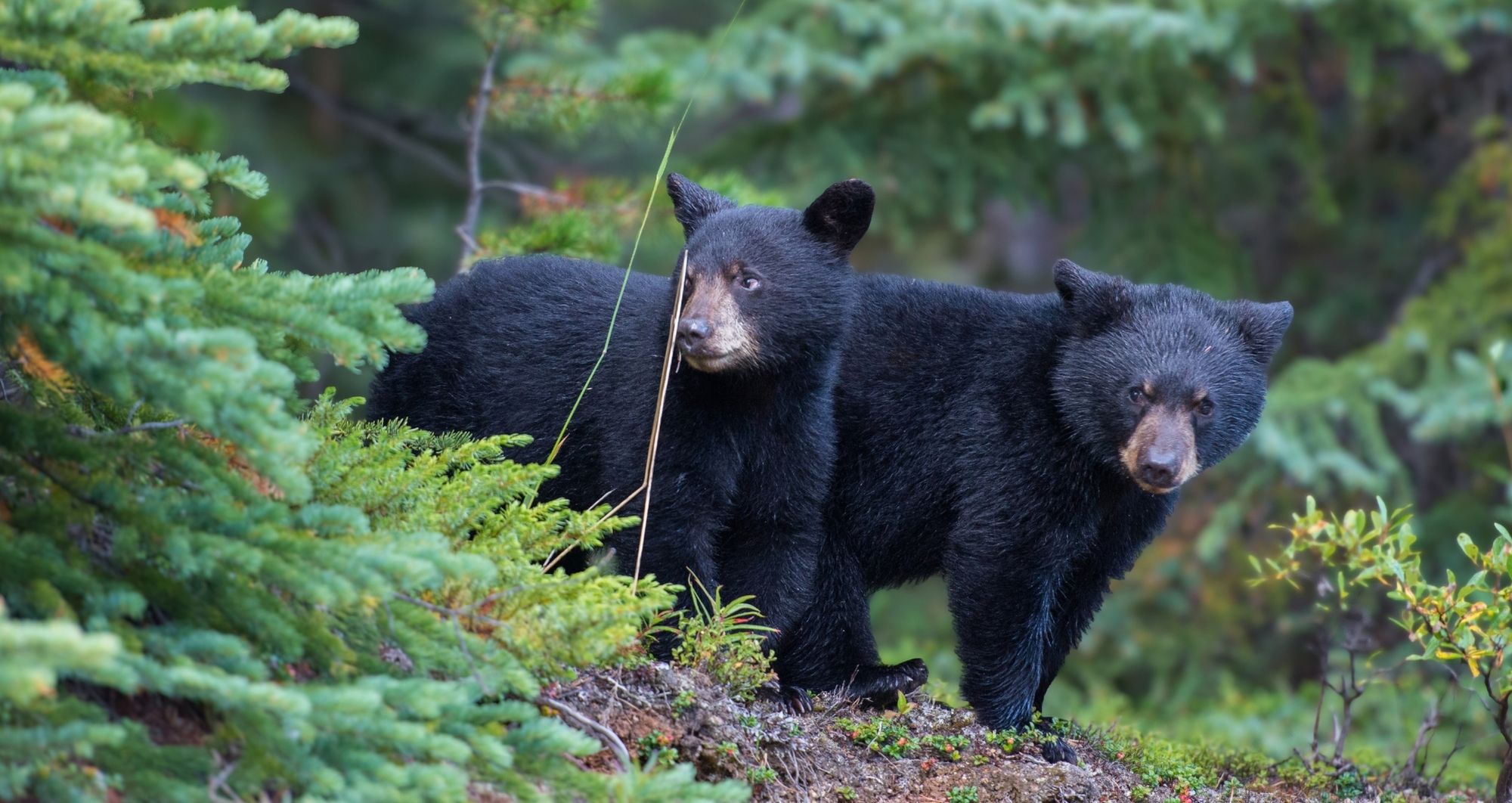
July 6 – 17, 2026
Dr. Catherine Haase, Associate Professor in the Department of Biology Principal Investigator in the Center of Excellence for Field Biology Austin Peay State University
$1,000.00
Conservation Biology in the Southern Appalachians
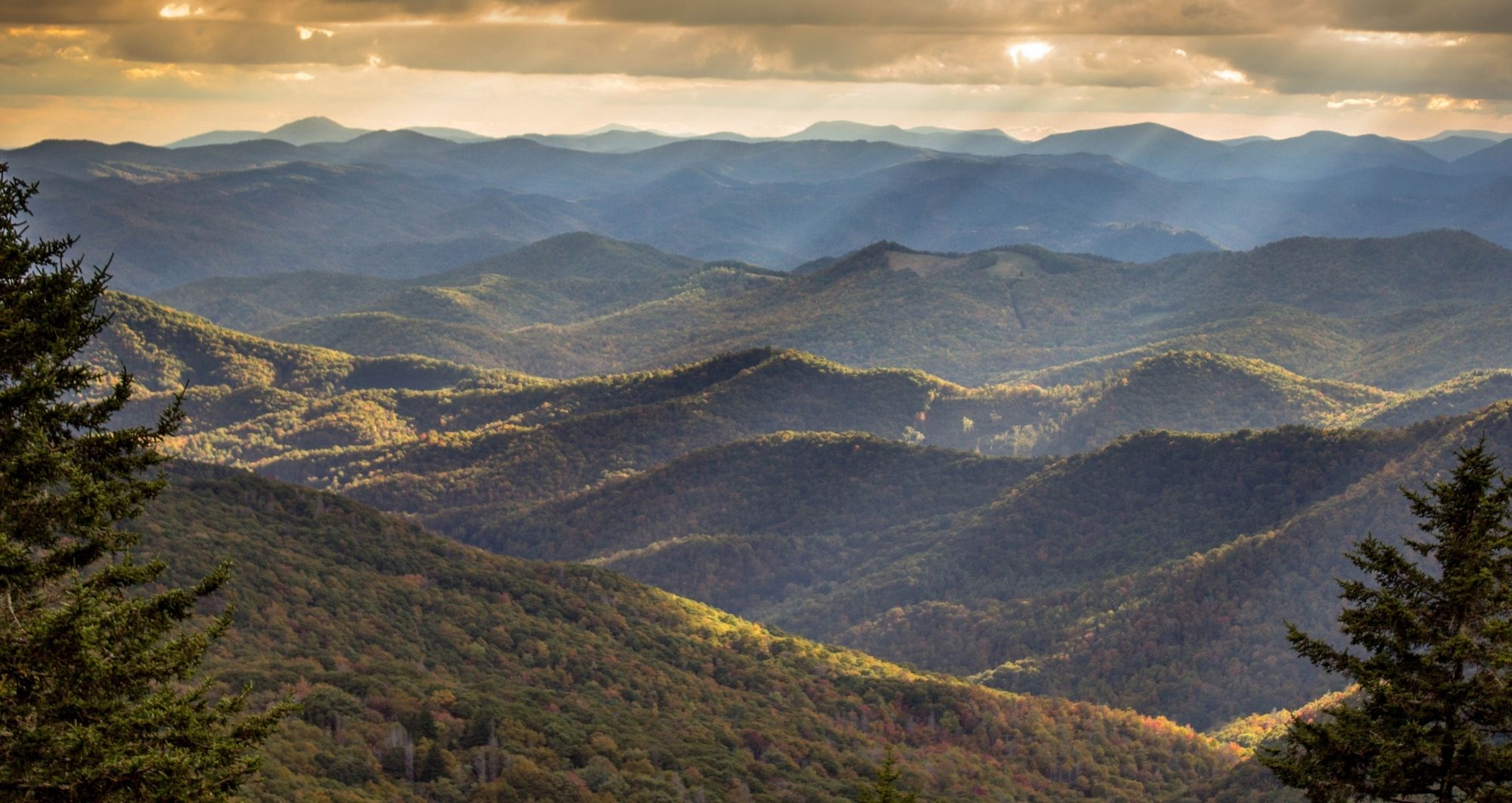
July 20 – 31, 2026
Dr. Christopher B. Mowry, Berry College
$1,000.00
Spiders of the Southern Appalachians
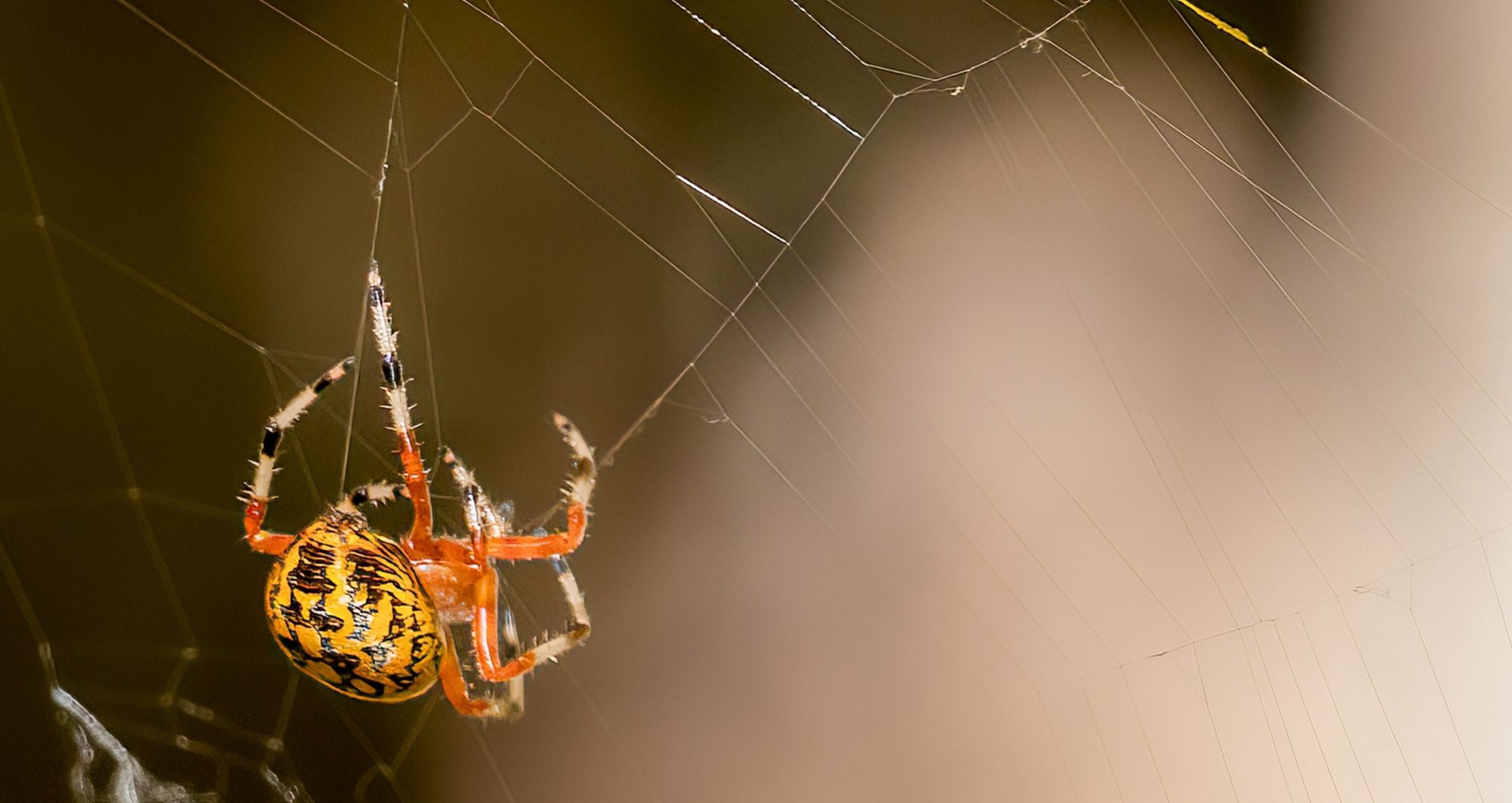
July 20 – 31, 2026
Dr. Sarah Stellwagen, UNC-Charlotte & Dr. Alex Sweger, Hartwick College
$1,000.00
Macrofungi of the Blue Ridge
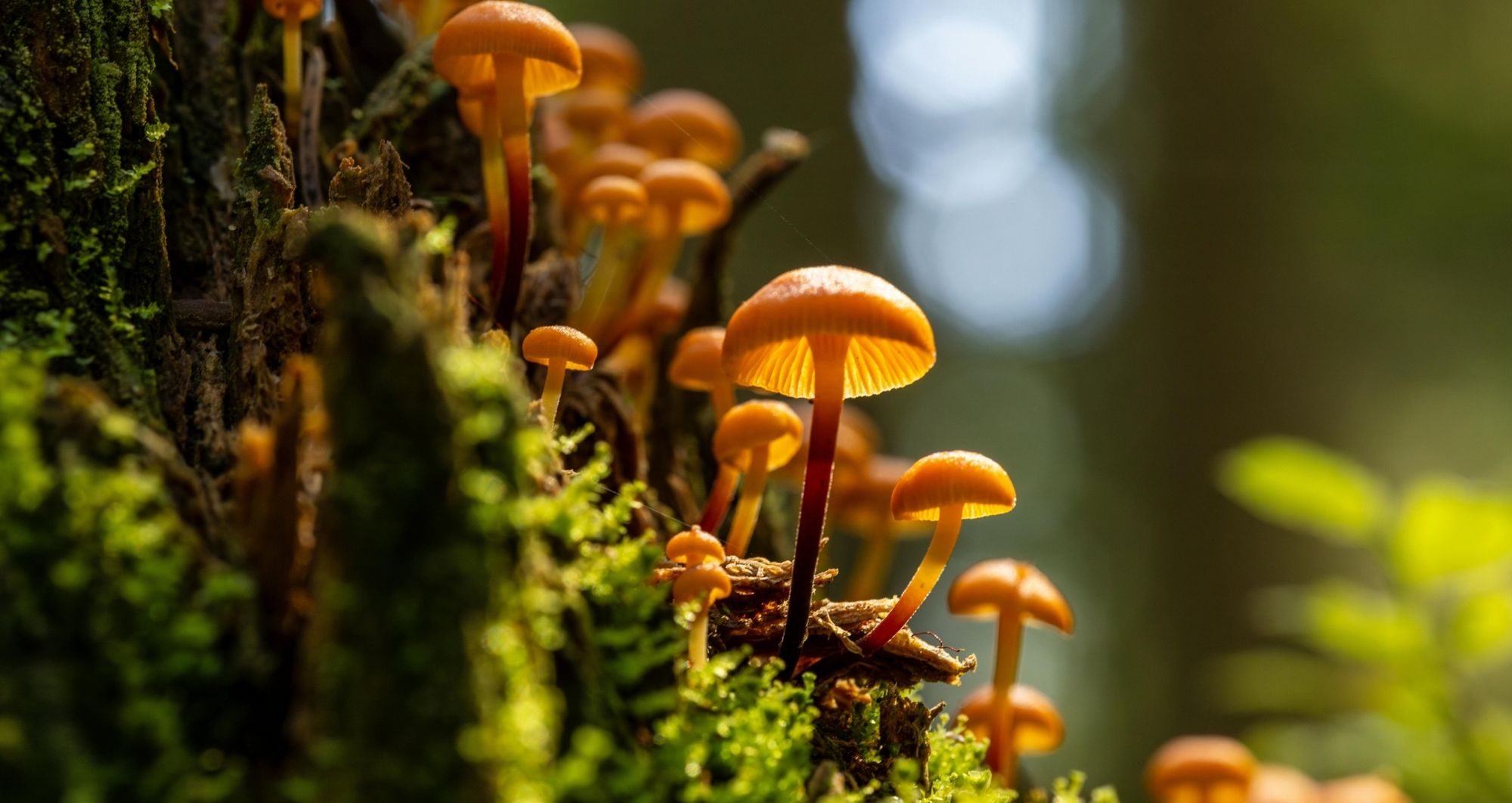
August 3 – 14, 2026
Dr. Rachel Swenie, Harvard University
$1,000.00

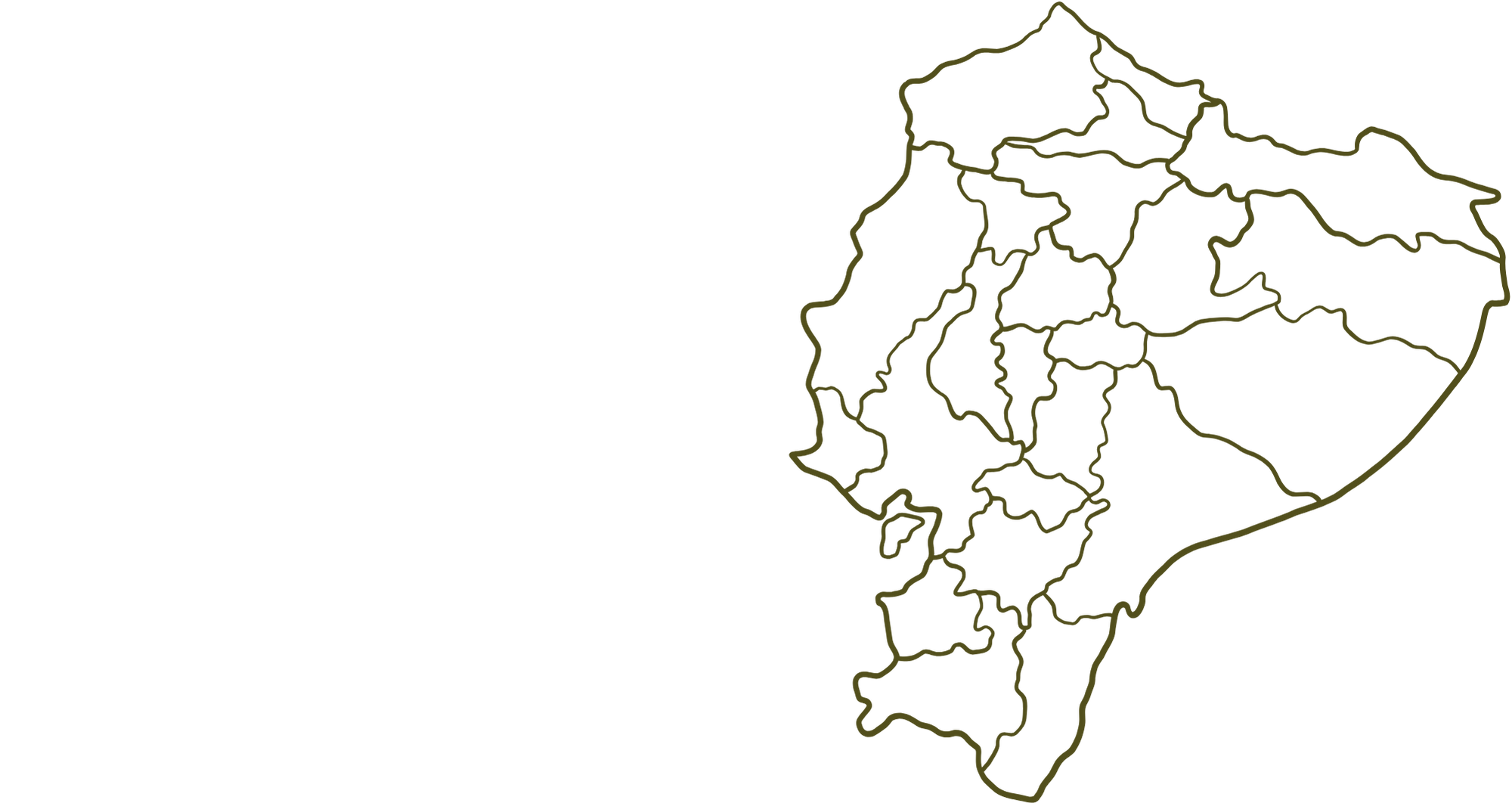
Comparative Temperate/Tropical Ecology & Biogeography
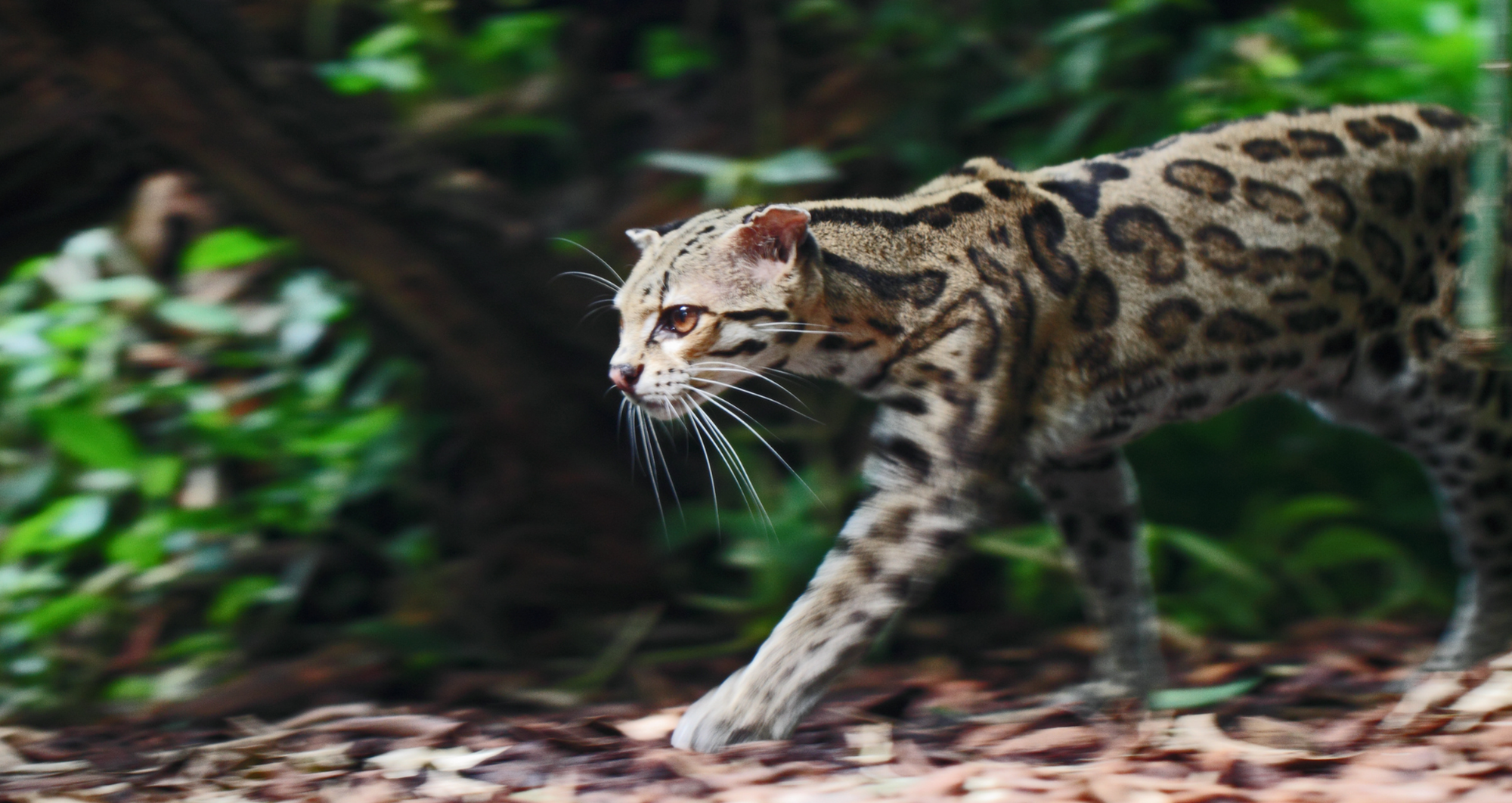
Highlands Biological Station: June 8 – 14, 2026
Wildsumaco Biological Station, Ecuador: June 15 – 26, 2026
Dr. Jim Costa, Western Carolina University/Highlands Biological Station & Mr. Travis Knowles, Francis Marion University/Wildsumaco Biological Station
NOTE: Space is limited and applicants will be considered on a first-come/first-served basis. Please inquire about space availability prior to registering. For inquiries and further information please contact Dr. Costa at costa@wcu.edu or 828-787-1712.
MEET YOUR INSTRUCTORS
Dr. Richard (Rob) Bierregaard is a research associate of the Academy of Natural Sciences of Drexel University in Philadelphia and former president of the Raptor Research Foundation. From 1979 to 1988, working for the World Wildlife Fund and the Smithsonian Institution, he directed the Biological Dynamics of Forest Fragments Project. The project. Situated in the Brazilian Amazon, has been described as the largest and most ambitious ecological experiment ever undertaken, and is still ongoing. Upon his repatriation in the late 80s, for 18 years he taught Ornithology and Field Ecology in the Biology Department of UNC-Charlotte. Since 2002, he has taught ten times a two-week course on avian biology and conservation at the Highlands Biological Station. His work over the past four decades has focused on Barred Owls in Charlotte, NC, and Ospreys in northeastern North America. In 2014 he was the lead author on a paper chronicling the post-DDT return of the Osprey population in southern New England. From 2000 to 2017, Rob and his colleagues deployed satellite transmitters on 108 Ospreys, from South Carolina to Newfoundland. The data from 67 juvenile Ospreys, tracking their first migration to South America and back, have provided startling insights into how naïve Ospreys discover the migration route taken by virtually all adults.


Laura Boggess is a Professor of Biology and Environmental Studies at Mars Hill University, where her teaching and research focus on lichen ecology, cliff and rock outcrop communities, and plant conservation in the Southern Appalachians. She first studied at the Highlands Biological Station in 2005 as part of UNC–Chapel Hill’s Institute for the Environment field program—a semester that inspired her to pursue a career in ecology. She has been returning to HBS ever since. Laura is excited to teach this weeklong intensive on cliff and rock outcrop ecology for the fifth time—and for the fourth time in collaboration with botanist and long-time friend Gary Kauffman. Her work blends natural history, community science, and conservation practice, and she especially enjoys helping others deepen their connection to the plants, lichens, and landscapes of the Southern Appalachians.

Dr. Catherine Haase is an wildlife ecologist and Associate Professor at Austin Peay State University whose research focuses on mammal ecology and ecophysiology, with particular emphasis on small mammal conservation in the southeast. Her work integrates ecological modeling, field-based data collection, and statistical analysis to understand patterns of thermal biology, resource use, and disease. She received her BS in Wildlife Biology from Unity College in Maine, MS in Conservation Biology from SUNY College of Environmental Science and Forestry, and PhD in Interdisciplinary Ecology-Wildlife Ecology and Conservation from the University of Florida. Her previous research has spanned species such as moose, gray wolves, Florida manatees, and Galapagos sea lions.
Before retiring in January 2025, Gary served as a botanist and ecologist with the U.S. Forest Service in North Carolina for 32 and a half years. During his first decade, he was responsible for botanical resources across 500,000 acres of the Nantahala National Forest. By the time he retired, his role had expanded to cover 1.3 million acres across all four national forests in North Carolina, from the mountains to the coast.
Gary coordinated programs focused on invasive plants, forest botanical products, the maintenance and restoration of rare plants, and the stewardship of both rare and common plant communities. His additional duties included providing botanical expertise and NEPA compliance support for projects, as well as contributing to forest plan revisions. Although not formally positioned in research, he co-authored several publications on topics including the description of a new vascular plant, ginseng management, community modeling, and monitoring of federally listed species.
He holds a master’s degree in botany and mycology from Ohio University, where he studied the ecological role of cellular slime molds. Originally from north-central Ohio, Gary grew up on a 220-acre dairy and chicken farm.
Paul Manos is Professor of Biology at Duke University. He has studied the systematics and biogeography of Northern Hemisphere woody plants with an emphasis on oaks, blueberries, and the flora of the Southern Appalachian region. He has extensive teaching experience including field courses and workshops taught at the Highlands Biological Station, Sarah P. Duke Gardens and the Jepson Herbarium, University of California, Berkeley.
Paul McKenzie served 28 years as Endangered Species Coordinator with the U.S. Fish and Wildlife Service, overseeing implementation of the Endangered Species Act for a range of federally listed plants and animals, including the Hine’s Emerald Dragonfly and Tumbling Creek Cavesnail. With over 30 years of teaching experience on birds, grasses, sedges, and Odonates, Paul has published more than 120 scientific papers. His research includes rediscovering Aristida chaseae, a grass once thought extinct, and describing two new plant taxa to science. He continues to share his expertise as an instructor and consultant. Outside of his professional work, Paul enjoys hunting, fishing, nature photography, and serves as an ordained minister at United Community Cathedral in Columbia, Missouri.
Dr. John Morse’s principal focus centers on aquatic insect taxonomic and functional diversity and their role in assessing ecological conditions in streams, with a particular emphasis on regional and global caddisfly (Trichoptera) systematics, taxonomy, and biogeography. He has served on the faculty of Clemson University since 1974 in a range of teaching, research, outreach, and collection-management roles associated with the Clemson University Arthropod Collection.
Dr. Morse has taught regularly at the Highlands Biological Station since 1989 and has provided courses and workshops at numerous venues across the United States and internationally, especially throughout Asia. His research program, conducted with his students, focuses on the use of macroinvertebrates to assess water quality in streams of the Southern Appalachian Mountains and surrounding regions.
Dr. Christopher B. Mowry is a professor of biology at Berry College in Rome, Georgia, where he teaches courses in introductory biology, ecology, and conservation biology. His research program centers on animal ecology, with a primary focus on coyotes through the Atlanta Coyote Project, which they co-founded in 2014. Additional projects span bat, bird, and herpetofaunal diversity, with students involved in all aspects of the work.
Dr. Christopher B. Mowry holds a B.A. in Biology from Wake Forest University and earned M.S. and Ph.D. degrees in Ecology from Emory University. He has been a member of the Berry College faculty since 1994.

Dr. Kelly Murray-Stoker is an assistant professor of Biology at Oxford College of Emory University. She received a B.S. in Ecology and a B.S.E.S. in Entomology from the University of Georgia. She also received an M.S. in Entomology from the University of Georgia, and she received a PhD in Ecology and Evolutionary Biology from the University of Toronto. Her research focuses on community ecology of freshwater habitats and biodiversity patterns of aquatic insects, especially caddisflies (Trichoptera).
Dr. Sarah Stellwagen is an Assistant Professor at the University of North Carolina at Charlotte where her lab investigates spider and insect silks. Dr. Stellwagen minored in Entomology at Clemson University during her bachelor’s degree, which propelled her into arthropod science. After a master’s degree, also at Clemson investigating spider ecology, Dr. Stellwagen studied silk biomechanics at Virginia Tech for her doctorate. She became interested in silk genetics during a postdoc at the Army Research Lab, where she learned long read sequencing techniques. In 2023, Dr. Stellwagen joined the Biology Department at UNC Charlotte where she uses biomaterial testing and genetic techniques to answer questions about the evolution of arthropod silk properties.

Dr. Alex Orfinger completed BS and MS degrees in biology at the University of Central Florida, earning his PhD in entomology at the University of Florida in 2023. He is currently an Assistant Professor of Biology at Dalton State College in Georgia, USA. Dr. Orfinger’s research largely centers on caddisfly (Trichoptera) systematics, though he has broad interests in natural history, taxonomy, ecology, evolutionary biology, and invasion biology of a wide range of taxa, but especially aquatic insects and fishes. In his free time, Dr. Orfinger enjoys hiking, fishing, watching and playing soccer and football, and spending time with his wife and two pups.
Joey is a Distinguished Service UC Foundation Professor at the University of Tennessee at Chattanooga. He earned both an MS and PhD in Botany from the University of Tennessee, Knoxville. Joey regularly teaches Plant Morphology, Plant Taxonomy, Field Botany, and Biogeography at UTC and Biology and Identification of Ferns and Allies, Wetland Plants, Sedges, and other courses at Highlands Biological Station. Joey is an author and editor of the Guide to the Vascular Plants of Tennessee and he loves teaching students how to better interpret and understand plant parts and their alignment to dichotomous keys.
Rachel is a Postdoctoral Fellow at the Farlow Herbarium at Harvard University, specializing in fungal systematics and taxonomy. Her work focuses on chanterelles and their relatives, thelephoroid fungi, and corticioid fungi.
Her research integrates herbarium studies, molecular sequencing, and phylogenetic methods to identify and describe new species, and to explore how fungal evolution is shaped by biology and ecology.
Rachel earned her Ph.D. in Evolutionary Biology from the University of Tennessee, where she was awarded a National Science Foundation Graduate Research Fellowship. Her work has also been supported by funding from the Mycological Society of America, the U.S. National Park Service, and the TENN Herbarium.
In addition to her research, Rachel has led mushroom forays and educational walks across the country. She is also a co-author of a forthcoming field guide to the mushrooms of the Southern Appalachian Mountains.
Dr. James T. Costa is the Executive Director of the Highlands Biological Station and a Professor of Evolutionary Biology at Western Carolina University. An evolutionary biologist, historian of science, and prolific author, Jim’s research spans insect social behavior, chemical ecology, and the history of evolutionary thought.
He has written extensively on Charles Darwin and Alfred Russel Wallace, including Darwin and the Art of Botany (with the Oak Spring Garden Foundation) and the acclaimed Radical by Nature: The Revolutionary Life of Alfred Russel Wallace. Jim’s scholarship bridges science, history, and culture, inviting readers and students to explore the roots—and ongoing relevance—of evolutionary ideas.
A passionate educator and naturalist, Jim has led field courses for decades in the southern Appalachians and around the world. His work continues to champion the rich biodiversity of the Blue Ridge and the importance of conservation, research, and public understanding of science.
Travis Knowles is a biology professor with more than 30 years of teaching experience in conservation, mammalogy, ornithology, and tropical ecology.
His research focuses on mammalian biodiversity and community structure, with particular emphasis on camera-trapping surveys and plant–animal interactions, including the effects of large grazers on plant community composition and diversity.
Travis is the founding Director of the Wildsumaco Biological Station in Ecuador, which supports teaching and research in tropical biology, ecology, and conservation.
FREQUENTLY ASKED QUESTIONS
Before You Register
Who can take courses at the Highlands Biological Station?
Our accredited summer field courses are open to undergraduate and graduate students, professionals, and anyone with a strong interest in natural history, field biology, or environmental science. Many participants attend for academic credit, while others come for professional development or personal enrichment.
Do I need prior experience or specific coursework to enroll?
Some courses recommend or require certain prerequisites, while others are open to all backgrounds. Check the individual course descriptions for details. If you’re unsure whether a course fits your background, feel free to reach out to our staff—we’re happy to help you find the right fit.
How do I choose the right course for my goals?
Consider your academic or professional interests, field experience, and schedule. Review each course description carefully to see which aligns best with your focus area. You can also contact us directly for guidance if you’d like help deciding.
When and how can I register for a course?
Registration opens in early January. Simply visit our website and complete the online registration form. Register early to secure your spot and have time to gather materials. Registration closes three weeks before each course begins or when the course fills.
Each course must reach a minimum number of students to run; if a course is canceled by HBS due to low enrollment, you’ll receive a full refund. Once your registration is processed, we’ll email you a confirmation and next steps.
Academic Credit & Financial Aid
Can I receive academic credit for my course?
Yes. You must request academic credit at the time of registration—requests can’t be made retroactively.
-
UNC–Chapel Hill: Undergraduate students can earn credit for one- or two-week courses.
-
Western Carolina University: Undergraduate and graduate students can earn credit for one- or two-week courses.
-
Once you have recieved confirmation of your registration, please send a copy of your unofficial transcipt to svickery@wcu.edu.
-
One-week courses earn 2 credit hours; two-week courses earn 4 credit hours.
After registration, you’ll receive instructions for completing the credit process. On transcripts, courses appear as:
-
UNC–CH: BIOL 459 Field Biology
-
WCU: BIOL 493/593 Special Topics (includes the course’s specific title)
Does HBS offer financial assistance or scholarships?
Yes! Limited financial assistance is available through the Highlands Biological Foundation for students taking courses for credit. Awards are made on a first-come, first-served basis and do not cover the full cost of the course.
To apply, submit the following with your registration:
-
Statement of Need (about 250 words describing your financial situation and goals)
-
Letter of Recommendation from a faculty member or advisor
-
Unofficial Transcript
Are there other scholarships available?
Yes—students may also apply for:
-
John E. Fairey / Southern Appalachian Botanical Society Biological Field Station Scholarship (for botany-focused courses; deadline April 25)
-
Highlands Plateau Audubon Society Scholarship (for Biology and Conservation of Birds; covers $1000 course fee; rolling deadline, apply with course registration).
Payments & Refunds
How do I pay for my course, and what is the refund policy if I need to cancel?
Starting January 2026, you will pay for your course and housing (if requested) at the time of registration. If you receive a scholarship or financial assistance, that amount will be refunded to you once your award is processed.
Refund Policy:
-
Academic credit fees are non-refundable.
-
Housing fees are fully refundable unless you cancel within 30 days of the course start date.
-
Course tuition refunds:
-
Cancel 45+ days before start → Full refund minus $75 fee
-
Cancel 30–45 days before start → Full refund minus $150 fee
-
Cancel < 30 days before start → No refund
-
Travel & Preparation
What should I know about traveling to Highlands?
Plan ahead—Highlands is a remote mountain town with limited transportation options. Visit our Getting Here page for driving directions and travel details.
-
Cell service can be unreliable on mountain roads—download or print directions before you come.
-
Highlands has a grocery store and restaurants, but prices are higher than surrounding areas; consider shopping before you arrive.
-
Parking is available on campus near housing areas.
What is the weather like in Highlands during the summer?
Highlands sits at 4,100 feet, so even summer days are cool compared to most of the Southeast. Expect daytime highs in the 70s °F and cool, misty evenings in the 50s °F. Afternoon rain showers are common—pack layers, rain gear, and sturdy footwear.
What should I bring for my course?
You’ll receive a packing list before arrival, but essentials typically include:
-
Field gear (boots, rain jacket, hat, insect repellent)
-
Notebook and writing supplies
-
Reusable water bottle and lunch container
-
Bedding and towels (if staying on campus)
-
Flashlight or headlamp for night work
-
Personal items and medications
On-Campus Living
What are the housing options like?
Our on-site housing is dormitory-style—simple, comfortable, and designed for field station living.
-
Expect to share a room with 2–3 students.
-
Common areas are cleaned twice weekly; bedrooms are self-maintained.
-
A full kitchen is available for meal prep (no meal plan provided).
-
Alcohol is allowed only inside residences or dining spaces; underage drinking is prohibited.
-
Pets are not permitted (service animals only).
Housing assignments are sent about two weeks before your course begins, along with a packing list and access codes. Check-in starts Sunday at 1 PM before your course; check-out is by noon Saturday after it ends.
What amenities are available?
-
Free Wi-Fi in main buildings (limited in some residences)
-
On-site laundry facilities
-
Free parking near housing
-
Access to the Highlands Botanical Garden and Nature Center
Can I arrive early or stay late?
Check-in and checkout times are fixed due to housing turnover, but you can contact us in advance if you need to discuss special arrangements.
How do I receive mail or packages while at HBS?
Use this address format:
Mail is checked Monday–Friday. We’ll notify you by email when something arrives. If mail comes after you’ve left, you’ll be responsible for return postage.
Campus Life & Community
What’s a typical day like during a course?
Expect immersive, hands-on learning—days often begin early and include a mix of lectures, lab work, and field excursions. Classes frequently extend into the evening for night surveys or data collection, followed by independent study or group discussions.
Can I visit the Botanical Gardens or Nature Center during my stay?
Absolutely! Students are encouraged to explore the Highlands Botanical Gardens and visit the Nature Center. Both are just steps from campus and open daily.
Are restaurants or shops nearby?
Yes—downtown Highlands is a short walk or drive from campus and offers restaurants, cafés, and small shops. Keep in mind that hours can vary seasonally, especially in winter.
After Your Course
How do I request a transcript or certificate?
If you earned academic credit, transcripts are available through UNC–Chapel Hill or Western Carolina University depending on your registration. For non-credit participants, HBS can issue a certificate of completion upon request.
How can I stay involved with HBS after my course?
Stay connected! Follow us on social media, sign up for our newsletter, or join the Highlands Biological Foundation to support future research, courses, and conservation initiatives.
Who should I contact if I have additional questions?
We’re happy to help! Email us anytime at hbs@wcu.edu or call (828) 526-2602.
2026 COURSE FEE SCHEDULE
1 Week Courses
2 Credit Hours- $400 for Member Institutions
- $55 per course registration fee for undergraduate courses through UNC- Chapel Hill (non-UNC students may transfer credit)
- $65 per course application fee for undergraduate and graduate courses through WCU
2 Week Courses
4 Credit Hours- $800 for Member Institutions
- $55 per course registration fee for undergraduate courses through UNC- Chapel Hill (non-UNC students may transfer credit)
- $65 per course application fee for undergraduate and graduate courses through WCU
On-Campus Housing
Shared Dormitory-Style Rooms- Includes kitchen access, Wi-Fi, laundry
- Steps from labs, gardens & trails
- Optional but recommended
Fees may be adjusted based on guidance from HBS’ governing and advisory boards. Workshop fees will be determined on a per case basis by HBS administration.
Continuing Education Units (CEU’s) and Environmental Education (EE) credits
Teachers can earn Continuing Education Units (CEU’s) based on hours completed for both courses and workshops. Please check with your individual administration to confirm the necessary documentation and credit acceptance. In addition, those enrolled in the NC Environmental Education Certification Program can receive EE credits for courses and workshops at no extra cost.