• Who’s Out There? (Drop-In Station)

    Highlands Nature Center 930 Horse Cove Rd., Highlands, NC, United States

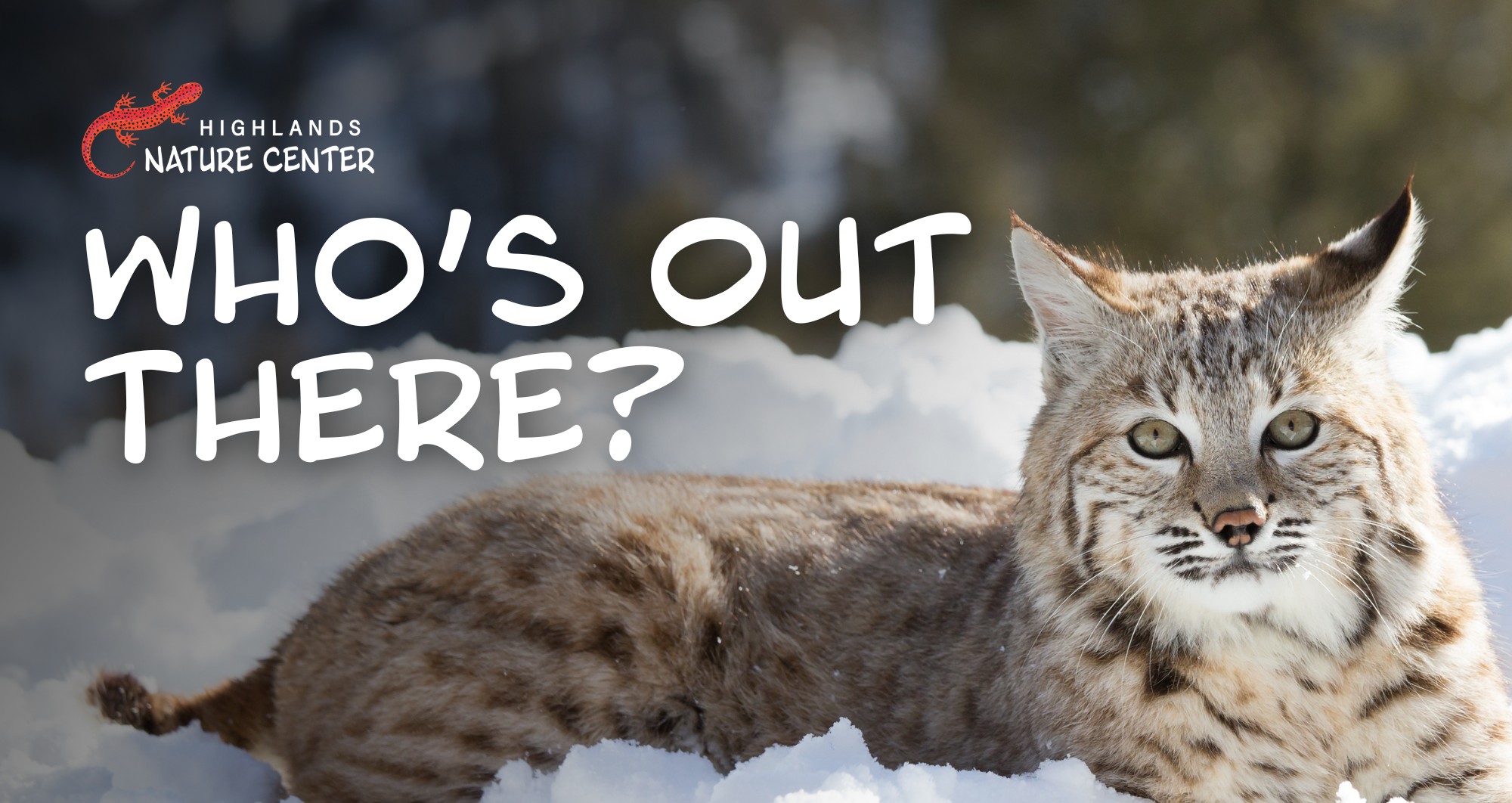
    Join us at the Nature Center to learn about the winter wildlife found across the Highlands Plateau. Our Education Specialists will be ready to welcome folks back with engaging conversations, interesting facts about our local flora and fauna, and a self-guided “specimen search” through our botanical gardens. January 16th & 17th | 30th & 31st FREE | Drop-In, from 10 am - 3:30 pm Program provided by:

    Free
  • The Skin You’re In (Drop-In Station)

    Highlands Nature Center 930 Horse Cove Rd., Highlands, NC, United States

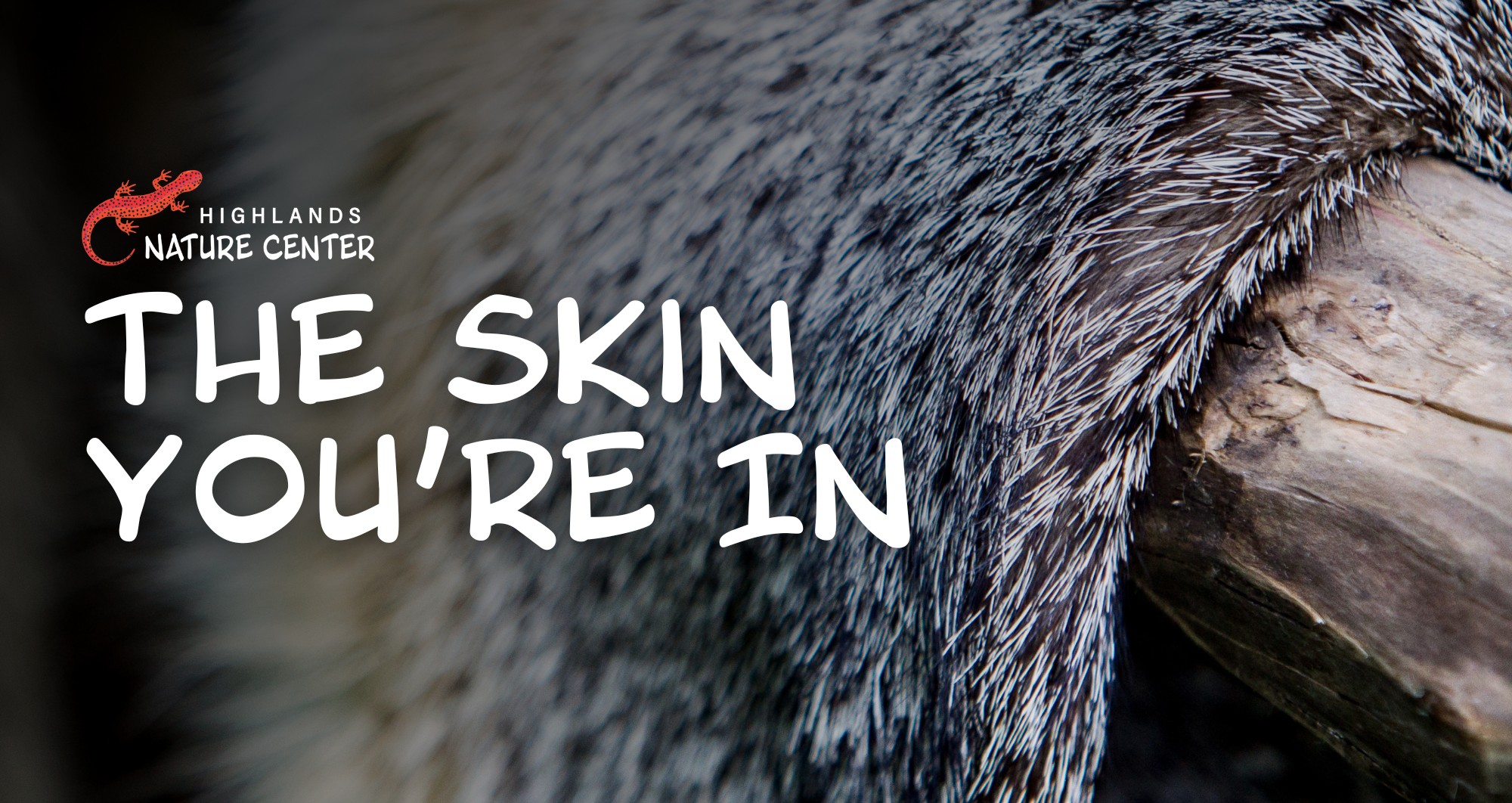
    Do you think you can identify an animal by its fur? Drop in for a few minutes, or stay and pair the ‘Who’s Out There?’ activities with this hands-on opportunity to see and feel a variety of animal skins! January 16th & 17th | 30th & 31st FREE | Drop-In, from 10 am - 3:30 pm Program provided by:

    Free
  • Who’s Out There? (Drop-In Station)

    Highlands Nature Center 930 Horse Cove Rd., Highlands, NC, United States

    Join us at the Nature Center to learn about the winter wildlife found across the Highlands Plateau. Our Education Specialists will be ready to welcome folks back with engaging conversations, interesting facts about our local flora and fauna, and a self-guided “specimen search” through our botanical gardens. January 16th & 17th | 30th & 31st FREE | Drop-In, from 10 am - 3:30 pm Program provided by:

    Free
  • The Skin You’re In (Drop-In Station)

    Highlands Nature Center 930 Horse Cove Rd., Highlands, NC, United States

    Do you think you can identify an animal by its fur? Drop in for a few minutes, or stay and pair the ‘Who’s Out There?’ activities with this hands-on opportunity to see and feel a variety of animal skins! January 16th & 17th | 30th & 31st FREE | Drop-In, from 10 am - 3:30 pm Program provided by:

    Free
  • Who’s Out There? (Drop-In Station)

    Highlands Nature Center 930 Horse Cove Rd., Highlands, NC, United States

    Join us at the Nature Center to learn about the winter wildlife found across the Highlands Plateau. Our Education Specialists will be ready to welcome folks back with engaging conversations, interesting facts about our local flora and fauna, and a self-guided “specimen search” through our botanical gardens. January 16th & 17th | 30th & 31st FREE | Drop-In, from 10 am - 3:30 pm Program provided by:

    Free
  • The Skin You’re In (Drop-In Station)

    Highlands Nature Center 930 Horse Cove Rd., Highlands, NC, United States

    Do you think you can identify an animal by its fur? Drop in for a few minutes, or stay and pair the ‘Who’s Out There?’ activities with this hands-on opportunity to see and feel a variety of animal skins! January 16th & 17th | 30th & 31st FREE | Drop-In, from 10 am - 3:30 pm Program provided by:

    Free
  • Grasses of the Southern Appalachians

    Highlands Biological Station 265 North 6th St, Highlands, NC, United States

    2 Credit Hours May 4–8, 2026 Instructor: Dr. Paul McKenzie, Retired Endangered Species Coordinator, U.S. Fish and Wildlife Service; Volunteer and Independent Contractor This course provides a comprehensive introduction to the identification, morphology, and ecology of grasses native to the Southern Appalachian region. Through a combination of lectures, lab-based keying exercises, and immersive field excursions, students will develop the skills necessary to recognize and differentiate grasses from related plant groups such as sedges and rushes. Classroom sessions will include detailed instruction on floral morphology, focusing on the structure and variation of grass flowers. Students will examine illustrative photographs and diagrams, review terminology essential to grass identification, and receive a full-color copy of the instructor’s presentation materials. Laboratory components will emphasize hands-on identification techniques using multiple dichotomous keys and a curated collection of over 200 pressed grass specimens housed at the Highlands Biological Station Herbarium. Field trips to local habitats will provide practical experience observing grasses in diverse landscapes and ecological settings. During past field excursions to the Buck Creek Barrens in Clay County, participants have encountered multiple timber rattlesnakes—students should therefore come prepared with appropriate field attire and exercise caution in these environments. Depending on the timing of the course, heavy grass pollen may also be present; students with allergies are encouraged to bring suitable sinus medication. Students enrolling for academic credit will complete an open-book final examination designed to reinforce key identification skills and botanical concepts.

    $500
  • Introduction to the Vascular Flora of the Blue Ridge

    Highlands Biological Station 265 North 6th St, Highlands, NC, United States

    2 Credit Hours May 18–22, 2026 Instructor: Dr. Paul Manos, Duke University Cost: $500.00 This course welcomes students, professional biologists, and plant enthusiasts alike. Centered on the rich botanical diversity of the Highlands Plateau, it provides both an introduction and a refresher on studying vascular plant diversity. Through a community-based lens, participants will explore the flora of the Blue Ridge during field excursions and hands-on identification exercises. Course objectives include: Understanding key distinguishing features among lycophytes, ferns, and seed plants. Learning field characteristics of common and rare species and the habitats they occupy. Developing confidence in using identification keys. Gaining a clearer understanding of the ecology of major regional plant communities and the biogeography of their species. This immersive field experience offers a strong foundation for anyone interested in the botanical richness of the Southern Appalachians.

    $500
  • Identification and Conservation of Wetland Plants

    Highlands Biological Station 265 North 6th St, Highlands, NC, United States

    2 Credit Hours May 25–29, 2026 Instructors: Dr. Joey Shaw, UT-Chattanooga This course is designed for anyone wishing to strengthen their skills in observing, collecting, identifying, and assessing the ecological “quality” of wetland plant species. Accurate identification is essential not only for understanding wetland integrity and ecological condition, but also for conducting professional wetland delineations. Whether you are new to wetland flora or looking to sharpen existing skills, this course offers a supportive environment for learners at multiple levels. Students should have a basic understanding of botanical terminology and plant structures, but there is no expectation that everyone enters with the same experience. Participants may focus on different plant groups—woody species, graminoids, or others—collecting specimens that align with their individual interests. Each day features a field excursion to a local wetland within roughly an hour of the Station. Students will collect plant specimens of interest, then return to the lab for hands-on identification work using dichotomous keys, online herbarium resources, and other reference materials. Together, we will use tools such as coefficients of conservatism to better understand the ecological integrity of the wetlands we explore. While the range of wetland types will be limited to what is found regionally, the focus of the course is on building practical, adaptable identification skills. Throughout the week, Dr. Shaw will serve as a guide in interpreting key couplets, terminology, and diagnostic features. Students will also be encouraged to develop their own reference collections; the final portion of the course will be devoted to assembling and refining these materials. A working draft of the instructor’s forthcoming Second Edition of the Guide to the Vascular Plants of Tennessee will serve as the primary key for species identification, and copies will be provided.

    $500
  • Biology of Southern Appalachian Salamanders

    Highlands Biological Station 265 North 6th St, Highlands, NC, United States

    4 Credit Hours May 25 – June 5, 2026 Instructors: Kenneth H. Kozak, Ph.D. (University of Minnesota) & Joseph H. K. Pechmann, Ph.D. (Western Carolina University) The Southern Appalachians are home to one of the richest and most ecologically significant salamander assemblages on Earth. This immersive field- and lab-based course introduces students to the extraordinary diversity, biology, and evolutionary history of these remarkable amphibians. Through a blend of lectures, guided discussions, hands-on laboratory work, and targeted field excursions across multiple Appalachian mountain ranges, students will explore foundational and advanced concepts in evolutionary biology and ecology. Topics include reconstructing evolutionary histories, species concepts and delimitation, life-history variation, population and community dynamics, and the role of salamanders in forest ecosystems. Readings from primary literature will deepen understanding of current research and methodologies. Students will gain experience identifying regional taxa, conducting field and laboratory analyses, and interpreting evolutionary and ecological data—while engaging directly with the landscapes that make the Southern Appalachians a global hotspot for salamander diversity. Prerequisites: Introductory biology, ecology, or evolution, or permission of the instructors.

    $1000