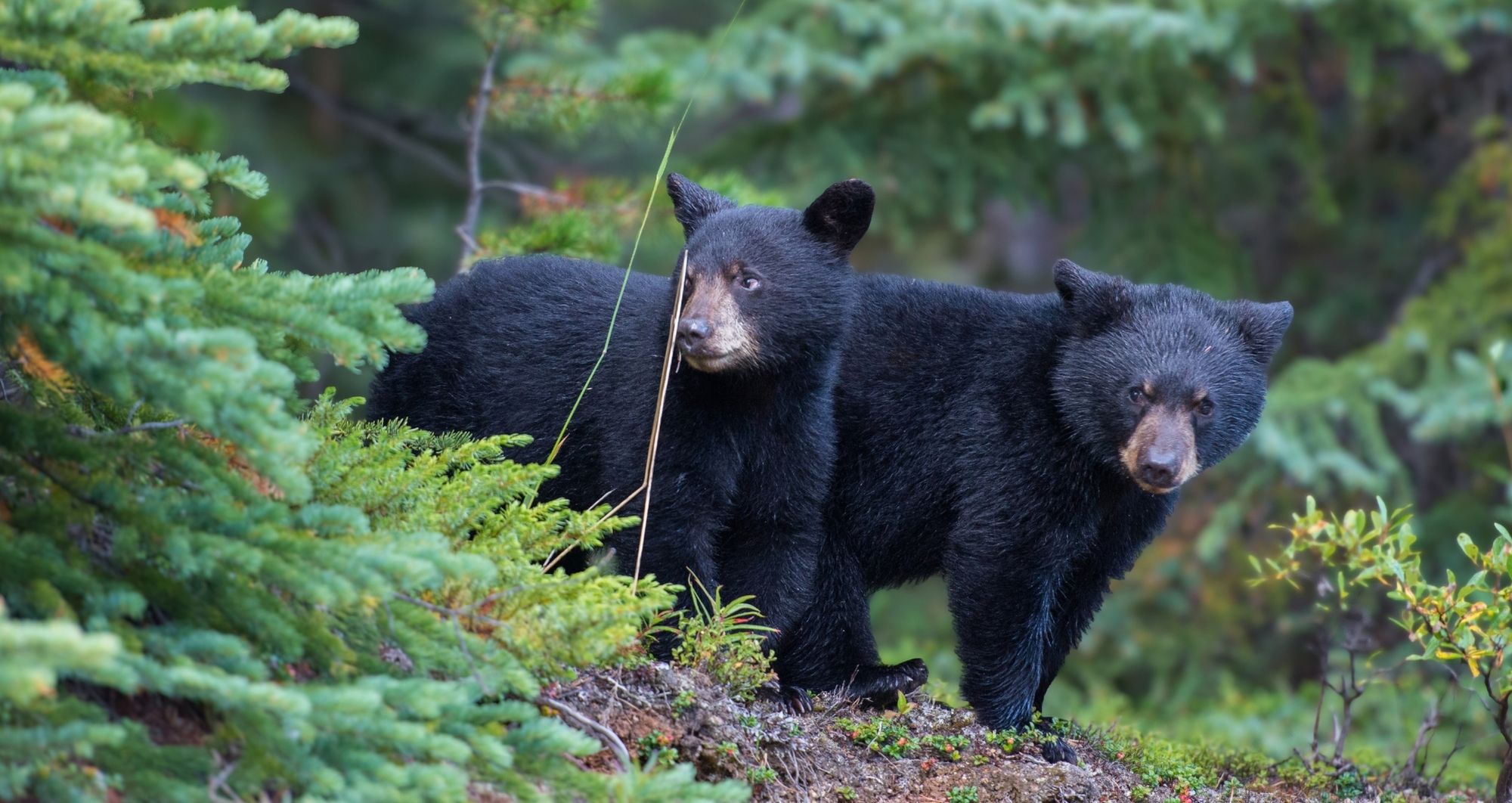
Biology of Southern Appalachian Mammals
Highlands Biological Station 265 North 6th St, Highlands4 Credit Hours July 6–17, 2026 Instructor: Dr. Catherine Haase, Associate Professor, Department of Biology; Principal Investigator, Center of Excellence for Field Biology, Austin Peay State University Explore the remarkable diversity of mammals that call the Southern Appalachian Mountains home. This intensive field course blends lecture, laboratory, and hands-on field experiences to immerse students in the biology, ecology, and conservation of regional mammalian species. Students will study the defining characteristics, taxonomy, and adaptations of major mammalian Orders and Families—paying particular attention to those species most representative of the Southern Appalachians. In the lab, participants will work with museum specimens such as skulls and skins to develop identification and diagnostic skills while learning key terminology in anatomy and morphology. Field components of the course will introduce essential wildlife research techniques, including live-trapping with Sherman traps, mark-recapture studies, and radio telemetry for tracking movement and population ecology. Students will collect, analyze, and interpret field data that reflect professional research practices in mammalogy and conservation biology. Lecture topics will cover mammalian physiology, metabolism and thermoregulation, reproductive strategies, environmental adaptations, feeding ecology, spatial behavior, and the conservation challenges facing Appalachian mammal populations. Assessments include a lab practical, a lecture exam, and an oral presentation focusing on a unique adaptation that enables a mammalian species to thrive in this biodiverse region. By the end of the course, students will be able to: Identify local mammal species and understand their ecological and physiological adaptations Apply analytical and field techniques to evaluate habitat use and population dynamics Gain practical experience that builds a foundation for careers in wildlife biology, ecology, and conservation science This course offers a comprehensive and immersive introduction to mammalogy and field ecology within one of North America’s most biologically rich mountain regions.
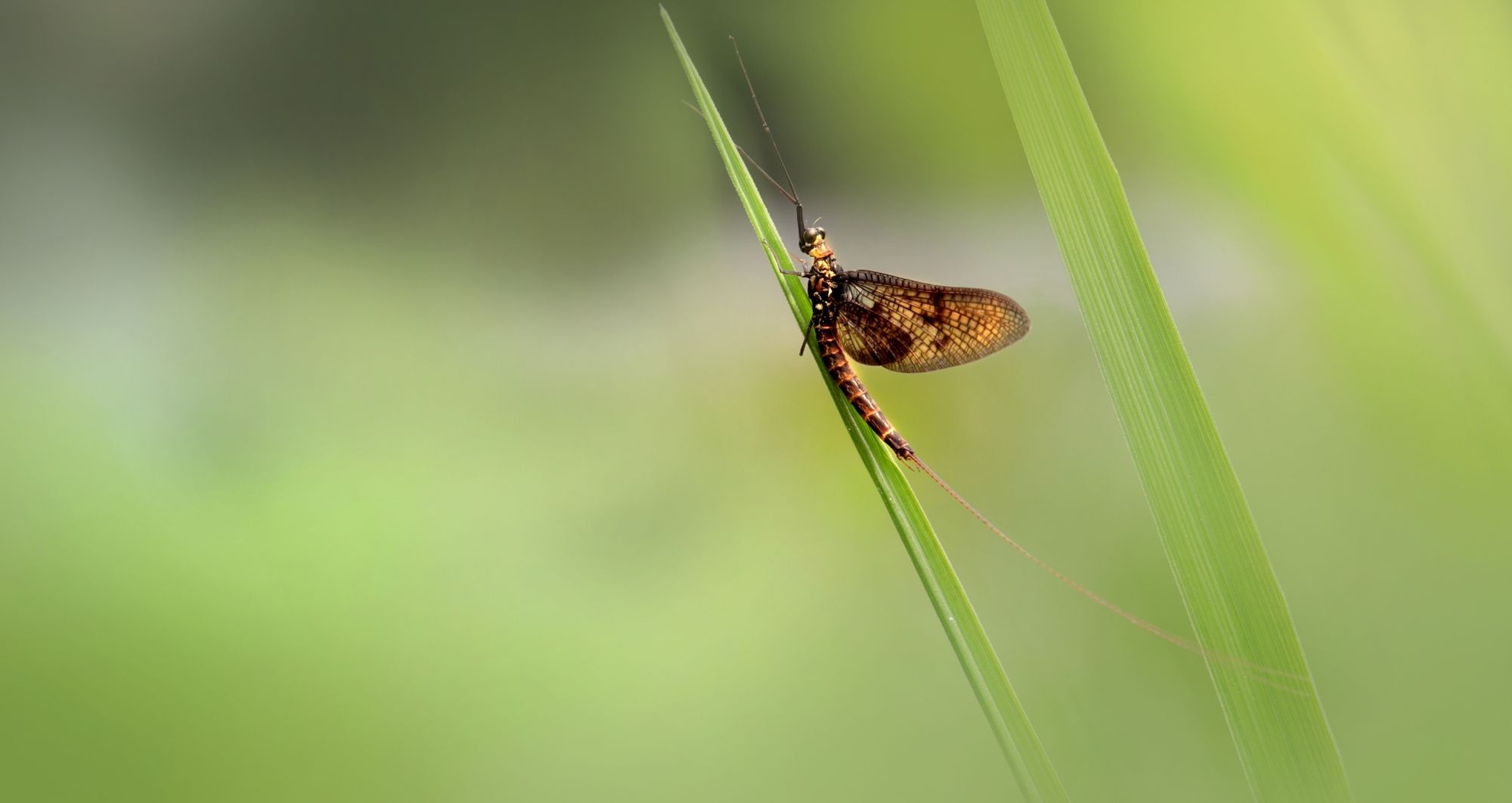
Southern Appalachian Mayflies, Stoneflies, and Caddisflies: Session 2
Highlands Biological Station 265 North 6th St, Highlands4 Credit Hours July 6-17, 2026 Instructors: Session 1: Dr. John Morse, Clemson University & Dr. Alexander Orfinger, Dalton State College. Session 2: Dr. John Morse, Clemson University & Dr. Kelly Murray-Stoker, Emory University This immersive, two-week course provides a comprehensive introduction to the natural history, evolution, and taxonomy of the three major aquatic insect orders used in freshwater bioassessment: mayflies (Ephemeroptera), stoneflies (Plecoptera), and caddisflies (Trichoptera). Through a combination of several field excursions to Appalachian mountain streams and focused laboratory identification sessions, students will develop the skills needed to recognize EPT larvae—typically to at least genus—and adults to family level. Course topics include systematics, morphology, behavioral and physiological adaptations for freshwater life, and the ecological roles of EPT taxa in stream ecosystems. Fieldwork emphasizes diverse collecting techniques across multiple stream orders, while laboratory sessions provide structured practice with diagnostic characters and curated identification resources. Throughout the course, students engage with the principles that make EPT taxa foundational to ecological monitoring, water-quality assessment, and aquatic biodiversity research. Ideal for students in ecology, entomology, environmental science, or freshwater biology, this course offers the rare opportunity to build taxonomic expertise through intensive hands-on training in one of the most biodiverse regions of the Southern Appalachians.
Recent Comments