All Day

The Biology and Conservation of Birds

Highlands Biological Station 265 North 6th St, Highlands

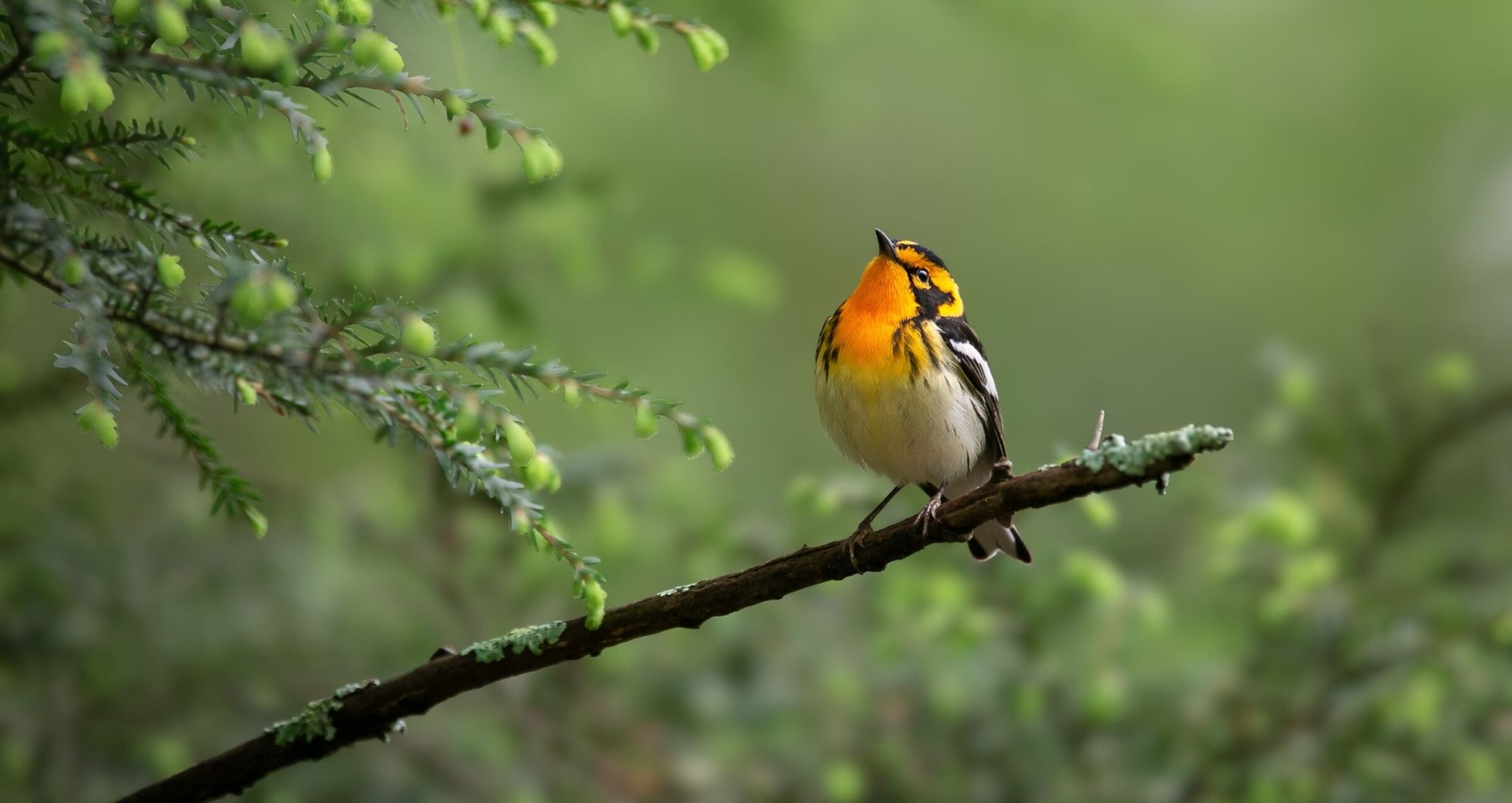
4 Credit Hours June 15–26, 2026 Instructors: Dr. Rob Bierregaard, Acadamy of Natural Sciences/Drexel University (Retired) This two-week intensive course offers a comprehensive introduction to avian biology, behavior, and conservation, grounded in both field experience and laboratory study. Mornings are spent on field excursions where students will develop bird identification skills by sight and sound while observing and interpreting behavior—examining not just what birds are doing, but why they do it. Afternoon sessions begin with lectures covering key themes in ornithology, including the evolutionary diversification of birds, avian communication through songs and displays, migration ecology, and contemporary conservation challenges. Students will then synthesize their morning field observations and engage in hands-on laboratory work using study specimens, skeletal materials, raptor migration datasets, and their own field-recorded audio. By the end of the course, students will build strong identification skills, deepen their understanding of avian ecology and evolution, and gain practical experience with the tools and methods used in modern ornithological research.

$1000

Southern Appalachian Mayflies, Stoneflies, and Caddisflies: Session 1

Highlands Biological Station 265 North 6th St, Highlands

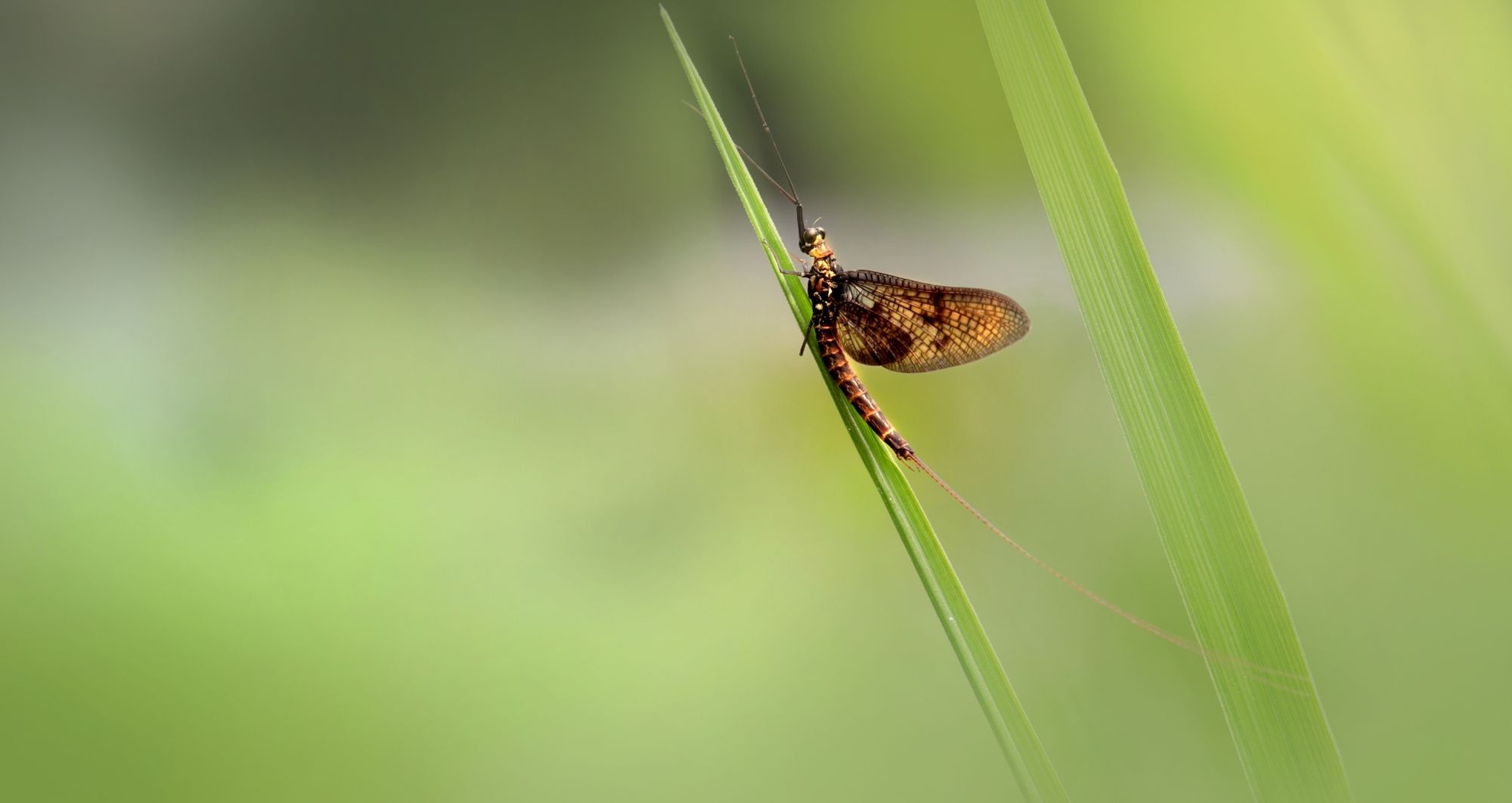
4 Credit Hours June 21–July 2 Instructors: Session 1: Dr. John Morse, Clemson University & Dr. Alexander Orfinger, Dalton State College. Session 2: Dr. John Morse, Clemson University & Dr. Kelly Murray-Stoker, Emory University Cost: $1,000.00 This immersive, two-week course provides a comprehensive introduction to the natural history, evolution, and taxonomy of the three major aquatic insect orders used in freshwater bioassessment: mayflies (Ephemeroptera), stoneflies (Plecoptera), and caddisflies (Trichoptera). Through a combination of several field excursions to Appalachian mountain streams and focused laboratory identification sessions, students will develop the skills needed to recognize EPT larvae—typically to at least genus—and adults to family level. Course topics include systematics, morphology, behavioral and physiological adaptations for freshwater life, and the ecological roles of EPT taxa in stream ecosystems. Fieldwork emphasizes diverse collecting techniques across multiple stream orders, while laboratory sessions provide structured practice with diagnostic characters and curated identification resources. Throughout the course, students engage with the principles that make EPT taxa foundational to ecological monitoring, water-quality assessment, and aquatic biodiversity research. Ideal for students in ecology, entomology, environmental science, or freshwater biology, this course offers the rare opportunity to build taxonomic expertise through intensive hands-on training in one of the most biodiverse regions of the Southern Appalachians.

$500