
Summer Series · June–August 2026
Science on the Rocks
Relaxed, come-as-you-are gatherings where the community meets the researchers studying the Highlands Plateau. Pack in a beverage, bring your curiosity, and settle in for the conversation.
- Wednesdays
- 4:00 PM
- On campus at HBS
- Free & open to all
About the series
Science, conversation, and the people behind the research
Each week a researcher or staff member shares the work happening on and around the Highlands Plateau — from bats and salamanders to glow worms and tree rings. Ask questions, trade ideas, and get a closer look at the science of the southern Blue Ridge. All programs begin at 4:00 PM, and the location on campus is weather-dependent.
The 2026 lineup
Nine Wednesdays on the Plateau
Jump straight to a talk, or scroll the full season below.
-
![Rachel Price]()
Microplastics in Big Brown Bats and the Influence of Urbanization
Rachel Price · Grant-in-Aid Researcher
Kick off the series with a conversation about microplastics in Big Brown Bats (Eptesicus fuscus) from North Carolina. Rachel's research explores whether county-level urbanization is associated with the presence of microplastics in bat organs — a closer look at how human activity may leave traces in wildlife in unexpected ways.
-
![Nicci Barrett]()
Batpack AT
Nicci Barrett · Research Assistant
Join HBS Research Assistant Nicci Barrett for a relaxed conversation about bat research and fieldwork at the Station — a behind-the-scenes look at the tools, questions, and discoveries connected to studying bats in the Southern Appalachians.
-
![Liam Stiefel]()
Dendrochronology
Liam Stiefel · University Program Associate
What can trees tell us about the past? Join Liam for an informal conversation on dendrochronology — the science of using tree rings to better understand history, climate, forest growth, and environmental change, and how trees serve as living records of the landscapes around us.
-
![David Adams]()
![Evangeline Bradley]()
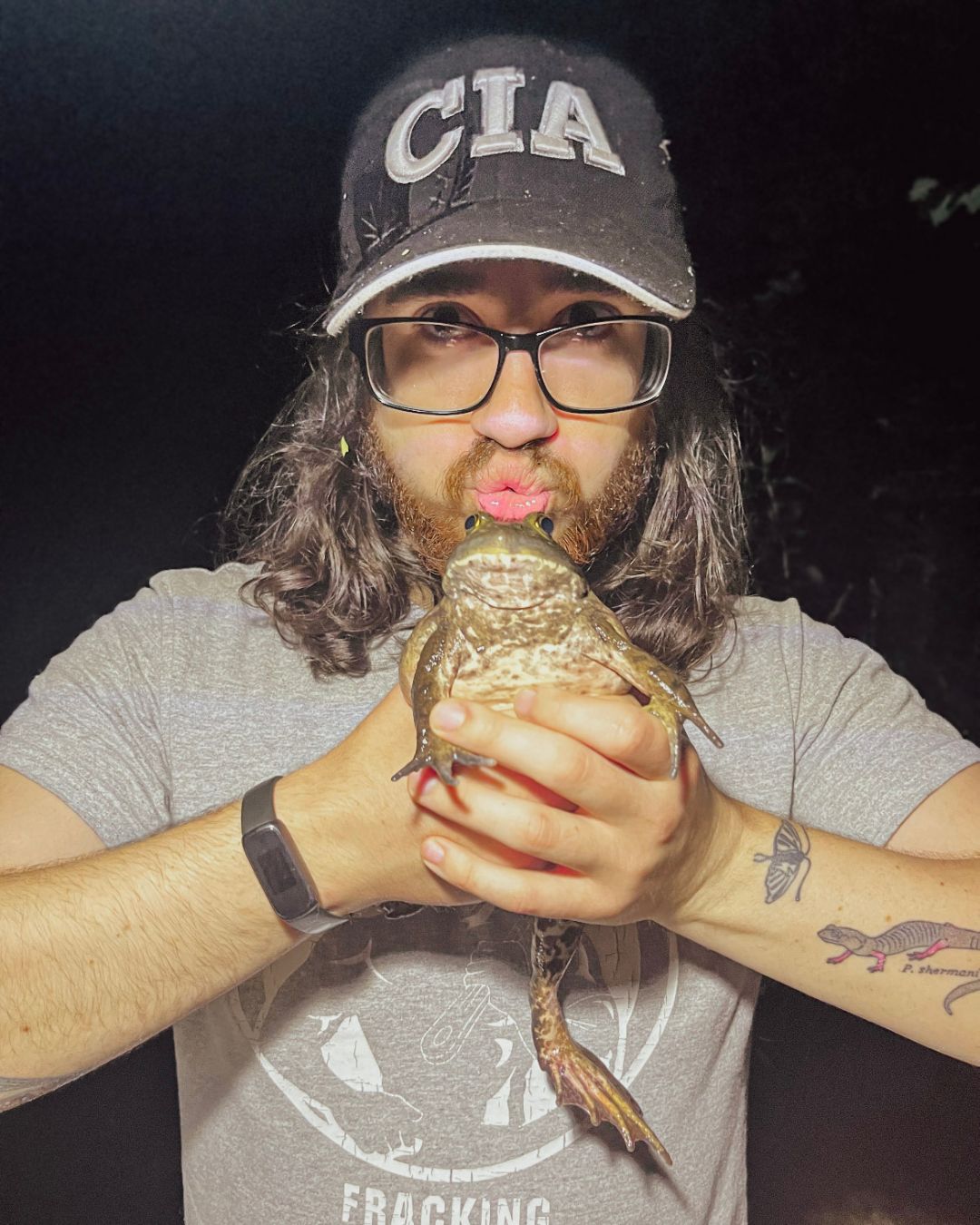
Woodland Salamander Physiology, Life History, and Population Health
David Adams & Evangeline Bradley · Grant-in-Aid Researchers
An evening focused on woodland salamanders. David's work integrates physiology with long-term mark-recapture data to understand salamander population demography, while Evie's research tests pace-of-life syndrome predictions. Together, their projects offer a deeper look at the lives of these important Southern Appalachian amphibians.
-
![Cam McClellan]()
Bats, Geology, and Conservation Context in North Carolina
Cam McClellan · Grant-in-Aid Researcher
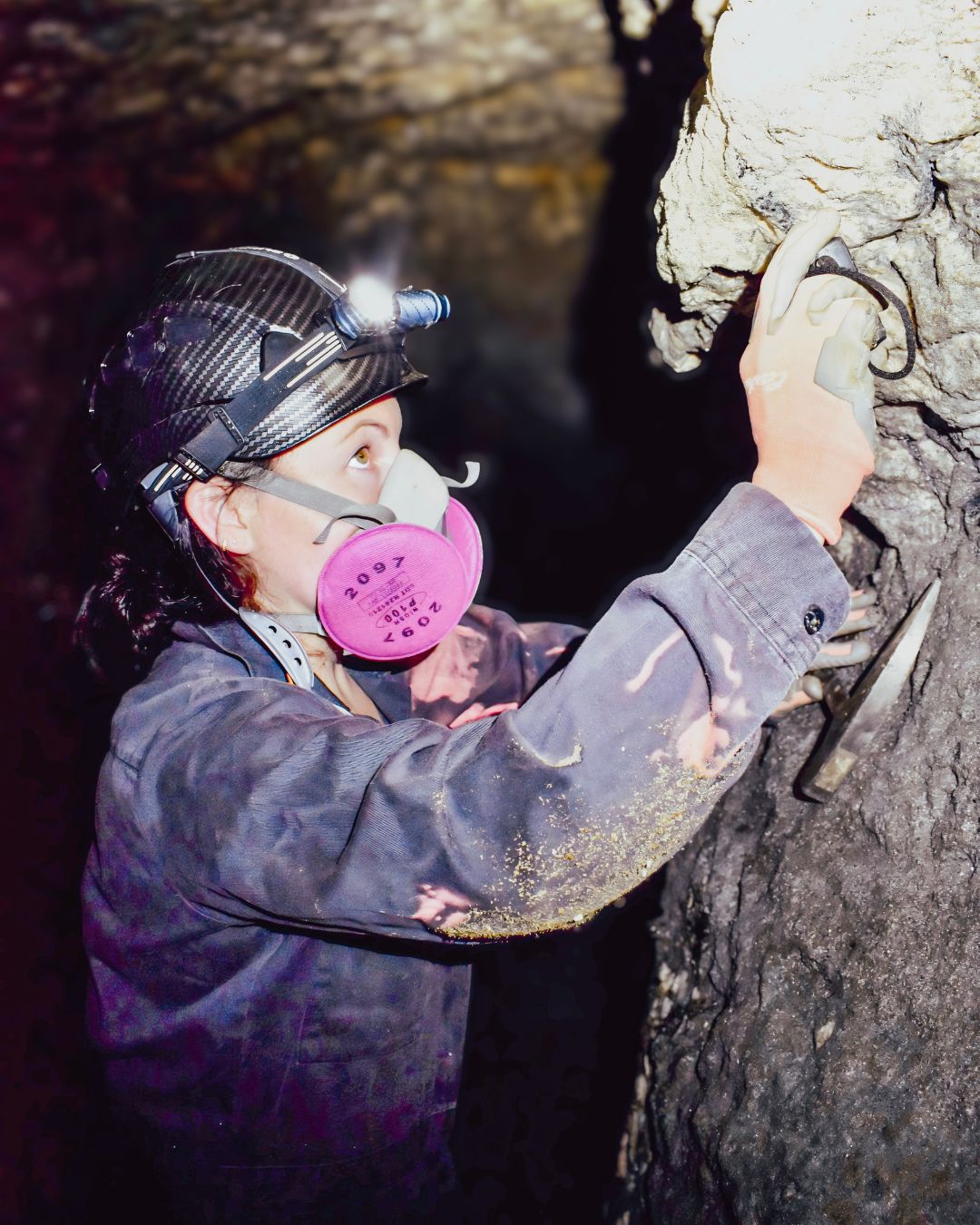
Explore the connections between bats, geology, and conservation in North Carolina. Cam's research considers how geological context shapes the way we understand bat ecology and conservation needs — encouraging us to look not only at the species, but at the physical landscapes that support them.
-
![Heather Pratt]()
Glow Worms of the Highlands Plateau
Heather Pratt
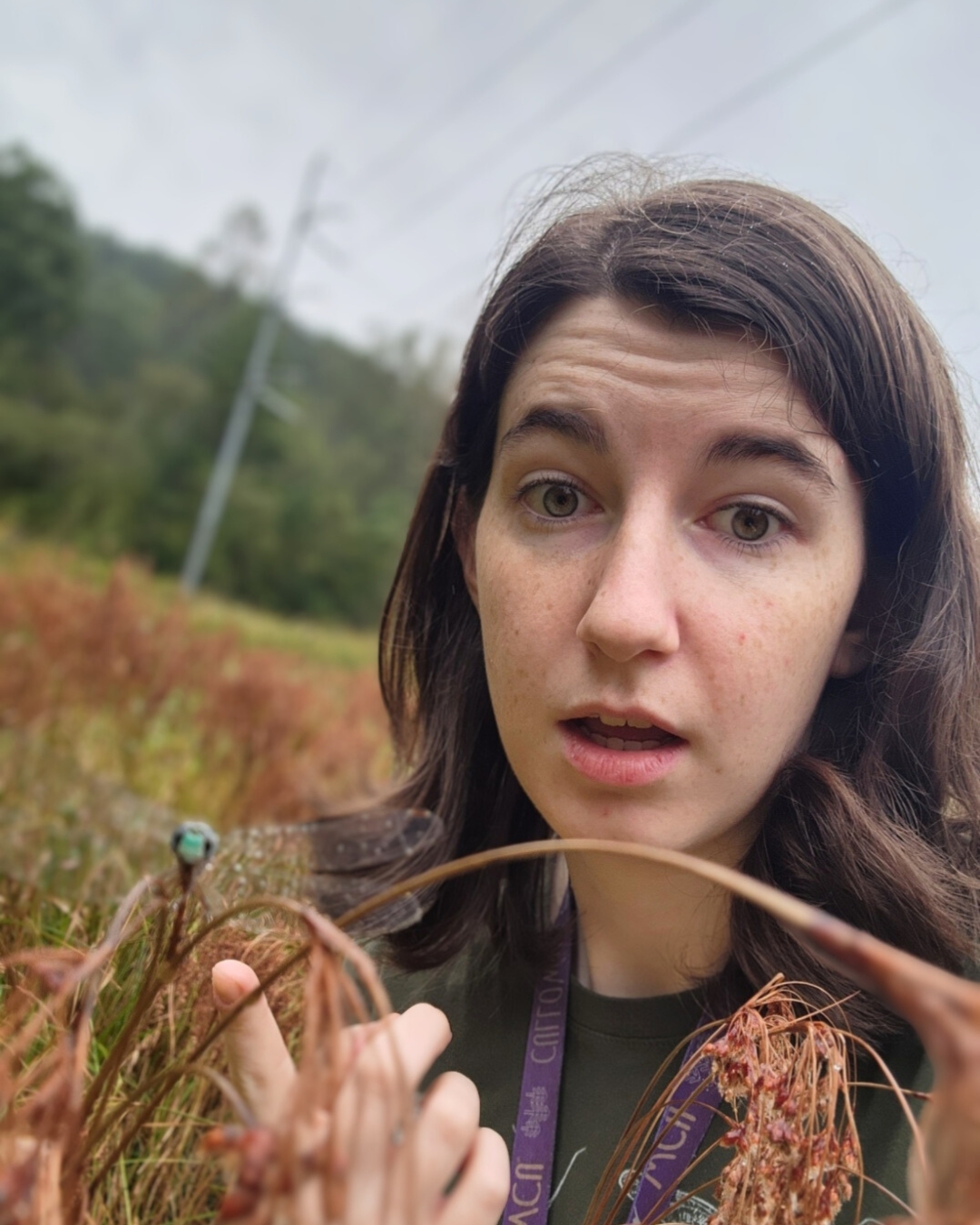
An informal conversation about the fascinating glow worms of the Highlands Plateau — tiny bioluminescent insects that bring a little nighttime magic to our forests. Heather shares their biology, behavior, and ecology: where they're found, why they glow, and what they teach us about the hidden lives of insects after dark.
-
![Jake Thompson]()
Conservation Research on Kral's Water Plantain
Jake Thompson · Grant-in-Aid Researcher
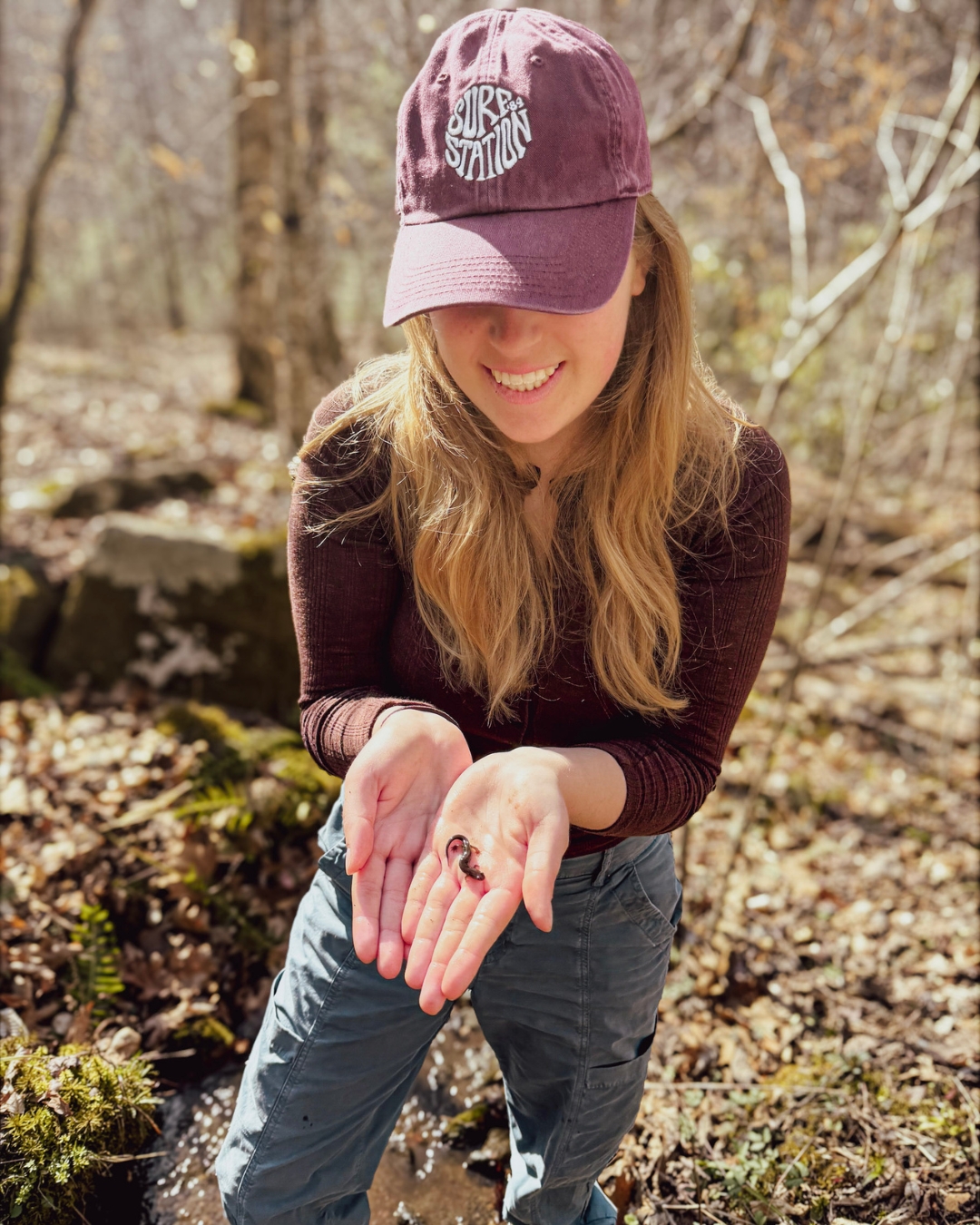
A conversation about Kral's water plantain (Sagittaria secundifolia), a threatened aquatic plant with an important conservation story. Jake's research focuses on the propagation, growth, and reproduction of this rare species — building a better understanding of what it needs to survive and how conservation efforts might support its future.
-
![Paul Nicolosi]()
The Hidden Chemical World of Salamanders
Paul Nicolosi · Grant-in-Aid Researcher
A conversation about the hidden chemical world of salamanders. Paul's research focuses on the functional characterization of chemosensory secretions in plethodontid salamanders — a fascinating look at how these lungless amphibians use chemical signals to interact with their environment and with one another.
-
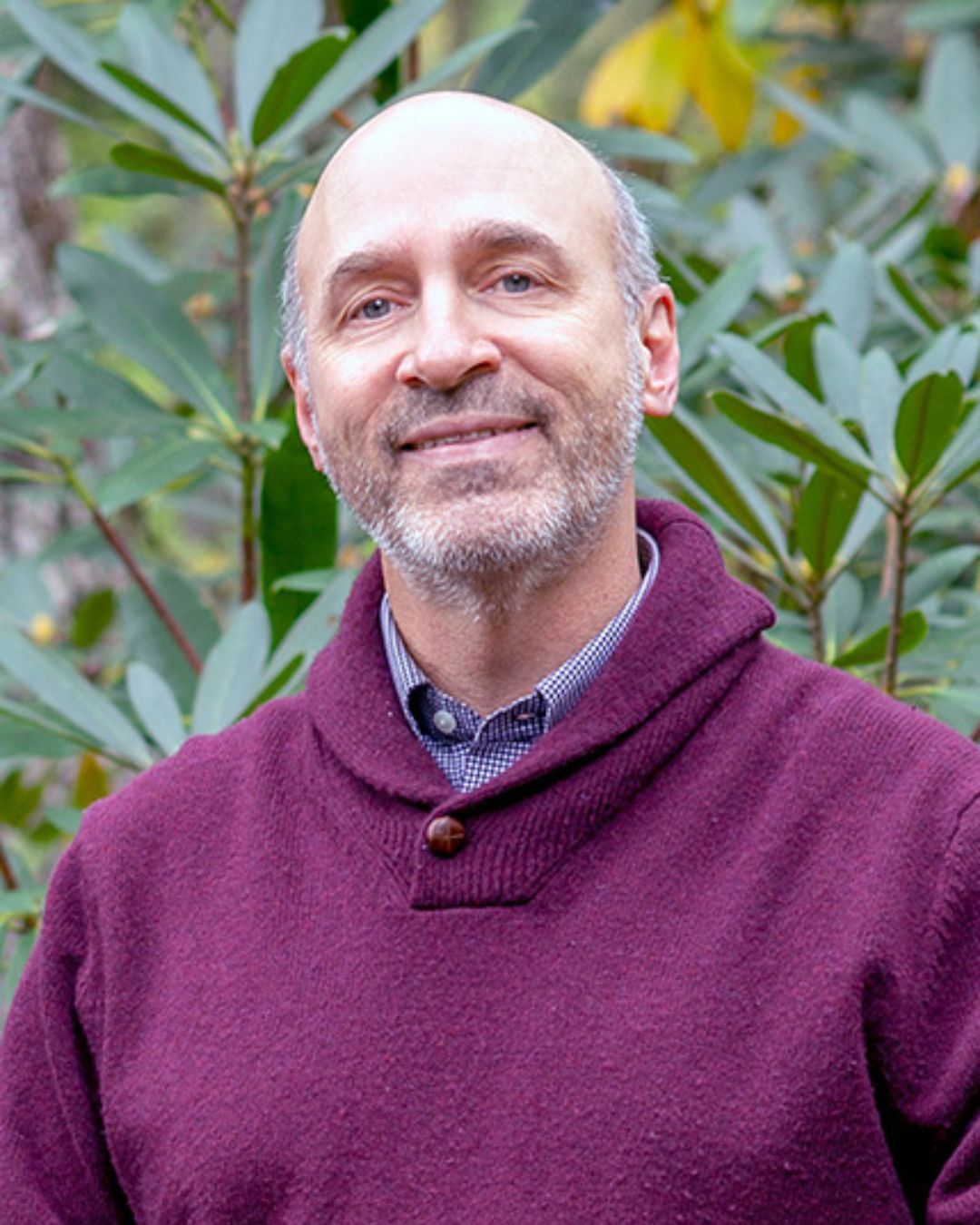
![Dr. Jim Costa]()
“Crushed Under a Mountain of Facts…”: Darwin, Wallace, and the Shaping of The Descent of Man
Dr. Jim Costa
Close out the 2026 season with a special conversation featuring Dr. Jim Costa and his new book. Dr. Costa explores the scientific, historical, and personal forces that shaped Charles Darwin's The Descent of Man, tracing the intellectual world of Darwin and Alfred Russel Wallace and how their ideas on evolution, natural selection, and humanity developed, overlapped, and diverged.
Drawing from his new book, he shares insights into the history of evolutionary thought, the correspondence and debates that shaped the era, and the “mountain of facts” Darwin worked to organize into one of his most significant works.
Plan your visit
Come as you are
These are free, relaxed, outdoor gatherings. Here's what to know before you go.
When
Select Wednesdays, June 10 through August 12, 2026. Every talk begins at 4:00 PM.
Where
On the Highlands Biological Station campus, 265 N. Sixth Street, Highlands, NC. The exact spot is weather-dependent. Get directions.
What to bring
Pack in a beverage of choice and your curiosity, then settle in for an engaging conversation.
Cost
Every talk is free and open to the public — no registration required.