
Highlands Biological Station
Biodiversity of Highlands, NC
In the southern Blue Ridge, life piles up in staggering variety — a cool, wet mountain world that ranks among the most biologically diverse temperate regions on Earth.
A global biodiversity hotspot
A cool, crowded corner of the temperate world
The southern Appalachian Mountains are among the most biologically diverse regions in the temperate world — a richness measured both in the sheer number of species and in their abundance.
Nearly 10,000 species are known to inhabit the region, and more are discovered every year — some entirely new to science. Certain groups, such as salamanders and fungi, reach their greatest diversity on Earth here, alongside notably rich communities of trees, mosses, millipedes, spiders, moths, beetles, and snails. Many are endemic, found nowhere else.
Why so much life?
Three forces that built a biodiversity hotspot
Geography, climate, and deep time conspired here, turning the southern Blue Ridge into a refuge, a mosaic of microclimates, and a rainforest in the mountains.

A safe harbor when the ice came south
Pleistocene~11,000 years ago
During the Pleistocene, glaciers blanketed much of North America. As the ice advanced, northern species migrated south and found refuge in the Southern Appalachians. When the glaciers finally retreated, many simply stayed — seeding the rich mix of life we see today.
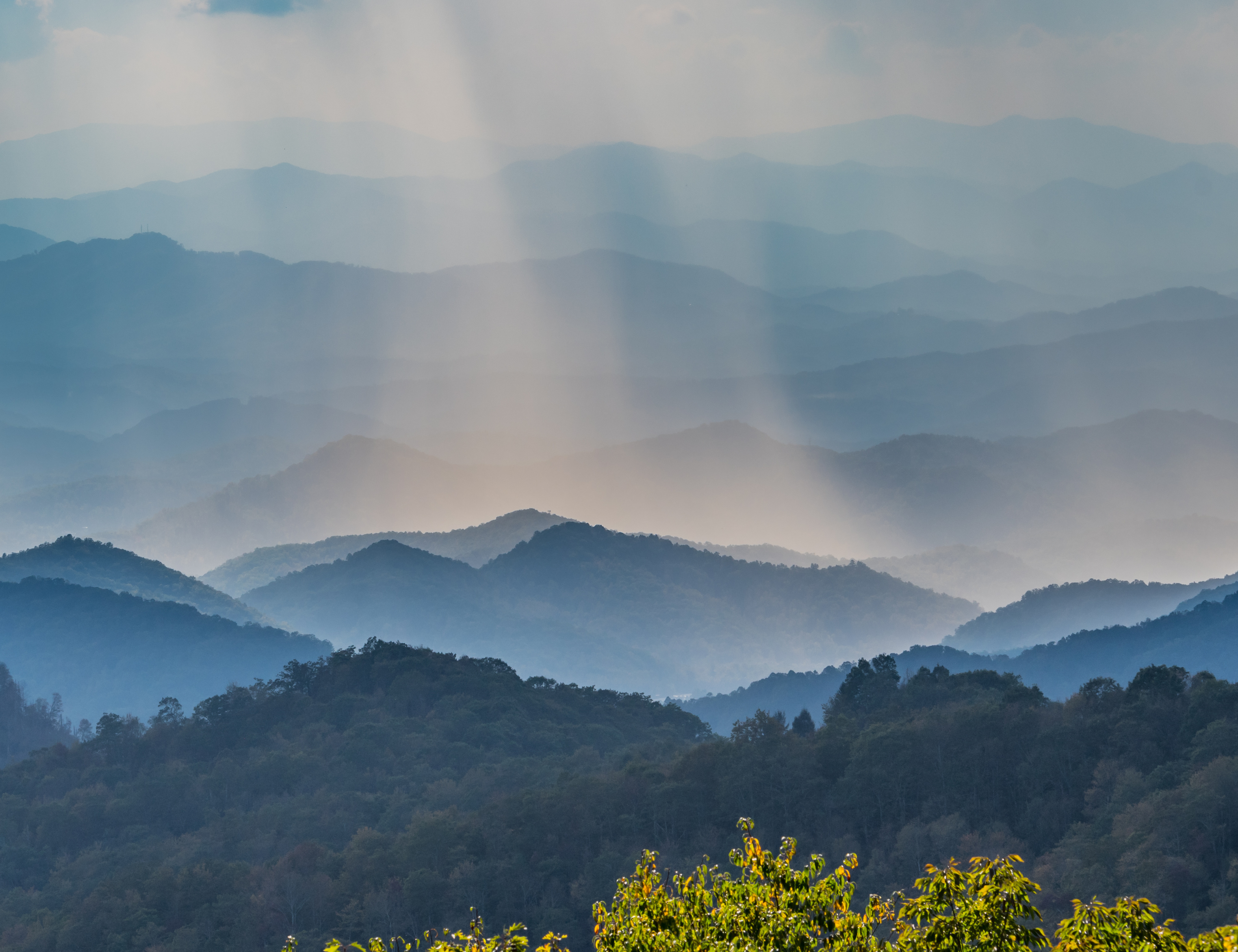
Elevation that mimics a journey north
Elevation gradientriver gorgessky-island peaks
A wide span of elevation mimics the effect of travelling north or south, layering species atop one another. Deep river gorges hold cool, stable microclimates, while isolated peaks act as “habitat islands” that nudge populations toward genetic diversity.
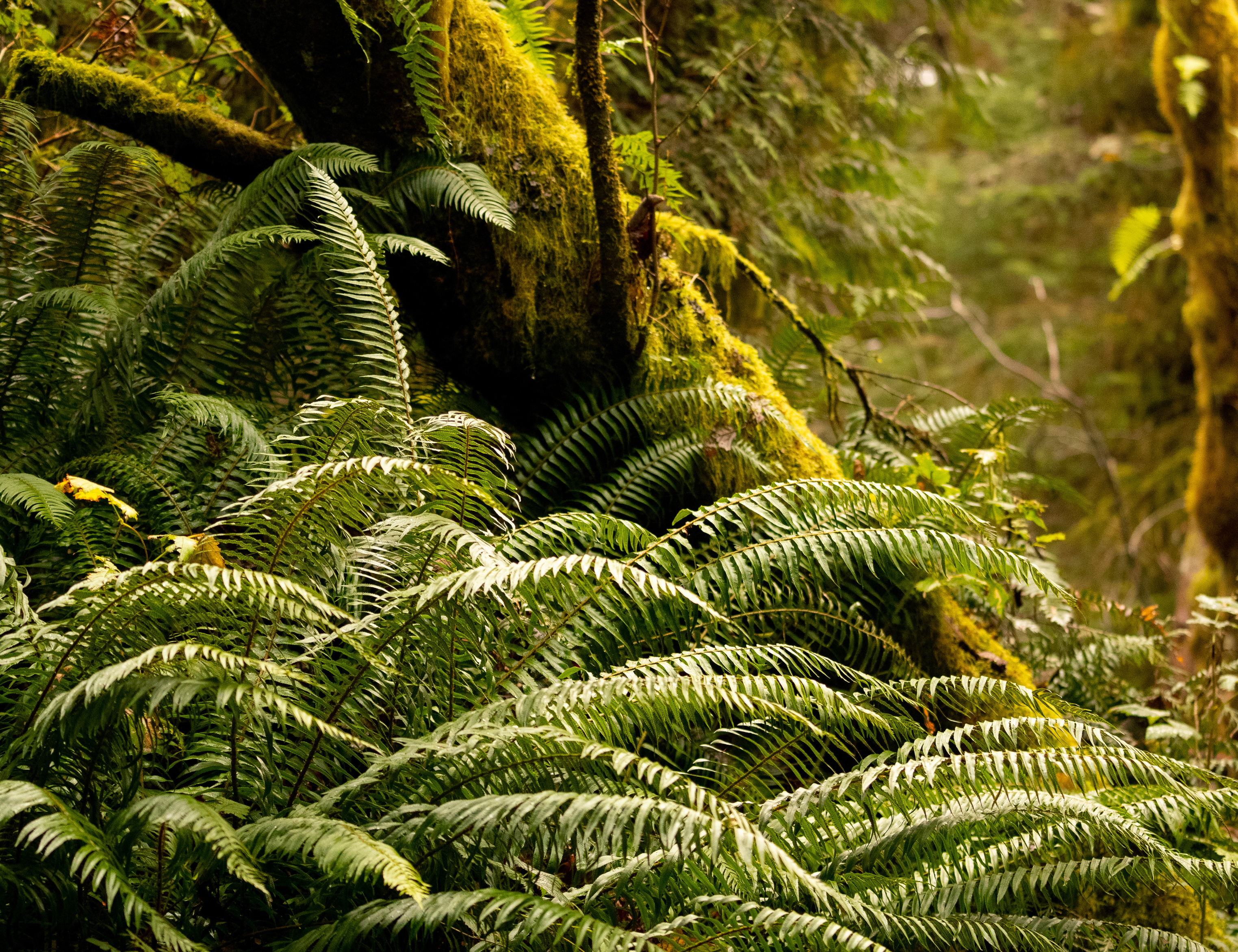
A temperate rainforest in the mountains
40–61°F average87–100+ in. rain / yr
Mild temperatures — 40° to 61°F on average — and abundant rainfall of 87 to well over 100 inches a year create ideal conditions for an extraordinary range of life. The Highlands Plateau is wet enough to qualify as a temperate rainforest.
Biodiversity in the Southern Appalachians
From hidden kingdoms to towering forests
Some of the region’s richest diversity hides in plain sight — in the soil, the leaf litter, and the forest canopy.
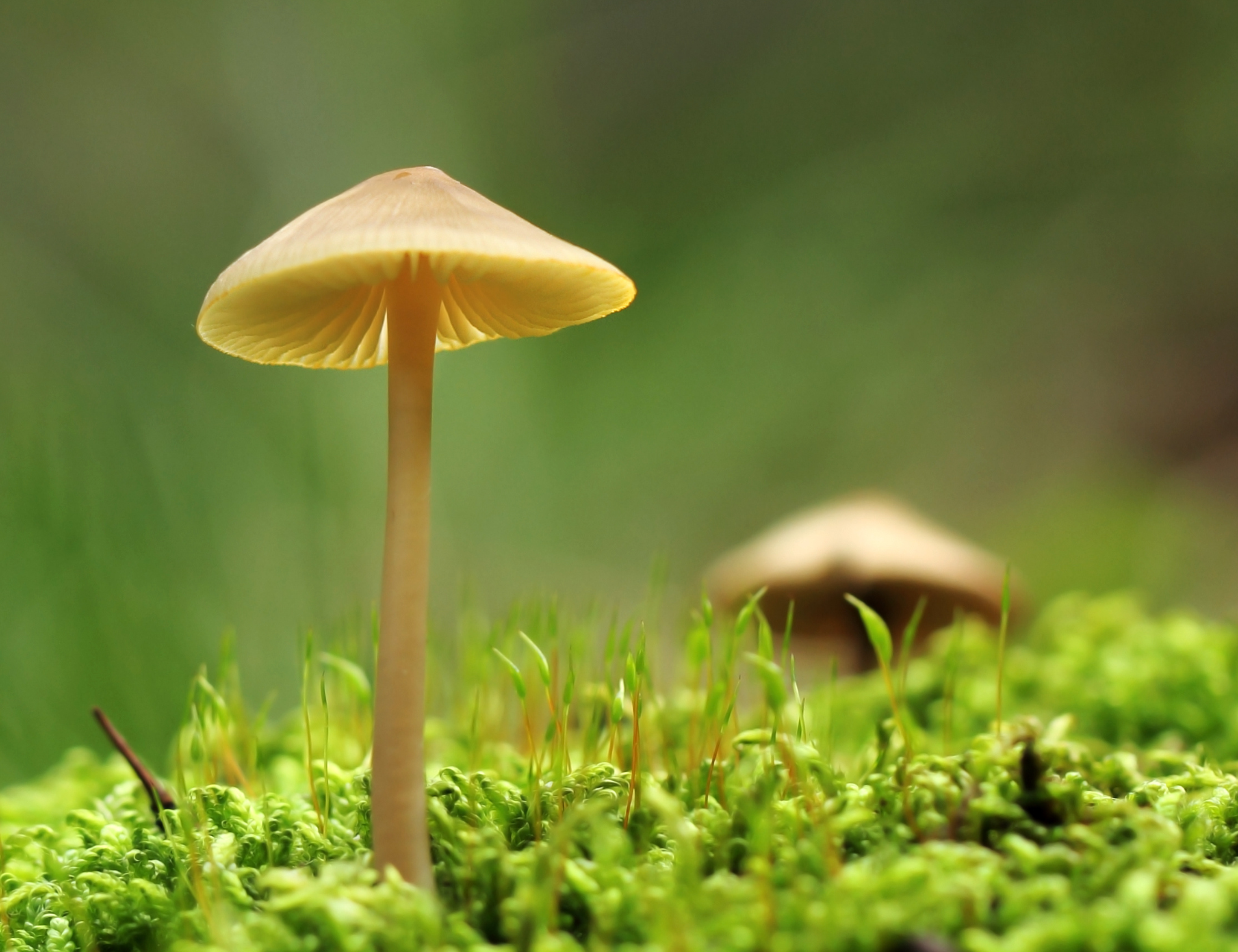
A vast and largely hidden kingdom
Fungi flourish in the wet, shaded habitats of the Southern Appalachians, and we have only begun to catalog them. They range from brightly colored mushrooms to molds and microscopic sac fungi.
- ≈2,300described species
- 20,000may exist
Powerful decomposers, fungi break down organic matter and keep entire forest ecosystems healthy.
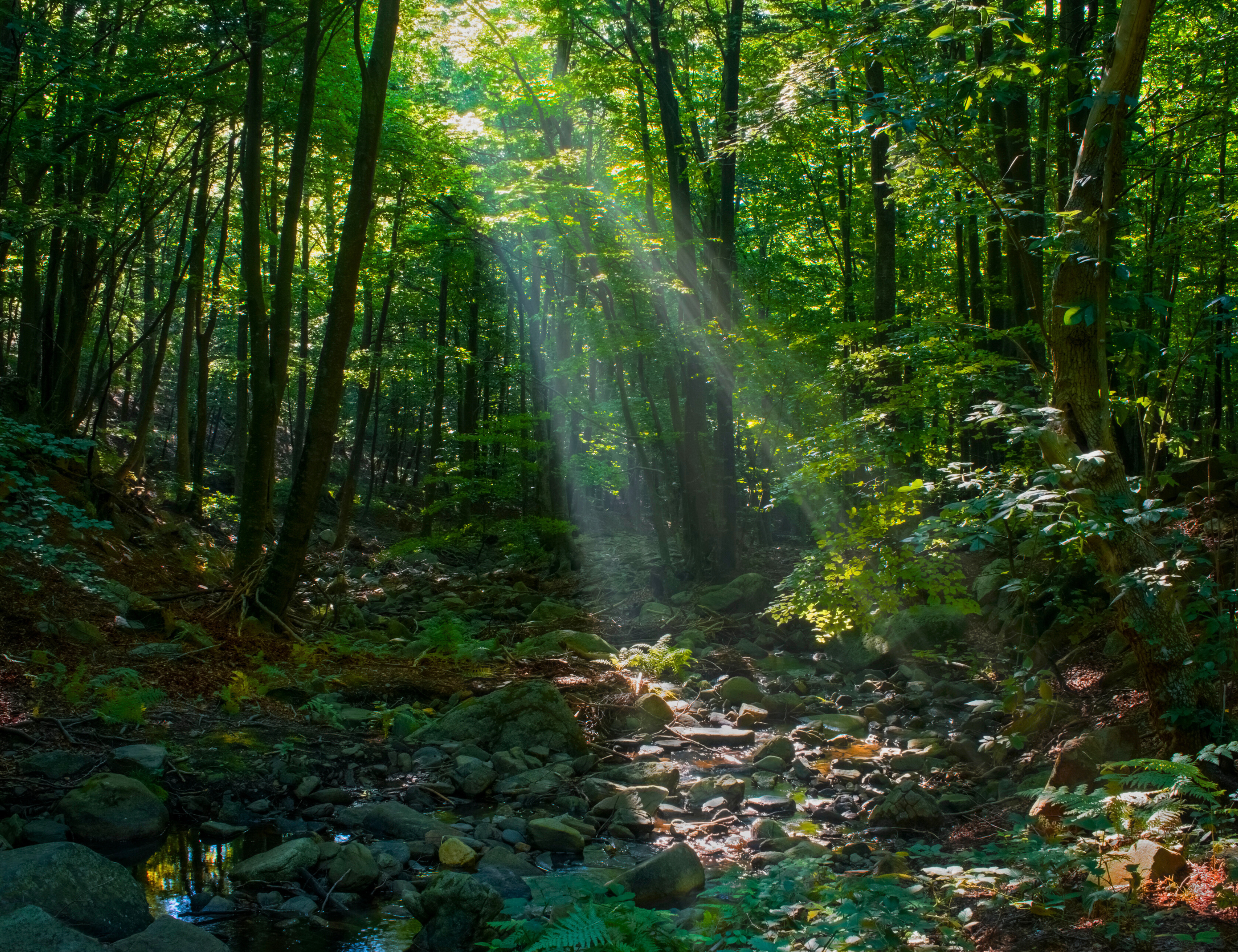
Diverse forests, from streambanks to summits
Plant communities shift dramatically with elevation, moisture, and slope. Cove hardwood forests can pack nearly 60 species of trees and shrubs into a single stand, while spruce-fir forests cap the highest peaks above 5,000 feet, with northern hardwood, pine–oak, and hemlock forests filling the slopes below.
- 100+native trees
- 1,400flowering plants
- 500mosses & ferns
This vertical layering builds habitat upon habitat, each with its own community of life.
Tiny creatures, outsized impact
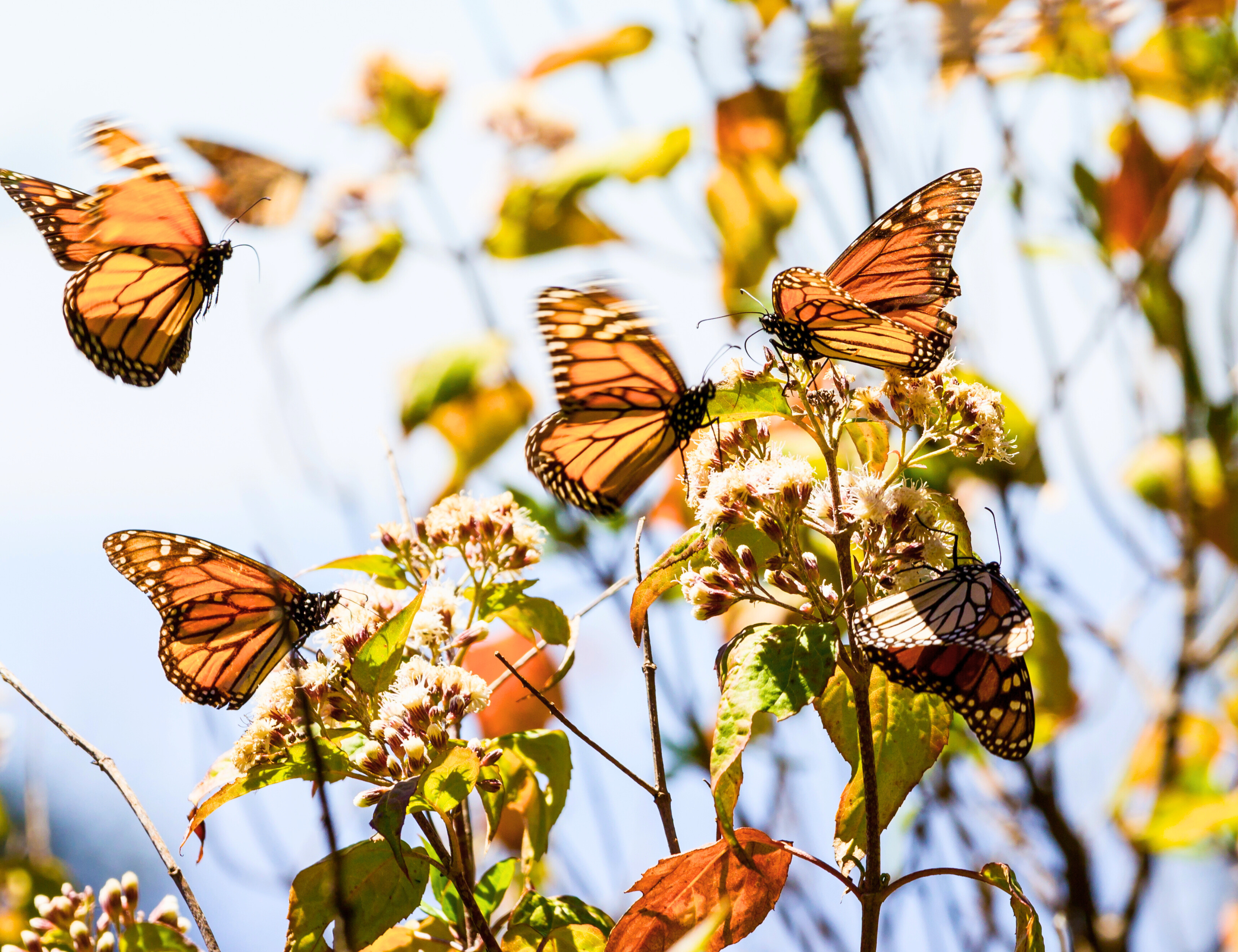
Tucked into leaf litter and hidden under logs, invertebrates are a cornerstone of Appalachian biodiversity — and the region is a global hotspot. Arachnid surveys may eventually top 800 species, millipede diversity ranks among the highest on Earth, and many of the region’s land snails live nowhere else.
- 460+arachnid species
- 230+millipede species
- 100+land snails
Decomposers, pollinators, and prey — these unsung creatures are the quiet engineers of the forest floor.
Salamander Capital of the World
More salamanders than anywhere on Earth
The Southern Appalachians harbor more salamander species than any other place on the planet, and they are not just diverse — they are astonishingly abundant. Great Smoky Mountains National Park alone is home to 30 species, with still more thriving across western North Carolina.
Several foundational studies of salamander ecology were carried out right here at Highlands Biological Station.
Lungless — and breathing through the skin
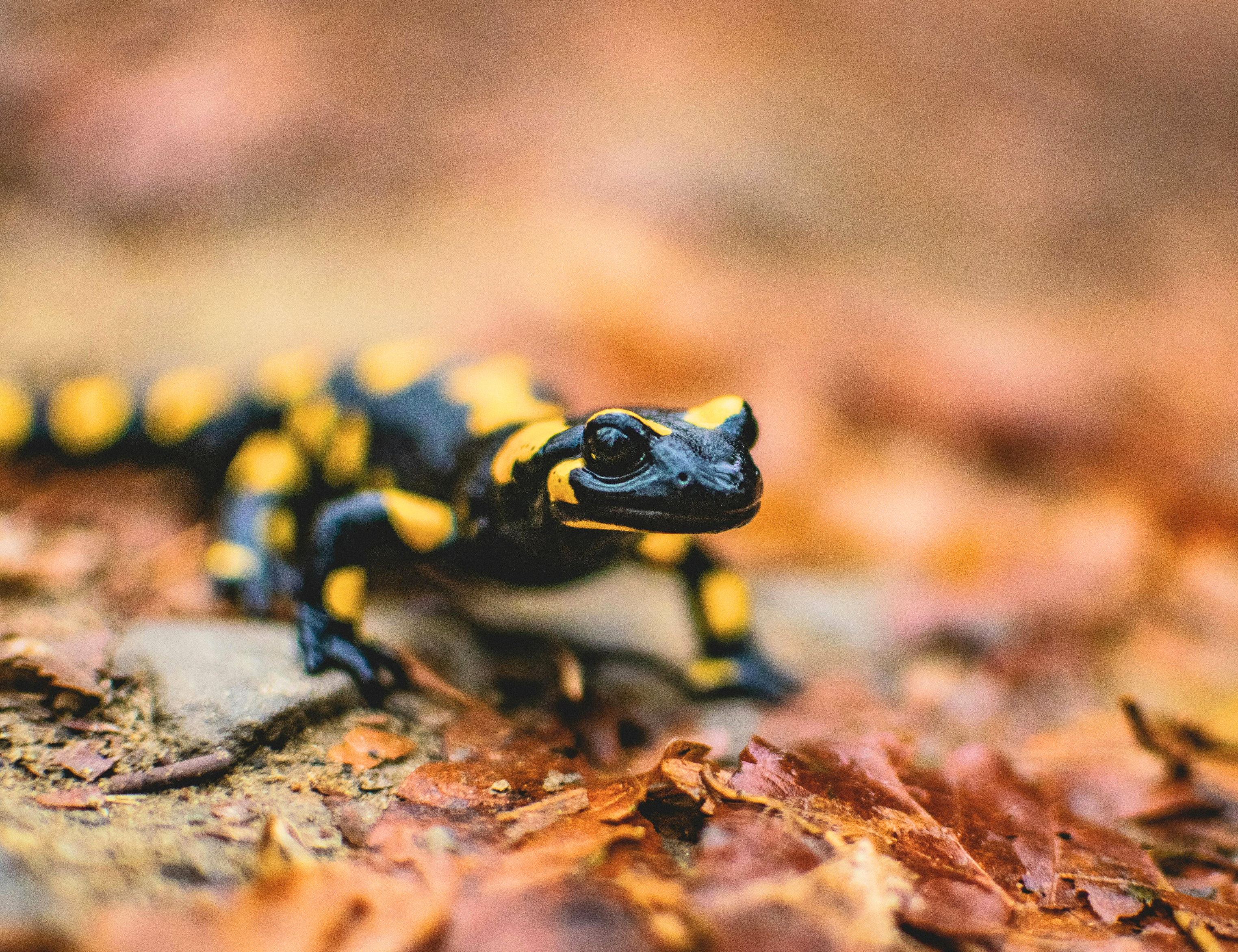
Most Southern Appalachian salamanders are lungless, taking in oxygen directly through their skin. That makes constant moisture essential: skin-breathing allows a low-profile, energy-efficient life, but only where the air stays cool and damp — exactly the conditions these mountains provide.
Highlands’ cool, humid climate gives these sensitive amphibians the stability they need to thrive.
A landscape full of microhabitats
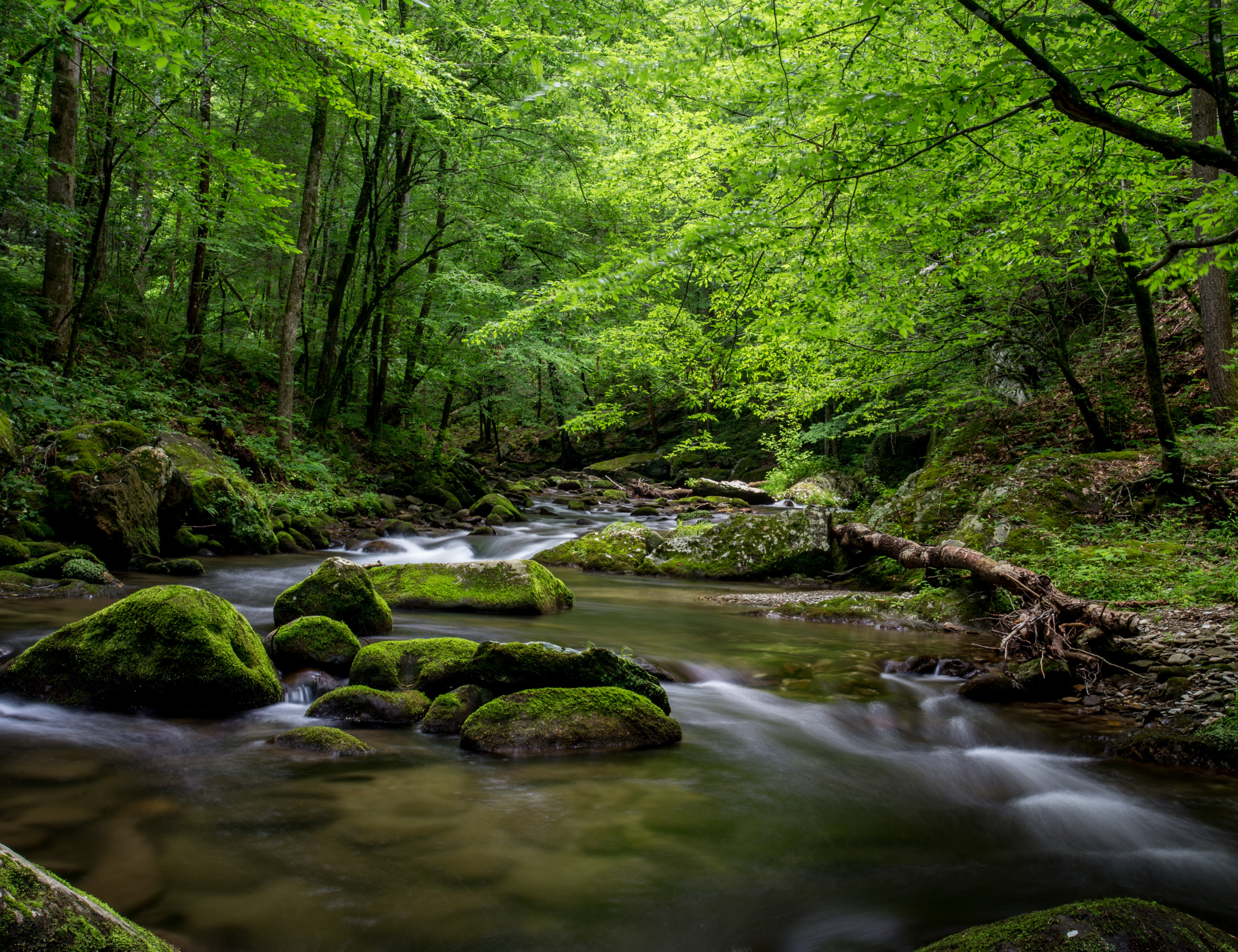
From misty ridgelines to stream-fed hollows, salamanders exploit the landscape’s wealth of microhabitats. Fog keeps the forest cool and wet; seeps, streams, damp leaf litter, and rotting logs provide shelter, breeding sites, and food — including the very invertebrates salamanders hunt.
The Southern Appalachians are one big, damp welcome mat for salamander life.
A streamside community, neatly divided
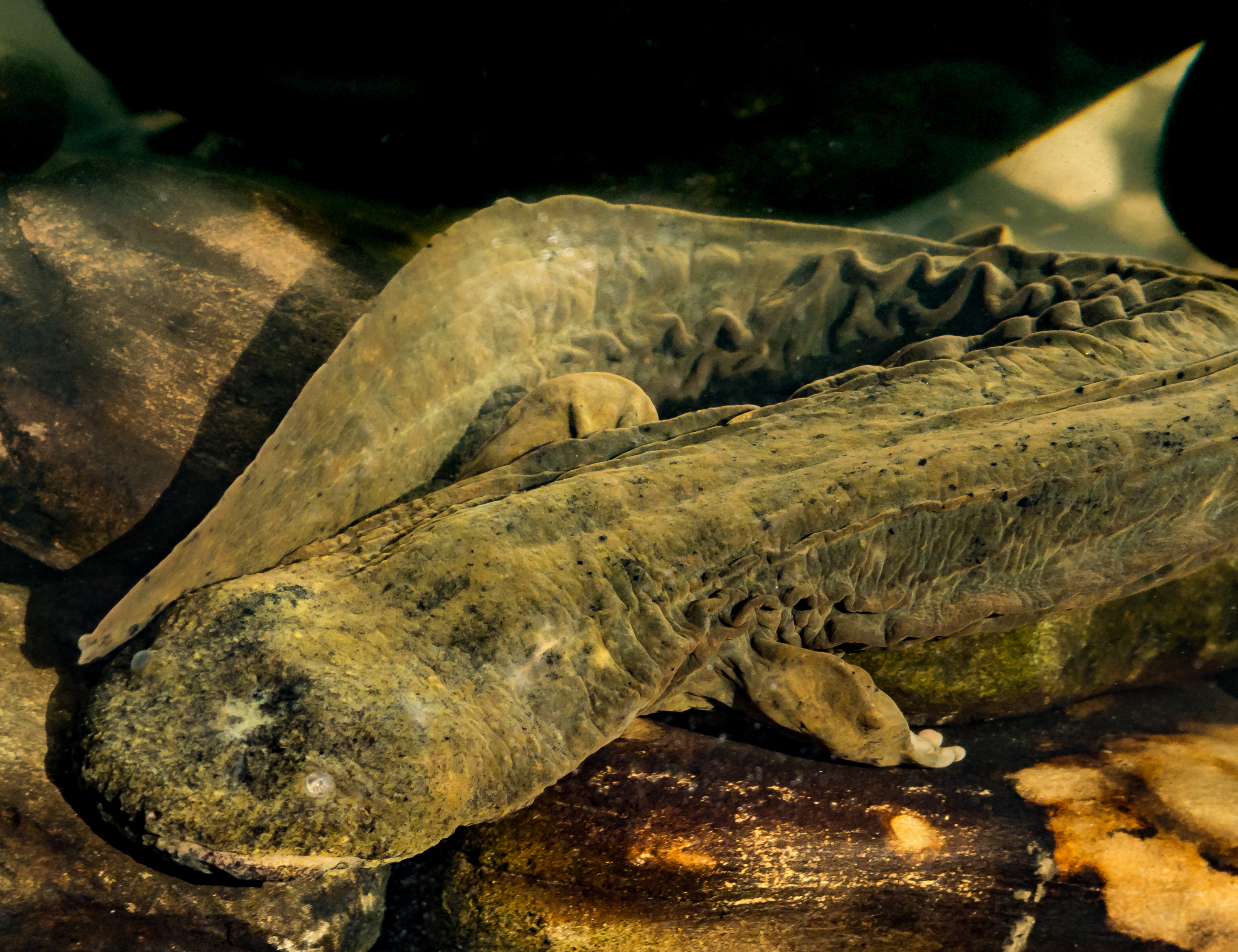
With so many species packed together, salamanders have evolved to specialize by body size and microhabitat, easing competition and predation. A single streamside community often layers several species that rarely get in one another’s way:
- Large aquatic speciesthe stream itself
- Medium semi-aquatic speciesbanks & splash zone
- Small terrestrial speciesmoist forest floor
It’s a delicate ecological ballet — and the forest floor is the stage.
Keep exploring
Go deeper into Highlands
The same mountains that grow this diversity have shaped nearly a century of research, teaching, and conservation at the Station.