
Summer 2026 Grant-in-Aid Recipients
Each summer, Highlands Biological Station is proud to support emerging researchers whose work deepens our understanding of the Southern Appalachians and beyond. We are delighted to welcome our 2026 Grant-in-Aid recipients and look forward to the discoveries they will pursue during their time at the Station.
Representing both graduate and undergraduate institutions, this year’s cohort will explore questions spanning salamander ecology, bat conservation, plant propagation, chemosensory biology, and environmental change. Their projects reflect the rich diversity of research that defines Highlands Biological Station, and we are honored to support their work through named scholarships administered through our Grant-in-Aid program.
Graduate Grant-in-Aid Recipients
This year’s graduate recipients are pursuing research that bridges field ecology, physiology, conservation, and organismal biology. From woodland salamanders to bat geo-ecology to rare aquatic plants, their work demonstrates the depth and range of questions being explored through the Station’s summer research community.
David Adams
PhD Student, UNC-Chapel Hill
Scholarship received: Bruce Family Scholarship in Herpetology
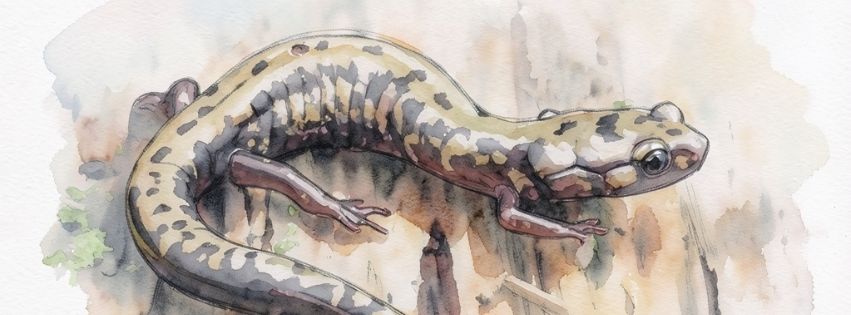
David Adams is investigating the population demography of woodland salamanders through an approach that integrates physiology with long-term mark-recapture data. His project brings together multiple lines of inquiry to better understand how salamander populations persist and change over time.
Cameron McClellan
MS Student, UNC-Chapel Hill
Scholarship received: Martina Wadewitz Haggard Memorial Scholarship
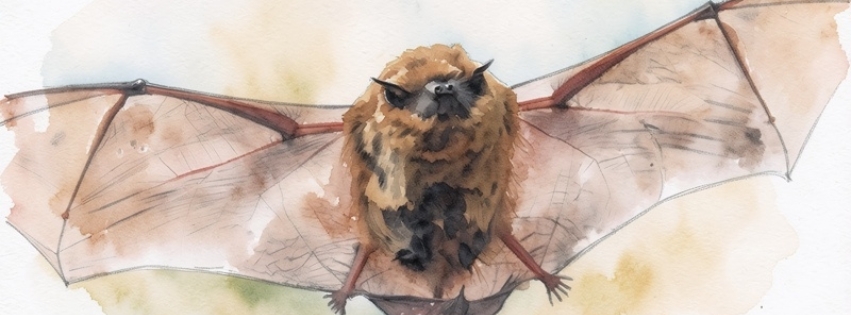
Cameron McClellan’s project examines bats in North Carolina through the emerging lens of geo-ecology, asking how geological context may shape conservation understanding. His research opens new ground at the intersection of landscape, geology, and bat ecology.
Paul Nicolosi
PhD Student, The Ohio State University
Scholarship received: Ray Semlitsch Memorial Scholarship
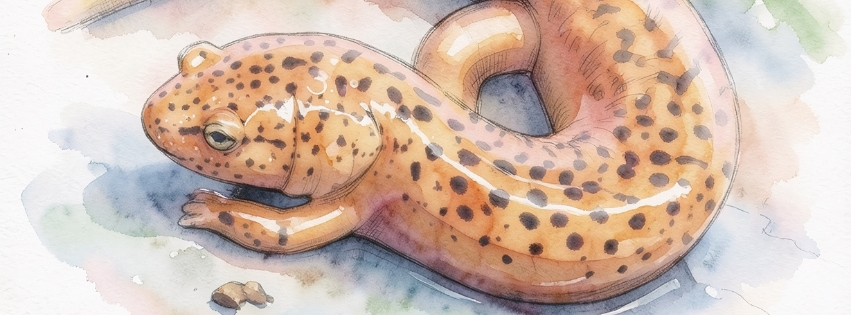
Paul Nicolosi is conducting a functional characterization of plethodontid chemosensory secretions, contributing to a deeper understanding of salamander biology and communication. His work highlights the complexity of amphibian sensory ecology and the many questions that remain to be explored.
Jake Thompson
MS Student, Western Carolina University
Scholarship received: Ralph Sargent Memorial Scholarship
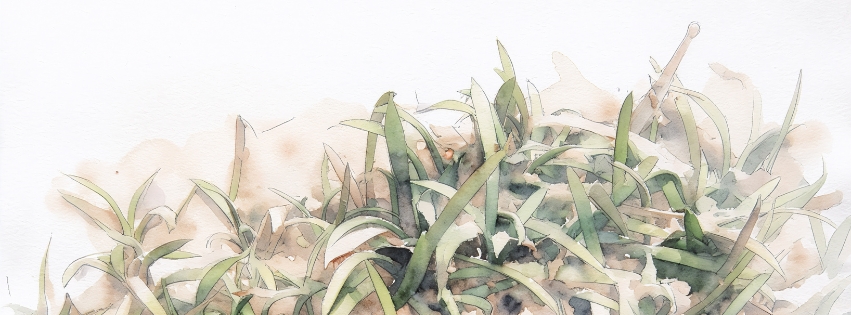
Jake Thompson is studying the propagation, growth, and reproduction of the threatened aquatic plant Kral’s water plantain (Sagittaria secundifolia). His research supports a greater understanding of this rare species and contributes to broader conservation efforts focused on imperiled native flora.
Undergraduate Grant-in-Aid Recipients
Our undergraduate recipients are asking thoughtful, timely questions about animal ecology and environmental stressors. Their projects reflect the spirit of early-career scientific inquiry and the important role undergraduate research plays in shaping the future of field biology and conservation.
Evangeline Bradley
Undergraduate Student, UNC-Chapel Hill
Working under Dr. Eric Riddell
Scholarship received: Lindsay Olive Scholarship
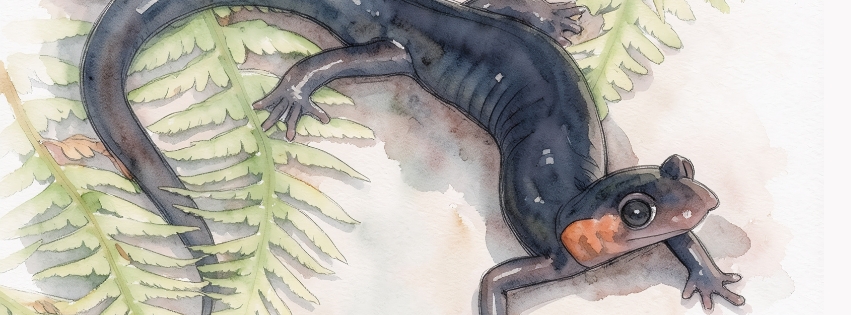
Evangeline Bradley is testing pace-of-life syndrome predictions in a woodland salamander, exploring how behavioral and physiological strategies may be linked in amphibian systems. Her project contributes to a growing body of research on life-history variation and ecological adaptation.
Rachel Price
Undergraduate Student, UNC-Chapel Hill
Working under Dr. Rada Petric
Scholarship received: Thelma Howell Scholarship
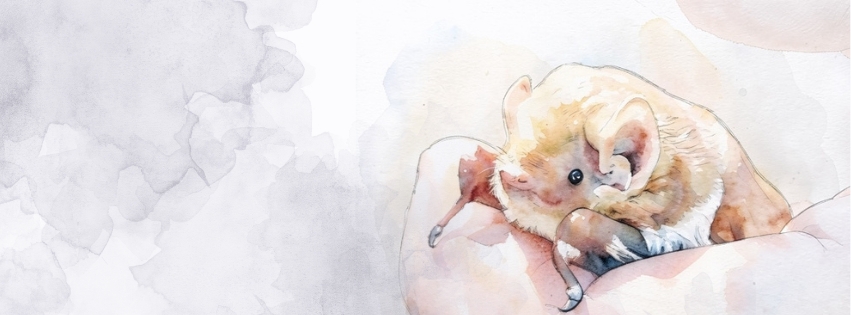
Rachel is studying microplastics in the organs of Big Brown Bats from North Carolina, with a focus on how these patterns may relate to urbanization. Her project explores an important and growing environmental issue at the intersection of wildlife health and human-altered landscapes.
Supporting the Next Generation of Research
The Grant-in-Aid program is one of the many ways Highlands Biological Station helps foster meaningful scientific research in the Southern Appalachians. By supporting student investigators at pivotal stages in their academic journeys, these scholarships help make field-based research possible and strengthen the Station’s long tradition of discovery, mentorship, and place-based science. We are thrilled to welcome this year’s recipients and look forward to sharing more about their work in the months ahead.
HBS Grant-in-Aid funding is made possible through endowed scholarships administered by the Highlands Biological Foundation.