
Diversity & Discovery
Celebrating Native Plants
Two days honoring the remarkable plant diversity of the Southern Appalachians — one of the most biologically rich temperate regions on Earth.
– · Highlands, North Carolina
Saturday's symposium has sold out. To be added to our waitlist, please contact us directly at hbs.wcu.edu.
Sold out Saturday? You're still welcome Friday. Friday's plant sale and guided walks are free and open to all — no tickets, no registration. Proceeds from Saturday benefit the Highlands Botanical Gardens as the Station approaches its Centennial in 2027.
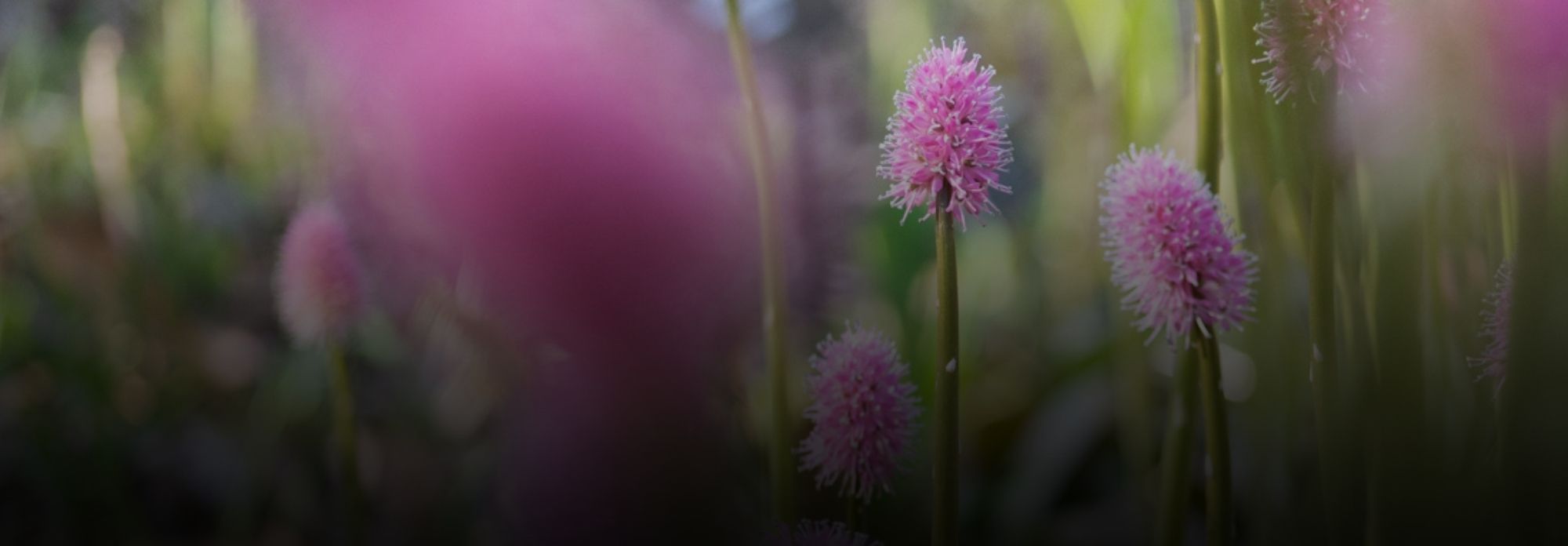
Photo: Dylan Lytle
Friday, September 11 · Free & open to all
Missed a Saturday ticket? Join us Friday.
Saturday's symposium has sold out, but Friday's celebration on the Station's North Campus is free and open to everyone. Shop a curated sale of native plants suited to Southern Appalachian gardens, then take a guided walk through the Highlands Botanical Gardens and campus grounds with our staff. Come for an hour or stay the afternoon.
See Friday's schedule- Native Plant Sale12:00 – 5:00 PM · Sto Pavilion & the terrace entrance of North Campus · loading help on site
- Guided Walks10 AM, 12 & 2 PM · approximately one hour each · the bog garden, the Flower Hunter's Trail, and the insects of the Gardens
- Getting InNo tickets or registration required · Highlands Biological Station, North Campus
2
Days
3
Acclaimed Speakers
3
Guided Walks
100
Years in 2027

Why This Place Matters
One of Earth's richest temperate landscapes
The Highlands Plateau is one of the most biologically rich temperate regions on the planet. Here, ancient mountains, abundant rainfall, and diverse habitats create a landscape where native plants shape entire ecosystems.
Every two years, this community gathers — a rhythm of return and renewal. As the Station enters its second century, the celebration carries that tradition forward, honoring a legacy of discovery while shaping the future of conservation.
The Weekend at a Glance
Two days, one living collection
Spend Friday among the plants themselves, then gather Saturday for a day of talks, conversation, and a live auction supporting the Gardens.
-
11
Plant Sale & Garden Tours
Highlands Biological Station · North Campus
A full day in the gardens: shop a curated native plant sale, take a guided walk through the Highlands Botanical Gardens and campus grounds, and get a preview of Saturday's symposium.
-
12
Symposium, Reception & Auction
Highlands Community Building
A full day of presentations from leading voices in botany, conservation, landscape design, and art — closing with a reception and a live plant auction benefiting the Gardens. Saturday has sold out; to join the waitlist, contact us at hbs.wcu.edu.
Why Come
What the weekend holds
-
Native Plant Sale
Take home plants suited to Southern Appalachian gardens, with loading help on site.
-
Guided Walks
Three hour-long walks led by Paul Manos, Liam Stiefel, and James Costa — bog plants, Bartram's trail, and insects.
-
Leading Voices
Three acclaimed speakers spanning science, design, and deep botanical knowledge.
-
Live Plant Auction
Bid on rare and special plants — proceeds support the Highlands Botanical Gardens.
Friday's Plant Sale · A Preview
What's coming to the sale
Nearly forty species and selections suited to Southern Appalachian gardens: spring ephemerals, ferns and groundcovers for shade, showy summer perennials, flowering shrubs, and a few that are hard to find anywhere — silky camellia, twinleaf, Virginia meadowsweet, Carolina hemlock.
- Aruncus dioicusGoat's Beard
- Caltha palustrisMarsh Marigold
- Hibiscus moscheutosRose Mallow
- Iris cristataDwarf Crested Iris
- Lilium superbumTurk's Cap Lily
- Penstemon digitalisFoxglove Beardtongue
- Rhododendron periclymenoidesPinxterflower
- Rudbeckia heliopsidisSun-facing Coneflower
- Spiraea virginianaVirginia Meadowsweet
- Scutellaria 'Appalachian Blues'Skullcap
- Meehania cordataMeehan's Mint
- Comptonia peregrinaSweet Fern
- Sedum ternatumWoodland Stonecrop
- Athyrium asplenioidesSouthern Lady Fern
- Osmundastrum cinnamomeumCinnamon Fern
- Baptisia 'American Goldfinch'Wild Indigo
- Chelone glabra 'Leiderhosen'White Turtlehead
- Coreopsis 'Jethro Tull'Tickseed
- Jeffersonia diphyllaTwinleaf
- Lonicera sempervirens 'Major Wheeler'Trumpet Honeysuckle
- Pachysandra procumbensAllegheny Spurge
- Phlox carolina 'Kim'Carolina Phlox
- Phlox paniculata 'Jeana'Garden Phlox
- Stokesia laevis 'Peachie's Pick'Stokes' Aster
- Solidago rugosa 'Fireworks'Goldenrod
- Heuchera villosa 'Autumn Bride'Hairy Alumroot
- Asarum canadenseWild Ginger
- Mitchella repensPartridgeberry
- Carex plantagineaSeersucker Sedge
- Polystichum acrostichoidesChristmas Fern
- Cystopteris bulbiferaBulblet Fern
- Tsuga carolinianaCarolina Hemlock
- Galax urceolataGalax
- Verbena hastataBlue Vervain
- Assorted mossesMosses
This list is a preview, not a promise — quantities are limited and some species may sell out early in the afternoon. Bring a box or tray for the ride home.
Saturday's Symposium
Three ways of seeing the natural world
Through science, through design, and through deep botanical knowledge. David George Haskell, Preston Montague, and Alan Weakley each bring a distinct voice — inviting us to look closer, think deeper, and connect more fully with the landscapes around us.
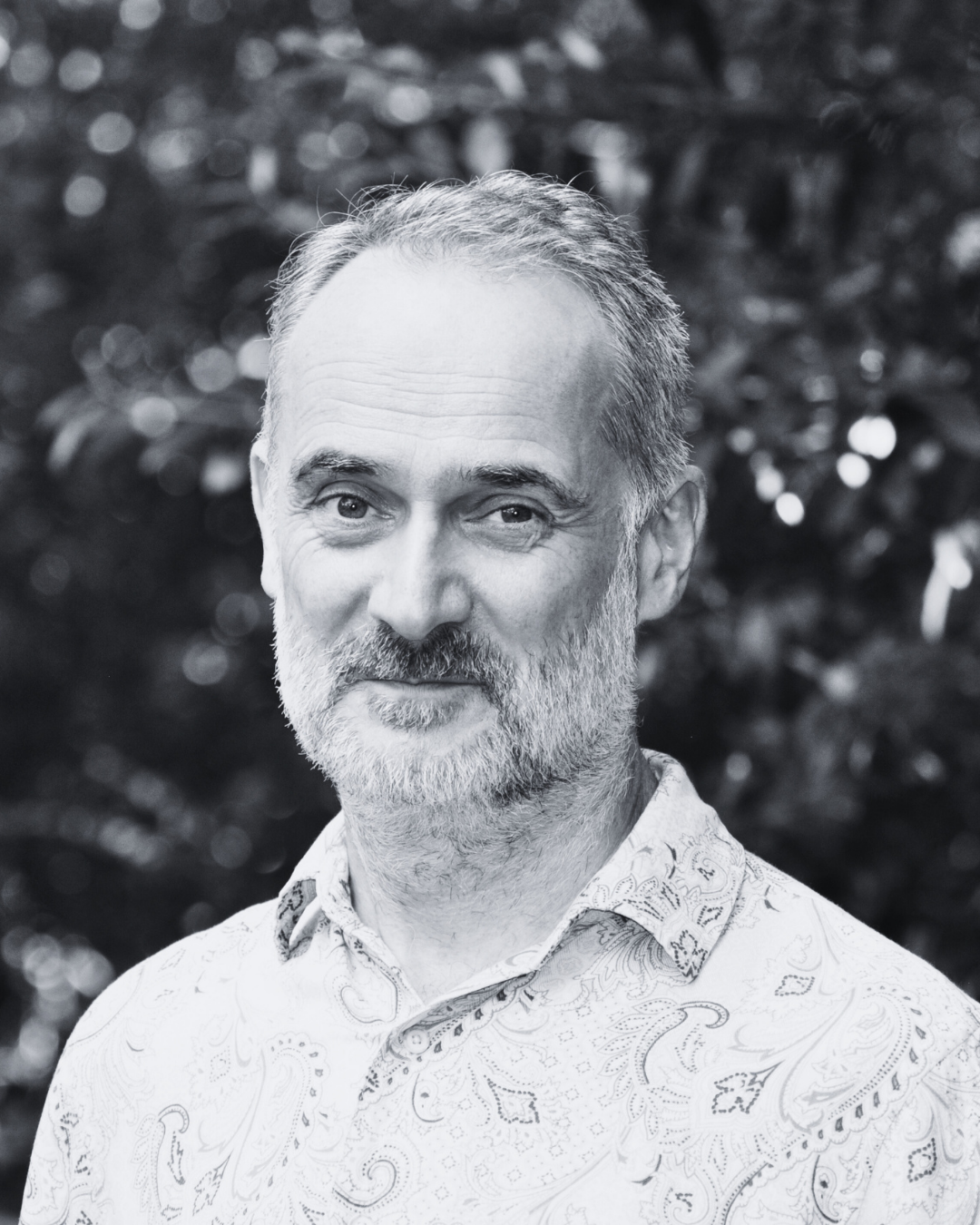
Speaker i.
David George Haskell
Writer & Biologist · Two-time Pulitzer Prize finalist
David George Haskell is a writer and biologist acclaimed for his lyrical explorations of the living world. His 2026 book, How Flowers Made Our World, was described by The New York Times as a passionate floral manifesto that leaves readers cheering.
He is a two-time finalist for the Pulitzer Prize in General Nonfiction, for The Forest Unseen and Sounds Wild and Broken, and his book The Songs of Trees won the John Burroughs Medal. He is a recipient of an Award in Literature from the American Academy of Arts and Letters, and has written essays and multimedia experiences for The New York Times, Emergence Magazine, and other venues.
A Fellow of the Linnean Society of London and a Guggenheim Fellow, Haskell is Adjunct Professor of Environmental Sciences at Emory University and Professor Emeritus at The University of the South in Sewanee, Tennessee. He lives in Atlanta, Georgia.
How Flowers Made Our World · Keynote · 3:15 PM + Book Signing
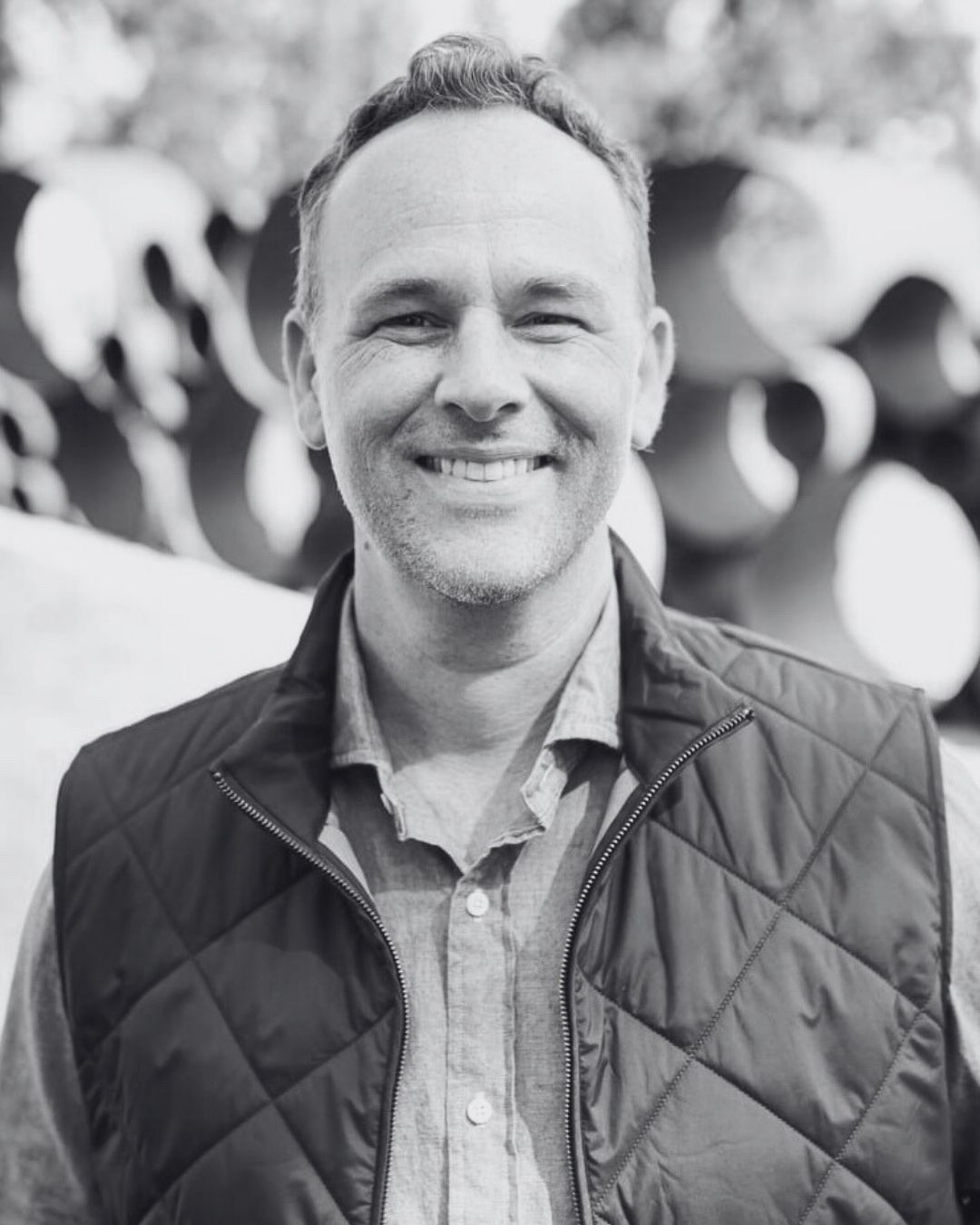
Speaker ii.
Preston Montague
Artist, Educator & Landscape Architect
Preston Montague is an artist, educator, and landscape architect based in Durham, North Carolina, whose work explores the relationships between people, plants, and place. Through his studio, he blends art, horticulture, and landscape architecture to create meaningful, ecologically rich experiences that deepen public connection to the natural world.
He is especially known for his botanical illustrations and native plant advocacy, including his design for North Carolina's Venus flytrap specialty license plate, which celebrates one of the state's most iconic and imperiled plants. Montague has taught landscape architecture at North Carolina A&T State University and regularly shares his work through public programs, workshops, and garden-centered conversations.
His creative practice invites people to look more closely at the living world and to imagine landscapes as places of beauty, belonging, and ecological care.
Talk 2 + Q&A · 1:00 PM
Biography for Preston Montague ↗ Artwork by Preston Montague ↗
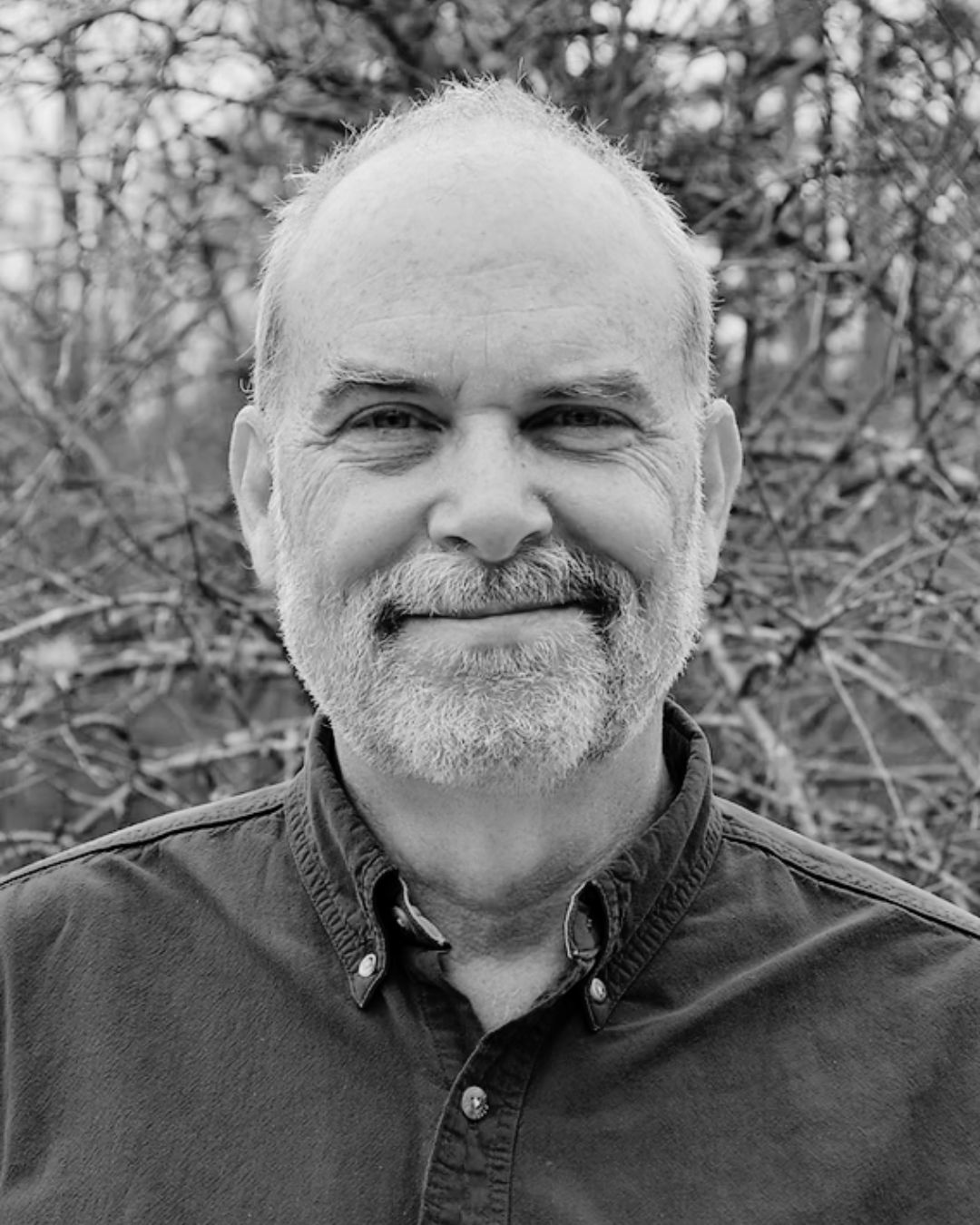
Speaker iii.
Alan Weakley
Botanist & Director, UNC Herbarium · North Carolina Botanical Garden
Alan Weakley is a botanist, plant taxonomist, ecologist, and conservationist whose work has shaped the study and protection of plant life across the Southeastern United States. He serves as Director of the UNC Herbarium at the North Carolina Botanical Garden and is Adjunct Professor at UNC Chapel Hill and at Highlands Biological Station.
He is the author of Flora of the Southeastern United States, a landmark resource used by botanists, students, naturalists, land managers, and conservation professionals throughout the region. His career has included work with the North Carolina Natural Heritage Program, The Nature Conservancy, and NatureServe, and he currently serves as Chief Botanist for the Southeastern Grasslands Institute.
Widely recognized for his deep knowledge of southeastern flora, Weakley brings together taxonomy, field biology, conservation planning, and a lifelong commitment to helping people better see and understand the plant world.
Talk 1 + Q&A · 9:45 AM
Full Schedule
Plan your weekend
An afternoon of open gardens and a native plant sale on Friday, then a full day of talks, conversation, and a live auction on Saturday.
Friday,
Free & open to allHighlands Biological Station · North Campus · No registration required
-
–
Native Plant Sale
Sto Pavilion & the terrace entrance of North Campus
A selection of native plants suited to Southern Appalachian gardens. Sale and checkout areas are clearly marked, with designated loading spots in the parking lot and staff on hand to help load purchases. Preview the plant list ↓
-
Slow Water: A Walk Through the Bog Garden
Dr. Paul Manos, Duke University · approximately one hour
The bog garden grows what almost no one else in the region can: species tuned to saturated, acidic, nutrient-poor ground. Dr. Manos walks the bog and explains how these plants make a living where most others would drown, and what this small pocket of habitat reveals about the wider Southern Appalachian flora.
-
In Bartram's Footsteps: The Flower Hunter's Trail
Liam Stiefel · approximately one hour
William Bartram crossed the Southern Appalachians in the 1770s and sent back descriptions of plants then unknown to European science. This walk follows the Flower Hunter's Trail and connects what Bartram recorded to what is leafing, flowering, and fruiting along the path today.
-
Six Legs in the Gardens: An Insect Walk
Dr. James Costa · approximately one hour
Most visitors walk past the busiest residents of the Highlands Botanical Gardens without noticing them. Dr. Costa looks closer at pollinators at work, gall makers, leaf miners, and the small social insects whose colonies run on rules of their own.
Walks meet on North Campus; exact meeting points announced closer to the event.
Saturday,
Sold OutHighlands Community Building · Sold out — to join the waitlist, contact us at hbs.wcu.edu
-
Doors Open & Registration
-
–
Welcome & Opening Remarks
The Highlands Botanical Gardens — accomplishments, current projects, and plans ahead as the Station approaches its Centennial in 2027.
-
–
Plants, People, and Place: Knowing the Flora of the Southeastern United States
Dr. Alan Weakley
Director, UNC Herbarium · North Carolina Botanical Garden
The southeastern United States harbors a rich, diverse, ancient (and also ever new and evolving) flora. What is the history of that flora, and what implications does the past carry for the future? What do we understand about that flora, and how have we come to know it? We’ll discuss ongoing efforts to do the most basic and scientific task of describing the species that are components of that flora, and then taking the steps past that most basic knowledge to understanding each species’ soil needs, its interactions with other organisms, its geographic history, its natural place in the landscape, and its conservation needs. In the second quarter of the 21st Century, we see and accept the challenge of finding better ways to convey botanical knowledge -- to foster a sense of place, and to inform understanding of, fascination with, care for, and conservation of the Real World that surrounds and supports us.
-
–
Refreshments
Book and swag tables open.
-
–
Short Talks: Research & Conservation in the Gardens
Two short talks, approximately 12 minutes each plus questions, spotlighting research underway in the Highlands Botanical Gardens and on Station grounds.
-
Jason Love, HBS Associate Director
Plastics in the Headwaters
-
Jake Thompson, HBF Grant-in-Aid Recipient
The Carnivore in the Bog
-
-
–
Highlands Botanical Gardens: Projects & Plans
A look at what's growing next — current garden projects and a first glimpse of what's ahead.
-
–
Lunch
Book and swag tables open.
-
–
Experiments in Conservation Gardening
Preston Montague
Landscape Architect & Artist
Join landscape architect and artist Preston Montague for a presentation exploring the stewardship of gardens as living ecosystems that contribute to biodiversity, ecosystem service, and human well-being while remaining beautiful, functional, and deeply rooted in place. Through project examples and practical design strategies, participants will learn how to evaluate gardens through an ecological lens by asking better questions: Does this garden provide habitat? Does it support locally adapted plants and wildlife? Does it improve soil, water, and air quality? Does it reduce harm to surrounding ecosystems? Will it remain ecologically valuable over time? Attendees will leave with a practical framework for creating gardens that are not only beautiful, but that also support biodiversity.
-
–
Break
Book and swag tables open.
-
–
“Ask the Experts” Panel
A half hour of open Q&A on home landscaping and gardening with native plants.
-
–
Short Talk: Research & Conservation in the Gardens
Liam Stiefel
A Hemlock Keeps Time: four and a half centuries of one tree, played back
-
–
Break
-
–
How Flowers Made Our World
Dr. David George Haskell
Writer & Biologist · Two-time Pulitzer Prize finalist
Flowers are not just beautiful, they’re world changers. When flowers appeared on our planet, nothing was ever again the same. Join David Haskell in an exploration of the many ways that flowers build, sustain, and animate the living world, human life included. Gorgeous petals and alluring aromas transform former enemies into cooperative partners. Through radical genetic flexibility, flowers turned past environmental upheavals into opportunities for renewal. This inventiveness allowed them to build and sustain desert habitats, temperate forests, rainforests, savannas, prairies, and even ocean shores. Flowers also catalyzed our evolution, and we now depend on them for food and a healthy planet. When we perfume ourselves, give a loved one a bouquet, or use blooms in gardens and religious ceremonies, we honor the special bond between people and flowers. Using stories from his latest book, How Flowers Made Our World, Haskell will illuminate the many ways that we live on a floral planet.
-
–
Book Signing
-
–
Reception & Live Plant Auction
Auctioneer: Adam Bigelow
The day closes with a reception and a live auction of rare and special plants, with proceeds supporting the Highlands Botanical Gardens.
Schedule subject to change. Friday's plant sale and guided tours are free and open to all, with no registration required. Saturday's symposium, reception, and auction have sold out — to be added to our waitlist, please contact us directly at hbs.wcu.edu.
Thank you for a remarkable response
Saturday's symposium has sold out. To be added to our waitlist, please contact us directly at hbs.wcu.edu. Friday's plant sale and garden tours remain free and open to all — come celebrate the native flora of the southern Blue Ridge with us.
Symposium Sold OutHighlands Biological Station · Highlands, NC · September 11–12, 2026