Dr. Arthur Seaver Wheeler:
A Renaissance Man of Science and Art
From New Orleans to the Biltmore Estate to a Highlands herbarium — the unlikely story of a veterinarian, dairyman, and botanist whose gift of 149 pressed specimens helped found one of HBS's most enduring collections.
The history of Highlands Biological Station is rooted not only in the landscape of the Plateau, but also in the people whose curiosity, generosity, and scientific devotion helped shape its early collections. Among those figures is Dr. Arthur Seaver Wheeler — a veterinarian, dairyman, musician, naturalist, and one of the early contributors to what would become the Highlands Biological Station Herbarium.
Wheeler's story stretches from New Orleans to Asheville, from the Biltmore Estate to the Highlands Museum, and from agricultural innovation to botanical preservation. His life reflects the remarkable overlap of science, art, community, and natural history that defined the early years of conservation and research in western North Carolina.
Arthur Seaver Wheeler was born in New Orleans on May 11, 1864. He graduated from Tulane University in 1883 with a Bachelor of Science degree and in 1885 with a Master's degree. He taught mathematics there for several years before receiving his DVM from the University of Pennsylvania in 1891.
On June 5, 1889, Dr. Wheeler married Anna Grant Norton. The couple had no children. Anna, like Arthur, was from New Orleans, and the two may have met while Arthur was attending Tulane University or through family connections.
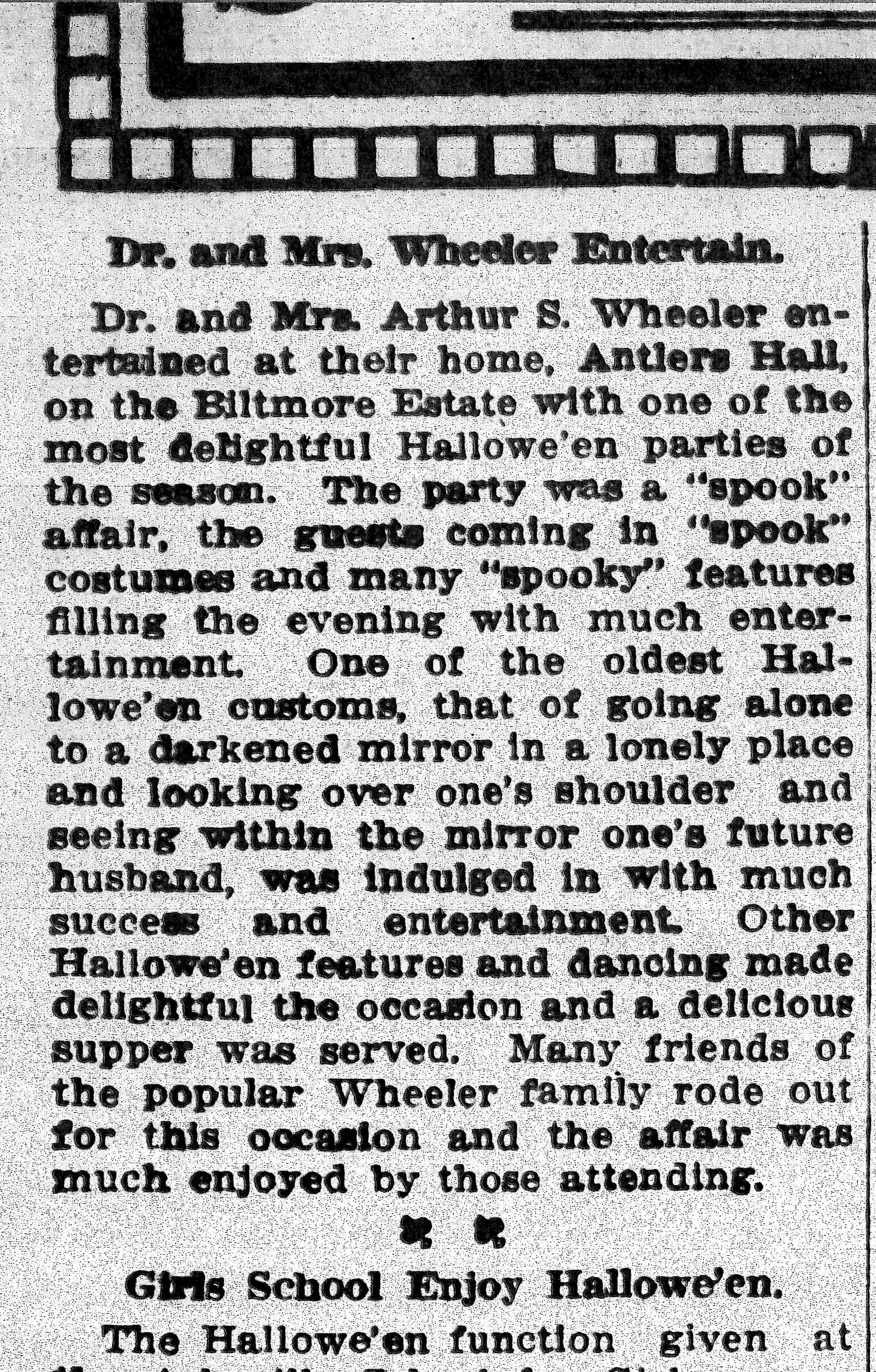
By 1897, Wheeler and Anna were living in Asheville, where he first worked as sanitation inspector of houses on the Biltmore Estate during a typhoid outbreak. In 1900, he was working as a veterinary surgeon in Asheville, and in 1905 he became Manager of the Agriculture Department at Biltmore — including the Biltmore Dairy. By 1924, he was Superintendent of the Biltmore Estates Farm, a position he held until resigning in 1926.
In "Who's Who and Why in Asheville," published by The Asheville Times on November 4, 1928, Wheeler was credited as the father of dairying in western North Carolina:
"Dr. Wheeler built up from a very modest beginning a great dairy, The Biltmore Dairy . . . by undertaking his own system of tenantry whereby trusty employees of the Biltmore Estate were set up as dairy farmers with cows and equipment paid for monthly from the milk vouchers. So successful — there were 12 dairies with about 500 cows with an additional 600 cows from outlying farmers."
— The Asheville Times, November 4, 1928Arthur served as President of the Mozart Society beginning in 1916 for 12 years. He also sang under many famous organists at All Soul's Episcopal Church in Biltmore, was a charter member of the Asheville Rotary Club, and served as Director of the Asheville Chamber of Commerce. His obituary noted that "he was intimately associated with business and musical life of Asheville."
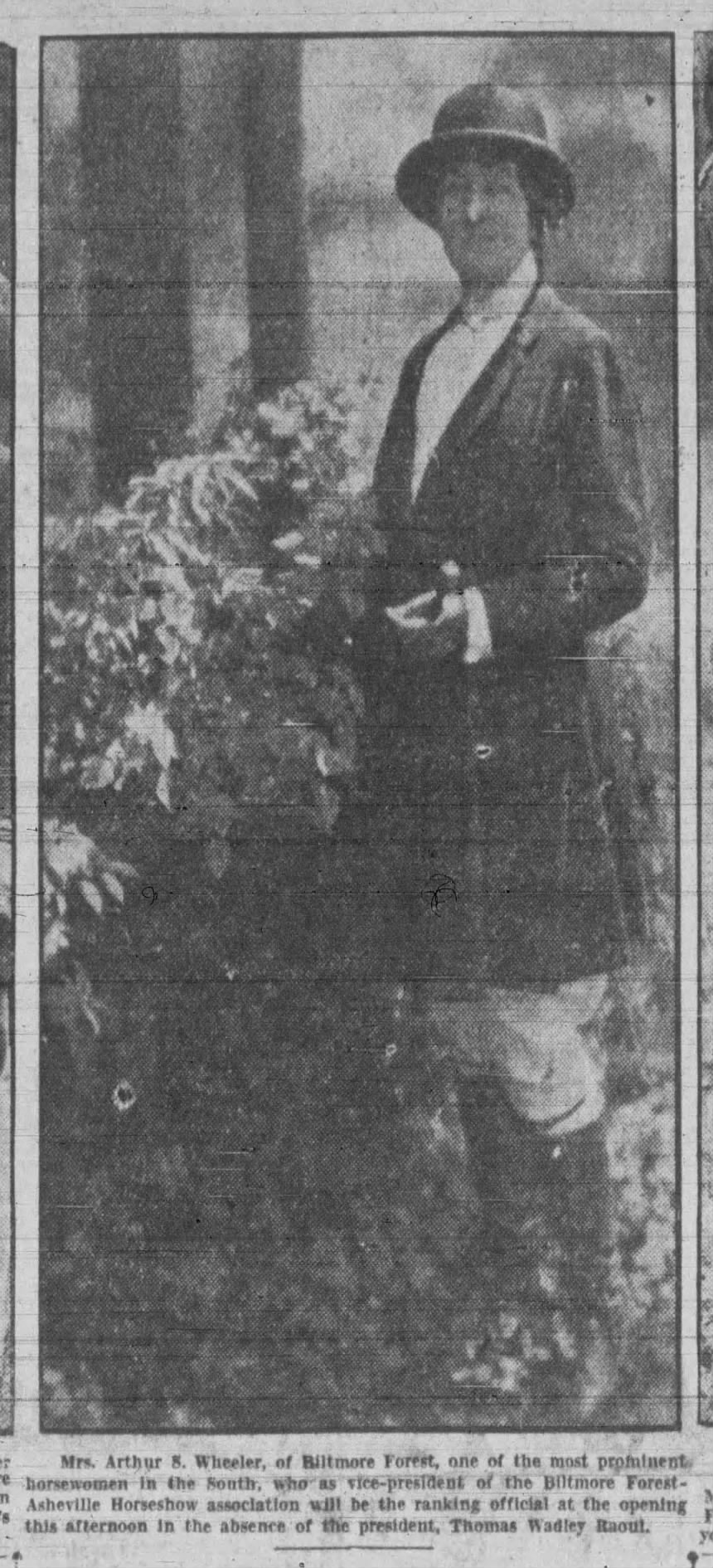
Anna was the daughter of George Norton, a Kentucky horse owner who sent her to the French Cavalry School in Saumur, France to develop her extraordinary gift for controlling spirited horses. Anna became a famous horsewoman, teaching riding from 1916 until two years before her death across Asheville, Orlando, Winter Park, Augusta, and Savannah.
By 1920, Anna and Arthur had developed the Biltmore Forest Bridle and Saddle Club near Asheville — one of Anna's first pupils was Cornelia Vanderbilt. Anna was an original incorporator of the Biltmore Forest Horse Show Association in 1927, along with Burnham S. Colburn and S. P. Ravenel of Highlands, both also associated with the Highlands Museum and Laboratory.
The 1930 Census lists Arthur's occupation as Manager of a Riding School. Two years before Arthur died in 1937, the couple relocated to Orlando, Florida, for health reasons. After Arthur's death, Anna maintained a winter residence in Florida and continued to run horse shows, spending summers teaching riding at Camp Sequoyah and Rockbrook Camp.
By 1946, Anna was also Director of the Equitation Department at Rollins College. She lived a long life, dying in Asheville in 1962 at age 93 — buried in New Orleans next to Arthur.
Wheeler and Thomas Grant Harbison at Biltmore
Thomas Grant Harbison worked at Biltmore from 1896 to 1926 as the Plant Collector for the Biltmore Nursery. Harbison and Wheeler undoubtedly collected flora for the Biltmore Herbarium together, and Wheeler also collected for his personal herbarium in 1899. They must have been fast friends, being of about the same age and stage in life.
Harbison had strong connections to Highlands — establishing the Highlands Academy in 1887 and serving as one of the principals in founding the Highlands Biological Station. He traveled abroad and extensively throughout the Southeast collecting data for Dr. Charles Sargent, Director of the Arnold Arboretum at Harvard University.
Of the hundred-plus new species of perennial herbs Harbison discovered, a favorite today is the large red Trillium vaseyi. During the summers in the 1930s, Harbison worked as a nature instructor at Camp Sequoyah for Boys in Weaverville — most likely crossing paths with Anna Wheeler, who was teaching riding there at the same time.
Frank Boynton was hired by George Vanderbilt as botanist and collector, given the title of "Guardian of the Biltmore Herbarium." In 1885, his brother Charles along with Charles Sprague Sargent rediscovered Shortia galacifolia (Oconee Belle) on the southern slopes not far from Highlands.
But the Herbarium Collection at Biltmore experienced devastating setbacks. A fire in 1901 destroyed parts of the library and 90 percent of the herbarium. After George Vanderbilt's death, Edith Vanderbilt trimmed the arboretum budget due to substantial debt. Then on July 16, 1916 — not unlike Helene in 2024 — a catastrophic flood destroyed the Biltmore Nursery, the botanical library, and more of the herbarium. The surviving 25,000 specimens are now at the Smithsonian.
"No one realizes more fully than I what the destruction of the greater part of this notable collection has meant to the science of botany. We shall be extremely glad to receive what remains and give them the care and protection they deserve in the National Herbarium."
— Charles Walcott, Secretary of the National Museum / SmithsonianWheeler's connection to Highlands was undoubtedly through Thomas Harbison. On June 30, 1930, Wheeler gave his herbarium collection of 149 mounted specimens — collected from the Biltmore Estate in 1899 — to The Highlands Museum. E. E. Reinke wrote to Wheeler shortly after:
"You will be glad to know that the Wheeler Herbarium has been thoroughly cataloged and card indexed in the Highlands Museum. It is an extremely important part of our Museum and we shall always be grateful to you for your generosity. I hope you and Mrs. Wheeler will come to Highlands soon."
— E. E. Reinke, August 5, 1930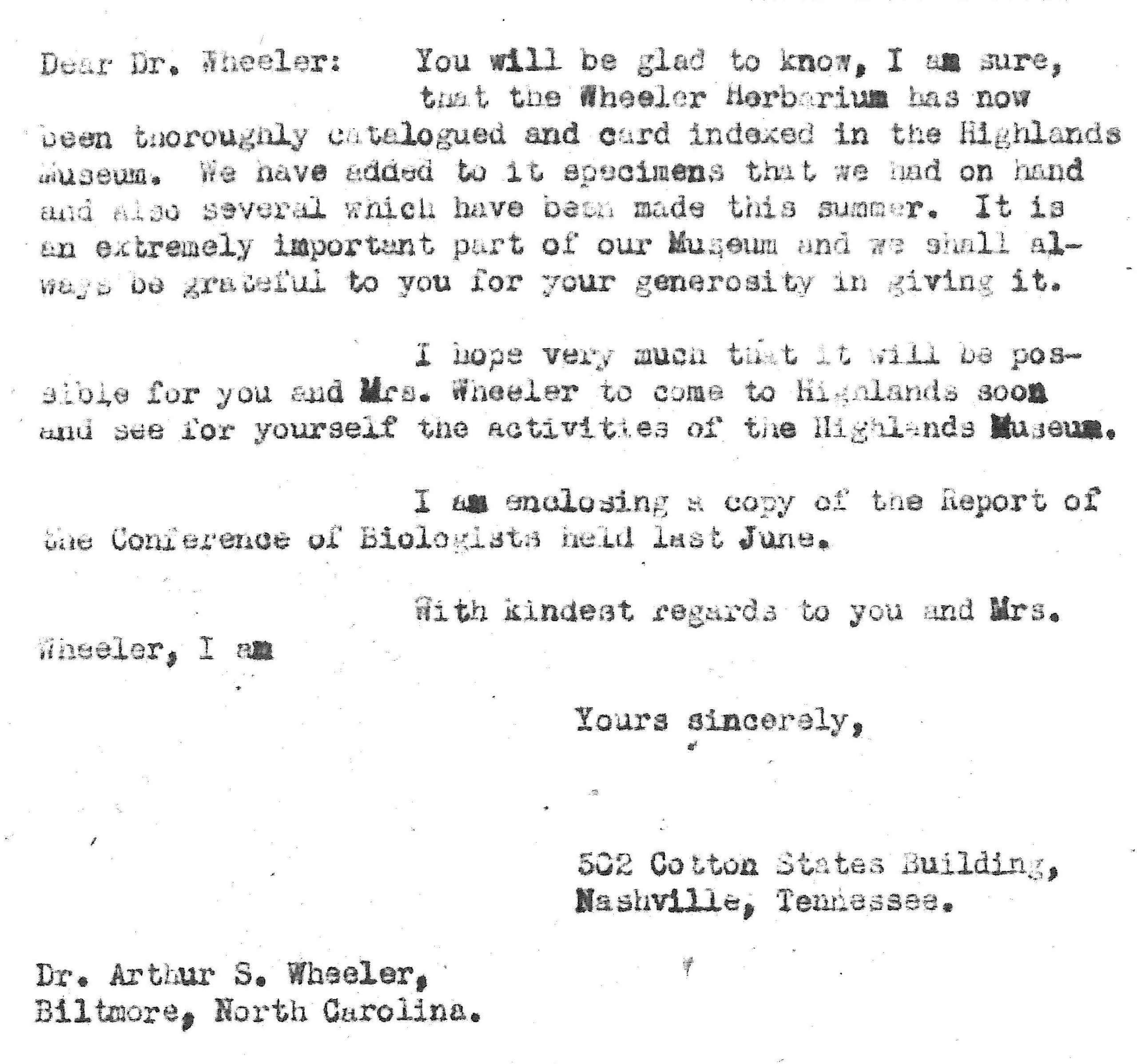
Arthur and Anna were invited by Clark Foreman on July 28, 1931, to the dedication of the Samuel T. Weyman Laboratory. Arthur did attend, signing the guest book next to Thomas Harbison. Harbison appears in the Masa photograph of the dedication, but we are unsure if Wheeler is pictured.
Wheeler and the Highlands Museum and Laboratory
The six document pages below are archival scans relating to Wheeler's correspondence with the Highlands Museum and Laboratory. Click any image to view full size.
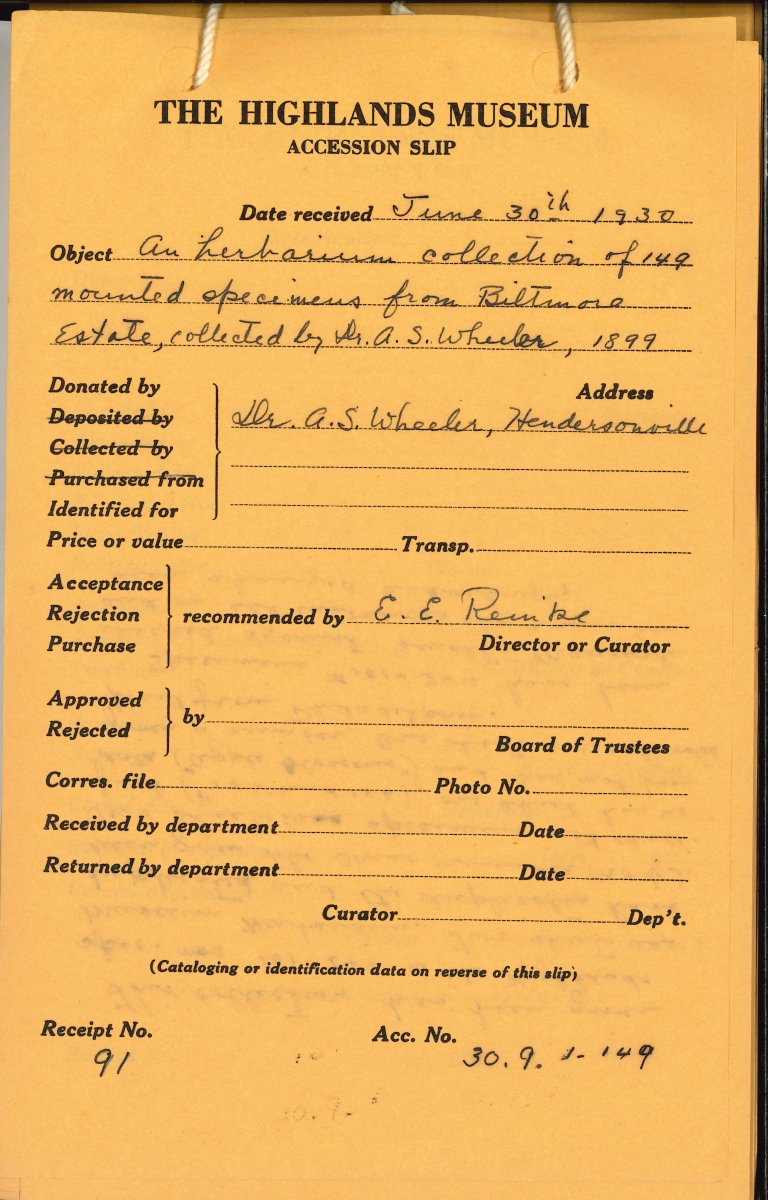
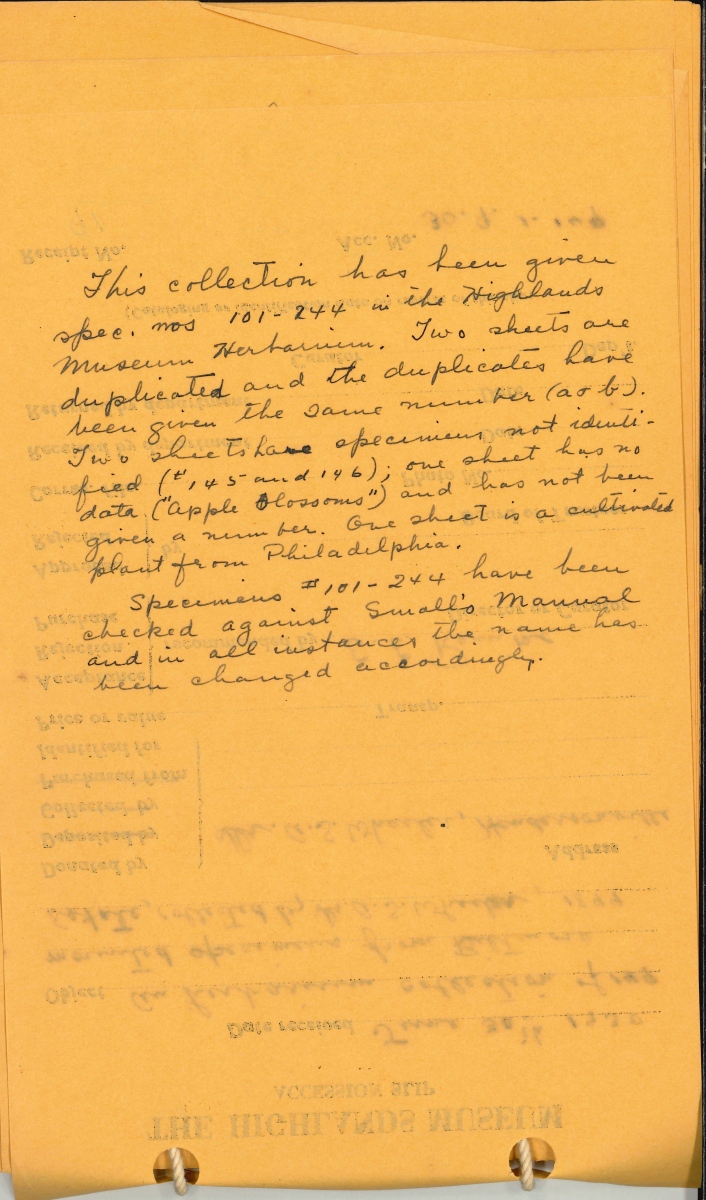
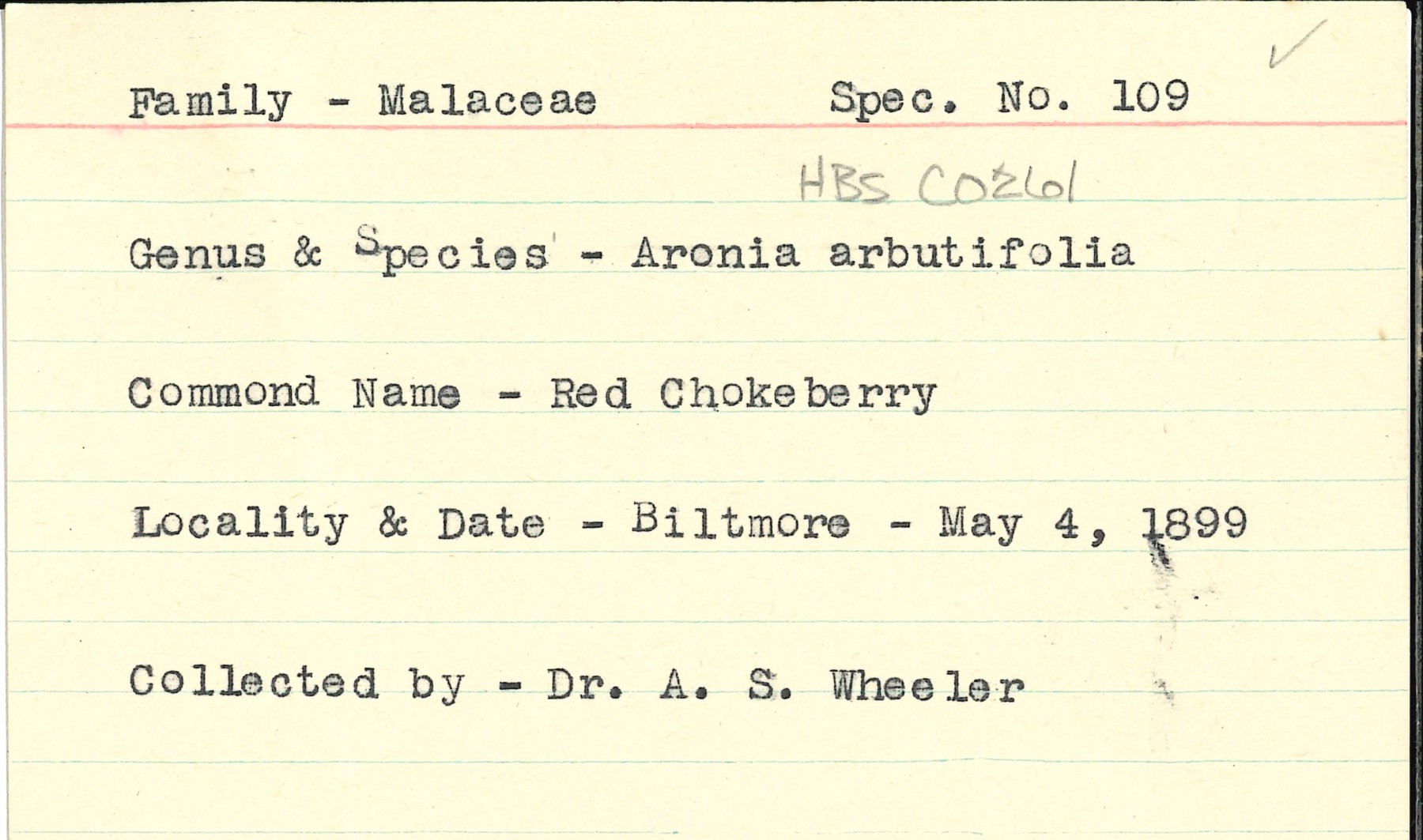
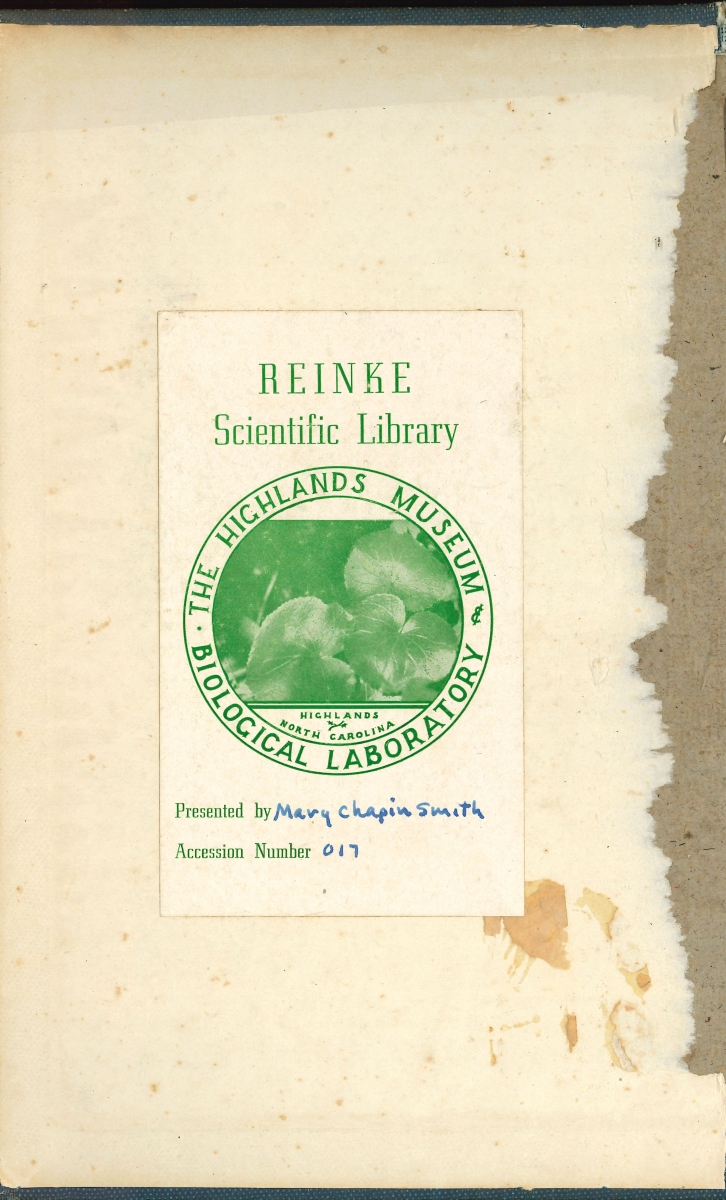
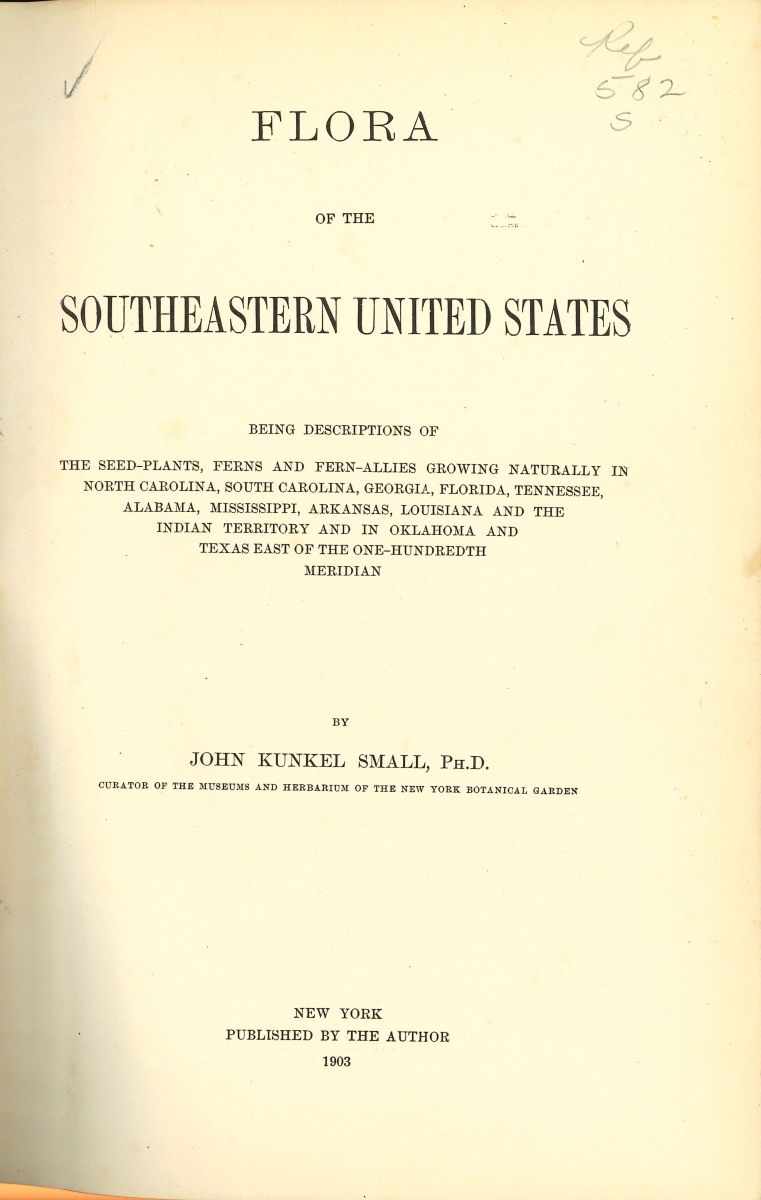
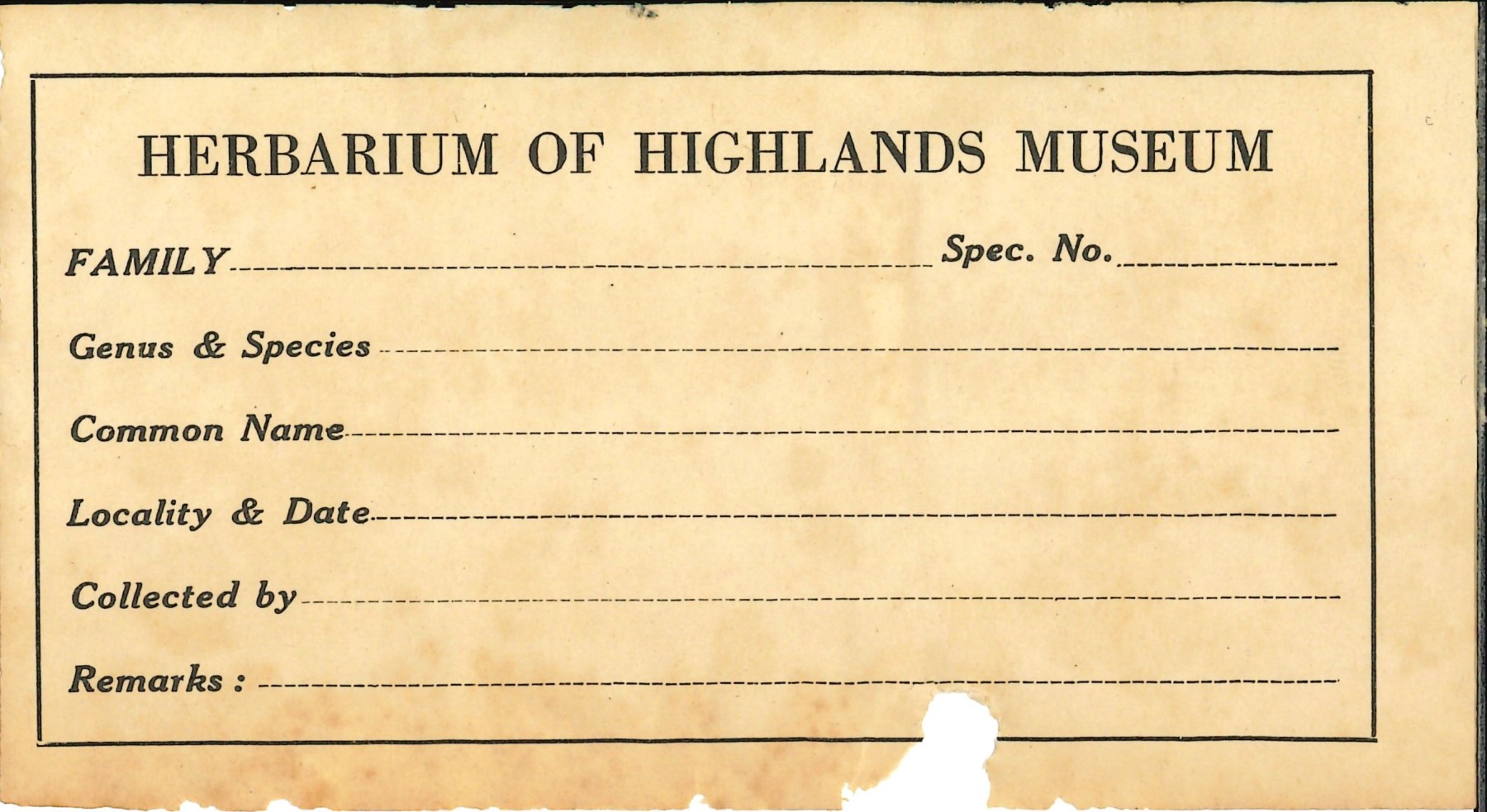
Archival documents from Wheeler's relationship with the Highlands Museum and Laboratory — click any to enlarge.
The Highlands Museum Herbarium, Now at HBS
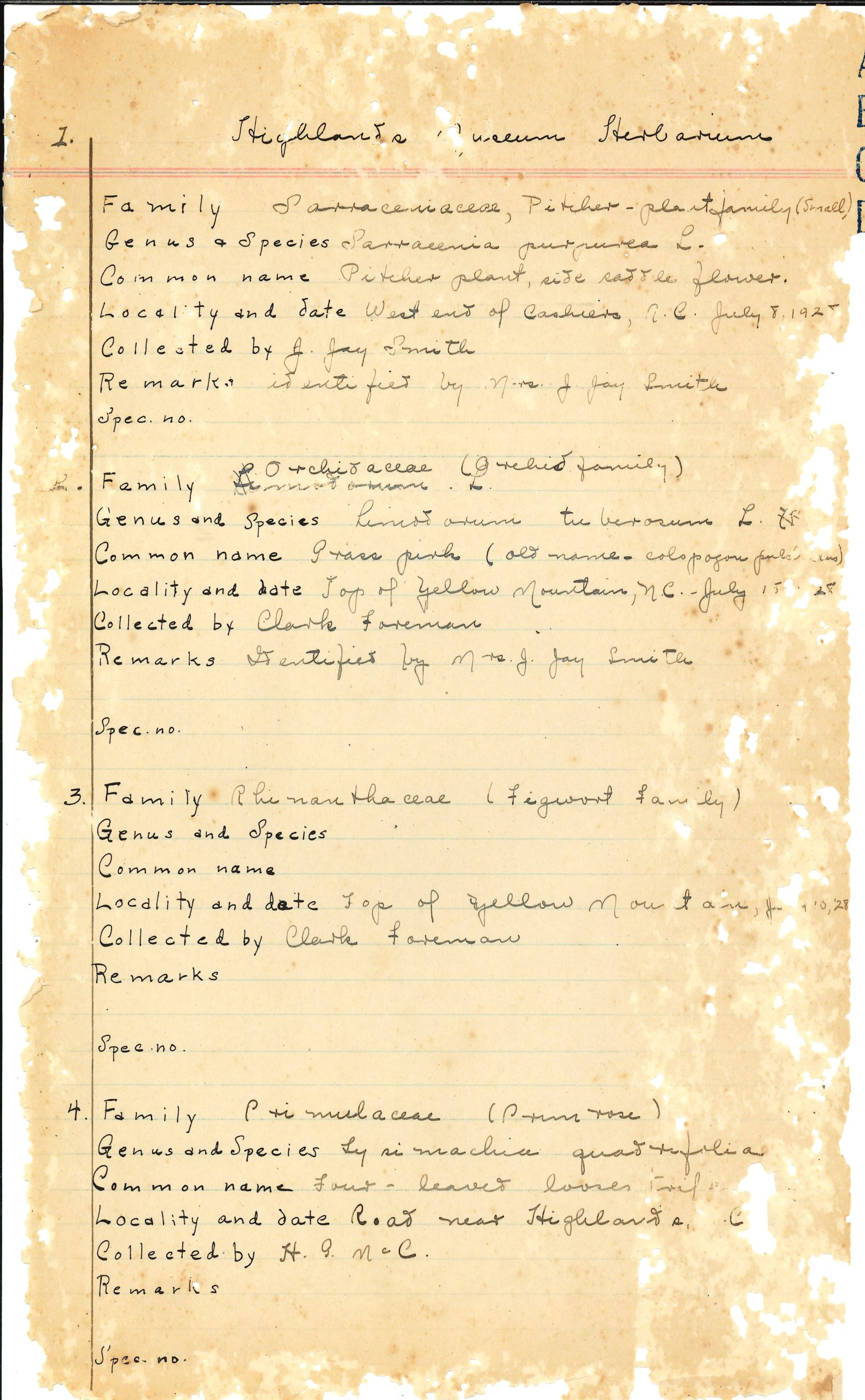
The first donations to the Highlands Museum Herbarium were collected in July and August of 1928 — gifts from Mary Chapin, Mrs. J. Jay Smith, Clark Foreman, Helen G. McCormack, and others. The flora were collected in gardens, along the "road to Satulah," the "grounds of museum," and along the "roadside."
Of particular interest is a Showy Orchis collected by Mary Chapin Smith, accompanied by a note: "This plant was found by Berzilla Smith in a cove near Shortoff Mountain over 30 years ago, and has been cultivated in Highlands area ever since."
In 1930, additions were contributed by Stanley A. C. Cain (1902–1995), collected from the Smokies. Later important contributors include Albert E. Radford, Dan Pittillo, Jim Horton, and Bill Wykle.
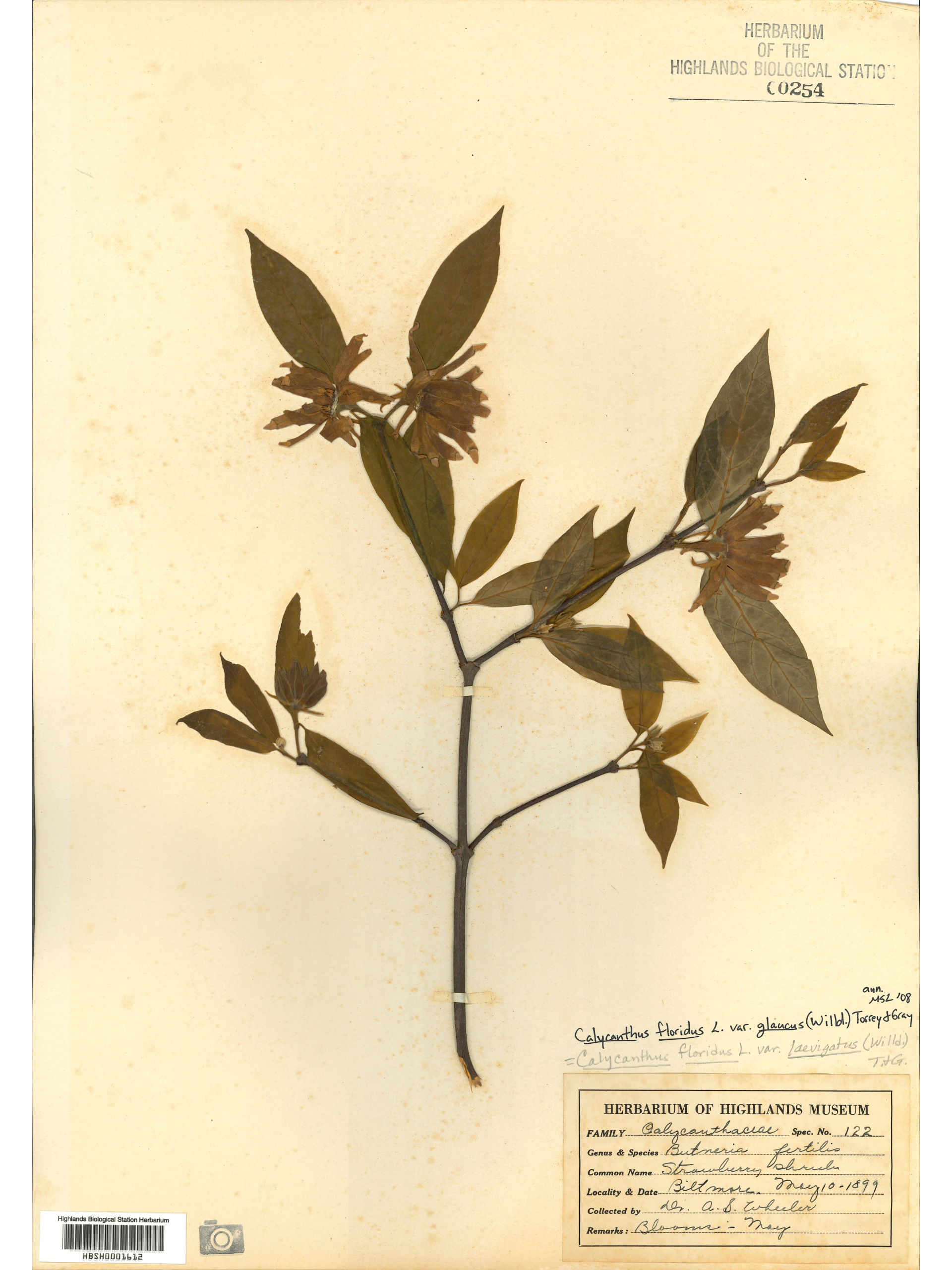
Explore the HBS Herbarium
The full holdings of the Highlands Biological Station Herbarium are searchable through SERNEC, the South East Regional Network of Expertise and Collections.
Read the Full Discovery Article
This page offers a shortened version of Bryding Adams' deeper archival research into Wheeler, Anna Grant Wheeler, Thomas Harbison, and the origins of the Highlands Museum Herbarium.
Acknowledgments & Sources
My thanks to Jill Hawkins and Scott Shumate, Biltmore Estate Archaeologist and Historian, for providing information about the Wheelers at Biltmore, as well as deeds and newspaper articles. See Randolph P. Shaffner's Heart of the Blue Ridge: Highlands, North Carolina, pages 214–219, for additional information on Thomas Grant Harbison.
Additional thanks to Dr. Kathy Mathews, Professor of Arts and Sciences at Western Carolina University, and HBS volunteers Leslie Costa and Suzanne McDowell for help with reconciling Wheeler's specimens in the HBS Herbarium.
And, of course, Sarah Vickery, for taking a very complicated story and genealogical puzzle and making it entertaining to read and easy to understand.
— Bryding Adams, Volunteer Archivist
More from Notes from the Archives
Stories of the people, places, and discoveries that shaped Highlands Biological Station