
Winter Hours
Don’t worry, we’ll still be open from dawn ’til dusk in the Botanical Gardens as usual, but Winter brings with it a crisp new sense of how those hours might be spent.
Time is a shapeshifter, and sometimes we need to just stop and stare, to take it all in, to notice, with all our senses!
That’s sort of what we’re all about here at HBS, right? Observation leading to investigation. Researchers and recreationalists alike, fueled by some intense curiosity and a desire for discovery—even the discoveries made on everyday walks around the lake.
These Winter Hours are never static; the days grow shorter by the minute now. Solstice time is drawing in.
We measure Time by frostlines and sunshine.
We take the temp with our nose to the breeze and an extra layer that’s always either coming off or going on, depending on where we stand. Winter hours are endless and fleeting at the same time. We settle into slowing down but savor the moments while they last. These are the be-there-at-the-right-time-and-see-it-in-the-right-light kind of moments.
I would be remiss if I didn’t acknowledge that I write to you on the cusp of a full Beaver Moon.
I would also be withholding if I didn’t mention that Beavers on Lindenwood Lake have become the trending feature in most of our conversations about the garden these days. The Beaver, secretive and determined, is actually a perfect ambassador for the Winter season here in the gardens. Has there ever been a creature more focused and intent on the attention to the land and preparedness for what’s to come?
I must admit, I’ve become fascinated with these industrious little creatures and the keystone role they play in our ecosystem here at the Station. In fact, generations of Beavers have most likely been at work here in the Wetland Zone since well before our founders recognized this site as a biologically significant area.
Let that shift our sense of Time for a moment.
The Beaver at work, filmed by Canty
Look for the wake. The Beaver rides low in the water, so most of what you see is the V it pushes across the reflections. The three clips play in order.
Video by Canty Worley. No sound. Tap the video to pause, or pick a clip.
Did Mr. Ravenel stumble upon remnant Beaver settlements here before building the lake?
Was there some inspiration from Nature in that effort? How could there not be?
Were some of the montane bog plants that we know and love today a part of that ecosystem?
How will Beavers (and the inevitable rise of the lake level) affect those plant collections in our gardens?
What if the Beavers cut down trees in the gardens?
These types of questions, and many more, seem to follow in any discussion about our furry friends in the lake.
As horticulturists and land managers, we are faced with a bit of a dilemma on the matter of Beavers. On the one hand, these amazing creatures are truly architects of ecological diversity—a quality we hold near and dear at HBS! But on the other hand, the Wetland Zone around the lake houses a generous amount of our rare, at-risk, and, in some cases, federally endangered plant collections. Some of these plants play a significant role in our organization’s mission as a conservation garden at the global level.
Knowing “what to do” is not always a sure thing. Oddly enough, the Beavers are trimming some of the same woody vegetation in the wetlands that we as gardeners have been tasked to remove in our efforts to “daylight” growing habitats for plants such as SarraceniaPitcher plantsCarnivorous plants of sunny bogs. Their leaves form tubes that trap insects., ParnassiaGrass-of-ParnassusNot a grass at all: a wildflower of wet seeps with white, green-veined petals., and CheloneTurtleheadsNamed for their hooded flowers. A host plant for the Baltimore checkerspot butterfly., to name a few. But at the same time, the lake level rise may put those same populations at risk. As I said, dilemmas abound.
More Beaver work means more light on the bog, and more water.
Before the Beavers: woody shrubs crowd the bog margin and shade the pitcher plants, so gardeners clear them by hand.
One thing is clear: the Beavers are challenging us to expand our rationale on how and why we steward this special place the way we do.
Luckily, inquiring minds are never far away here at HBS. Already, botanists and Beaver researchers alike have arrived on the scene to assess the situation. STEM educators can be found checking on the dam before school in the morning. The spillway bridge above the Beaver dam becomes a de facto classroom on a daily basis now, it seems. Folks are having their first experience with a Beaver just by taking a walk in our gardens. I have a feeling the conversations on this subject have just begun.
If we slow down enough to look carefully, as only we can on Winter’s time with Winter eyes, we can see that this interaction with the Beavers exemplifies the mission that guides us here at HBS—research, education, and conservation.
ResearchBotanists and Beaver researchers have arrived on the scene to look at the lodge, the dam and the rising water.
As we investigate the implications of this newfound member of our aquatic community, we are asked to look further, to examine the unseen and to try, for a moment, to understand more completely. Coexisting with the Beavers may ask us to make compromises and to explore our relationship with this land more fully. Living with the Beavers may also prove to be a fascinating collaboration across various disciplines in the environmental sciences, exemplifying our historic role as a living laboratory for the rich natural history of the southern Blue Ridge, a biodiversity hotspot. It’s quite appropriate that here on the eve of our 100th anniversary, we are still learning from this dynamic, ephemeral wetland ecosystem. Lindenwood Lake has always been the central character in our narrative about the Station. With a little luck, and a lot more understanding, we will preserve and protect this treasure for generations to come.
Back in the gardens, with the stillness of frosty Winter mornings as my guide, I find myself going “off trail” more and more these days to look for Beaver activity in the Wetland Zone and beyond—I keep my muck boots and waders close at hand! I walk over lands that were once open water. When I reach the backwaters, I am reminded just how much Lindenwood Lake has filled with silt over the years.
The disturbance of development around our campus often finds its way to our shores. Rather than lament the irresponsible passing of particles and particulates through our waterways, I choose to see the ways in which Nature is trying to help us and heal itself in the process. The plant palettes that assemble in silt plumes provide essential ecosystem services for our waterways. Grasses, sedges, and rushes become frontline filters for creek inlets, their roots and shoots holding ground where it matters most. Beavers, too, mitigate the impact of land disturbance and the resulting effect on the watershed through their dam building and wetlands management.
Silt arrives with the creek. Watch where it settles.
About — of the silt settles out before the water leaves.
With the help of our allies in the plant and animal kingdoms, the water in Lindenwood Lake is encouraged to linger a little longer and to be left cleaner when it leaves than when it arrives.
Photographs from the gardens by Canty Worley
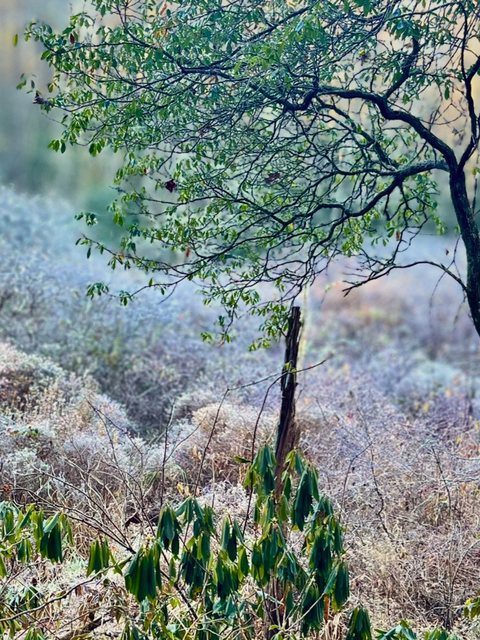
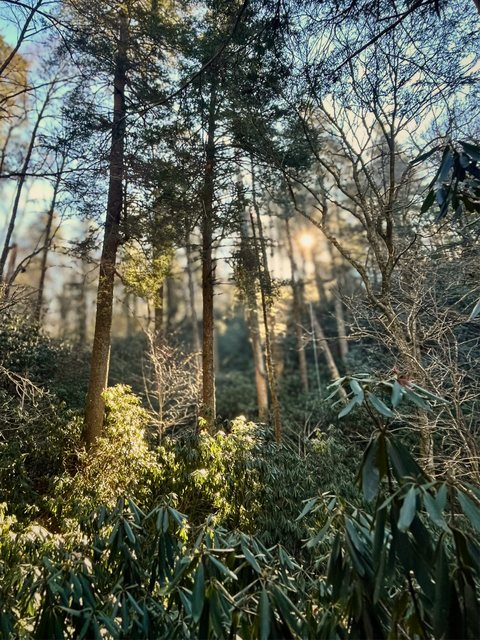
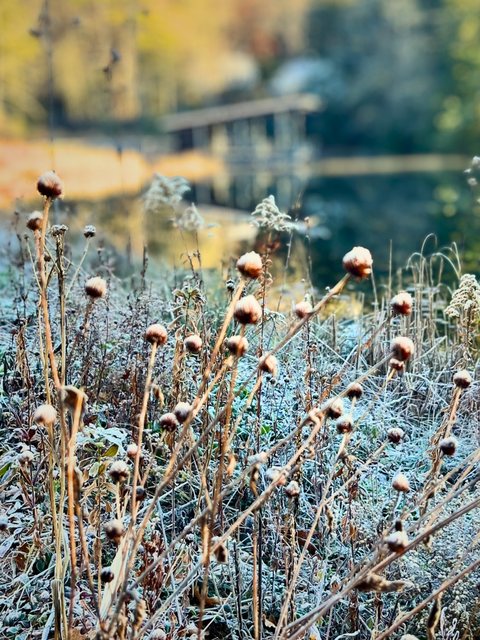
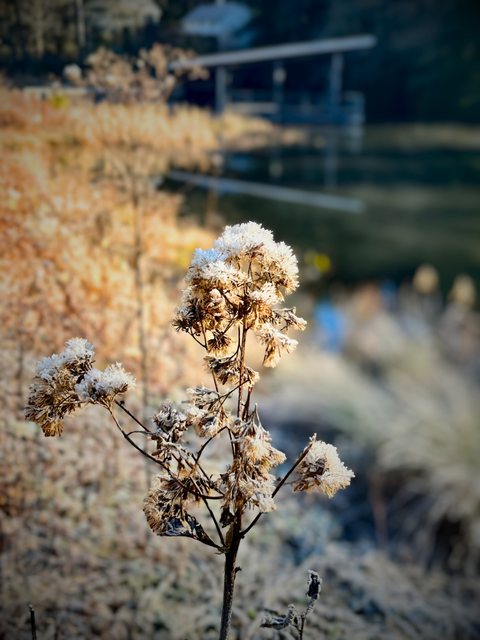
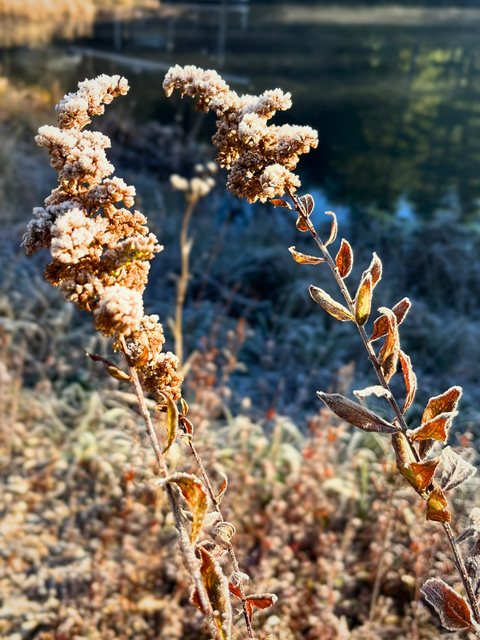
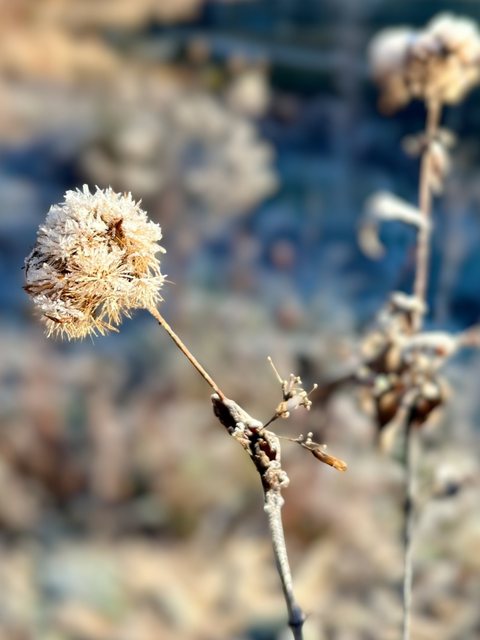
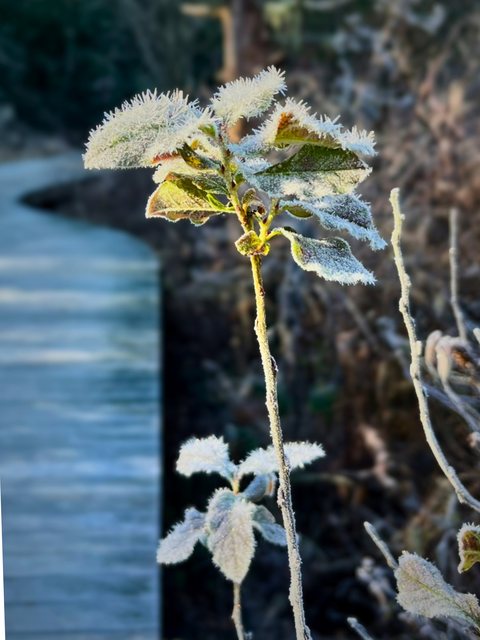
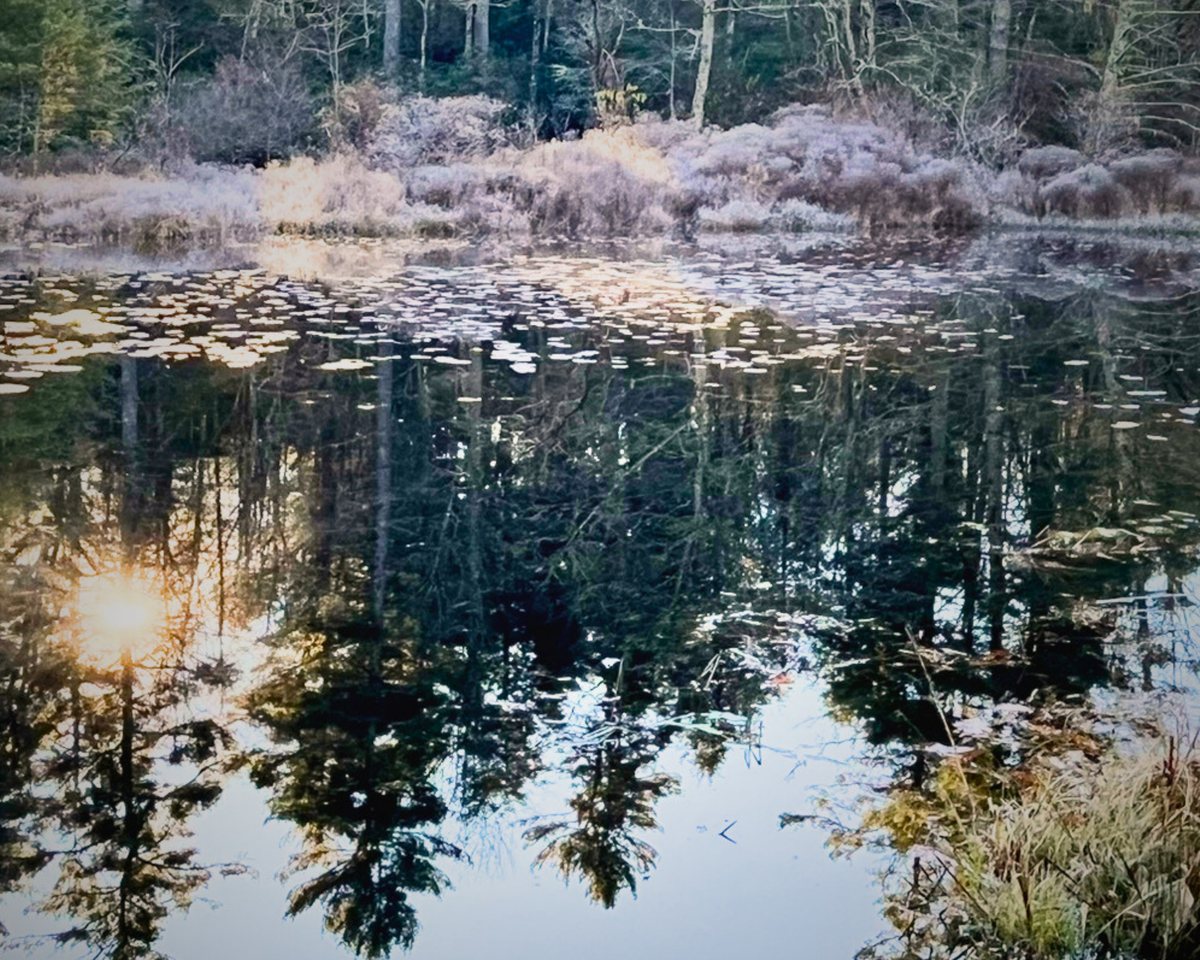
We hope you’ll be encouraged to linger a little longer with us as well, in the gardens and online, exploring all there is to discover in these Winter Hours.
Canty