
Summer 2027 · Field courses
Learn it where it lives.
One or two week-long field courses on the Highlands Plateau, taught outdoors among the streams, forests and botanical gardens of the Southern Appalachians. Choose a single week or build a whole summer.
Four small things
They make registration a five-minute job.
Look at the prerequisites
Every course lists what we expect. Most welcome curious beginners, and a few build on earlier coursework.
Decide how to take it
Non-credit, WCU credit or UNC credit. We email the next steps for credit.
Think about where you’ll stay
Station housing is available by the bed. Have your arrival and departure in mind.
Have payment ready
Seats are first come, first served, and you pay when you register.
The courses
Seats update as people register. Choose Register to sign up and pay.
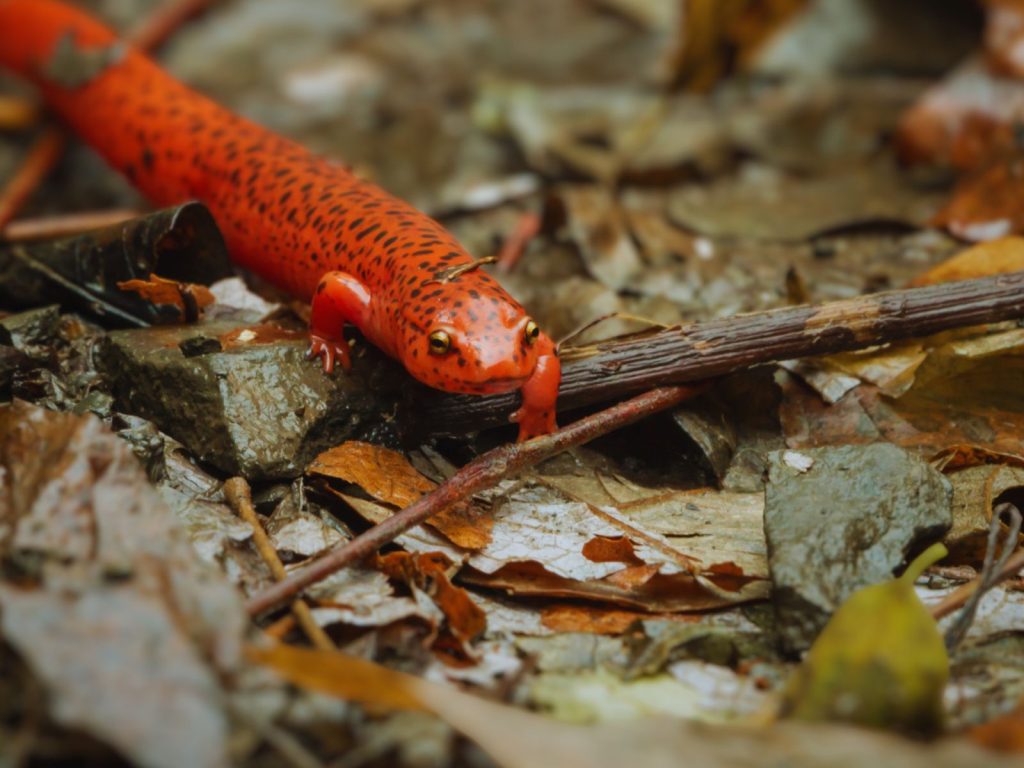
May 24–28, 2027 Course
Salamander Conservation in the Southern Appalachians
One week · 2 credit hours
The Appalachian region is home to the greatest diversity of salamanders in the world. This course explores the remarkable ecology, life histories, and diversity of plethodontid (lungless) salamanders found throughout the Appalachians, with particular…
$500 or $400 for member institutions

May 31 – June 4, 2027 Course
Biology and Identification of Ferns
One week · 2 credit hours
The vascular plant flora of eastern North America includes species from 3 lycophyte families and 27 fern families and in our broader region there are a couple hundred species. While some species are easily…
$500 or $400 for member institutions

June 7–11, 2027 Course
Hidden in Plain Sight: The Remarkable World of Appalachian Lichens
One week · 2 credit hours
The Southern Appalachians are a remarkable center of lichen diversity, offering an ideal setting to explore these often-overlooked organisms. Through field excursions across a variety of habitats and hands-on laboratory work, students will investigate…
$500 or $400 for member institutions

June 7–11, 2027 Course
Sedges of the Southern Appalachians
One week · 2 credit hours
Sedges are notoriously difficult to identify because there are many species, several different species often grow in proximity in the same microhabitats, they have reduced and unique floral structures and terminology, important differences used…
$500 or $400 for member institutions

June 14–25, 2027 Course
Adaptations of Appalachian Plants: Form & Function
Two weeks · 4 credit hours
Discover how plants of the Southern Appalachians adapt to their environments through the fascinating interplay of form and function. Combining field exploration with hands-on laboratory work, students will investigate photosynthesis, water relations, and plant…
$1,000 or $800 for member institutions
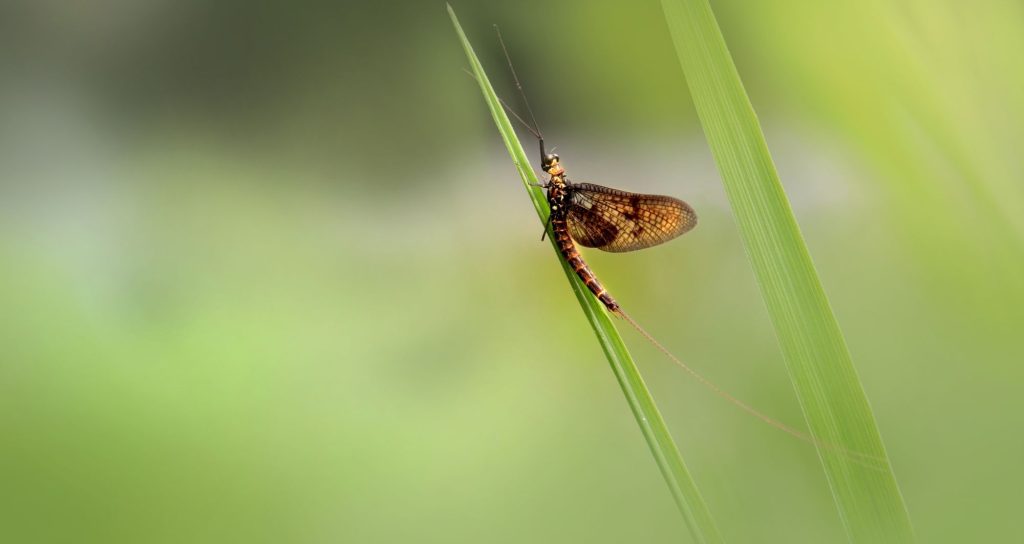
June 21 – July 2, 2027 Course
Taxonomy and Natural History of Southern Appalachian Mayflies, Stoneflies, and Caddisflies
Two weeks · 4 credit hours
Natural history and taxonomy of mayflies (Ephemeroptera), stoneflies (Plecoptera), and caddisflies (Trichoptera), including systematics, ecology, and behavior of larvae and adults, with emphasis on those aspects important in ecological studies, biological monitoring of water…
$1,000 or $800 for member institutions
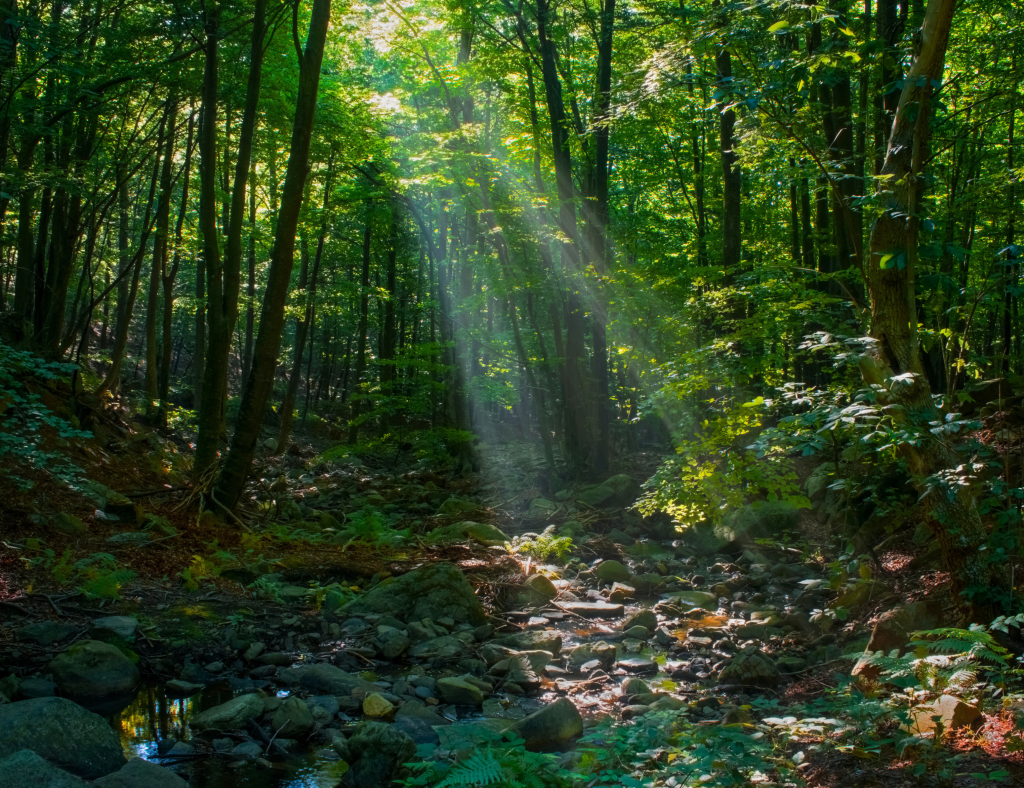
July 12–23, 2027 Course
Forest Ecosystems of the Southern Appalachians
Two weeks · 4 credit hours
Explore the rich diversity of Southern Appalachian forests and discover the ecological processes that shape these remarkable landscapes. Through immersive field excursions, students will investigate forest communities, vegetation patterns, succession, and the relationships between…
$1,000 or $800 for member institutions
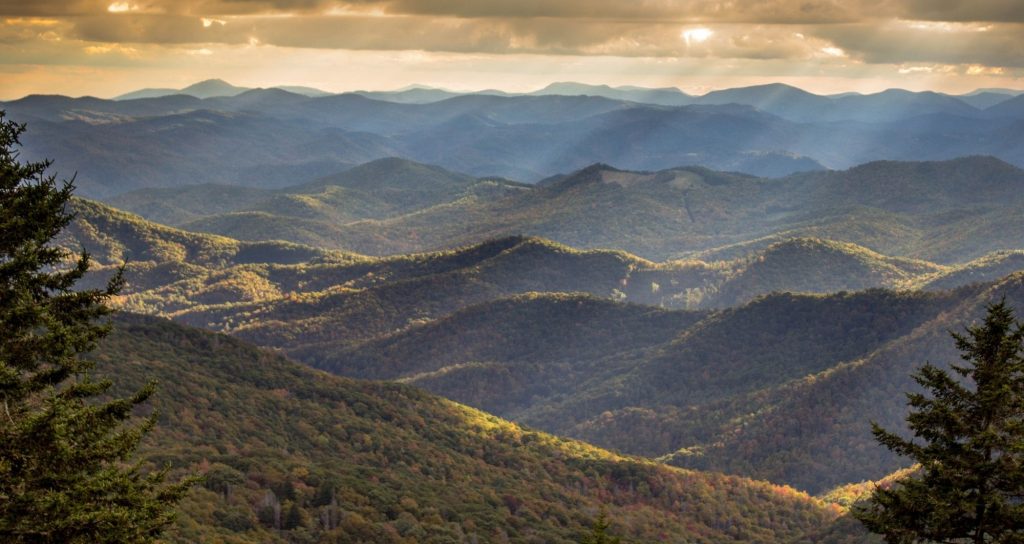
July 19–30, 2027 Course
Conservation Biology in the Southern Appalachians
Two weeks · 4 credit hours
Conservation biology is a multidisciplinary science focused on understanding and protecting Earth’s biodiversity. The field offers both exhilaration—through the extraordinary diversity of life—and sobering reminders of global biodiversity loss. The southern Blue Ridge Mountains,…
$1,000 or $800 for member institutions
August 9–13, 2027 Course
Grasses of the Southern Appalachians
One week · 2 credit hours
This intensive field and laboratory course is designed to help participants develop a strong working knowledge of grass identification and classification, with a focus on species native to the Southern Appalachian region. Participants will…
$500 or $400 for member institutions
The lineup is coming soon
The courses for this summer will appear here as soon as they’re set. Seats are first come, first served, so mark the day registration opens.
Good to know
Frequently asked questions
Before you register
Who can take courses at the Highlands Biological Station?
Our accredited summer field courses are open to undergraduate and graduate students, professionals, and anyone with a strong interest in natural history, field biology, or environmental science. Many participants attend for academic credit, while others come for professional development or personal enrichment.
Do I need prior experience or specific coursework to enroll?
Some courses recommend or require certain prerequisites, while others are open to all backgrounds. Check the individual course descriptions for details. If you’re unsure whether a course fits your background, feel free to reach out to our staff. We’re happy to help you find the right fit.
How do I choose the right course for my goals?
Consider your academic or professional interests, field experience, and schedule. Review each course description carefully to see which aligns best with your focus area. You can also contact us directly for guidance if you’d like help deciding.
When and how can I register for a course?
Registration opens in early January. Choose your course on this page and complete the online registration form. Register early to secure your spot. Registration closes three weeks before each course begins or when the course fills.
When a course is full you can join its waitlist at no cost. If a seat opens we email you right away and hold it while you complete your registration.
Each course must reach a minimum number of students to run; if a course is canceled by HBS due to low enrollment, you’ll receive a full refund. Once you have registered and paid, we’ll email you a confirmation and next steps.
Academic credit and financial aid
Can I receive academic credit for my course?
Yes. You must request academic credit at the time of registration; requests can’t be made retroactively.
- UNC–Chapel Hill: Undergraduate students can earn credit for one- or two-week courses.
- Western Carolina University: Undergraduate and graduate students can earn credit for one- or two-week courses.
- Once you have received confirmation of your registration, please send a copy of your unofficial transcript to svickery@wcu.edu.
- One-week courses earn 2 credit hours; two-week courses earn 4 credit hours.
After registration, you’ll receive instructions for completing the credit process. On transcripts, courses appear as:
- UNC–CH: BIOL 459 Field Biology
- WCU: BIOL 493/593 Special Topics (includes the course’s specific title)
Does HBS offer financial assistance or scholarships?
Yes! Limited financial assistance is available for students taking courses for credit. Awards are made on a first-come, first-served basis and do not cover the full cost of the course.
To apply, register for your course, then use the scholarship link on your registration page. You will be asked for:
- Statement of Need (about 250 words describing your financial situation and goals)
- Letter of Recommendation from a faculty member or advisor. Give us their email and we send them a link.
- Unofficial Transcript
Are there other scholarships available?
Yes. Students may also apply for:
- John E. Fairey / Southern Appalachian Botanical Society Biological Field Station Scholarship (for botany-focused courses; deadline April 25)
- Highlands Plateau Audubon Society Scholarship (for Biology and Conservation of Birds; covers $1,000 of fees; rolling deadline)
Payments and refunds
How do I pay for my course, and what is the refund policy if I need to cancel?
You pay for your course and housing (if requested) at the time of registration. If you receive a scholarship or financial assistance, that amount will be refunded to you once your award is processed.
Refund policy
- Academic credit fees are non-refundable.
- Housing fees are fully refundable unless you cancel within 30 days of the course start date.
- Course tuition:
- Cancel 45 or more days before the start: full refund minus a $75 fee
- Cancel 30 to 45 days before the start: full refund minus a $150 fee
- Cancel less than 30 days before the start: no refund
Travel and preparation
What should I know about traveling to Highlands?
Plan ahead. Highlands is a remote mountain town with limited transportation options. Visit our Getting Here page for driving directions and travel details.
- Cell service can be unreliable on mountain roads, so download or print directions before you come.
- Highlands has a grocery store and restaurants, but prices are higher than surrounding areas; consider shopping before you arrive.
- Parking is available on campus near housing areas.
What is the weather like in Highlands during the summer?
Highlands sits at 4,100 feet, so even summer days are cool compared to most of the Southeast. Expect daytime highs in the 70s °F and cool, misty evenings in the 50s °F. Afternoon rain showers are common, so pack layers, rain gear, and sturdy footwear.
What should I bring for my course?
You’ll receive a packing list before arrival, but essentials typically include:
- Field gear (boots, rain jacket, hat, insect repellent)
- Notebook and writing supplies
- Reusable water bottle and lunch container
- Bedding and towels (if staying on campus)
- Flashlight or headlamp for night work
- Personal items and medications
On-campus living
What are the housing options like?
Our on-site housing is dormitory-style: simple, comfortable, and designed for field station living.
- Expect to share a room with 2–3 students.
- Common areas are cleaned twice weekly; bedrooms are self-maintained.
- A full kitchen is available for meal prep (no meal plan provided).
- Alcohol is allowed only inside residences or dining spaces; underage drinking is prohibited.
- Pets are not permitted (service animals only).
Housing assignments are sent about two weeks before your course begins, along with a packing list and access codes. Check-in starts Sunday at 1 PM before your course; check-out is by noon Saturday after it ends.
What amenities are available?
- Free Wi-Fi in main buildings (limited in some residences)
- On-site laundry facilities
- Free parking near housing
- Access to the Highlands Botanical Gardens and Nature Center
Can I arrive early or stay late?
Check-in and checkout times are fixed due to housing turnover, but you can contact us in advance if you need to discuss special arrangements.
How do I receive mail or packages while at HBS?
Use this address format:
Highlands Biological Station
Attn: [Your Name]
265 N. 6th Street
Highlands, NC 28741
Mail is checked Monday–Friday. We’ll notify you by email when something arrives. If mail comes after you’ve left, you’ll be responsible for return postage.
Campus life and community
What’s a typical day like during a course?
Expect immersive, hands-on learning. Days often begin early and include a mix of lectures, lab work, and field excursions. Classes frequently extend into the evening for night surveys or data collection, followed by independent study or group discussions.
Can I visit the Botanical Gardens or Nature Center during my stay?
Absolutely! Students are encouraged to explore the Highlands Botanical Gardens and visit the Nature Center. Both are just steps from campus and open daily.
Are restaurants or shops nearby?
Yes. Downtown Highlands is a short walk or drive from campus and offers restaurants, cafés, and small shops. Keep in mind that hours can vary seasonally, especially in winter.
After your course
How do I request a transcript or certificate?
If you earned academic credit, transcripts are available through UNC–Chapel Hill or Western Carolina University depending on your registration. For non-credit participants, HBS can issue a certificate of completion upon request.
How can I stay involved with HBS after my course?
Stay connected! Follow us on social media, sign up for our newsletter, or reach out to us directly at hbs@wcu.edu
Who should I contact if I have additional questions?
We’re happy to help! Email us anytime at hbs@wcu.edu or call (828) 526-2602.
Prefer a day or a weekend?
Workshops have their own page, with short sessions you can fit into a single day or a weekend.
Questions about a course?
Write or call, and we’ll help you choose.
Sarah Vickery, Business & Communications Manager
svickery@wcu.edu · 828-526-2602