
From the Gardens
A Garden is a Verb
A naturalistic landscape can look effortless. Spend one Wednesday morning with the people who tend it, and you see how much of its beauty is labor — and how much of it is foresight.
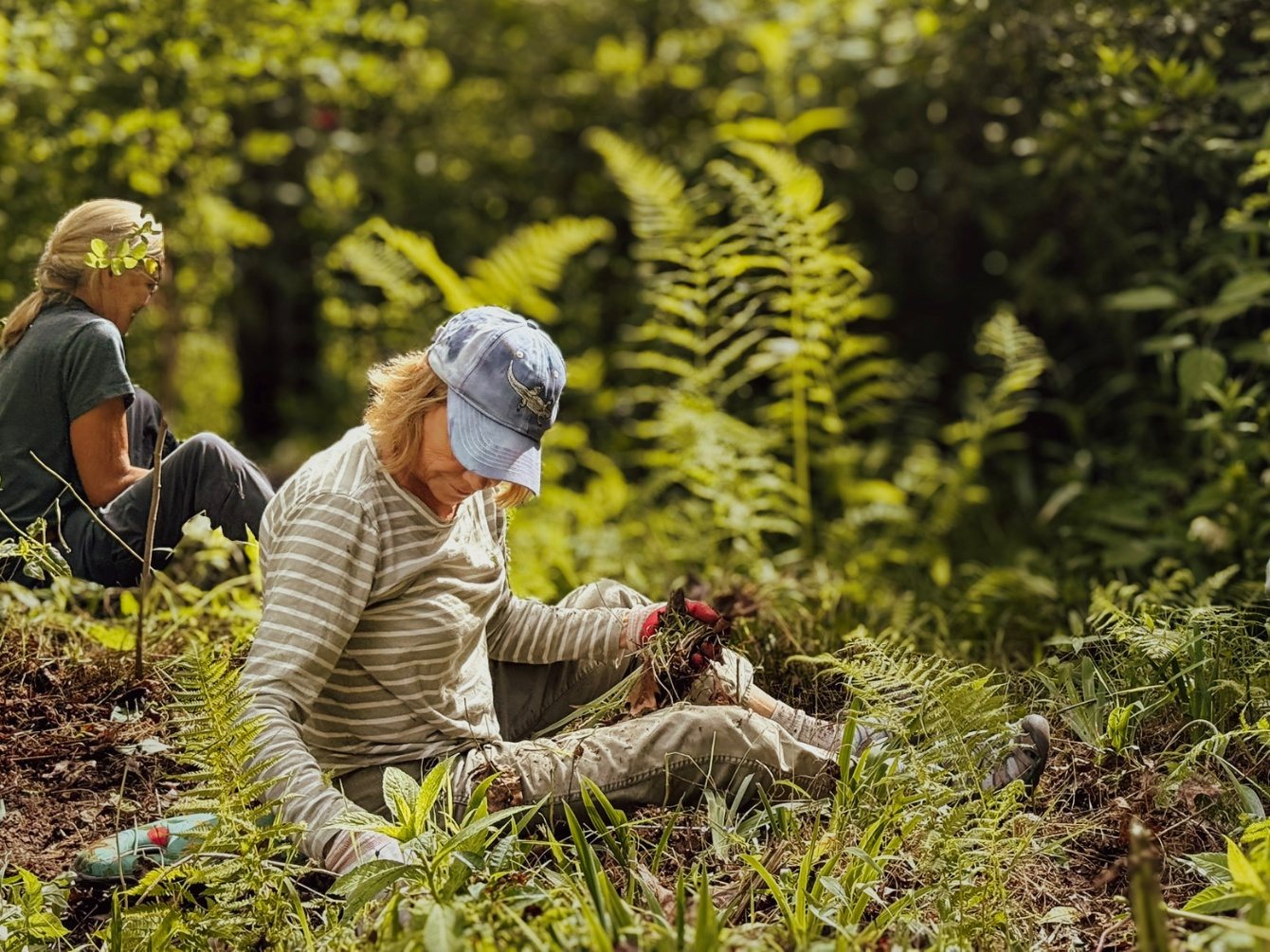
Wednesday is volunteer day at the Highlands Biological Station. With the guidance of Garden Assistant Ripley, volunteers Michele Hall and Meg Seydel clear grass and blackberry from the Butterfly Garden, uncovering bee balm that had vanished into the green.Sarah Vickery
At 7:45 on a Wednesday morning, I was already at my computer, typing my way into the day, when Canty, our Horticultural Specialist, appeared in my doorway and suggested I go outside.
“You should take some time to walk through the gardens today,” he said.
It was easy advice to resist. For those of us in administrative work at Highlands Biological Station, this is the most demanding stretch of the year. Our summer courses are at their peak, the fiscal year is closing, and the small emergencies that arrive through a screen — registrations to reconcile, housing to coordinate, invoices to process, a symposium to help plan, a run of social posts to write and schedule across every channel we keep, the unanswered questions, the deadlines that feel urgent precisely because they are digital — have reached a familiar fever pitch. Even a short walk can feel like an indulgence.
But Wednesdays are volunteer days here, and something in his tone suggested that the work happening outside deserved to be seen.
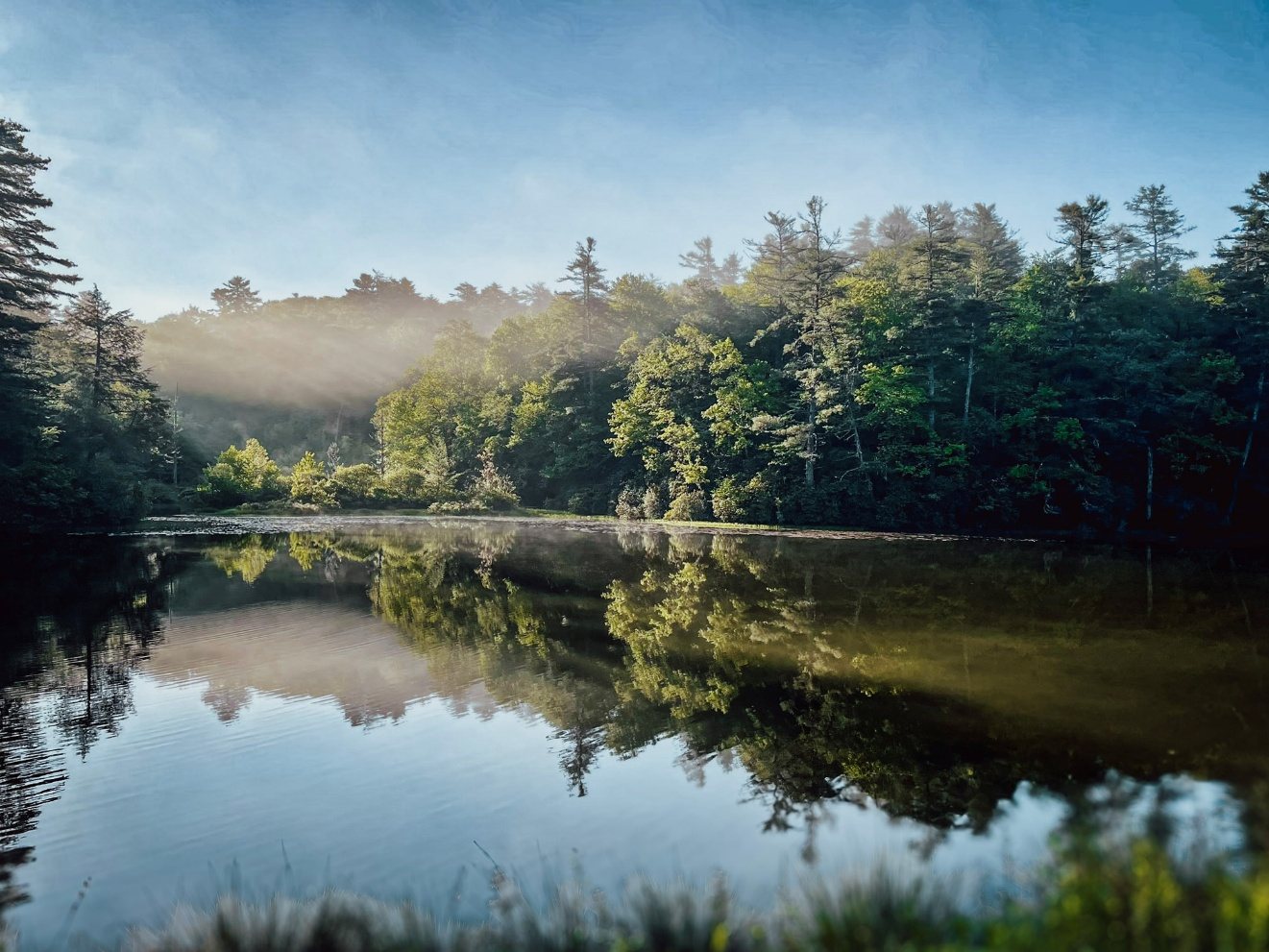
The moment I stepped into the cool morning air, I was glad I had listened. It held that rare mountain balance between chill and softness — sharp enough to clear the fog of email from my head, gentle enough that I didn’t flinch against it. Moisture still darkened the soil along the path, and the ground gave off the mineral smell of rain-soaked earth and crushed green, with the faint sweetness of flowers warming in the first light. The garden seemed to be taking its first full breath of the day.
I had not gone three steps from the door of the administration building when the purpose of the morning’s walk presented itself. Across the way, Ripley, one of our Garden Assistants, was already leading a group of volunteers through what I would soon learn was the Butterfly Garden, half-hidden among grasses and blackberry canes and armfuls of uprooted growth. Their voices carried easily through the cool air — the loose, companionable rhythm of people working with their hands and with one another.
I have worked at this station for nearly three years. I did not know we had a Butterfly Garden.
That confession says less about the garden than about how easily a place — and the labor that sustains it — can disappear into the background. I had passed the spot countless times and seen only a wall of tall grass. Now much of it was gone, and in the opened space stalks of bee balm stood upright and unmistakable, as if they had been waiting all along for someone to notice them.
“What are we pulling out today?” I asked.
“Grass,” one volunteer said. “Blackberries.” A pause. “Always.”
They were making room, they told me, for plants that had been crowded out — and for a batch of American columbo they’d been given to put in. The work looked simple enough: grasp, pull, loosen, carry away. But it was more than removal. They were uncovering the structure of a garden that had nearly been lost. “There’s a happy bee balm,” someone called, pointing. “All by itself. Oh — there are two more.”
This is one of the quiet paradoxes of gardening. A naturalistic landscape can look effortless, but it is almost never unattended. Left entirely alone, a garden does not stay a polite arrangement of native plants sharing sunlight and soil. Some species sprint; others retreat. Blackberry advances. Grasses knit themselves into dense, resistant mats. Plants that once made a habitat diverse can smother their neighbors and turn variety into sameness.
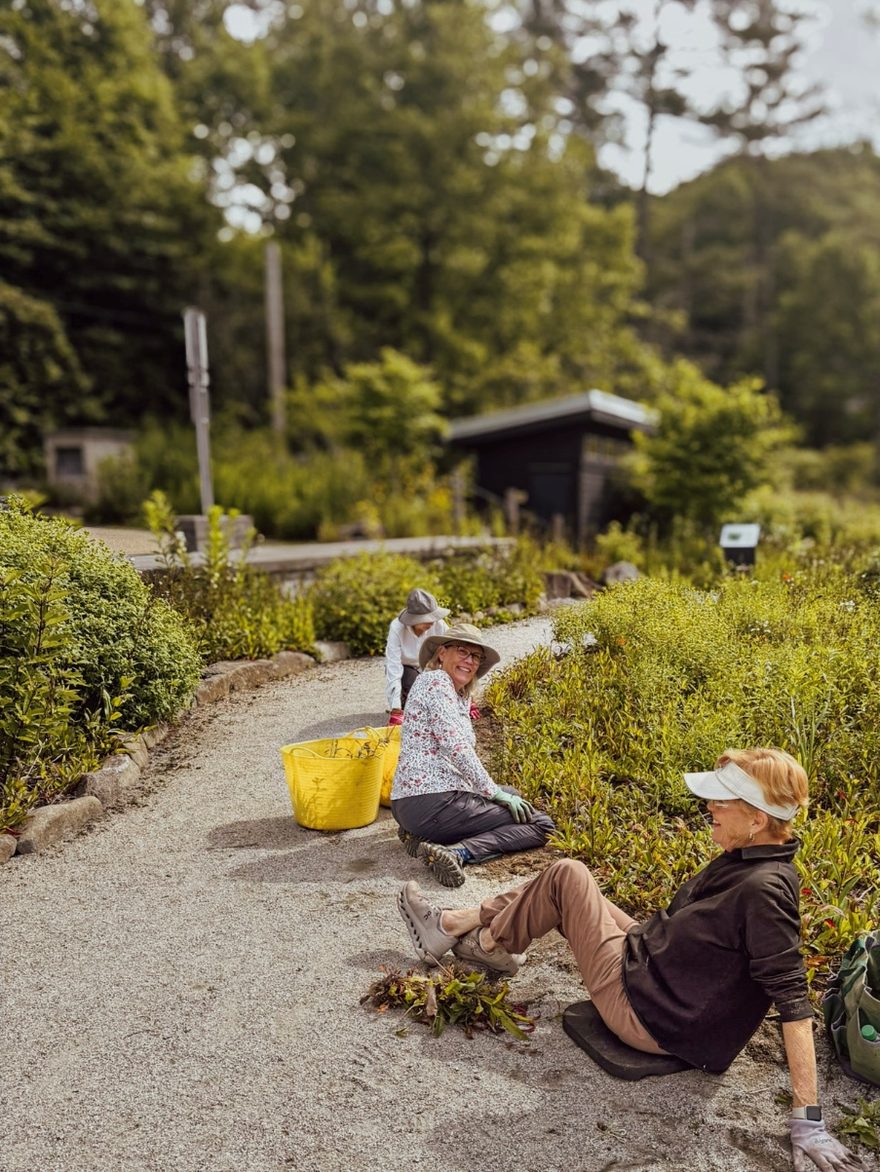
Farther on, in the Pollinator Garden on the north side of campus, another team comprised of Anne Mandigo, Leslie Costa, and Lucy Trawick, were doing the same kind of careful editing — thinning the species that had grown too dominant so the gentler ones could come back. The culprit, Anne explained, was a stand of foxglove beardtongue, a native penstemon that had spread hard through the summer, outseeding and crowding the orange butterfly weed beside it. The butterfly weed needed a little room to scatter its own seed. “We’re trying to make space for the less aggressive things,” she said. “More diversity.”
The point wasn’t simply more flowers. It was a longer, more various season of them. “A pollinator garden should meet the need from early spring to late fall,” she explained. “We have pollinators coming through for a very long time up here on the plateau.” A bed that blooms gloriously for a single week in June can look like a triumph to us while quietly failing the insects that depend on an unbroken supply of nectar and pollen. What she wanted, she said, was something simpler to describe than to grow.
“An open invitation from early spring to late fall.”
That sequence takes knowledge, patience and restraint. It means accepting that a thriving plant may still need to be cut back. It means valuing what isn’t yet visible — the seed that needs bare ground, the spring bloom waiting beneath the summer growth, the late flower holding out for light. The volunteers weren’t only deciding what the garden should look like that morning. They were deciding what it would look like months, and even years, from now.
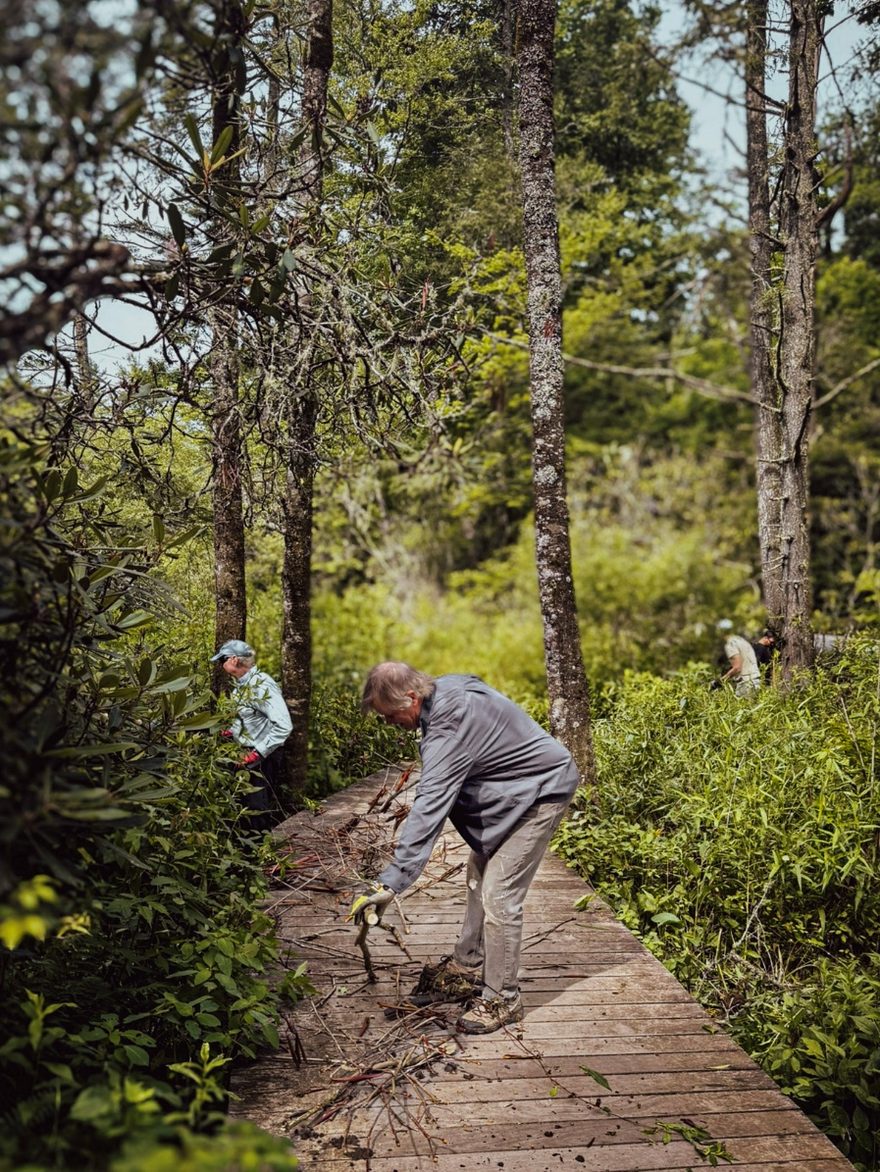
Near the place where the boardwalk meets Lower Lake Road, the work changed scale. There, volunteers were confronting the consequences of sediment — silt washed down from the building of nearby houses — that had collected and shifted the track of a small stream. The water had begun cutting where it shouldn’t, eroding around the culverts and threatening the boardwalk itself.
Even here, the clearing was selective. Dead rhododendron was coming out; the jewelweed was being left alone. The Japanese knotweed — an invasive notorious for its appetite for territory — was being pulled back only as far as the streambed work required. “It shouldn’t be cut or cleared or treated now,” Richard said. “There’s a better time of year for that.” The immediate job was the channel: clean it out, then coax the water back where it belonged. “It needs to go that way,” he said, gesturing downstream, “not through here.”
This, too, is gardening, though it looks nothing like arranging flowers in a bed.
The Highlands Botanical Gardens are a network of living systems. Gardens meet forests. Roads redirect water. Sediment travels downhill. A boardwalk depends on the stability of the stream beneath it; a butterfly depends on what bloomed several weeks before it arrived. Every action travels outward — and the volunteers and our Gardens staff are often the ones who see the connections: where the water has changed course, where one species has begun to take over, where a nearly hidden plant might recover if it were only given room.
There is a habit of treating volunteering as supplementary — kind, generous, helpful, but somehow peripheral. A Wednesday morning in these gardens shows how mistaken that is. The people pulling grass and clearing silt are not tidying paths for visitors. They are restoring habitat, managing invasive species, protecting a waterway, preserving botanical diversity, and helping a public garden do the educational work it exists to do. Their hands turn ecological knowledge into action.
They are also preserving the possibility of discovery. Because a group of volunteers spent a morning pulling grass and blackberry, I found a garden I had walked past for three years. I saw bee balm where, days before, I would have seen an indistinguishable green. I learned that a pollinator garden must be planned across seasons, not just admired at its peak — and that even a modest stream beside a road asks for vigilance.
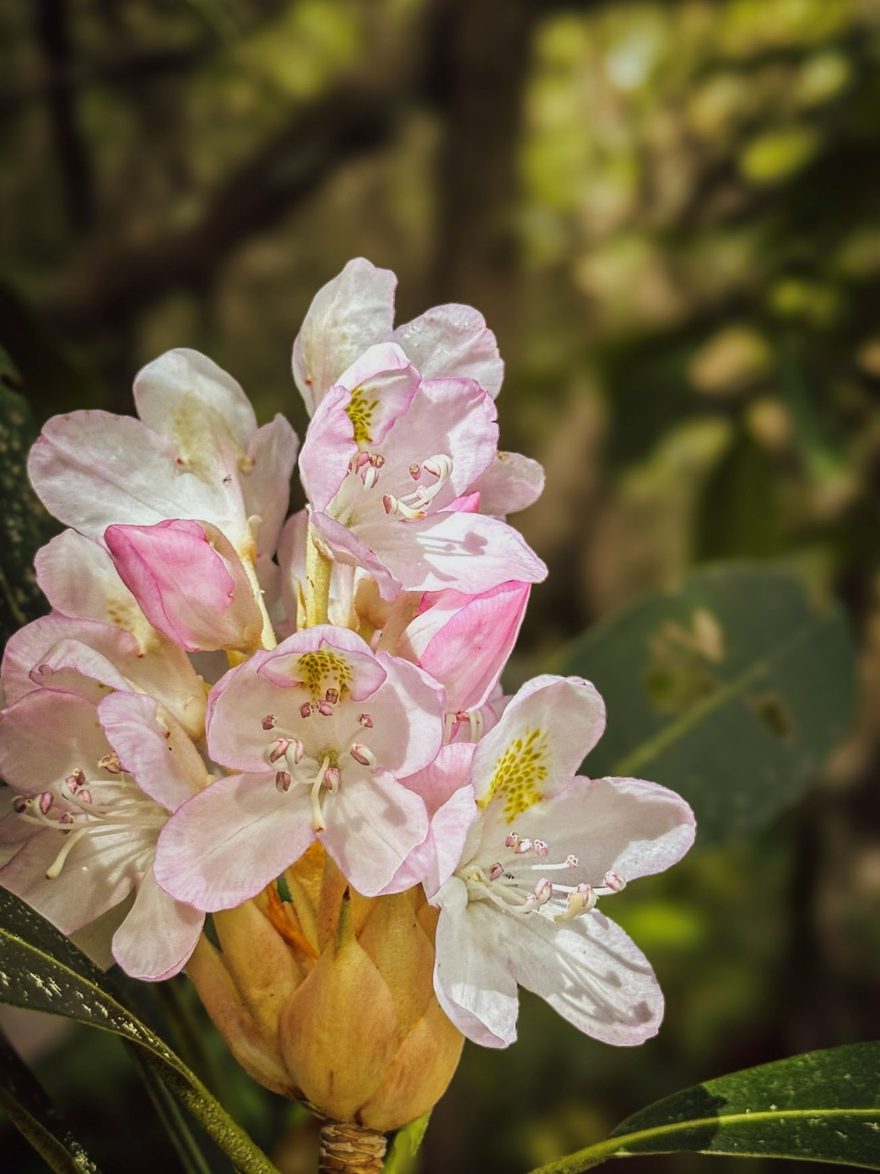
The most meaningful stewardship rarely calls attention to itself. It happens early, in wet grass and soft mud, with dirt worked into gloves and the dull ache of a shovel settling into the back and shoulders. It takes shape through small but consequential actions: pulling one plant while protecting another, clearing a channel before the next hard rain, or opening a patch of soil for a flower that may not bloom until a season none of us has begun to imagine.
That morning reminded me that a garden is not simply a place. It is a verb — something continually planted, thinned, cleared, restored, watched and cared for. Its beauty is not a permanent condition. It is the result of repeated attention.
By midmorning, I was back at my desk. The registrations, invoices and unanswered messages were waiting exactly where I had left them. The fiscal year was still closing, and the summer’s administrative machinery had not slowed. But the gardens beyond my window no longer felt like scenery. They felt active and communal: a living landscape shaped by people willing to notice what needs care and then return, week after week, to do the work.
A garden does not simply remain. It is renewed, season after season, by the people who tend it.
Sarah Vickery is the Business & Communications Manager at the Highlands Biological Station in Highlands, N.C. Photographs by the author.