
Annular Solar Eclipse in the Galápagos
Nine days in Darwin's archipelago aboard the M/V Isabela II, with Dr. Jim Costa — ending with the ring of fire seen from the deck, far from the crowds.
- Dates
- Jan 20–28, 2028
- Eclipse
- Jan 26, 7:23 a.m.
- Aboard
- 6 nights
- Group
- 40 passengers
A Little World Within Itself
Isolated from the mainland for millions of years, the Galápagos Archipelago sits 600 miles off the coast of Ecuador and remains central to our understanding of life's tenacious richness and its drive toward change. Here we'll find the abundance of wildlife that so inspired Charles Darwin in 1835 — giant tortoises, frigate birds and blue-footed boobies, Darwin's finches and Galápagos penguins, colonies of marine iguanas and sea lions — across lava fields, green highlands, and sandy beaches. Each day brings face-to-face encounters with animals remarkably unafraid of people.
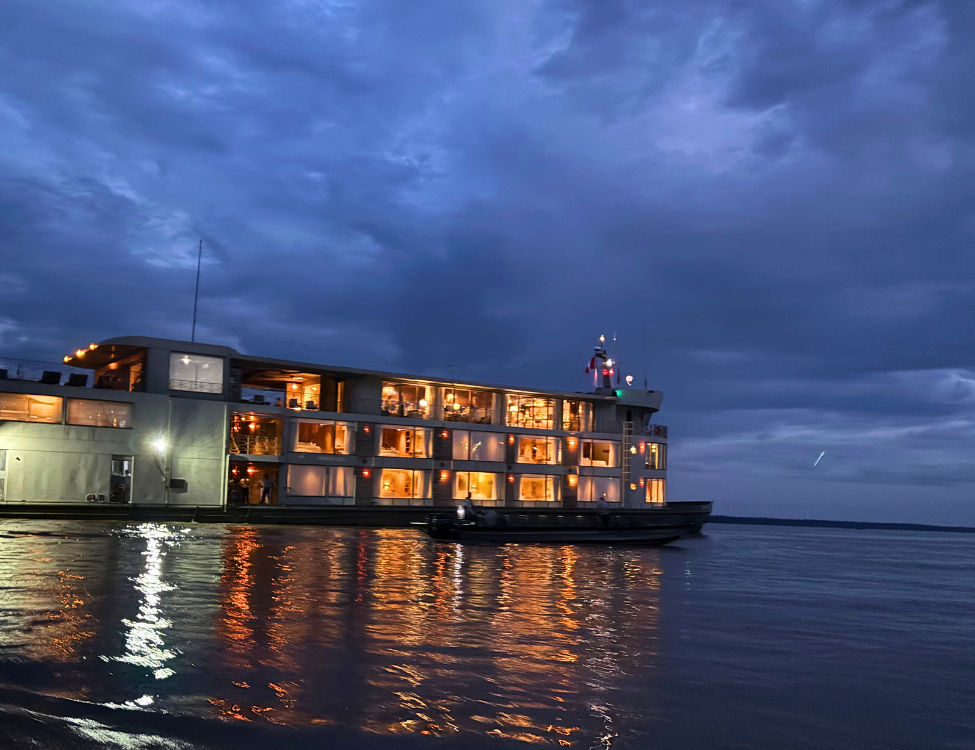
Our home among the islands is the Isabela II, a 183-foot expedition yacht carrying just 40 guests, with kayaks, paddle boards, a glass-bottom boat, and a resident naturalist staff. And from her deck, near Santa Cruz Island and far from artificial light, the journey culminates in the annular eclipse — the dramatic ring of fire igniting the morning sky.
This is a joint departure of the Highlands Biological Station of Western Carolina University and the California Academy of Sciences.
Trip Highlights
Six nights aboard the Isabela II
An intimate 40-passenger motor yacht with three decks, 20 cabins, a crew of 24 including naturalists and a resident physician.
The eclipse from the deck
View annularity onboard near Santa Cruz Island — away from the crowds and far from artificial light. Eclipse glasses included.
Lectures with Dr. Jim Costa
Talks and discussions throughout the voyage from a Darwin scholar who has traveled the archipelago in Darwin's footsteps many times.
Seven islands, nine days
San Cristóbal, Española, Floreana, Isabela, Fernandina, Santa Cruz, and North Seymour — plus Baltra and Guayaquil on either end.
Iconic endemic wildlife
Giant tortoises, marine and land iguanas, sea lions, boobies, frigatebirds, swallow-tailed gulls, finches, penguins, and flightless cormorants.
Time on the water
Snorkeling, sea kayaking, panga and inflatable dinghy rides, and the glass-bottom boat at permitted sites.
Wednesday, January 26, 2028
The eclipse is already under way as dawn breaks over the Pacific. About 90 minutes later, the Moon passes directly in front of the Sun and leaves a glowing ring in the sky. We'll be at sea near Santa Cruz Island, on the open deck, with the horizon to ourselves.
Viewing is weather-dependent. Neither Royal Adventures nor the Highlands Biological Station can guarantee the eclipse will be visible, or visible for its full duration.
Annularity
7:23 — 7:27 a.m.
From the deck of the Isabela II, near Santa Cruz Island
- Certified eclipse viewing glasses included
- Open Sun Deck, no artificial light
- Full day of island landings follows
Day-by-Day Itinerary
Day 1 Arrive to Guayaquil, Ecuador Thursday, January 20
Day 2 Baltra Island · Board the Isabela II Friday, January 21
Day 3 San Cristóbal Island Saturday, January 22
Day 4 Española Island Sunday, January 23
Day 5 Floreana Island Monday, January 24
Day 6 Isabela Island · Fernandina Island Tuesday, January 25
Day 7 Annular eclipse · Santa Cruz & North Seymour Wednesday, January 26
Afterward we arrive at Eden Islet off Santa Cruz for a panga ride to observe blue-footed boobies, reef sharks, and frigates, with water activities offered if weather permits. The afternoon is spent on North Seymour, a volcanic uplift from the ocean floor with a flat landscape full of marine fossils and endemic giant prickly-pear cactus pollinated by the islands' only endemic bee, Darwin's carpenter bee. Practically one giant rookery, the island teems with blue-footed boobies, two species of frigatebirds, swallow-tailed gulls, tropicbirds, sea lions, and marine iguanas. Explore the coast by snorkel and panga, and end the day with dinner. M/V Isabela II · B, L, D
Day 8 Baltra Island · Guayaquil Thursday, January 27
Day 9 Flights back to the U.S. Friday, January 28
Optional Pre-Trip Extension
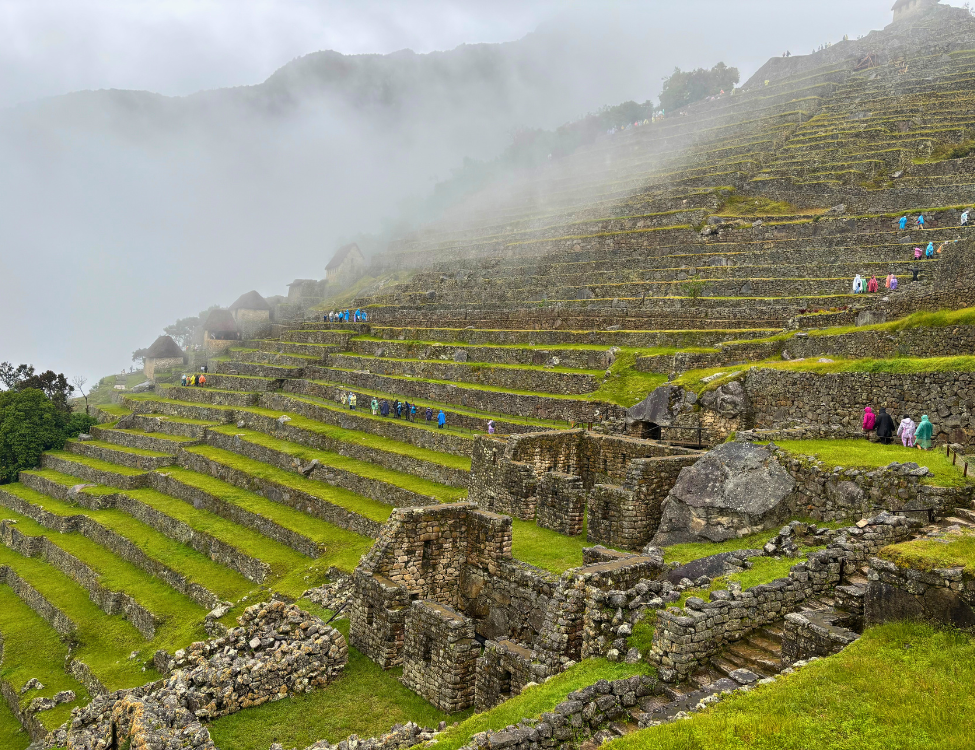
Quito Highlands
Begin in Ecuador's UNESCO World Heritage–listed capital with a full-day tour of Quito's preserved colonial and Republican-era center, its ornate churches, and panoramic viewpoints. On the second full day, head north to the Otavalo Market — one of South America's most colorful artisan markets — for handwoven textiles, jewelry, and local crafts.
The extension includes three nights in Quito, airport and hotel transfers, private transportation, an English-speaking local guide, breakfasts, two lunches at local restaurants with beverages, and the flight from Quito to Baltra to join the main program. Pricing is based on a minimum of 8 participants and includes a credit for the unused first night in Guayaquil.
$1,375 per person, double occupancy · $1,725 single
Your Study Leader
Dr. James (Jim) Costa
Executive Director, Highlands Biological Station
Jim is a professor and executive director of the Highlands Biological Station of Western Carolina University, where he teaches biogeography, Darwin's Origin of Species, and comparative temperate–tropical ecology split between Highlands Biological Station and Wildsumaco Biological Station in Ecuador. He has written extensively on Charles Darwin and Alfred Russel Wallace, co-discoverers of evolution by natural selection, and has traveled in Darwin's footsteps among the Galápagos many times.
The author of ten books, his most recent works include Radical by Nature: The Revolutionary Life of Alfred Russel Wallace (Princeton, 2023), Darwin and the Art of Botany (Timber, 2023, with Bobbi Angell), and The Descent of Man: An Annotated Edition of Darwin's Classic Work (Princeton, 2026, with Elizabeth Yale).
Recipient of the Alfred Russel Wallace Medal and a Trustee of the Charles Darwin Trust, Jim has held research fellowships at Harvard's Radcliffe Institute for Advanced Study, the Wissenschaftskolleg zu Berlin, the LuEsther T. Mertz Library of the New York Botanical Garden, and the DFG-Centre for Advanced Study at the University of Hamburg. For many years he co-instructed Harvard's summer program on Darwin and evolution at Oxford University, and he is a longtime research associate of the Museum of Comparative Zoology at Harvard.
Meet the full HBS team →Our Home Aboard: M/V Isabela II
Home for this voyage is the intimate 40-passenger motor yacht Isabela II, with three decks to enjoy. Guests take in sunny skies, evening sunsets, and starry nights from the Sun Deck, which has both open and covered areas along with the outdoor bar, hot tub, and fitness room. The Main Deck holds the dining room, reception, gift shop, library, and infirmary. Dining mixes continental cuisine with Ecuadorian specialties, and the crew of 24 includes naturalists and a resident physician.
All equipment for exploration is ready and waiting: a glass-bottom boat, kayaks, snorkeling equipment, wetsuits (available to rent for an additional fee), and a large panga. All 20 cabins have private bathrooms, small sitting areas, air conditioning, a safe deposit box, and a hair dryer, and each is equipped with two twin beds or one double bed. Cabins are on the Cabin Deck, with the exception of the Master Suite on the Main Deck.
Cabins for single use are subject to availability. The latest sustainable technology helps the Isabela II protect the delicate ecosystem she navigates.
- Length183 feet
- Guests40
- Cabins20
- Crew24, plus a physician
- DecksBoat, Cabin, Main
- Cabin typesClassic (16), Classic Family (2), Standard (1), Master Suite (1)
- On boardKayaks, paddle boards, glass-bottom boat, wetsuits
What to Expect
This is a moderately active program. Walks in the Galápagos run roughly one to two miles, sometimes over uneven and rocky terrain, at a leisurely pace suited to wildlife observation and photography. There are wet landings on many islands. Panga or glass-bottom boat rides along the coast and shorter walks are available as an alternative to longer excursions.
There are opportunities for swimming, snorkeling, and sea kayaking; snorkeling equipment, wetsuits, and kayaks are aboard the Isabela II. Internet service, where available, can be spotty. The islands are at sea level and temperatures range from the low 70s to the high 80s °F. Travel is by regular scheduled commercial airlines, motor coach, air-conditioned ship, and inflatable Zodiac-style pangas.
Participation requires generally good health. Please make any medical conditions and related dietary restrictions known to us well before departure.
Land Program Costs
| Accommodation | Per person |
|---|---|
| Family Cabin Triple occupancy. Includes a child discount; requires at least one child 12 or under in the room. | $9,890 |
| Classic Cabin Double occupancy. $500 off when rooming with one child 12 or under at the time of sailing. | $10,290 |
| Master Suite Double occupancy. | $11,190 |
| Classic Cabin, single Single occupancy, limited availability. | $13,290 |
| Quito Highlands pre-extension Double occupancy; $1,725 single. January 18–21, minimum 8 participants. | $1,375 |
Airfare: international roundtrip airfare from the U.S. to Ecuador is not included. A recommended flight itinerary will be made available to registered passengers departing from and returning to Atlanta.
Program cost includes
- Two nights at the 5-star Hilton Colón Guayaquil (Deluxe room)
- 7 days / 6 nights aboard the deluxe yacht Isabela II
- Round-trip in-tour flights Guayaquil–Baltra–Guayaquil (GYE/GPS/GYE)
- Eclipse viewing glasses
- Ingala card / Transit Control Card for Galápagos visitors
- Galápagos Park entrance fee tax
- VIP private group bag inspection at your hotel before the flight
- $135 referential fuel surcharge (subject to change)
- Wifi in the common areas of the ship
- Lectures and commentary by Dr. Jim Costa
- Tour Director throughout
- All meals and transportation in the trip itinerary
- Guided field trips, excursions, and tours
- Professional English-speaking guides and island naturalists
- Welcome cocktail aboard and wine with the farewell dinner
- Kayaks, paddle boards, and glass-bottom boat
- Gratuities to local guides and drivers
Not included
- International airfare (quoted separately)
- Customary shipboard gratuities (suggested at your discretion: $15 per day for the guide, $10 per day for the crew, and $15 total for the barman)
- Gratuity to the Tour Director, at your discretion
- Fuel surcharges from the cruise company or airlines
- Airport taxes, security fees, or fuel surcharges imposed after initial pricing
- Wetsuit rental aboard the ship ($35–$40 for the cruise)
- Alcoholic beverages other than the welcome cocktail and farewell dinner wine
- Meals not specified in the itinerary; liquor and beverages outside included meals
- Personal items such as laundry, room service, telephone, or minibar charges
- Passport issuance or renewal fees
- Excess baggage charges and individual transfers
- Medical expenses and COVID-19 testing
- Travel or evacuation insurance
- Optional extensions or deviations from the scheduled tour
How to Reserve
Deposit
$1,500
Per person, plus $250 per person for the Quito Highlands pre-extension. Deposits may be charged to a credit card.
Final payment due
June 25, 2027
Payable by check, wire transfer, or ACH.
Cancellation
Dec 31, 2026
Cancel in writing by this date and your deposit is refunded less $600 per person. After this date there are no refunds of deposits or payments.
Group size
Minimum 15
A joint departure with California Academy of Sciences members and friends, first-come, first-served. Should the minimum not be met, a small-group surcharge may apply.
Prefer to register by mail? Complete the reservation form in the brochure and return it with your deposit check payable to “Royal Adventures” at 9 Crow Canyon Ct, Ste 205, San Ramon, CA 94583, or email info@royaladventures.com. All cancellations must be received in writing by Royal Adventures from the participant. There are no refunds for unused meals, accommodations, or other trip features. Royal Adventures handles all invoicing. CST #2009579-40.
Questions & Program Notes
Is the eclipse viewing guaranteed?
No. Viewing the annular eclipse is weather-dependent, so there is always a chance passengers will not be able to see it, or will see it only briefly. Neither Royal Adventures nor the Highlands Biological Station guarantees the viewing. Unexpected schedule changes can also affect the program; the Tour Director will keep the group informed of any changes to activities.
How likely is this program to sell out?
Very. Galápagos park authorities allow only a set number of vessels and a limited number of visitors. Combined with the draw of an eclipse, demand is high and capacity is fixed at 40 guests — we expect this program to sell out.
Why do prices increase after December 31, 2026?
The published rates are held under contracts and service agreements with our suppliers that expire at the end of 2026. Reserving before then locks in the rates shown above. The same date governs the deposit refund window.
Should I buy travel insurance?
We strongly recommend trip cancellation insurance, since the cancellation penalties described above will apply. Coverage can be purchased through our recommended provider, Travel Insured International, at 1-800-243-3174 — mention Royal Adventures #53140.
Most plans must be purchased within 14 days of paying your initial deposit in order to waive pre-existing medical conditions and to buy “Cancel for Any Reason” coverage.
What fitness level is required?
Participation requires generally good health. This is an active walking program, often over uneven terrain, with wet landings on many islands. Shorter walks and boat-based alternatives are available at most sites. Any physical or mental health condition requiring special medical attention or physical assistance must be disclosed in writing before booking; participants requiring assistance must travel with a companion.
Who do I contact with questions?
For questions about the science, the itinerary, or the group, email Dr. Jim Costa at costa@wcu.edu or call (828) 526-2602.
For registration, payments, and travel logistics, contact Royal Adventures at (925) 820-6260 or info@royaladventures.com.
Gallery
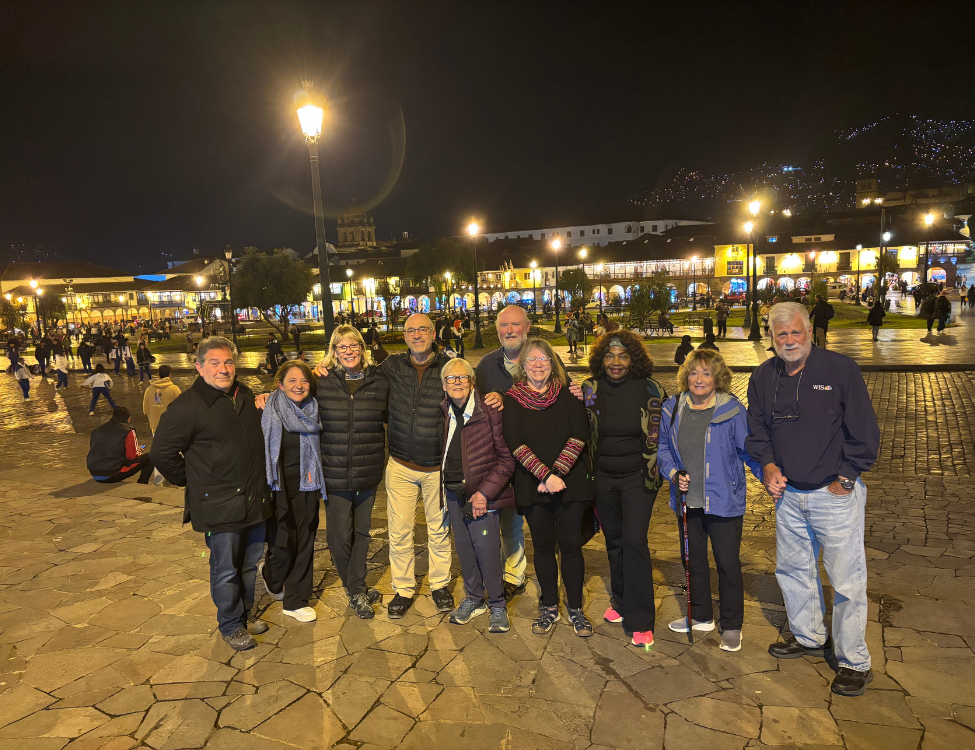
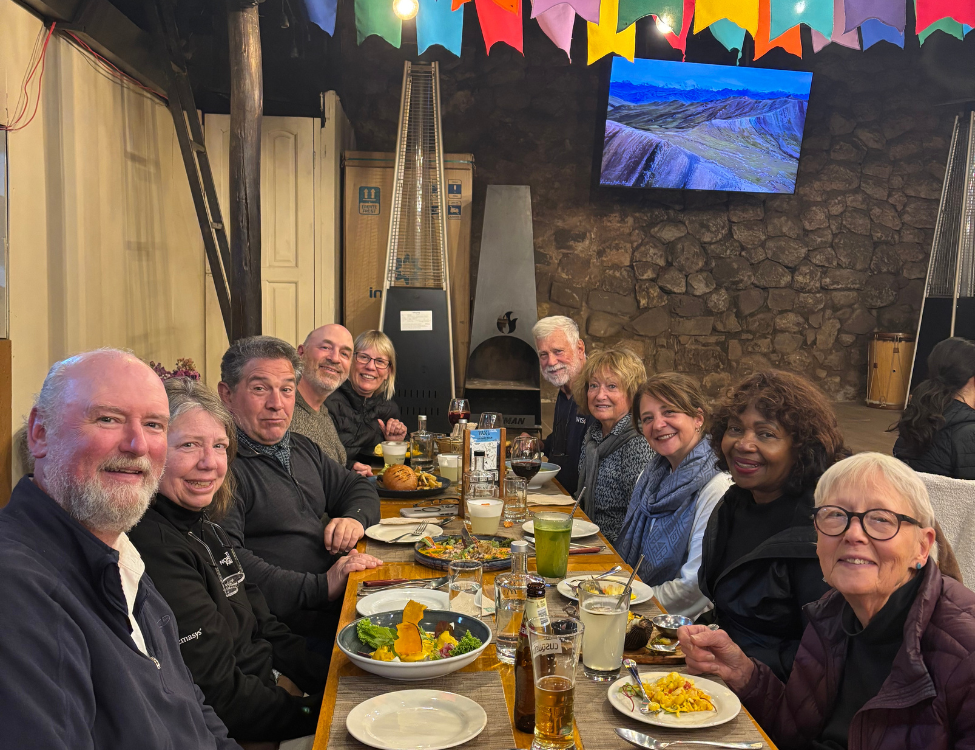
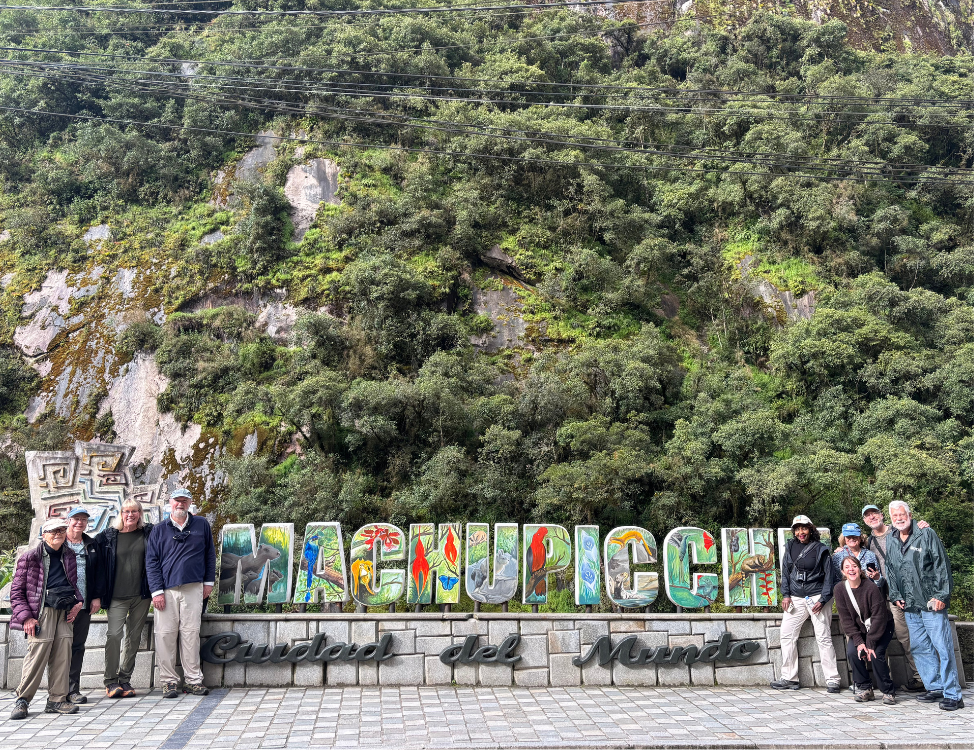
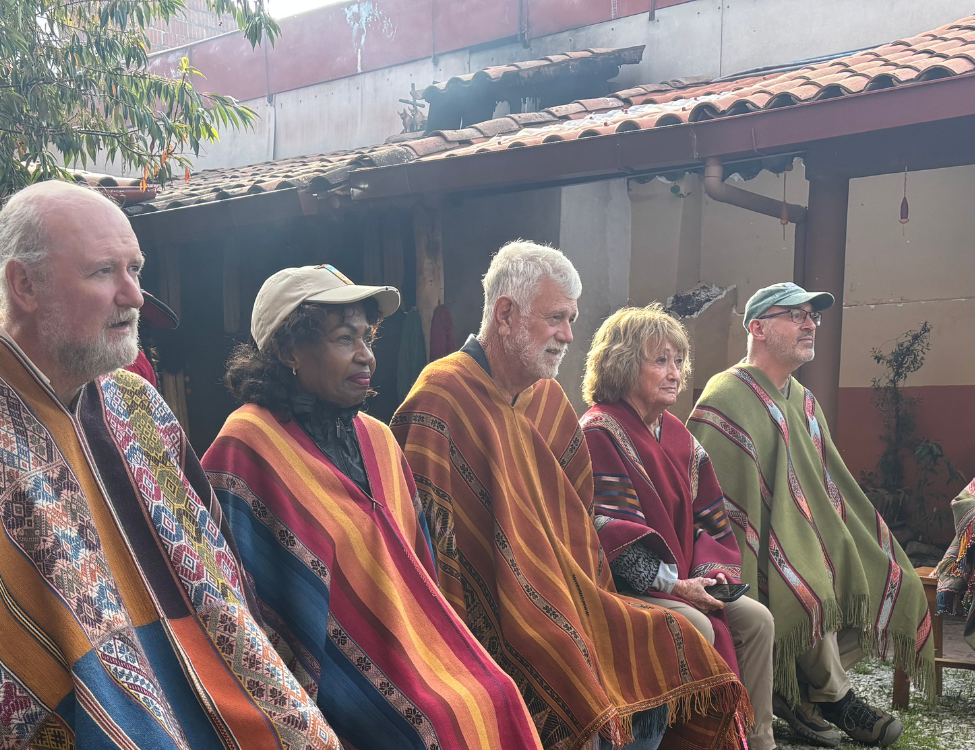
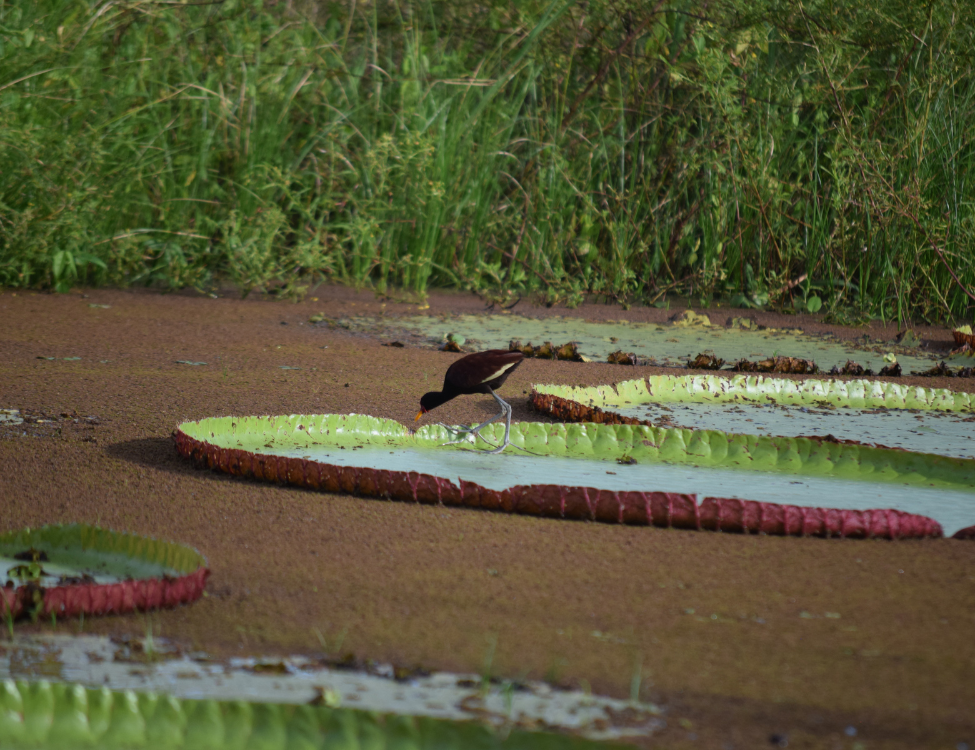
Scenes from previous HBS expeditions to the Galápagos.
Four minutes of ring of fire, 600 miles from the mainland
Annular Solar Eclipse in Galápagos sails January 20–28, 2028 aboard the M/V Isabela II. Forty guests, one departure — and rates hold only through December 31, 2026.