
A Notes from the Field Dispatch
From the Andes to Appalachia, a Young Biologist Finds Common Ground
For Juan Pablo Castro, a summer of salamanders, bats and high-elevation forests at Highlands Biological Station has revealed unexpected connections between the mountains of Ecuador and Southern Appalachia.
The red salamander was difficult to miss.
Against the muted greens and browns of the Southern Appalachian forest, its body appeared almost incandescent—a flash of deep crimson punctuated by dark spots. For Juan Pablo Castro, a 21-year-old biology student from Ecuador, encountering Pseudotriton ruber was one of those field moments that temporarily eclipses everything else.
“Its size and intense coloration were incredible,” he said.
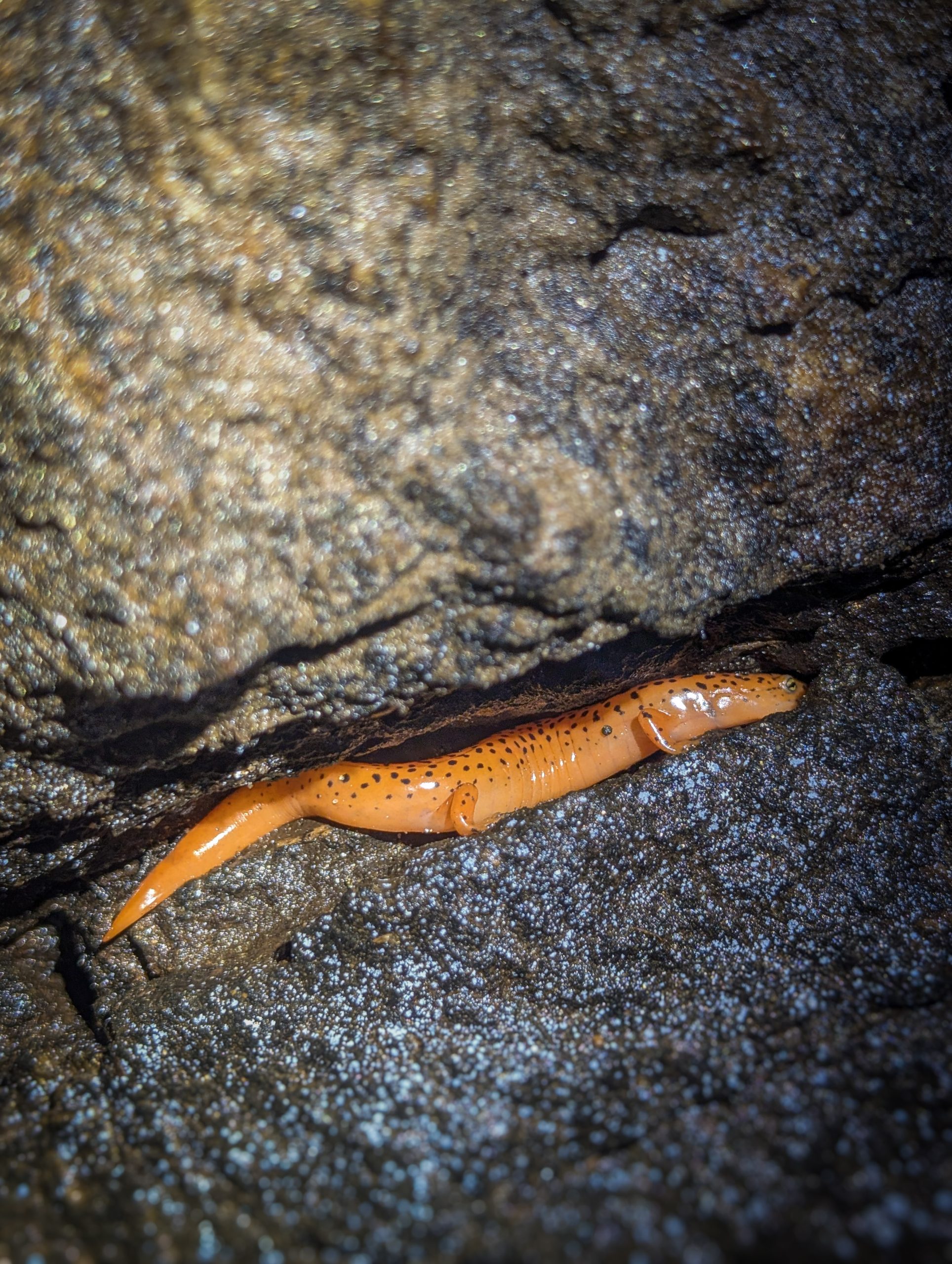
The salamander was just one of many firsts during Castro’s time at Highlands Biological Station. There was the timber rattlesnake—Ecuador has no rattlesnakes at all—along with several other snakes and a black bear near the Station. There were early mornings spent assisting with bird banding, trips into abandoned mines to measure geological characteristics and high-elevation excursions to collect acoustic bat-monitoring data. On one such trip, fieldwork brought him to Grandfather Mountain, where exposed rock formations, high-elevation vegetation and geological history made it one of the most beautiful places he visited during his stay.
Each encounter added another layer to a summer spent learning an unfamiliar ecosystem—and recognizing pieces of home within it.
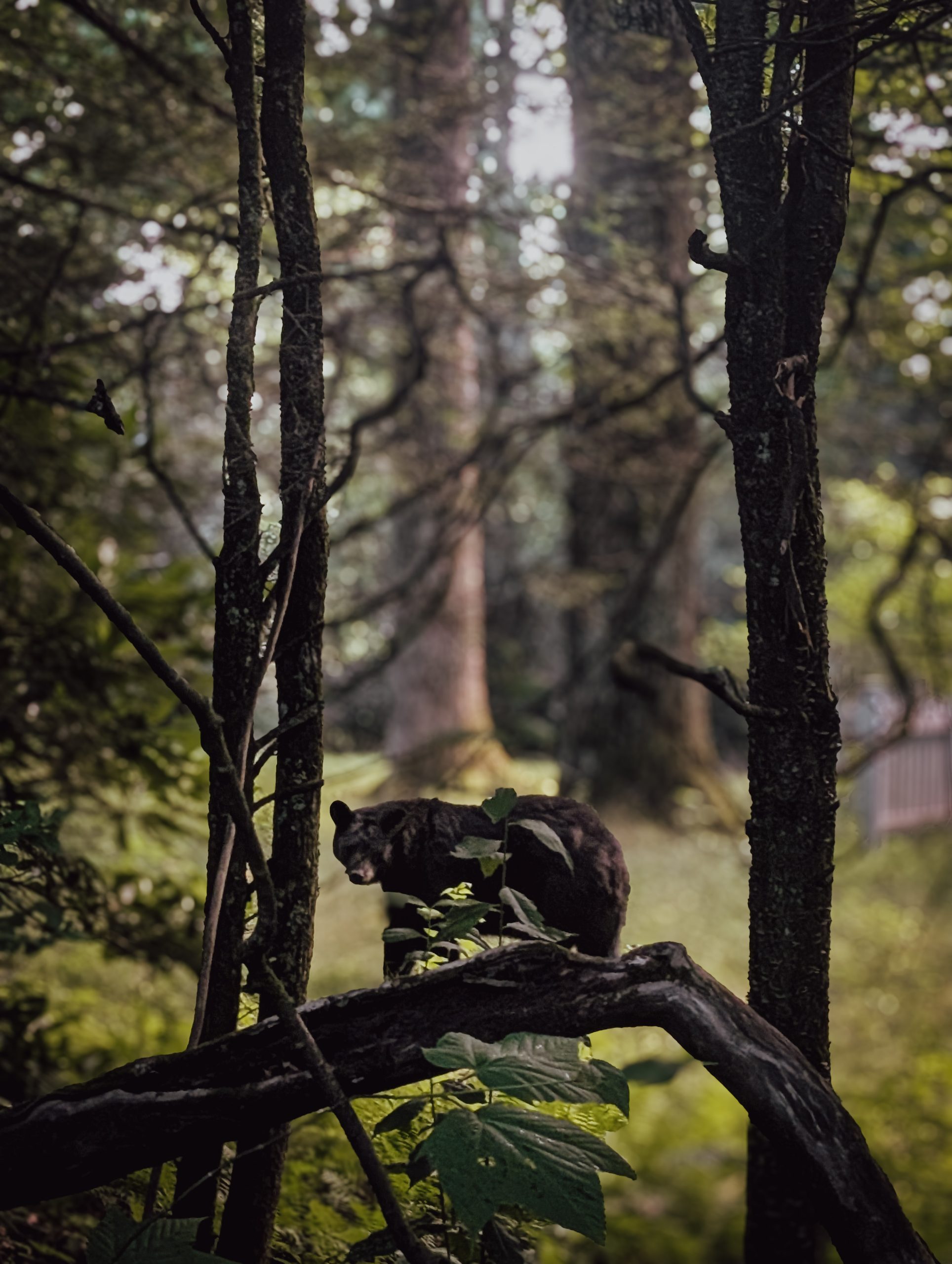
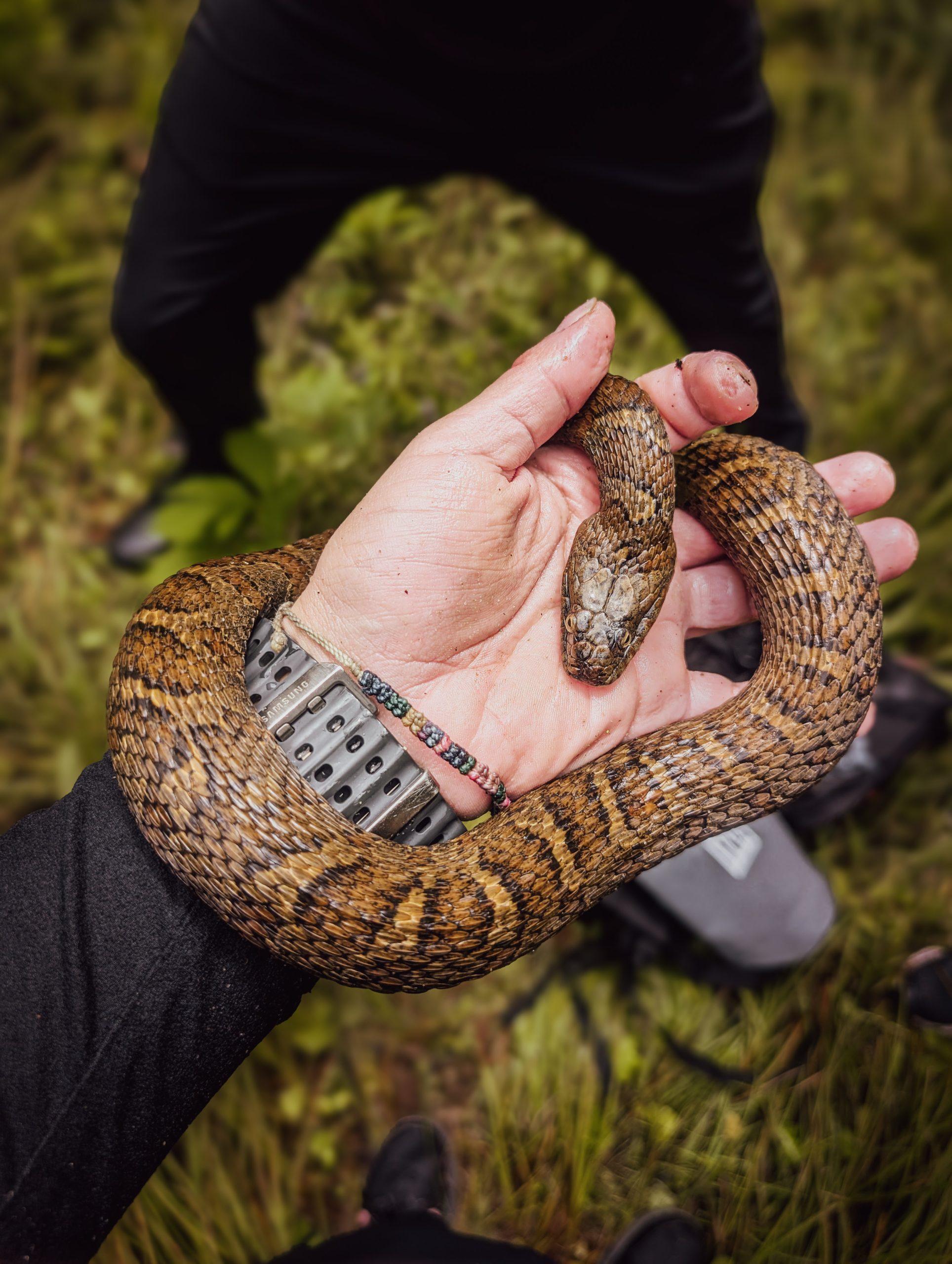
Left: a black bear near the Station—in Ecuador, an encounter like this usually means traveling deep into a protected forest. Right: one of several snakes he encountered during his time at the Station. Courtesy of Juan Pablo Castro
Castro was born in Quevedo, in Ecuador’s coastal region, and now lives in Quito, where he is beginning his fourth year at Universidad San Francisco de Quito. His interest in biology began not with a textbook, but with the animals many people instinctively avoid.
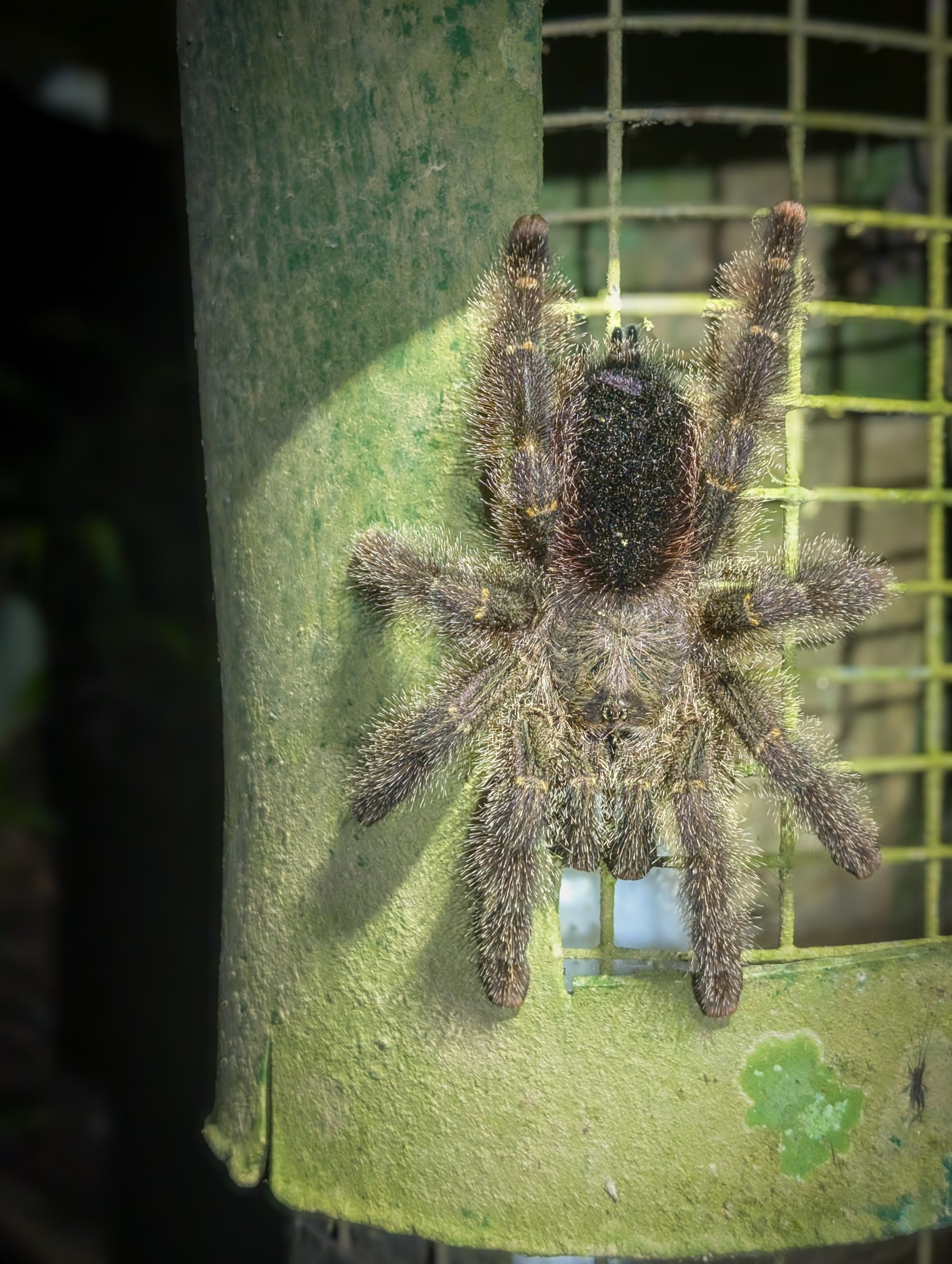
Since he was young, he has been fascinated by tarantulas, scorpions, snakes and other creatures many people avoid. He would search for them, keep some in terrariums, and try to identify their species and understand their behavior. He has also always loved adventure and spending time outdoors—biology gave him a way to bring those interests together.
“Ecology became one of my main focuses because it connects organisms with their environments and helps us understand how ecosystems may respond to future changes.”
Juan Pablo Castro
That curiosity has taken Castro across some of Ecuador’s most distinctive landscapes. It also brought him more than 2,000 miles north to Highlands: when he learned about the history of salamander research at HBS and the extraordinary diversity of salamanders in the Southern Appalachians, he immediately wanted to experience the Station.
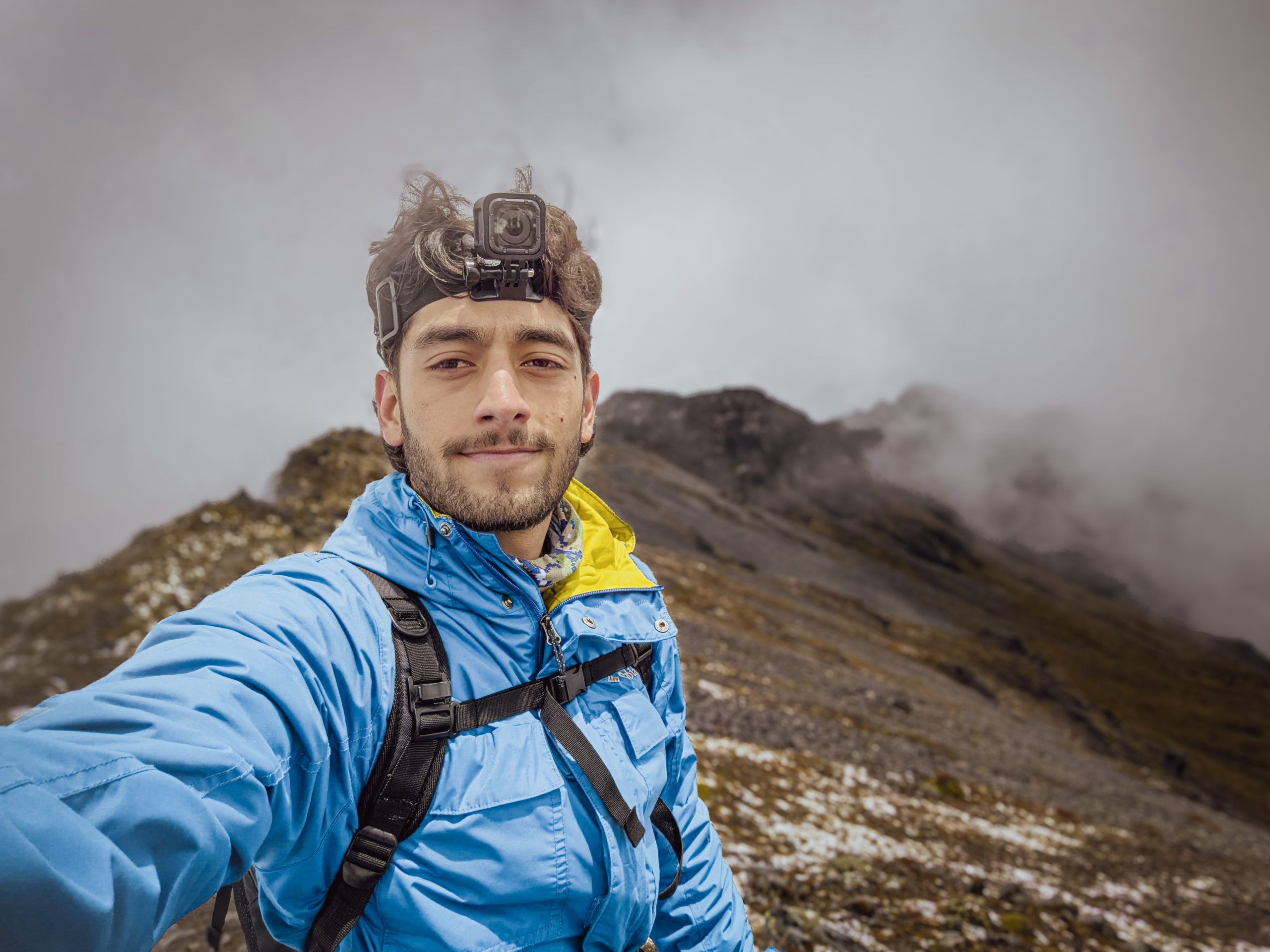
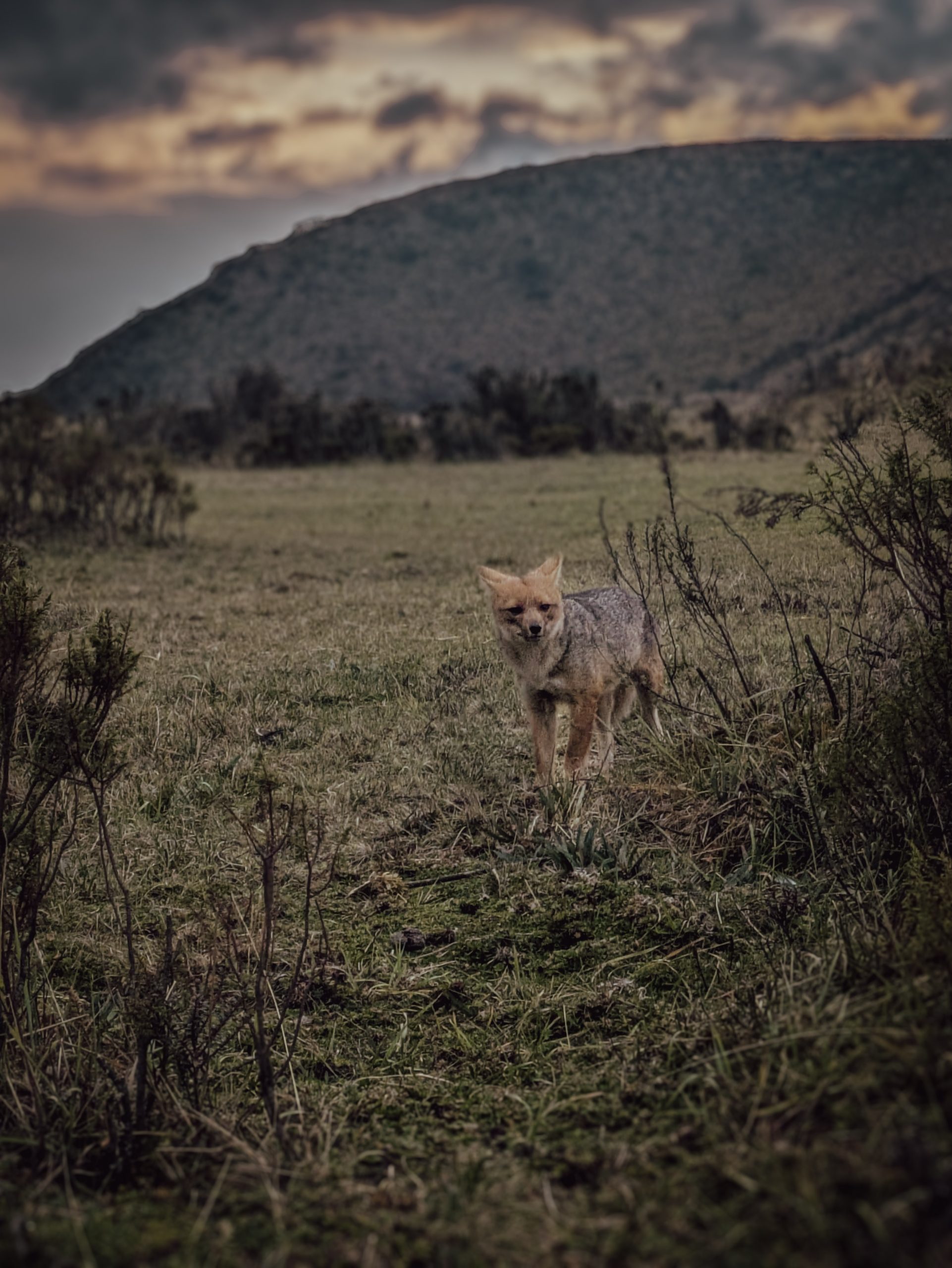
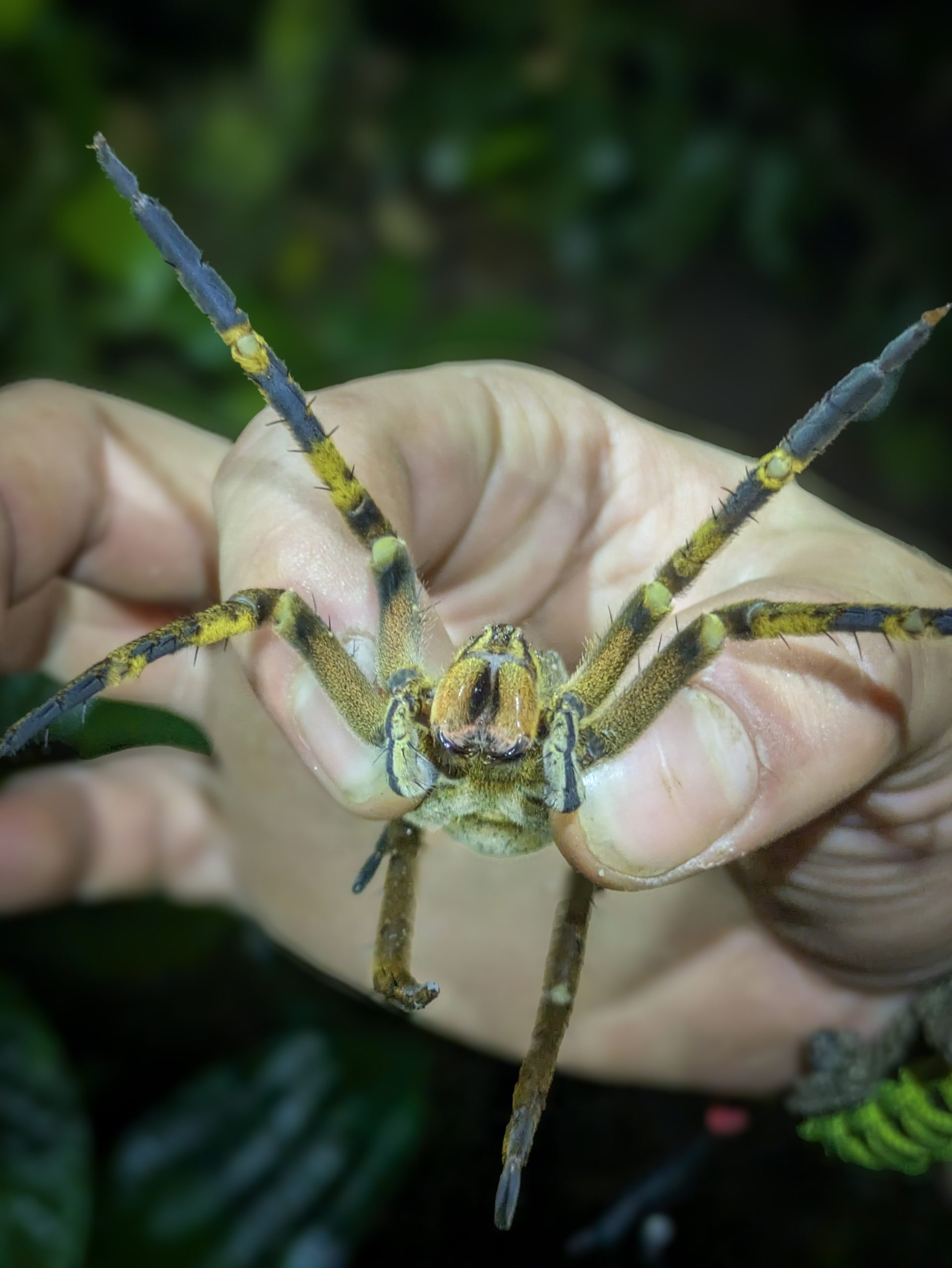
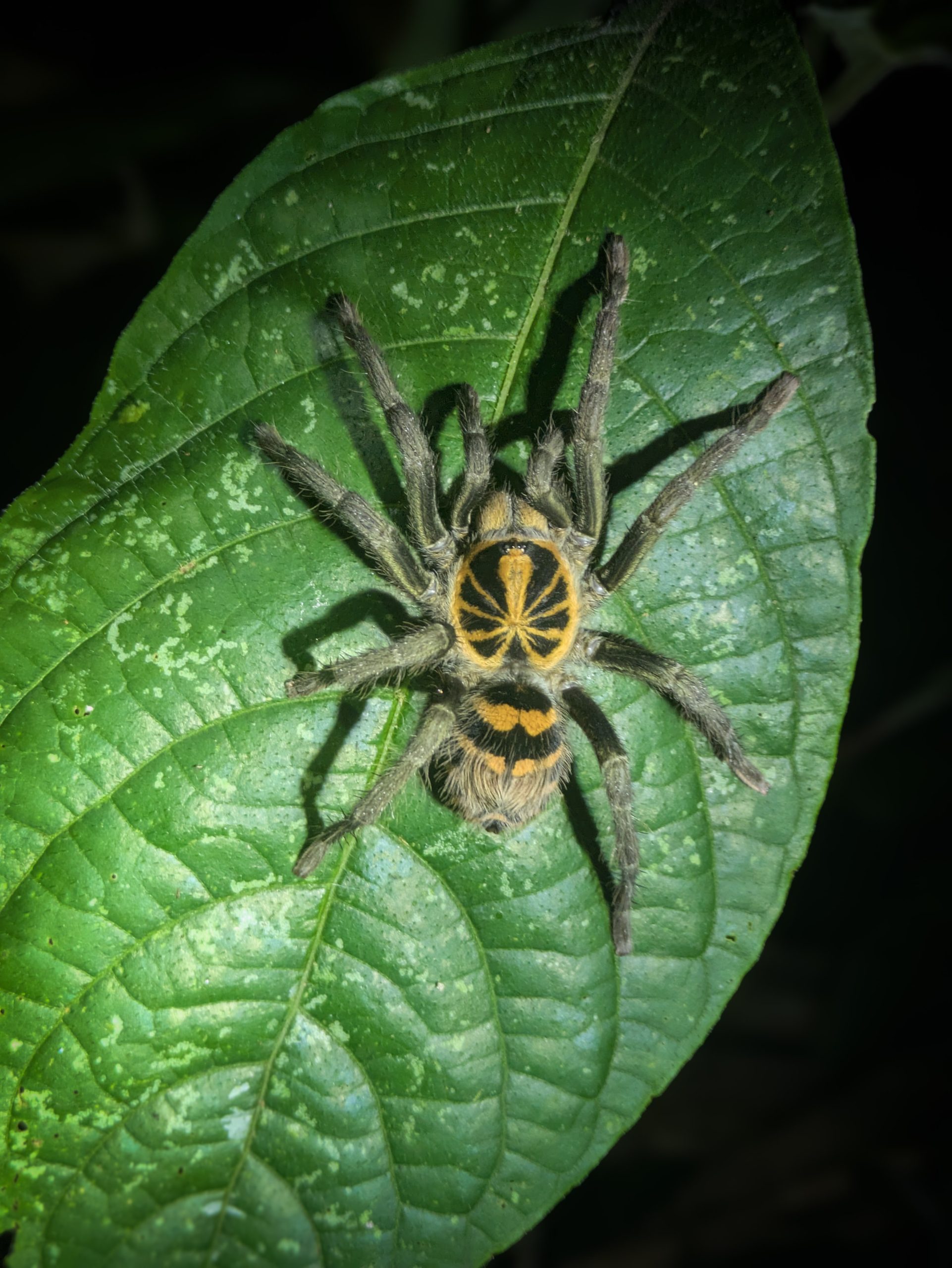
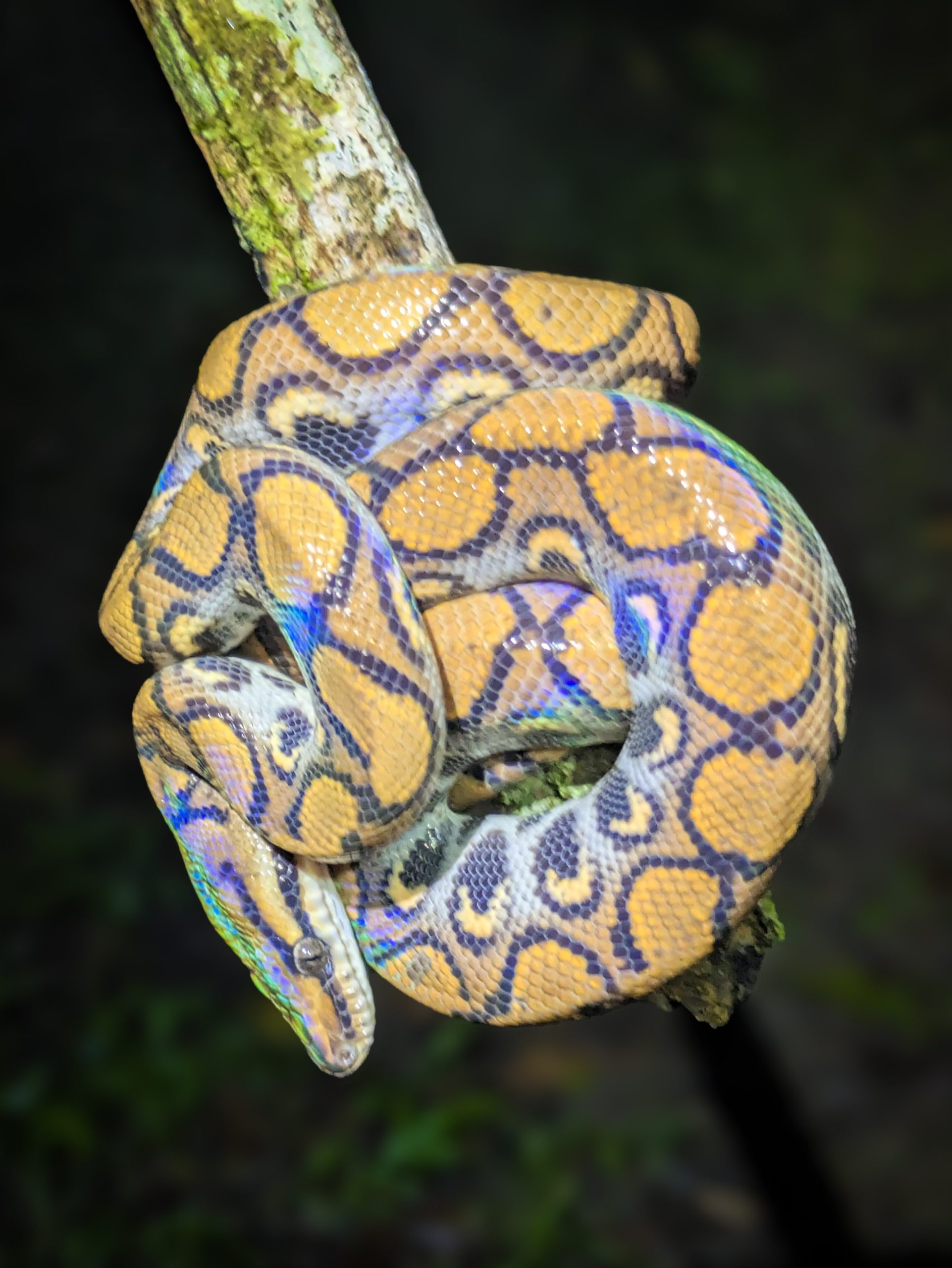
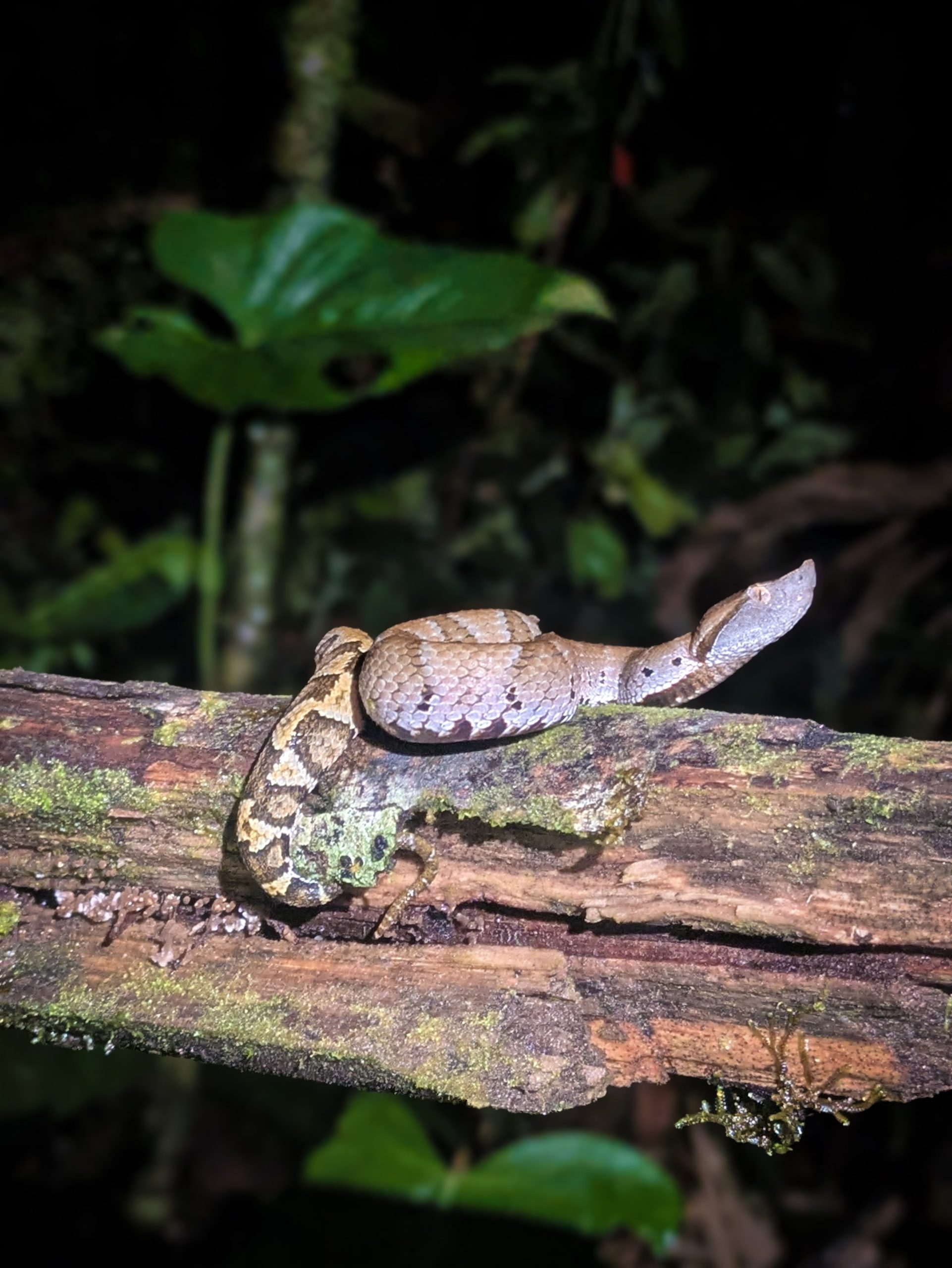
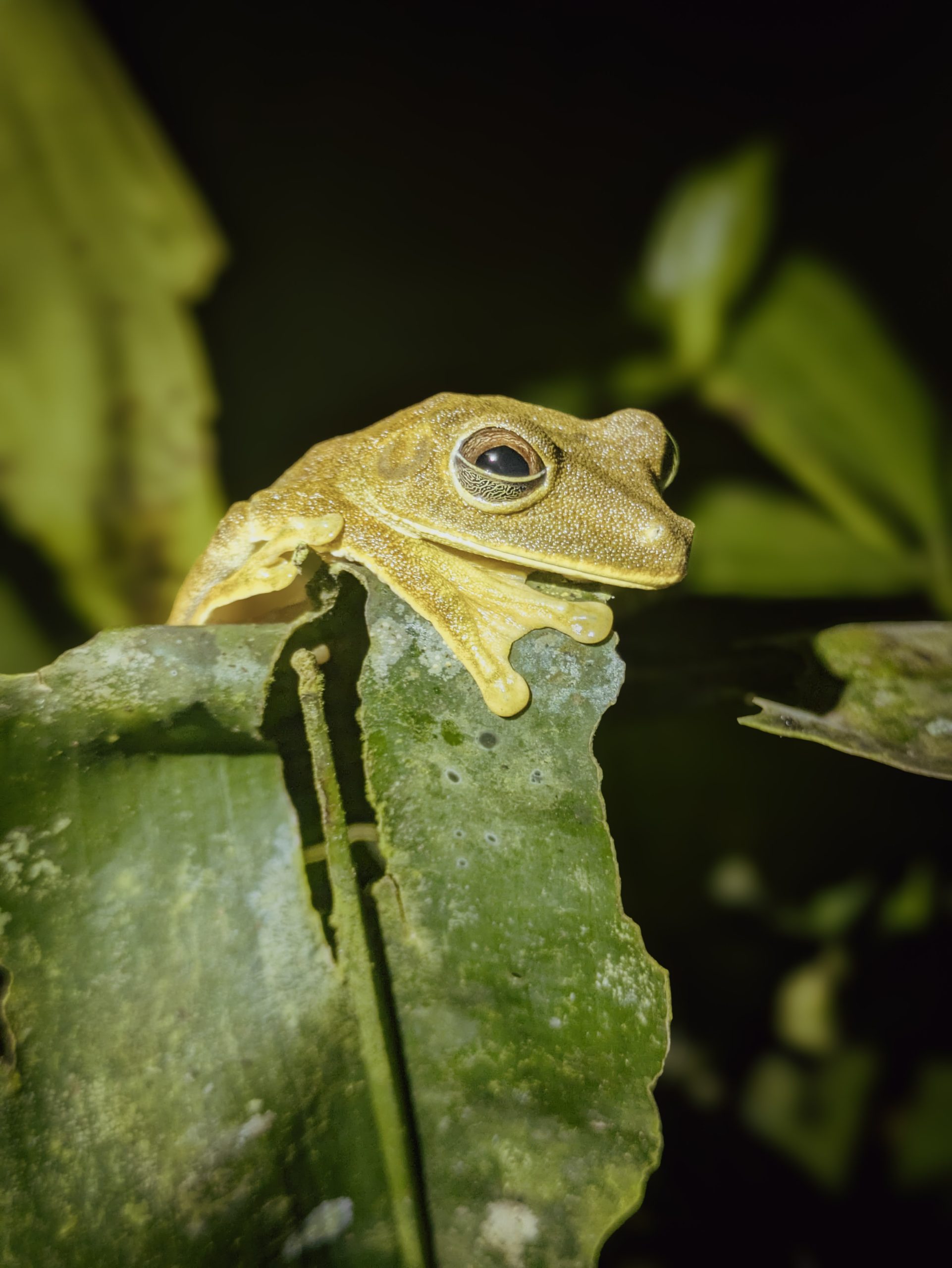
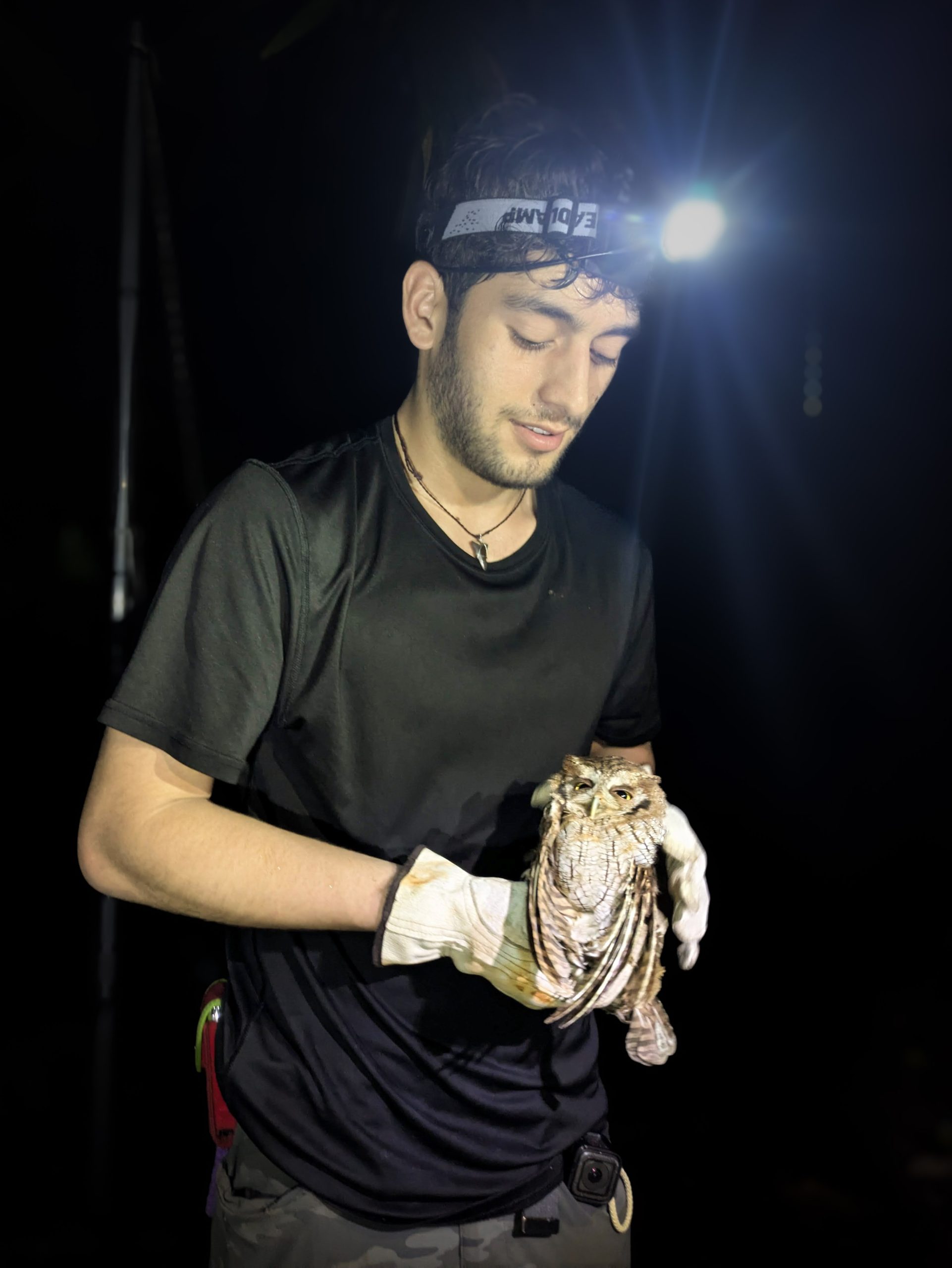
Herpetology—especially snakes, frogs and salamanders—is one of Castro’s main interests. But he was also drawn to the chance to study a temperate ecosystem: most of his previous training and fieldwork had been in tropical environments, and coming to HBS gave him the opportunity to understand how seasonality, climate, elevation and geology shape a very different ecological system.
The Southern Appalachians are extremely diverse for a temperate region, Castro said, but the structure of that diversity is very different from Ecuador. Great Smoky Mountains National Park has around 100 native tree species, while a typical hectare of Yasuní rainforest may contain more than 650.
Great Smoky Mountains National Park
Yasuní, Ecuador (may contain more than)
In Ecuador, ecological conditions often change dramatically with elevation, but temperatures stay relatively stable through the year and seasons are mainly defined as wet or dry. In the Appalachians, organisms must also respond to strong seasonal changes across summer, fall, winter and spring.
Salamanders offer a particularly revealing comparison. The Southern Appalachians contain one of the richest salamander communities in the world, while Ecuador has far fewer salamander species despite its exceptional diversity in frogs, birds, reptiles, plants and many other groups.
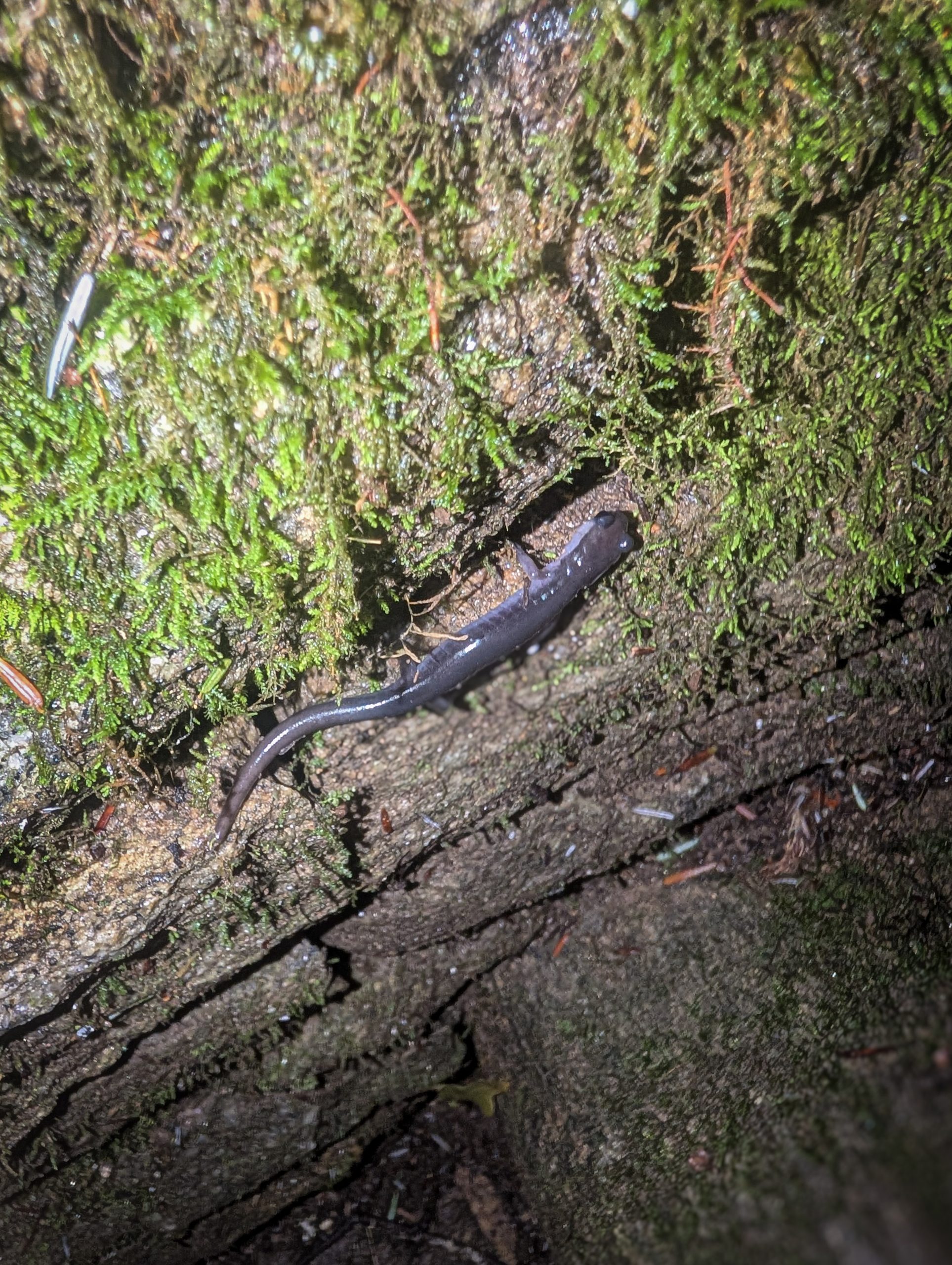
The Highlands Plateau reminds Castro most of Ecuador’s Andean cloud forests around places such as Mindo or the eastern Andean slopes. Both environments receive abundant moisture and support mosses, ferns, epiphytes and humid soils, with biological communities that change quickly across elevational gradients. The species and seasonal patterns are very different, but both ecosystems show how mountains, clouds, moisture and topography can create localized, highly diverse habitats.
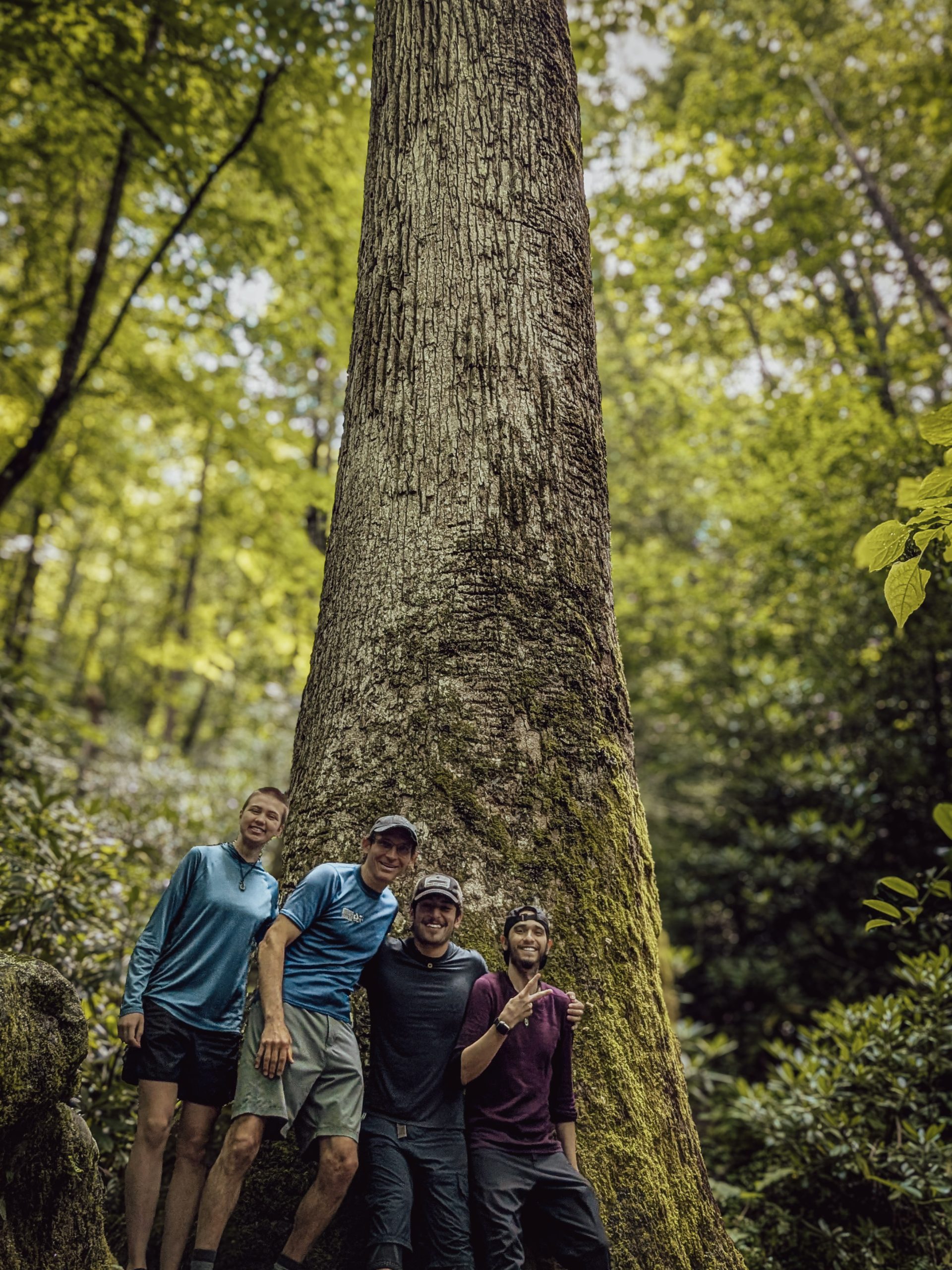
The Appalachian high-elevation forests also offer an interesting comparison with Ecuadorian páramo. In the páramo, temperatures can shift dramatically within a single day—from intense sunlight to near-freezing nights—while here, comparable changes play out across the annual seasonal cycle instead.
The high-elevation spruce-fir forests were also unforgettable to Castro. Their moss, moisture, accumulated organic material and dense stands of conifers were very different from the forests he knew before.
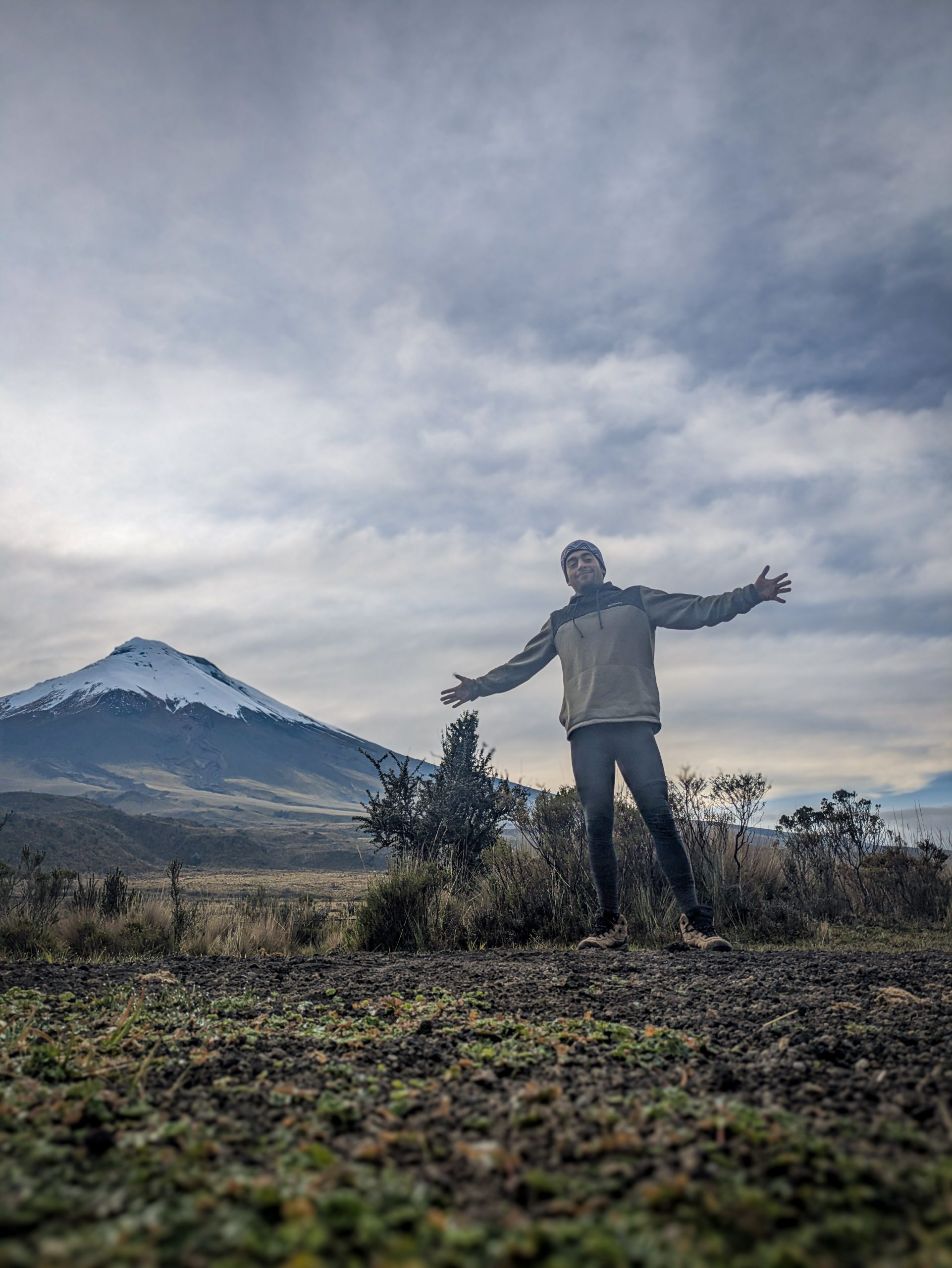
Castro’s days at HBS have moved between field sites and laboratory benches. Most of his work has involved salamander research examining how metabolism responds to different temperatures. Using respirometry, researchers compare physiological results with behavioral traits, including how bold or cautious individual salamanders appear to be.
A field day may involve releasing salamanders and recording spatial information at their capture sites, visiting abandoned mines to measure geological characteristics, traveling to high-elevation sites to collect acoustic bat-monitoring data, or assisting with an early-morning bird-banding session. On laboratory days, he normally helps with salamander behavioral trials, data collection and other parts of the ongoing experiments.
He has also supported bat research through acoustic monitoring and geological measurements. One project is exploring whether magnetic properties in rocks around mines and caves may be associated with how bats locate important hibernation sites.
Working with respirometry, collecting geological measurements inside mines, and participating in bird banding were, in his words, new and fascinating experiences.
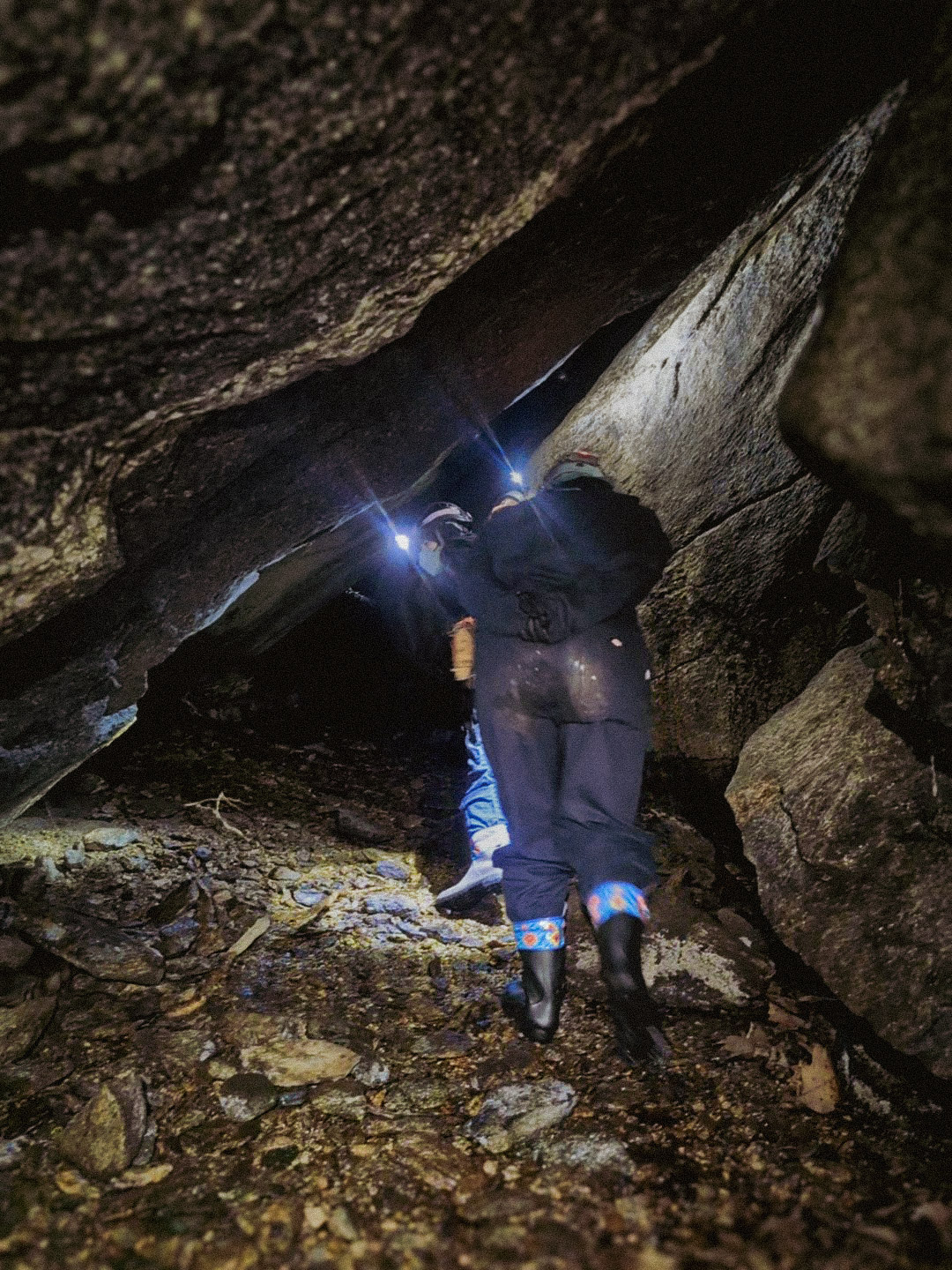
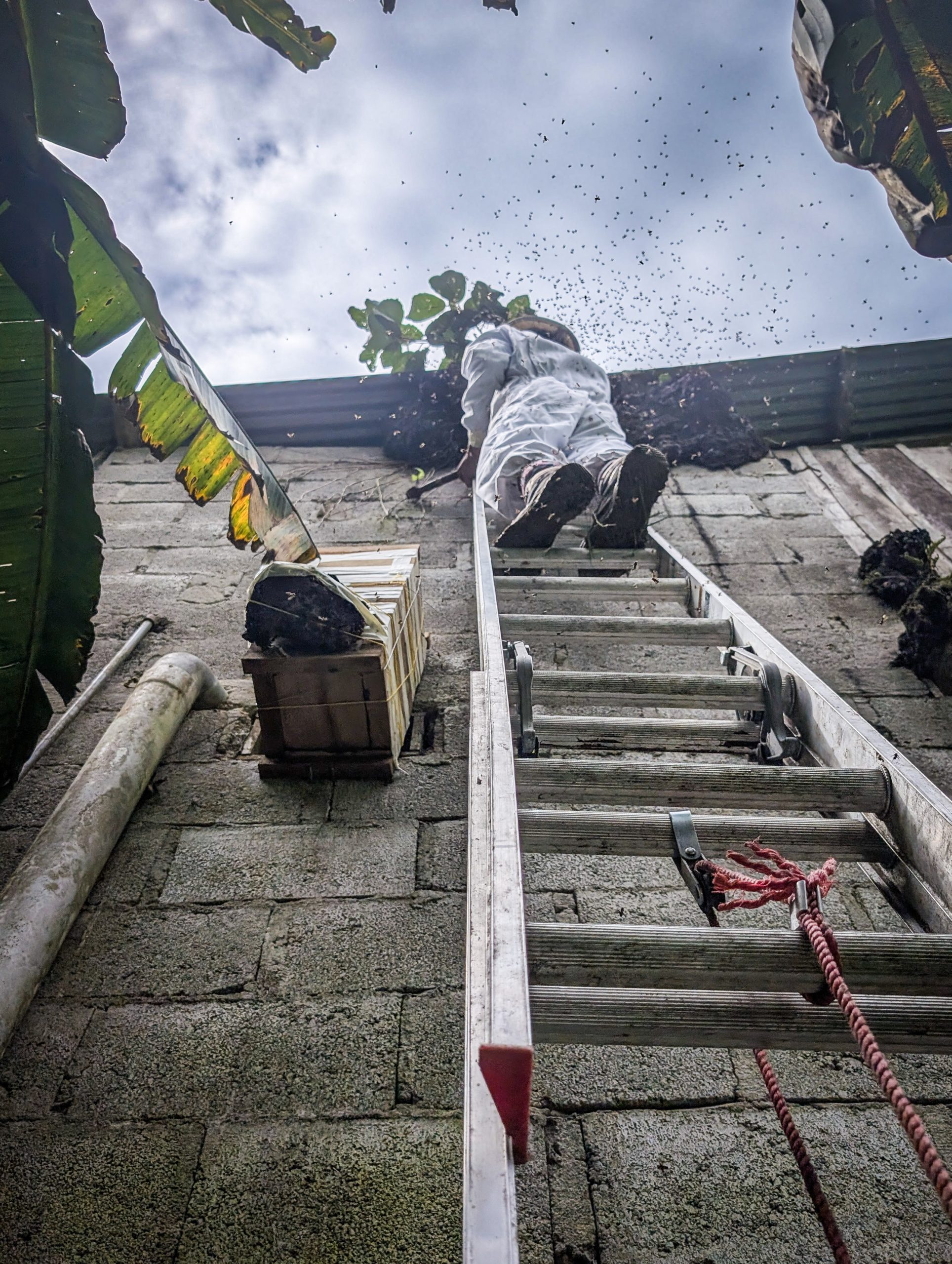
Left: a talus cave survey. Right: a rooftop bat colony removal. Courtesy of Juan Pablo Castro
Before coming to Highlands, Castro’s experience with birds was very limited, and he had never participated in bird banding. He has called it an unexpected and incredible opportunity—one he is very grateful to have experienced.
“I have enjoyed being able to assist several researchers rather than participating in only one project. Each person has introduced me to different questions, methods, field sites and ways of approaching ecological research.”
Juan Pablo Castro
The field locations have been beautiful, Castro said, but the most valuable part has been learning from people with different academic backgrounds and experiences. He is also especially grateful to have been welcomed into activities such as bird banding, which he never expected to experience during his visit.
For his thesis, Castro is using acoustic surveys in the Galápagos to explore the distribution and composition of pelagic and micronektonic organisms at different depths and locations. These organisms form an important link between primary productivity and predators such as sharks, so understanding their distribution may help researchers better interpret food availability and trophic relationships in the marine ecosystem.
He is also working with stingless bees, known as meliponines—combining DNA barcoding and phylogenetic comparisons with analyses of the nutritional properties of honey from different species and colonies. Beyond the research itself, he and his collaborators hope this work can support sustainable meliponiculture as an alternative source of income for communities living near Ecuadorian cloud forests.
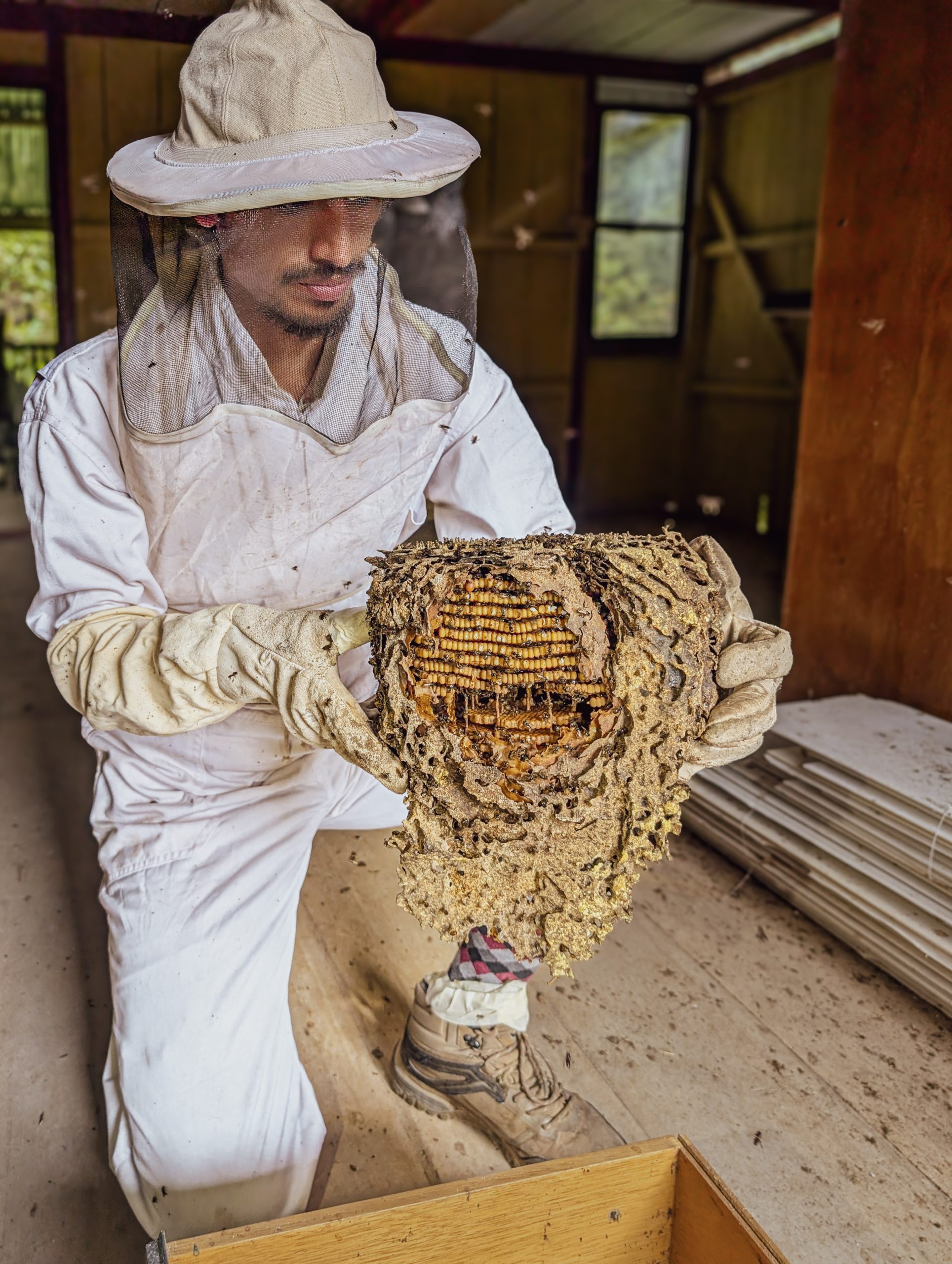
His Galápagos research is also helping establish a baseline for understanding pelagic community composition and the distribution of organisms that serve as prey for larger marine predators—work that may support future acoustic research and help interpret the ecology of sharks and other upper-level predators. His stingless-bee research matters for a different reason: it combines biodiversity research with a direct conservation application. Supporting sustainable honey production could give local communities an economic reason to maintain native forests instead of replacing them with pasture, agriculture or timber extraction.
In the Galápagos, one major challenge is fishing pressure, especially around the boundaries of the marine reserve; shark populations and other marine predators can be affected by international fishing fleets, illegal fishing and the difficulty of developing sustainable practices with local fishing communities. On mainland Ecuador, forest fragmentation is a major concern—roads, agriculture, cattle pasture, logging and development continue to reduce cloud forests and disconnect wildlife corridors. Projects such as sustainable meliponiculture may help create livelihoods that also provide an incentive to protect these forests.
“Working with people from different countries and ecosystems brings together different perspectives and ways of solving problems,” he said. “Ecology is extremely complex, and comparisons between regions can help researchers recognize patterns or questions that may be difficult to see while working in only one place.” International collaboration, he added, also builds teams of people who share the same passion but contribute different experiences, ideas and skills.
Castro would like to continue working in tropical ecology, but he has always been fascinated by temperate forests. One of his goals after graduation is to spend at least a year working in ecological research in a temperate ecosystem. His time at HBS has helped him understand these ecosystems more deeply, introduced him to new research methods, and made him even more interested in returning to the Southern Appalachians for future research.
His advice to other students: explore as much as possible. Work with different organisms, ecosystems, research questions and methods before deciding exactly what you want to specialize in.
“I have worked with population surveys, acoustic monitoring, museum collections, molecular sampling, physiological experiments and field ecology,” he said. “Each experience has helped me discover new interests and better understand the kind of biologist I hope to become.”
Ecuador is a small country, but it contains the coast, the Andes, the Amazon rainforest, cloud forests, páramo and the Galápagos Islands. Growing up surrounded by such different ecosystems strongly shaped Castro’s curiosity and his interest in conservation.
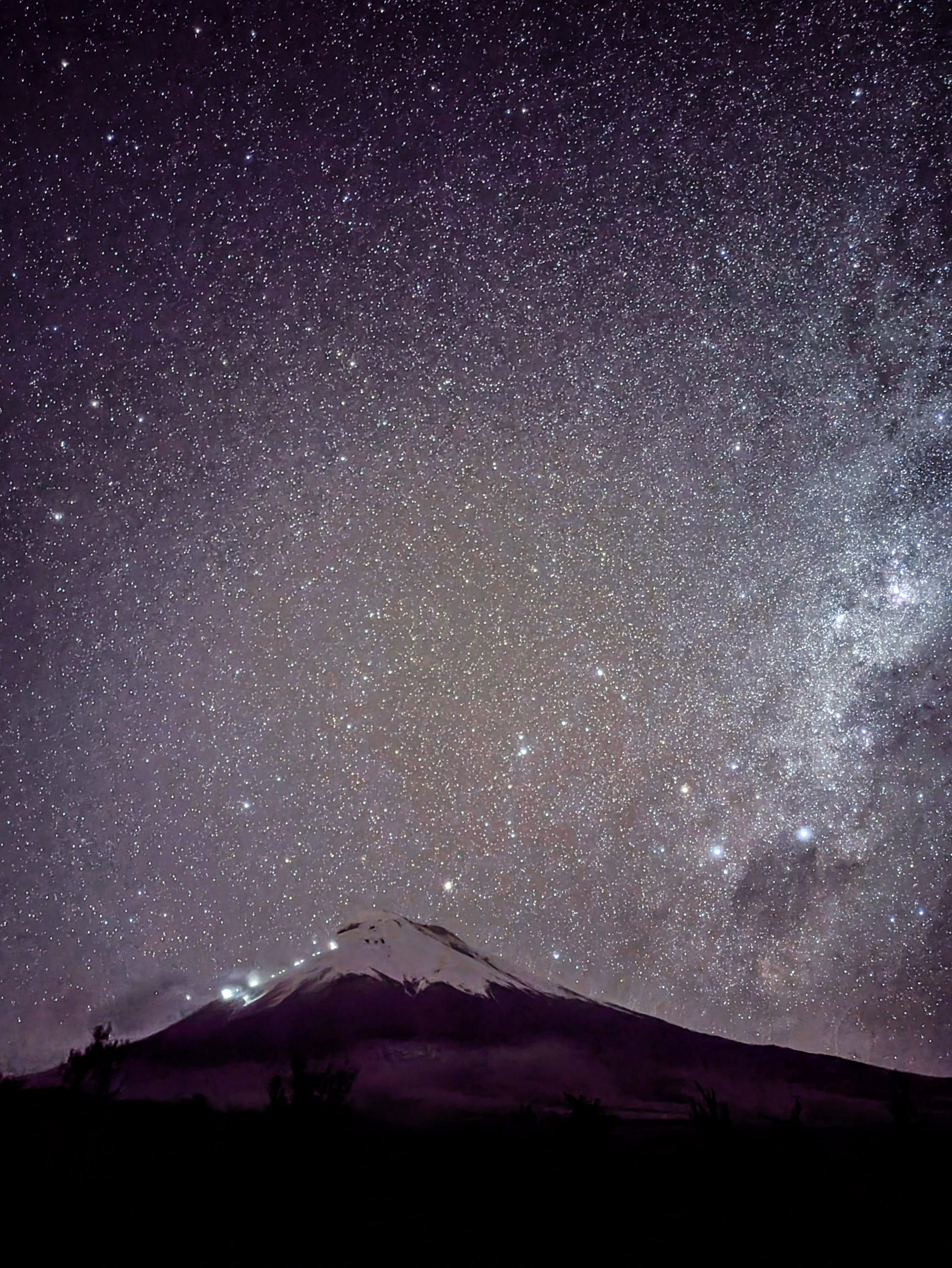
Castro is very grateful to HBS for welcoming him and allowing him to experience a completely different ecosystem. “I hope this is the beginning of future collaboration,” he said, “between the people I have met here and researchers and students in Ecuador.”